
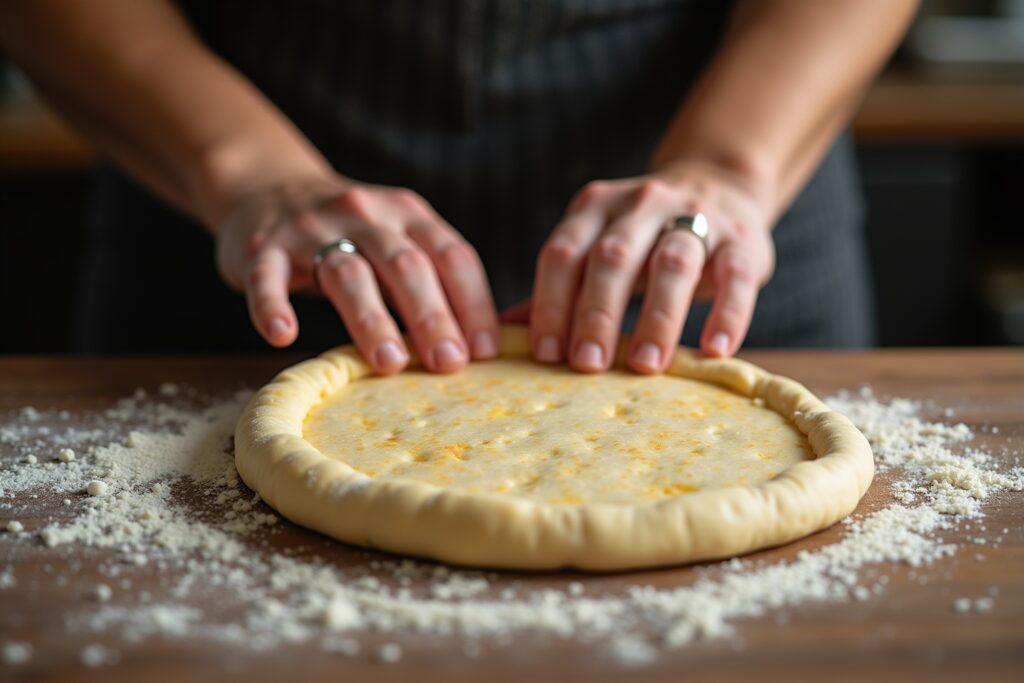
Achieving the perfect pizza dough is the foundation of an exceptional homemade pizza, transforming your kitchen into an authentic pizzeria. You’re looking for reliable, straightforward recipes and techniques to master this essential culinary skill, ensuring a crispy crust and a delightful chew every time you bake.
These are the most popular Pizza Dough products
Keine Produkte gefunden.The Anatomy of Perfect Pizza Dough
Crafting superior pizza dough involves understanding the interplay of key ingredients and precise techniques. Each component plays a vital role in the final texture, flavor, and rise of your crust.
Flour: The Heart of Your Dough
The type of flour you choose is arguably the most critical decision. For authentic Neapolitan-style pizza, ’00’ flour (doppio zero) is the gold standard. It’s finely milled and has a moderate protein content (around 10-12%), which develops gluten structure without becoming overly tough. This results in a tender, airy crust that bakes quickly at high temperatures. All-purpose flour can be used, but it typically results in a slightly less delicate crust. Bread flour, with its higher protein content, will yield a chewier crust, which is excellent for New York-style pizzas.
Yeast: The Lifeblood of the Dough
Yeast is responsible for leavening your dough, creating those characteristic bubbles and contributing to its flavor. You have a few options:
- Active Dry Yeast: This requires proofing in warm water (around 105-115°F or 40-46°C) with a pinch of sugar before adding to the flour.
- Instant Yeast: This can be mixed directly with the dry ingredients, as it doesn’t require proofing. It’s generally more reliable and quicker acting than active dry yeast.
- Fresh Yeast: Less common in home kitchens, it has a shorter shelf life but can impart a distinct flavor. It needs to be crumbled and dissolved in warm water.
The amount of yeast used impacts the rise time and flavor development. Less yeast and a longer fermentation period often lead to a more complex flavor profile.
Water: Hydration is Key
The amount of water in your dough, known as hydration, significantly affects its texture. Hydration is calculated as a percentage of the flour weight. A typical pizza dough might have a hydration level of 60-70%. Lower hydration doughs are easier to handle but result in a denser crust. Higher hydration doughs are stickier and more challenging to work with but produce a lighter, airier crust with larger air pockets.
The temperature of the water is important for activating the yeast. Too hot and you’ll kill it; too cold and it won’t activate properly. Lukewarm water is ideal.
Salt: Flavor and Structure
Salt is not just for taste; it also plays a crucial role in dough structure. It strengthens the gluten network, preventing the dough from becoming too elastic and sticky. It also controls yeast activity, slowing down fermentation and allowing for better flavor development. Use fine sea salt or kosher salt for even distribution.
Olive Oil: Richness and Tenderness
Adding a touch of good quality extra virgin olive oil contributes richness, tenderness, and a subtle flavor to the dough. It also helps with browning and crisping during baking. Some recipes omit olive oil for a purer, more traditional flavor, especially for Neapolitan pizza.
Essential Pizza Dough Recipes
Here are some foundational recipes, each tailored for a specific pizza style.
Classic Neapolitan Pizza Dough
This recipe emphasizes simplicity and high-temperature baking, aiming for a soft, tender crust with charred blisters.
- Ingredients:
- 500g ’00’ Flour
- 300-325ml Lukewarm Water (60-65% hydration)
- 10g Fine Sea Salt
- 1-2g Fresh Yeast (or 0.5g instant yeast)
- Instructions:
- In a large bowl, dissolve the yeast in about 50ml of the lukewarm water.
- Add about 100g of the flour to the yeast mixture and stir to form a loose paste. Let it sit for 10-15 minutes until frothy (if using active dry or fresh yeast).
- Add the remaining flour, salt, and the rest of the water to the bowl.
- Mix until a shaggy dough forms.
- Turn the dough out onto a lightly floured surface and knead for 10-15 minutes until smooth and elastic.
- Place the dough in a lightly oiled bowl, cover with plastic wrap or a damp cloth, and let it rise in a warm place for 1-2 hours, or until doubled in size.
- Gently punch down the dough, divide it into 2-3 portions, shape into balls, and let them rest for another 30-60 minutes before stretching.
New York-Style Pizza Dough
This recipe aims for a slightly chewier crust with a good balance of crispness and tenderness, suitable for larger, foldable slices.
- Ingredients:
- 500g Bread Flour
- 325ml Lukewarm Water (65% hydration)
- 15g Fine Sea Salt
- 7g Instant Yeast (or 10g active dry yeast)
- 15ml Olive Oil
- Instructions:
- If using active dry yeast, proof it in the lukewarm water with a pinch of sugar for 5-10 minutes.
- In a large bowl, combine the flour and salt.
- Add the yeast mixture (or instant yeast) and olive oil to the flour.
- Mix until a shaggy dough forms.
- Turn the dough out onto a lightly floured surface and knead for 8-10 minutes until smooth and elastic.
- Place the dough in a lightly oiled bowl, cover, and let it rise in a warm place for 1-1.5 hours, or until doubled in size.
- Punch down the dough, divide into 2 portions, shape into balls, and let them rest for 15-20 minutes before stretching. For a more developed flavor, you can cold-ferment this dough in the refrigerator for 24-72 hours after the initial rise.
No-Knead Pizza Dough
This method requires minimal effort, relying on a long fermentation time to develop gluten and flavor.
- Ingredients:
- 400g Bread Flour (or all-purpose)
- 300ml Cool Water (75% hydration)
- 8g Fine Sea Salt
- 2g Instant Yeast
- Instructions:
- In a large bowl, combine all ingredients.
- Mix with a spoon or spatula until just combined. The dough will be very sticky and shaggy.
- Cover the bowl tightly with plastic wrap and let it rest at room temperature for 12-18 hours. The dough will become bubbly and rise significantly.
- Gently turn the dough out onto a lightly floured surface. It will be very wet.
- Gently fold the dough over itself a few times to create some tension.
- Divide the dough into 2-3 portions and shape them into loose balls. Place them on a lightly floured surface or in individual containers, cover, and let them rest for another 1-2 hours before stretching.
Key Techniques for Dough Perfection
Beyond the ingredients and recipes, mastering a few techniques will elevate your pizza dough game.
Kneading: Developing the Gluten
Kneading is essential for developing the gluten network, which gives dough its elasticity and structure. You can knead by hand or use a stand mixer with a dough hook. The goal is to stretch and fold the dough repeatedly until it becomes smooth, elastic, and passes the windowpane test – where you can stretch a small piece thinly enough to see light through it without tearing.
Fermentation: Flavor Development
This is the process where yeast consumes sugars and produces carbon dioxide gas, causing the dough to rise. Longer fermentation periods, especially at cooler temperatures (cold fermentation), allow for more complex flavor compounds to develop, resulting in a tastier crust.
Proofing: The Final Rise
After shaping your dough balls, allowing them to rest and proof again ensures they are relaxed and ready to be stretched thinly without snapping back. This also contributes to a lighter final crust.
Stretching: The Gentle Touch
Avoid using a rolling pin if possible, as it can push out the air bubbles developed during fermentation. Instead, gently press the dough from the center outwards with your fingertips, leaving a slightly thicker rim for the crust. You can then gently stretch it over your knuckles or by rotating it in the air.
Understanding Dough Characteristics
Here’s a quick overview of what influences your pizza dough.
| Characteristic | Primary Influences | Impact on Dough |
|---|---|---|
| Chewiness | Flour protein content (bread flour yields more chew), Kneading intensity, Hydration level | Higher protein and longer kneading increase chewiness. High hydration can lead to a softer chew. |
| Crispness | Baking temperature and time, Dough hydration, Amount of olive oil | High heat and shorter bake times promote crispness. Lower hydration and added oil aid in browning and crisping. |
| Airiness / Open Crumb | Flour type (’00’ flour), Hydration level, Fermentation time and temperature | Higher hydration and longer, slow fermentation (especially cold fermentation) create larger air pockets. |
| Flavor | Fermentation time and temperature (longer/cooler fermentation equals more flavor), Type of flour, Yeast strain | Slow fermentation allows for yeast and bacterial activity to produce complex flavors. |
Troubleshooting Common Pizza Dough Issues
Even experienced bakers encounter challenges. Here are solutions to common problems.
Dough is too sticky
This is often due to high hydration or insufficient kneading. If it’s unmanageable, dust your hands and work surface lightly with flour. Avoid adding too much flour, as it can make the dough tough. Ensure you’ve kneaded long enough for the gluten to develop.
Dough won’t stretch, keeps snapping back
This indicates under-developed gluten. The dough needs more kneading or a longer resting period. If you’ve already kneaded sufficiently, cover the dough and let it rest for 15-30 minutes; this allows the gluten to relax, making it easier to stretch.
Dough is too dense, not rising well
Possible causes include expired yeast, water that was too hot (killing the yeast), or insufficient fermentation time. Ensure your yeast is active and that the water temperature is correct. Try a longer proofing time, especially in a slightly warmer environment.
Crust is tough
Over-kneading, too much flour added during shaping, or using high-protein flour for a style that doesn’t require it can lead to a tough crust. Be gentle when shaping and try to use the recommended flour type for your desired result.
Tips for Success
- Weigh your ingredients: Using a kitchen scale provides the most accurate and consistent results, especially for flour and water.
- Room temperature matters: Yeast activity is sensitive to temperature. A warm spot (around 75-80°F or 24-27°C) is ideal for rising.
- Don’t rush fermentation: Patience is key. Longer, slower fermentations often yield superior flavor and texture.
- Practice makes perfect: The more you make pizza dough, the better you’ll understand how it behaves and how to adjust your techniques.
These are the latest Pizza Dough products with the best ratings.
Keine Produkte gefunden.FAQ – Frequently Asked Questions about Pizza Dough Recipes: Der perfekte Pizzateig
Can I make pizza dough ahead of time?
Yes, absolutely. Pizza dough can be made 1-3 days in advance and stored in the refrigerator. This process, known as cold fermentation, not only makes the dough easier to handle but also develops a richer flavor. Ensure it’s tightly wrapped to prevent drying out.
What is the best flour for homemade pizza dough?
For Neapolitan-style pizza, ’00’ flour is ideal due to its fine milling and moderate protein content. For a chewier New York-style crust, bread flour with its higher protein content is recommended. All-purpose flour is a versatile option for general homemade pizzas.
How long should pizza dough rise?
The rising time varies depending on the recipe, yeast quantity, and ambient temperature. Typically, a dough will rise for 1-2 hours at room temperature until doubled in size. Some no-knead recipes rely on much longer, 12-18 hour room temperature ferments.
What’s the difference between instant yeast and active dry yeast?
Instant yeast can be mixed directly with dry ingredients and doesn’t require proofing. Active dry yeast needs to be dissolved in warm water with a pinch of sugar for 5-10 minutes until it becomes frothy before being added to the dough. Instant yeast is generally faster-acting.
Why is my pizza dough so sticky?
A sticky dough is often a sign of high hydration or insufficient kneading. If it’s too difficult to handle, dust your hands and work surface sparingly with flour. Ensure you are kneading for the recommended time to develop the gluten structure, which will make the dough less sticky.
Can I freeze pizza dough?
Yes, pizza dough freezes well. After it has risen and you’ve divided it into portions, wrap each portion tightly in plastic wrap, then place it in a freezer-safe bag or container. Thaw it in the refrigerator overnight, then let it come to room temperature before shaping.
What does ‘hydration’ mean in pizza dough recipes?
Hydration refers to the ratio of water to flour in a dough recipe, expressed as a percentage. For example, a dough with 65% hydration means that the weight of the water is 65% of the weight of the flour. Higher hydration levels result in a lighter, airier crust but can be stickier and harder to work with.


