
Master the Flames: Exceptional Grilling and BBQ Recipes
Fire, smoke, and premium meat. Master the ultimate outdoor cooking experience with our grilling and BBQ recipes. Achieving that perfect bark and juicy interior requires more than just fire; it demands precision, superior equipment, and the right techniques. Explore our curated selection of professional grills, high-performance tools, and gourmet seasonings to transform your backyard into an elite BBQ oasis. Let us ignite the flames and create unforgettable culinary masterpieces right now.

Die besten Beef Short Ribs Rezepte
Unlock amazing beef short ribs recipes! Braised, oven-baked, or slow cooker – find your new...

Die besten Steak Recipes für jedes Menü
Craving steak? Get amazing recipes for every cut and cooking method. Make your next steak...

17 Smoked Sausage Recipes for All
Craving delicious smoked sausage? Find amazing recipes here! Elevate your cooking with our best ideas....
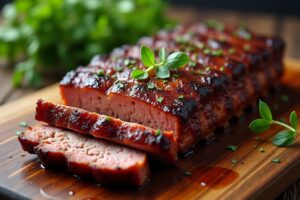
17 Irresistible Pork Ribs Recipes
Master the art of perfect pork ribs. Find easy recipes for grilling, smoking, or baking....

16 Delicious Grill Recipes for Summer
Ready to grill? Get delicious BBQ recipes perfect for any occasion. Impress your friends with...
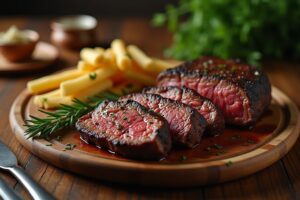
13 Tri Tip Recipes to Savor
Unlock delicious tri-tip recipes. You'll grill perfect, juicy beef every time. Impress everyone with your...
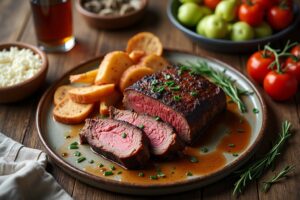
15 Beef Brisket Recipes
Master beef brisket with our top recipes. Learn to smoke, braise, and roast for tender,...
These are the most popular Grilling & BBQ Recipes products
Keine Produkte gefunden.The Heart of the Cookout: Choosing Your Ultimate Grill
The foundation of every magnificent outdoor meal is the equipment that generates the heat. You cannot execute premium grilling recipes on a rusted, unstable, or poorly insulated grill. Cheap grills suffer from severe temperature fluctuations, aggressive flare-ups that leave your food covered in bitter soot, and a tragic lack of heat retention. Upgrading your grill is the single most impactful decision you can make to elevate your outdoor cooking. When you invest in heavy-gauge stainless steel construction, thick cast iron grates, and superior airflow management, you are investing in absolute control over the fire.
Modern grilling technology has evolved spectacularly. Whether you prefer the immediate, precise control of a high-end gas grill for quick weeknight dinners, or the primal, deeply aromatic process of tending a live charcoal fire, having professional-grade equipment makes the process deeply satisfying. Furthermore, the rise of automated wood pellet grills and heavily insulated ceramic Kamado cookers has made authentic, competition-style barbecue accessible to the home cook. Browse our extensive collection of world-class grills to find the perfect engine for your backyard kitchen. Below is a comprehensive guide to help you choose the right fuel and style for your specific culinary ambitions.
Grill and Smoker Types Compared
| Grill Type | Heat Source & Control | Flavor Profile | Best Culinary Application |
|---|---|---|---|
| Premium Gas Grill | Propane or Natural Gas. Instant ignition, precise dial control. | Clean, natural flavor of the meat. Minimal smoke unless a smoker box is added. | Quick weeknight dinners, delicate fish, vegetables, burgers, and hot dogs. |
| Classic Charcoal Kettle | Charcoal briquettes or lump charcoal. Controlled via air vents. | Rich, authentic smoky flavor with distinct fire-kissed notes. | Steaks, chicken pieces, indirect roasting, and traditional backyard cookouts. |
| Ceramic Kamado Cooker | Lump charcoal. Extremely thick ceramic walls for unmatched heat retention. | Deep, clean smoke. Retains incredible moisture inside the cooking chamber. | Low and slow smoking, high-heat pizza baking, sub-zero winter grilling. |
| Wood Pellet Grill | Compressed hardwood pellets. Digitally controlled via thermostat. | Sweet, aromatic wood smoke flavor (hickory, apple, cherry, mesquite). | Effortless smoking for briskets, ribs, and pork shoulders with set-and-forget technology. |
| Offset Smoker | Wood logs and charcoal in a separate firebox. Requires active fire management. | The absolute pinnacle of traditional, heavy bark, authentic Texas-style barbecue. | Competition-level cooking, massive meat capacities, traditional low and slow mastery. |
Precision Under Pressure: The Critical Importance of Temperature Control
The line between a perfectly succulent, medium-rare steak and a tough, unchewable piece of leather is a matter of mere degrees. In the realm of barbecue, guessing is the enemy of greatness. The dial thermometers installed on the domes of most grills are notoriously inaccurate, often measuring the air temperature inches above the food rather than the heat right at the grate level. To execute our premium BBQ recipes flawlessly, you must eliminate the guesswork and rely on digital precision.
An instant-read digital meat thermometer is the most essential tool for any pitmaster. By inserting a micro-tipped probe into the thickest part of your chicken breast or pork chop, you receive an exact internal temperature reading in less than two seconds. This guarantees you pull the meat from the grates at the exact moment of perfection, ensuring absolute food safety without sacrificing a single drop of juice. Never cut into a beautiful steak to check its color again; doing so releases the precious juices you worked so hard to retain.
For long, slow smoking sessions, opening the lid of your smoker to check the meat is disastrous. Every time you open the lid, you lose valuable heat and smoke, extending your cooking time by up to twenty minutes. The solution is a smart, wireless Bluetooth or Wi-Fi meat thermometer. Insert the leave-in probes into your brisket, close the lid, and monitor the internal temperature directly from your smartphone while you relax with your guests. These advanced devices will even alert you when your meat hits the stall or reaches the target temperature. Equip yourself with our industry-leading digital thermometers and cook with the confidence of a seasoned professional.
Essential Temperature Milestones for the Grill
- Poultry (Chicken and Turkey): Must reach exactly 165 degrees Fahrenheit. Pulling at 160 degrees and resting covered will safely reach this temperature while remaining incredibly juicy.
- Pork Shoulder (For Pulled Pork): Needs to reach an internal temperature of 200 to 205 degrees Fahrenheit. This extreme heat is required to melt the tough collagen into rich gelatin.
- Beef Brisket: Similar to pork, aim for 203 degrees Fahrenheit. The probe should slide into the meat with zero resistance, feeling exactly like warm butter.
- Sausages and Brats: Safely cooked at 160 degrees Fahrenheit. Do not prick the casings while cooking, or all the flavorful fat will drain onto the coals and cause flare-ups.
- Salmon and Rich Fish: Perfect at 140 degrees Fahrenheit. The fish will become beautifully opaque and flake apart effortlessly with a fork.
The Tools of the Trade: Professional Grilling Accessories
Cooking over an open, roaring fire is an intense environment. Flimsy supermarket tools will bend under the weight of a heavy rack of ribs, and short handles will leave your forearms singed and uncomfortable. To handle your food with authority and safety, you need a professional pitmaster arsenal. Heavy-duty, extra-long stainless steel tools provide the leverage and reach necessary to command the grill while keeping your hands safely away from the intense heat.
Start with a pair of premium, locking spring-loaded tongs. Look for scalloped edges that provide a vice-like grip on heavy steaks without piercing the meat and losing juices. Next, a wide, heavy-gauge spatula with a beveled edge is mandatory for effortlessly sliding under delicate fish fillets or decisively flipping thick smashburgers. Avoid plastic handles that will melt if accidentally rested on the grill hood; opt for solid steel or heat-resistant pakkawood handles.
Safety and comfort go hand in hand when grilling. Heavy-duty aramid fiber or silicone grilling gloves are an absolute must. They allow you to physically handle hot grill grates, move burning charcoal baskets, or wrap hot briskets in butcher paper without feeling a trace of heat. Furthermore, a sturdy, oversized end-grain butcher block is required for resting and carving your massive cuts of meat once they come off the fire. Upgrade your outdoor kitchen with our professional-grade tools and accessories, designed to withstand a lifetime of aggressive use.
Low and Slow: The Ancient Art of True Barbecue
It is vital to distinguish between grilling and barbecue. Grilling is cooking small cuts of meat hot and fast directly over the fire. Barbecue is an entirely different discipline. It is the ancient art of cooking massive, tough cuts of meat like brisket, ribs, and pork butts at incredibly low temperatures (usually around 225 to 250 degrees Fahrenheit) for many hours in an environment filled with hardwood smoke. This low and slow process performs culinary alchemy, breaking down the tough connective tissues and rendering the hard fats until the meat becomes spectacularly tender and flavorful.
To master our authentic BBQ recipes, managing your smoke profile is just as important as managing your heat. Too much thick, white smoke will coat your meat in bitter creosote, ruining the flavor. You want thin, barely visible blue smoke. This is achieved by using premium, properly seasoned hardwood chunks or highly compressed, 100 percent natural wood pellets. Different woods pair with different meats: aggressive hickory and mesquite are perfect for robust beef cuts, while sweet apple and cherry woods beautifully complement pork and poultry.
A critical tool in the low and slow arsenal is unbleached pink butcher paper. When a large piece of meat cooks, it eventually hits the stall a point where evaporating surface moisture cools the meat, preventing the internal temperature from rising for several hours. By tightly wrapping your brisket or ribs in our high-quality, food-grade butcher paper, you push through the stall rapidly. Unlike aluminum foil, which traps steam and turns your hard-earned, crispy bark into mush, butcher paper breathes, preserving the crust while locking in the moisture. Stock up on our premium smoking woods and authentic butcher paper to achieve competition-level results in your own backyard.
Pairing Wood Smoke Profiles
| Wood Type | Smoke Intensity | Flavor Characteristics | Best Meats to Smoke |
|---|---|---|---|
| Hickory | Strong and Heavy | The classic, robust, and slightly sweet bacon-like flavor of traditional Southern BBQ. | Pork ribs, heavy beef cuts, whole pork shoulders. |
| Mesquite | Very Strong | Earthy, intense, and burns very hot. Can easily overpower delicate meats if overused. | Texas-style brisket, quick grilling for steaks, wild game. |
| Applewood | Mild and Sweet | Fruity, subtle, and creates a beautifully dark, mahogany bark on the meat. | Pork chops, bacon, whole chickens, and even smoked cheeses. |
| Cherry | Mild to Medium | Sweet, highly aromatic, and delivers an incredible, vibrant red color ring to the meat. | Turkey breasts, ribs, duck, and blending with heavier woods like hickory. |
| Pecan | Medium | Nutty, rich, and cooler burning than hickory. A fantastic, versatile all-rounder. | Brisket, pulled pork, sausages, and smoked nuts. |
High-Heat Searing: Achieving the Ultimate Crust
While low and slow smoking is an exercise in patience, searing a prime steak is an adrenaline-fueled display of high-heat mastery. The goal of searing is the Maillard reaction, a chemical process that occurs when proteins and sugars are subjected to intense heat, creating a complex, dark, and deeply savory crust. To achieve a steakhouse-quality sear at home, you need massive thermal mass. Thin stainless grates simply do not hold enough heat; the moment you place a cold steak on them, the grates cool down, resulting in a boiled, gray piece of meat.
Heavy cast iron grill grates or solid carbon steel planchas are the solution. Cast iron acts as a thermal battery, storing vast amounts of energy. When you drop a thick ribeye onto a super-heated cast iron grate, the energy is transferred instantly, searing the meat violently and locking in the flavors. If your grill does not have cast iron grates, investing in a heavy cast iron griddle that sits directly over the flames will transform your searing capabilities.
To guarantee absolute perfection for thick-cut steaks, we highly recommend the Reverse Sear method. Instead of searing first, you slowly bring the internal temperature of the steak up over indirect heat until it is about fifteen degrees shy of your target doneness. Then, you move the steak directly over a roaring fire, or onto a screaming-hot cast iron griddle, for exactly one minute per side. This technique guarantees edge-to-edge pink perfection with zero gray banding and an unbelievable crust. Equip your grill with our heavy-duty cast iron accessories to unlock the ultimate searing power.
Steps to the Perfect Reverse Sear
- Dry Brining: Salt your thick-cut steak generously twenty-four hours before cooking and leave it uncovered in the fridge. This deeply seasons the meat and dries out the exterior, which is crucial for a fast, violent sear.
- Set Up for Two-Zone Cooking: Configure your grill so one side is hot (coals or burners on) and the other side is cool (no direct heat).
- The Slow Cook: Place the steak on the cool, indirect side. Close the lid. Monitor the internal temperature with your digital probe until it reaches 115 degrees Fahrenheit for a medium-rare finish.
- The Rest and Heat Up: Remove the steak from the grill and let it rest for ten minutes. During this time, open the vents or turn the burners to maximum to get the hot zone roaring hot.
- The Final Sear: Place the steak directly over the intense heat. Sear for no more than sixty to ninety seconds per side, just until a dark, crusty bark forms. Serve immediately.
Flavor Injection and Gourmet Seasonings: Elevating Your Meat
The difference between a good barbecue and an unforgettable culinary experience lies entirely in how you build flavor profiles. Many home cooks make the mistake of using stale, supermarket-brand spice rubs that are predominantly cheap salt and chemical anti-caking agents. Furthermore, applying a marinade to the outside of a massive pork shoulder only flavors the exterior millimeter of the meat; the center remains completely unseasoned and bland.
To inject massive, mouth-watering flavor directly into the center of large cuts, a professional stainless steel meat injector is a non-negotiable tool. By drawing up marinades, melted butter, apple juice, and dissolved spices, and injecting them deep into the muscle fibers, you guarantee that every single bite is incredibly moist and bursting with flavor. Our heavy-duty injectors feature specialized needles designed specifically to handle thick marinades without clogging, completely outperforming cheap plastic alternatives.
Equally critical is upgrading your external seasoning. A high-quality bark requires a high-quality rub. Our curated selection of gourmet BBQ rubs features coarse-ground, single-origin black pepper, authentic smoked paprika, pure turbinado sugar that caramelizes beautifully without burning, and rare, highly aromatic herbs. When applying BBQ sauce, timing is everything. Most commercial sauces are loaded with sugar, which will burn into bitter black ash if applied too early. Use our heavy cotton BBQ mops to baste your ribs with our artisanal, small-batch sauces only during the final fifteen minutes of the cook, creating a sticky, glossy, incredibly delicious glaze. Elevate your flavor game by completely overhauling your pantry with our premium BBQ provisions.
Protecting Your Investment: Grill Maintenance and Care
A premium grill is a significant financial investment, and maintaining it properly guarantees it will perform flawlessly for decades. Neglecting your grill leads to rusted grates, clogged burner tubes, grease fires, and foul-tasting food. The most crucial maintenance step happens immediately after you finish cooking. While the grates are still roaring hot, you must remove the carbonized food residue.
However, traditional wire-bristle brushes pose a severe health hazard, as the cheap metal bristles can snap off, stick to the grates, and be ingested with your next meal. To clean your grill aggressively and safely, you must switch to a professional, bristle-free grill brush. We offer heavy-duty coiled stainless steel scrapers and solid oak wooden paddles that naturally form to the exact shape of your grates over time, cleaning deeply without leaving dangerous metal shards behind.
Beyond the grates, protecting the exterior of your grill from the elements is vital. Sun, rain, and snow will rapidly degrade even the highest quality stainless steel if left exposed. A heavy-duty, custom-fit grill cover made from marine-grade, UV-resistant polyester is mandatory. It prevents water from pooling in the firebox, stops rust from forming, and ensures your grill is always clean and ready to fire up at a moment’s notice. Protect your culinary engine by exploring our top-tier selection of safe cleaning tools, heavy-duty covers, and natural citrus degreasers designed specifically for high-end grills.
Frequently Asked Questions About Grilling & BBQ
What is the difference between direct and indirect heating?
Direct heating means placing the food directly over the flames or hot coals. This method is used for high-heat searing, creating crusts, and quickly cooking thin items like steaks, burgers, and vegetables. Indirect heating means placing the food in a zone where there is no fire directly underneath it, and closing the lid. This turns the grill into an outdoor oven, utilizing convection heat to slowly roast thick cuts of meat, whole chickens, and ribs without burning the exterior.
How do I prevent delicate fish and lean meats from sticking to the grates?
Sticking occurs when the grates are cold, dirty, or unlubricated. First, ensure your grates are scrubbed entirely clean and preheated until they are aggressively hot. Second, instead of trying to oil the grates (which just causes the oil to burn off instantly and create bitter smoke), lightly brush the food itself with a high-smoke-point oil like avocado oil. Finally, patience is key. Proteins naturally release themselves from the hot metal once a proper crust has formed; if you feel resistance when trying to flip the meat, wait another sixty seconds.
How can I start my charcoal without using foul-tasting lighter fluid?
Petroleum-based lighter fluids impart a horrible chemical flavor to your food and are completely unnecessary. The professional and most efficient way to start a charcoal fire is by using a high-capacity steel chimney starter. You simply fill the top cylinder with charcoal, place a natural tumbleweed fire starter or a crumpled piece of paper underneath, and light it. The chimney acts as a wind-tunnel, aggressively pulling oxygen up through the coals. In fifteen minutes, you will have a roaring, perfectly ashed-over bed of coals with zero chemical residue.
What does it mean when my brisket hits the stall?
The stall is a highly frustrating phenomenon in low and slow BBQ where the internal temperature of a large piece of meat gets stuck, usually around 160 degrees Fahrenheit, and refuses to rise for hours. This is caused by evaporative cooling; the meat is sweating out moisture, which cools the surface at the exact same rate the fire is trying to heat it. To overcome the stall, you must wrap the meat tightly in heavy-duty aluminum foil or premium unbleached pink butcher paper. Wrapping stops the evaporation, allowing the temperature to climb rapidly.
How often should I deep clean the interior of my grill?
While the cooking grates must be scraped clean after every single use, a deep internal cleaning should be performed at least twice a season, or more frequently if you cook highly fatty foods like pork bellies and burgers. You must remove the grates and the heat deflector plates to scrape the accumulated grease and carbon flakes out of the bottom of the firebox. Failing to clear this highly flammable debris is the primary cause of terrifying, uncontrollable grease fires that can completely ruin your grill and your food. Use a dedicated putty knife and our natural citrus degreaser for the best results.