
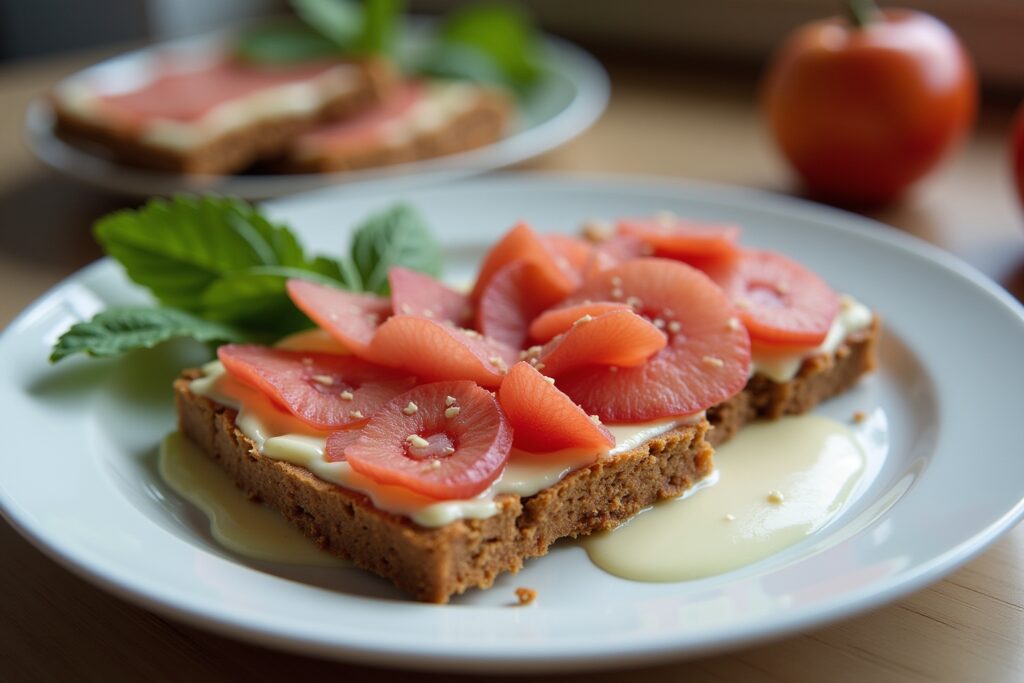
Craving delicious baked goods without the calorie guilt? You’ve come to the right place to discover how to create satisfying low-calorie baking recipes that won’t derail your health goals. Whether you’re looking for lighter desserts, healthier breakfast options, or satisfying snacks, this guide will equip you with the knowledge and techniques to achieve delightful results.
These are the most popular Low calorie baking products
Keine Produkte gefunden.The Foundation of Low Calorie Baking: Smart Ingredient Swaps
Transforming traditional recipes into healthier, lower-calorie versions is achievable through strategic ingredient substitutions. The key lies in understanding how different ingredients contribute to taste, texture, and caloric content, and then identifying effective alternatives. This approach allows you to retain the essence of your favorite baked goods while significantly reducing their impact on your daily calorie intake.
Reducing Fat Content
Fat is a major calorie contributor in baking. Reducing it requires careful consideration of its functional roles, such as providing moisture, tenderness, and richness. Fortunately, several excellent low-calorie alternatives can step in:
- Unsweetened Applesauce: This is a fantastic substitute for oil or butter in cakes, muffins, and quick breads. It provides moisture and a subtle sweetness, often reducing the need for added sugar as well. A 1:1 ratio is generally a good starting point, though you may need to slightly adjust liquid ingredients.
- Greek Yogurt (Plain, Non-fat): Another versatile moisture provider, Greek yogurt adds protein and a slight tang. It works wonderfully in brownies, cakes, and muffins. You can often replace oil or butter with Greek yogurt on a 1:1 basis.
- Mashed Banana: For recipes where a banana flavor is welcome, mashed ripe bananas are an excellent fat replacer. They add sweetness and moisture. Similar to applesauce, a 1:1 substitution is a good starting point.
- Pureed Pumpkin or Sweet Potato: These offer moisture and a lovely color, along with added fiber and nutrients. They are particularly effective in spiced baked goods like pumpkin bread or muffins. Use them in a 1:1 ratio for fat replacement.
- Silken Tofu: Blended silken tofu provides a smooth, moist texture and can replace some of the fat in cheesecakes, puddings, and dense cakes.
Lowering Sugar Intake
Sugar not only adds sweetness but also contributes to moisture, tenderness, and browning. When reducing sugar, you might need to compensate for these effects:
- Natural Sweeteners: Options like stevia, erythritol, monk fruit, or xylitol offer sweetness with minimal to no calories. They are often used in combination with each other or with a small amount of regular sugar to achieve a more natural taste and texture. Be mindful of the sweetness intensity of each.
- Fruit Purees: As mentioned, applesauce and mashed banana can reduce the need for added sugar due to their natural sweetness.
- Spices and Extracts: Enhancing flavors with cinnamon, nutmeg, vanilla extract, almond extract, or citrus zest can trick your palate into perceiving more sweetness, allowing you to reduce the sugar content.
- Sugar Alcohols: Erythritol and xylitol are sugar alcohols that provide sweetness with fewer calories than sugar. Xylitol is particularly effective in baking, but it is toxic to dogs, so exercise caution.
Choosing Lighter Flour Alternatives
While whole wheat flour is a healthier option than refined white flour, other flours can further reduce the caloric density of your baked goods:
- Almond Flour: Rich in healthy fats and protein, almond flour provides a moist and slightly dense texture. It’s lower in carbohydrates than wheat flour.
- Coconut Flour: This flour is highly absorbent and rich in fiber, meaning you need much less of it compared to wheat flour. It can create a slightly crumbly texture, so it’s often best used in combination with other flours or binders.
- Oat Flour: Ground oats make for a wholesome flour that adds fiber and a slightly chewy texture. You can easily make your own by grinding rolled oats in a blender.
- Protein Powder (Unflavored/Vanilla): Incorporating unflavored or vanilla protein powder can add a significant protein boost and reduce the need for some flour, contributing to a more filling and lower-carb outcome.
Techniques for Achieving the Perfect Texture and Flavor
Low-calorie baking isn’t just about swapping ingredients; it’s also about mastering techniques that ensure your creations are moist, tender, and full of flavor, even with reduced fat and sugar.
Moisture Management
When you reduce fat and sugar, moisture can become a challenge. Here’s how to combat dryness:
- Don’t Overmix: Overmixing gluten-containing flours develops the gluten structure too much, leading to toughness. Mix just until the ingredients are combined.
- Use Applesauce, Yogurt, or Purees Wisely: As mentioned, these are excellent for adding moisture. Start with a direct substitution and adjust based on the batter’s consistency.
- Add Extra Liquid if Needed: If your batter seems too dry after incorporating dry ingredients, a tablespoon or two of water, milk (or plant-based milk), or even diluted juice can help.
- Bake at the Correct Temperature and Time: Overbaking is the enemy of moist baked goods. Use an oven thermometer to ensure accurate temperature and a toothpick inserted into the center to check for doneness. It should come out with a few moist crumbs, not completely clean or with wet batter.
Flavor Enhancement
Without the richness of fat and the intensity of sugar, you need to amp up the flavor:
- Embrace Spices: Cinnamon, nutmeg, cloves, ginger, cardamom, and allspice add warmth and complexity.
- Citrus Zest: The zest of lemons, limes, oranges, or grapefruits provides a bright, aromatic lift that can enhance sweetness perception.
- Extracts: Vanilla, almond, peppermint, or coconut extracts offer concentrated flavor.
- Cocoa Powder (Unsweetened): For chocolate baked goods, use high-quality unsweetened cocoa powder.
- Coffee or Espresso Powder: A small amount of instant coffee or espresso powder can deepen chocolate flavors without adding a coffee taste.
- Salt: Don’t underestimate the power of salt to balance sweetness and enhance overall flavor.
Binding and Structure
When fat and sugar are reduced, the structure of baked goods can be affected. You might need to consider:
- Eggs or Egg Whites: Eggs provide structure, binding, and richness. Using only egg whites can significantly reduce fat and calories.
- Flax Eggs or Chia Eggs: For vegan or egg-free options, a “flax egg” (1 tablespoon ground flaxseed + 3 tablespoons water, let sit for 5 minutes) or “chia egg” (1 tablespoon chia seeds + 3 tablespoons water, let sit for 5 minutes) can act as binders.
- Xanthan Gum: In gluten-free baking, or when significantly reducing flour, a small amount of xanthan gum can help improve structure and prevent crumbling.
Categories of Low Calorie Baking Recipes
The world of low-calorie baking is vast and can be broken down into several popular categories, each offering unique opportunities for healthier indulgence.
| Recipe Category | Typical Calorie Reduction Strategies | Key Ingredients to Focus On | Popular Examples |
|---|---|---|---|
| Muffins & Quick Breads | Replacing oil/butter with applesauce, yogurt, or banana; reducing sugar; using whole grain flours or oat flour. | Fruit purees, Greek yogurt, oat flour, spices, natural sweeteners. | Blueberry Muffins, Banana Bread, Zucchini Bread, Morning Glory Muffins. |
| Cookies | Reducing butter/oil, using lighter flours like almond or oat flour, relying on natural sweeteners or sugar substitutes, incorporating fruit for moisture. | Applesauce, Greek yogurt, almond flour, oat flour, sugar substitutes, extracts, fruit. | Oatmeal Raisin Cookies, Chocolate Chip Cookies (lighter versions), Peanut Butter Cookies. |
| Cakes & Brownies | Substituting fat with purees (pumpkin, sweet potato, applesauce) or yogurt; using leaner flours; reducing sugar; incorporating fruit or vegetables. | Pureed vegetables/fruits, Greek yogurt, cocoa powder, sugar substitutes, whole wheat or oat flour. | Angel Food Cake, Light Chocolate Cake, Low-Calorie Brownies, Carrot Cake (lighter). |
| Pies & Tarts | Creating crustless versions, using lighter fillings, employing whole wheat or oat flour for crusts, reducing sugar in fillings. | Fruit, Greek yogurt or silken tofu for creamy fillings, whole wheat flour or nut flours for crusts, natural sweeteners. | Fruit Pies with lighter crusts, Yogurt Parfaits with baked granola, Mini Fruit Tarts. |
Tips for Success and Enjoyment
Embarking on your low-calorie baking journey is exciting! Here are some final tips to ensure you achieve delicious results and truly enjoy the process and the outcome:
- Start Simple: Don’t attempt overly complex recipes for your first few low-calorie baking endeavors. Begin with straightforward recipes like muffins or simple cookies.
- Experiment with Flavors: As you become more comfortable, experiment with different spice combinations, extracts, and citrus zests to discover new taste profiles.
- Read Recipes Thoroughly: Before you begin, read the entire recipe to understand the steps and ensure you have all the necessary ingredients and equipment.
- Portion Control is Key: Even healthier baked goods can contribute to excess calories if consumed in large quantities. Be mindful of portion sizes.
- Don’t Be Afraid to Adjust: Baking is both a science and an art. If a recipe calls for too much liquid or seems too dry, don’t hesitate to make minor adjustments.
- Taste as You Go (Safely): For batters that don’t contain raw eggs, tasting a small amount can help you gauge sweetness and flavor.
- Invest in Quality Ingredients: Using good quality ingredients, especially spices and extracts, can make a significant difference in the final taste.
- Share Your Creations: Baking is often more enjoyable when shared. Offer your healthy treats to friends and family.
These are the latest Low calorie baking products with the best ratings.
Keine Produkte gefunden.FAQ – Frequently Asked Questions about Rezepte für Low Calorie Baking
Can I use artificial sweeteners instead of sugar in all recipes?
While artificial sweeteners and sugar substitutes can replace sugar’s sweetness, they don’t always replicate its functional properties in baking. Sugar contributes to moisture, browning, and texture. Some substitutes, like erythritol, can create a cooling sensation or a slightly different texture. It’s often best to use a blend of sweeteners or to follow recipes specifically developed for sugar substitutes for optimal results. Always check the packaging for the sweetener’s recommended substitution ratio and heat stability.
How do I prevent my low-calorie baked goods from being dry?
Dryness is a common concern when reducing fat and sugar. To combat this, focus on incorporating moisture-rich ingredients like unsweetened applesauce, plain non-fat Greek yogurt, mashed banana, or pureed pumpkin. Avoid overmixing your batter, and be very careful not to overbake your creations. Use an oven thermometer to ensure accurate temperature, and test for doneness with a toothpick – it should come out with a few moist crumbs, not completely dry.
What is the best way to replace butter in low-calorie baking?
The best butter substitute depends on the recipe and the desired outcome. For moist cakes, muffins, and quick breads, unsweetened applesauce, plain non-fat Greek yogurt, or pureed fruits like banana are excellent choices. For recipes where a richer flavor is desired, a combination of yogurt and a small amount of oil, or even mashed avocado, can be used. Remember that fat contributes to tenderness and flavor, so your chosen substitute should aim to replicate these qualities as much as possible.
Are low-calorie baked goods as satisfying as traditional ones?
With the right approach to ingredient substitution and flavor enhancement, low-calorie baked goods can be just as satisfying, if not more so. By focusing on natural flavors, spices, and textures that provide a sense of fullness (like fiber from oats or protein from yogurt), you can create treats that are both delicious and keep you feeling content. The key is to shift your focus from calorie density to nutrient density and flavor complexity.
Can I make gluten-free low-calorie baked goods?
Absolutely. Many low-calorie baking strategies, such as using fruit purees, yogurt, and natural sweeteners, are compatible with gluten-free baking. You can combine gluten-free flour blends with ingredients like almond flour, coconut flour, or oat flour (ensure it’s certified gluten-free if needed). Using binders like flax eggs or chia eggs is also common in gluten-free recipes and helps with structure when reducing traditional binding agents.
How do I manage the calorie count in my recipes accurately?
To accurately manage calorie counts, it’s essential to use precise measurements for all your ingredients. Utilize a kitchen scale for dry ingredients like flours and sugars, as volume measurements can be inconsistent. Use a reliable calorie-counting app or website to input each ingredient and its exact quantity. Pay attention to the nutritional information on packaged goods, and be aware that homemade substitutions might alter the overall calorie profile significantly.
What are some common pitfalls to avoid when baking with reduced calories?
Common pitfalls include overbaking, which leads to dryness; using too many sugar substitutes, which can affect texture and taste; and underestimating the importance of flavor enhancers like spices and extracts. Another pitfall is expecting a direct 1:1 substitution for every ingredient without considering its functional role in the original recipe. It also helps to be patient, as some low-calorie recipes may require a few tries to perfect.


