
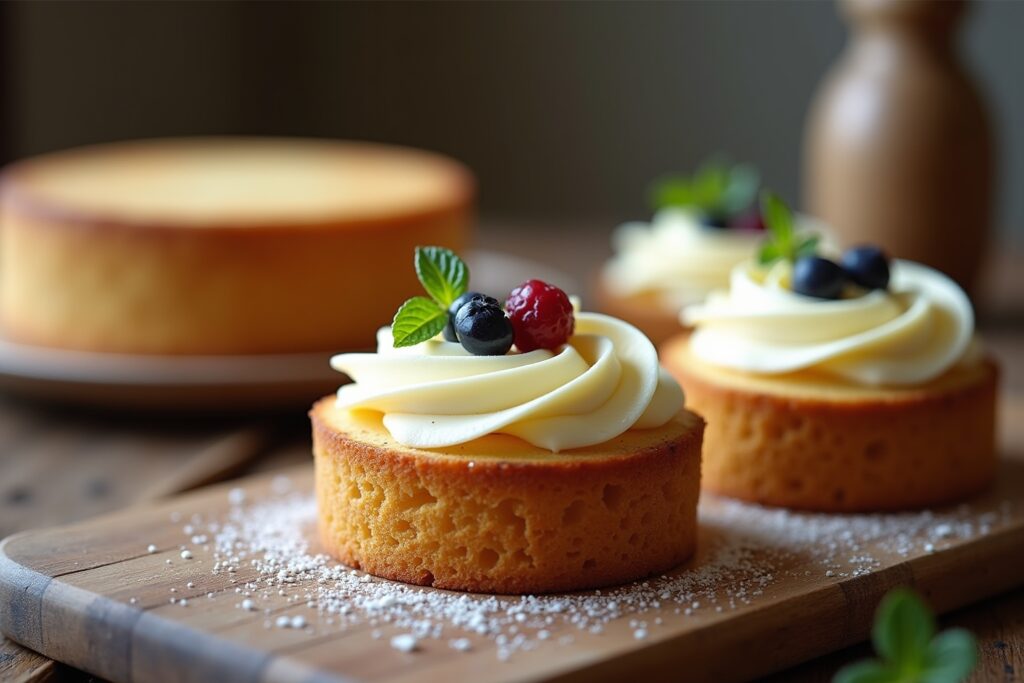
Finding the perfect vanilla cake recipe can elevate any celebration or simple afternoon tea. You’re looking for a moist, flavorful cake that’s universally loved, and this guide aims to equip you with the knowledge and resources to achieve just that.
These are the most popular Vanilla Cake Recipe products
Keine Produkte gefunden.Understanding the Essence of a Superior Vanilla Cake
The allure of a vanilla cake lies in its simplicity, yet achieving true excellence requires attention to detail. It’s not just about sugar, flour, eggs, and vanilla extract; it’s about the balance of ingredients, the method of preparation, and the quality of the components that culminate in a tender crumb and a rich, aromatic flavor. The “best” vanilla cake often refers to a recipe that consistently delivers on these fronts, satisfying diverse palates.
The Pillars of Vanilla Cake Perfection
Several key elements contribute to an outstanding vanilla cake. Understanding these will empower you to select and execute recipes with confidence:
- Quality of Vanilla: This is paramount. Opt for pure vanilla extract or, for an unparalleled depth of flavor, use vanilla bean paste or a scraped vanilla bean. Artificial vanilla extract can result in a one-dimensional, sometimes chemical taste.
- Fat Source: The type of fat used significantly impacts texture and flavor. Butter contributes a rich, creamy flavor and a tender crumb, while oil (like vegetable or canola oil) generally yields a moister cake with a longer shelf life, though it can lack the depth of butter. Many superior recipes use a combination for the best of both worlds.
- Flour Type and Measurement: Cake flour, with its lower protein content, is often preferred for cakes as it results in a more tender crumb. All-purpose flour can be used, but precise measurement is crucial. Using a kitchen scale for flour is the most accurate method to avoid a dense, dry cake.
- Leavening Agents: Baking soda and baking powder work in tandem or independently to provide lift. The correct ratio is essential for achieving the desired height and texture without a metallic aftertaste.
- Liquid Ingredients: Milk, buttermilk, or sour cream add moisture and contribute to the cake’s richness and tenderness. Buttermilk and sour cream, due to their acidity, react with baking soda to create a more tender crumb and a subtle tang.
- Eggs: Eggs provide structure, richness, and leavening. Using eggs at room temperature helps them emulsify better with other ingredients, leading to a smoother batter and a more even bake.
- Mixing Method: The creaming method (beating butter and sugar together until light and fluffy) incorporates air, which contributes to a lighter texture. The reverse creaming method (combining dry ingredients with fat first) can also yield excellent results, often resulting in a finer crumb. Overmixing after adding flour can develop gluten, leading to a tough cake.
Categorizing Top-Tier Vanilla Cake Recipes
The quest for the best vanilla cake can be approached through various recipe styles, each offering a unique textural and flavor profile. Here’s a breakdown of common categories that consistently produce outstanding results:
| Category | Key Characteristics | Ideal For | Flavor Profile Focus | Texture Focus |
|---|---|---|---|---|
| Classic Butter Vanilla Cake | Uses butter as the primary fat, resulting in a rich, buttery flavor and a tender, slightly crumbly texture. Often employs the creaming method. | Traditionalists, simple celebrations, those who appreciate buttery notes. | Pronounced buttery notes, well-balanced sweetness. | Tender, slightly crumbly, with a good structure. |
| Oil-Based Moist Vanilla Cake | Relies on vegetable or canola oil for supreme moisture and a soft, yielding crumb that stays moist for days. | Busy bakers, humid climates, cakes that need to hold up for events over several days. | Clean, pure vanilla flavor, less dominant richness. | Exceptionally moist, soft, and almost melt-in-your-mouth. |
| Buttermilk Vanilla Cake | Incorporates buttermilk, which reacts with leavening agents to create an incredibly tender crumb and a subtle tang that enhances the vanilla. | Anyone seeking a superior tender crumb and a slightly more complex flavor. | Bright, clean vanilla with a hint of tanginess. | Remarkably tender, fine crumb, very moist. |
| Vanilla Bean Cake | Features actual vanilla beans or vanilla bean paste, delivering intense, complex vanilla flavor with visible flecks. | Special occasions, connoisseurs of fine vanilla, those wanting a luxurious cake. | Deep, aromatic, nuanced vanilla flavor, often considered the most authentic. | Can vary but typically aims for a tender, delicate crumb. |
| Genoise or Sponge Cake | Employs whole eggs or separated eggs whipped to voluminous peaks, creating a light, airy cake with a delicate structure. Minimal fat. | Layer cakes requiring a sturdy yet light base, trifles, roulades. | Subtle sweetness, allowing other flavors (like fillings and frostings) to shine. | Light, airy, spongy, with a delicate chew. |
Mastering the Art of Vanilla Cake Baking: Essential Techniques
Beyond choosing the right recipe, implementing the correct techniques is crucial for consistently baking the best vanilla cakes. These steps are fundamental to achieving that desired texture and flavor.
Preparation is Key
- Room Temperature Ingredients: Ensure your butter, eggs, and dairy are at room temperature. This allows them to emulsify properly, creating a smooth batter and a more uniform bake. Cold ingredients can lead to a greasy or curdled batter.
- Accurate Measuring: As mentioned, weighing your ingredients, especially flour and sugar, is the most reliable method. If using volume measurements, spoon flour into the measuring cup and level off with a straight edge; do not scoop directly from the bag, as this compacts the flour.
- Proper Pan Preparation: Grease and flour your cake pans thoroughly, or line them with parchment paper. This prevents sticking and ensures your cakes release cleanly, maintaining their beautiful shape. For lighter cakes, some recipes call for greasing and flouring only the sides, leaving the bottom ungreased to allow the batter to cling and rise.
The Mixing Process
- The Creaming Method: This classic technique involves beating softened butter and sugar together until pale and fluffy, about 3-5 minutes with an electric mixer. This process incorporates air, which is vital for a light cake.
- Adding Eggs Gradually: Incorporate eggs one at a time, beating well after each addition. This ensures they are fully emulsified into the batter.
- Alternating Dry and Wet Ingredients: Typically, you’ll add about one-third of the dry ingredients to the butter mixture, mix until just combined, then add half of the liquid ingredients, mix, and repeat, ending with the dry ingredients. This method helps prevent gluten overdevelopment.
- Gentle Folding for Lightness: For recipes that call for whipped egg whites or delicate batters, use a spatula to gently fold ingredients together. Overmixing will deflate the batter, resulting in a dense cake.
- Avoid Overmixing: Once flour is added, mix only until just combined. A few streaks of flour are acceptable; they will disappear during baking. Overmixing develops gluten, leading to a tough, chewy cake.
Baking and Cooling
- Preheat Your Oven Accurately: Oven temperatures can vary. Using an oven thermometer ensures your oven is at the correct temperature for even baking.
- Bake Until Done: A cake is typically done when a wooden skewer or toothpick inserted into the center comes out clean or with a few moist crumbs attached. Avoid overbaking, which leads to a dry cake.
- Cooling Process: Allow the cake to cool in the pan on a wire rack for 10-15 minutes before inverting it onto the rack to cool completely. This prevents the cake from breaking when removed from the pan and stops the cooking process gradually.
Selecting the Finest Vanilla Extracts and Beans
The quality of your vanilla is arguably the most critical factor in achieving a truly exceptional vanilla cake. This is where you shouldn’t compromise.
- Pure Vanilla Extract: Look for extracts labeled “pure.” These are made from vanilla beans and alcohol. The quality can vary, so reputable brands are often a good indicator.
- Vanilla Bean Paste: This offers the intense flavor of vanilla beans with the convenience of extract. It contains vanilla bean specks, which add visual appeal and a richer flavor.
- Vanilla Beans: For the ultimate flavor experience, use a fresh vanilla bean. You can scrape the seeds (the tiny black specks) directly into your batter. Choose plump, oily beans, which indicate freshness and high vanillin content. Madagascar Bourbon vanilla beans are classic, while Tahitian vanilla beans offer a more floral, cherry-like aroma.
- Artificial Vanilla Extract (Avoid): Also known as vanillin, this is synthesized and lacks the complexity and depth of real vanilla. It can leave a chemical aftertaste.
Iconic Vanilla Cake Recipes You Should Explore
While personalized preference dictates the absolute “best,” certain recipes have stood the test of time and are widely celebrated for their reliability and delicious results. These often serve as excellent starting points for your own baking adventures.
- Alexandra’s Garden Vanilla Cake: Often cited for its incredibly tender crumb and perfect balance of vanilla and sweetness. This recipe typically uses cake flour and a combination of butter and oil for supreme moisture and flavor.
- Smitten Kitchen’s Vanilla Birthday Cake: Praised for its ease of preparation and consistently excellent results, this recipe is a go-to for many home bakers. It’s known for its fluffy texture and robust vanilla flavor.
- Claire Saffitz’s Vanilla Cake: Featured in her cookbook, this recipe emphasizes high-quality ingredients and precise technique, resulting in a sophisticated and deeply flavored vanilla cake. It often involves a specific mixing method for optimal texture.
- Nigella Lawson’s Vanilla Cake: Known for her approachable yet delicious recipes, Nigella often features cakes that are both comforting and impressive. Her vanilla cake recipes usually focus on richness and straightforward execution.
- Joy the Baker’s Vanilla Cake: This blog often features recipes that are both beautiful and achievable. Her vanilla cake recipes are typically well-tested and yield moist, flavorful results perfect for any occasion.
Common Challenges and How to Overcome Them
Even with the best recipes, baking can present challenges. Here are common issues and their solutions:
- Dry Cake: This is often due to overbaking or inaccurate flour measurement. Always use an oven thermometer, check for doneness at the earliest suggested time, and consider weighing your flour.
- Dense Cake: Overmixing the batter after adding flour is a common culprit. Also, ensure your leavening agents (baking soda/powder) are fresh.
- Cake Sinks in the Middle: This can happen if the oven temperature is too low, if the cake is underbaked, or if there’s too much leavening. Ensure your oven is calibrated and follow recipe instructions precisely.
- Tough Texture: Overmixing the batter, especially after the flour is added, develops gluten and leads to a tough cake. Mix just until combined.
- Uneven Browning: This could be due to uneven oven heat. Rotate your cake pans halfway through baking if you notice one side is browning faster.
These are the latest Vanilla Cake Recipe products with the best ratings.
Keine Produkte gefunden.FAQ – Frequently Asked Questions about Die besten Vanillekuchen Rezepte
What is the difference between vanilla extract and vanilla bean paste?
Pure vanilla extract is a liquid solution made by steeping vanilla beans in alcohol and water. Vanilla bean paste is a thicker, syrupy product that contains vanilla bean seeds (the tiny black specks), offering a more intense, visual, and nuanced vanilla flavor compared to extract.
Can I substitute oil for butter in a vanilla cake recipe?
Yes, you can often substitute oil for butter, and vice versa, but it will affect the cake’s texture and flavor. Oil generally produces a moister cake with a finer crumb, while butter contributes a richer flavor and a slightly more tender, crumbly texture. If substituting oil for butter, you can typically use a 1:1 ratio, but some recipes may benefit from slightly less oil. If substituting butter for oil, you might need a little more butter to achieve similar moisture levels.
How can I ensure my vanilla cake is moist?
Several factors contribute to a moist vanilla cake: using oil or a combination of butter and oil, incorporating acidic liquids like buttermilk or sour cream, not overmixing the batter after adding flour, and importantly, not overbaking the cake. Checking for doneness with a toothpick at the earliest recommended time is crucial.
Why is my vanilla cake dry?
A dry vanilla cake is most commonly caused by overbaking, which evaporates too much moisture. Inaccurate flour measurement, leading to too much flour, can also result in a dry cake. Ensure you are using fresh ingredients and follow the recipe’s baking time closely, performing the toothpick test.
What is the best flour to use for vanilla cake?
For the most tender and delicate vanilla cake, cake flour is generally recommended due to its lower protein content. All-purpose flour can also be used, but it may result in a slightly denser cake. If using all-purpose flour, ensure you measure it accurately by weight or by spooning it into the measuring cup and leveling it off, rather than scooping.
How do I store vanilla cake to keep it fresh?
Once completely cooled, wrap the cake tightly in plastic wrap or store it in an airtight container at room temperature for up to 3 days. If the cake has frosting, especially cream cheese or whipped cream frosting, it’s best to store it in the refrigerator, but allow it to come to room temperature before serving for optimal flavor and texture.


