
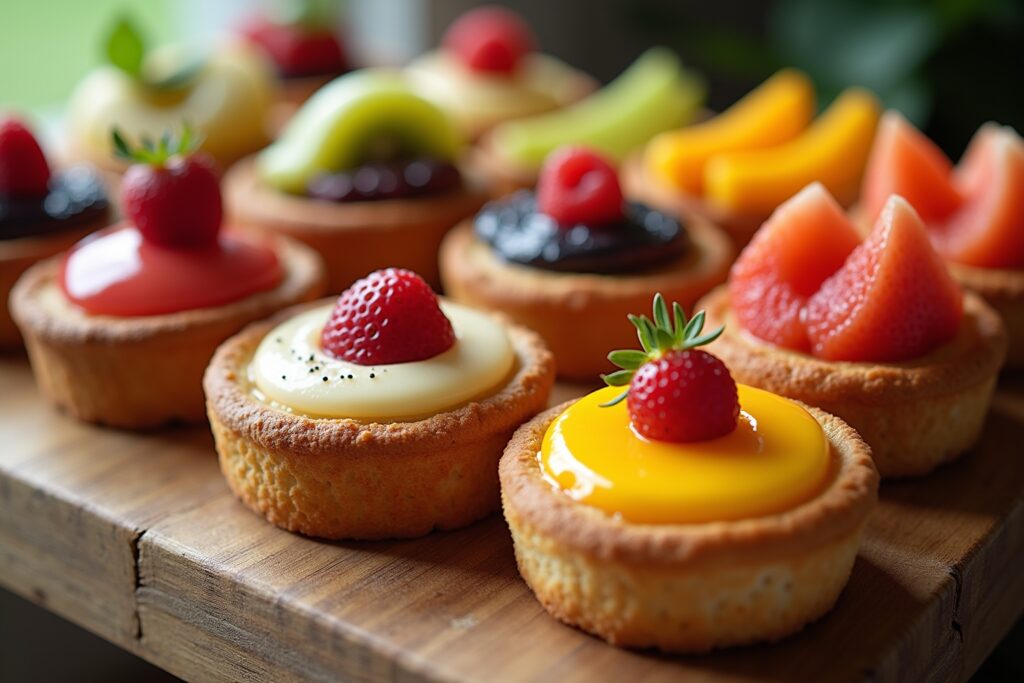
Elevate your baking repertoire with 17 exquisite fruit baking recipes designed to impress for any gathering, from intimate brunches to festive celebrations. You’ll discover how to transform seasonal produce into show-stopping desserts that are both delicious and visually appealing.
These are the most popular Fruit Baking products
Keine Produkte gefunden.The Versatility of Fruit in Baking
Fruit offers an unparalleled spectrum of flavors, textures, and colors, making it an indispensable ingredient for bakers. Its natural sweetness can reduce the need for added sugars, while its inherent acidity can balance richness and enhance other flavors. The diverse range of fruits available throughout the year means that your baking possibilities are virtually endless. From the tartness of berries to the tropical sweetness of mangoes, each fruit brings its unique character to baked goods.
Incorporating fruit into your baking goes beyond mere flavor enhancement; it adds moisture, depth, and a healthy dimension. This guide focuses on recipes that showcase the best of fruit, ensuring that whether you’re a novice or an experienced baker, you’ll find inspiration and achievable techniques to create memorable treats. We’ll explore how to select the right fruit for specific baked goods, manage moisture content, and achieve perfect textures.
17 Fruit Baking Recipes for Every Occasion
1. Classic Apple Crumble
A timeless favorite, the apple crumble is perfect for a comforting dessert after a Sunday roast or a cozy evening by the fire. The tartness of apples, like Granny Smith, pairs beautifully with a buttery, oat-based crumble topping. You can enhance the flavor with cinnamon, nutmeg, and a touch of lemon zest. Serve warm with vanilla ice cream or custard for ultimate indulgence.
2. Lemon Blueberry Scones
Ideal for a weekend brunch or an afternoon tea, these scones offer a delightful balance of citrusy brightness and sweet blueberries. The key to tender scones is not to overmix the dough. A simple glaze made with powdered sugar and lemon juice adds a final touch of sweetness and visual appeal.
3. Raspberry Almond Financiers
These elegant French cakes are small, rich, and packed with flavor. Traditionally made with browned butter and almond flour, they provide a wonderfully moist and nutty base for fresh raspberries. Their petite size makes them perfect for a dessert buffet or as a sophisticated end to a light meal.
4. Peach Cobbler with a Biscuit Topping
A quintessential summer dessert, peach cobbler is a crowd-pleaser. Ripe, juicy peaches form the base, baked under a tender biscuit topping that soaks up the delicious fruit juices. Adding a hint of ginger or cardamom can elevate the flavor profile.
5. Strawberry Rhubarb Pie
This iconic pairing offers a perfect harmony of sweet strawberries and tart rhubarb. The contrasting flavors create a dynamic filling that is both refreshing and satisfying. A flaky, buttery pie crust is essential to complement the vibrant filling.
6. Pear and Ginger Upside-Down Cake
A sophisticated yet simple cake, this recipe features tender pear slices caramelized in brown sugar and butter at the bottom of the pan. The addition of ginger adds a warming spice that complements the sweetness of the pears beautifully. It’s a stunning dessert for any dinner party.
7. Mixed Berry Galette
A rustic and forgiving dessert, the galette is a free-form tart that requires no special pie dish. A mix of your favorite berries—strawberries, blueberries, raspberries, blackberries—create a bursting flavor. The slightly imperfect, folded crust adds to its charm and is perfect for casual entertaining.
8. Cherry Clafoutis
This traditional French dessert is a simple batter poured over whole cherries and baked until puffed and golden. The cherries release their juices, creating pockets of intense flavor within the custardy batter. It’s a wonderfully rustic and satisfying dessert, best served warm.
9. Fig and Goat Cheese Tartlets
For a more savory-sweet option, these tartlets are a sophisticated appetizer or light dessert. Fresh figs are paired with creamy goat cheese on a flaky pastry base, often with a drizzle of honey. The combination is elegant and surprisingly addictive.
10. Pineapple Coconut Upside-Down Cake
A tropical twist on the classic, this cake features caramelized pineapple rings and a rich coconut batter. The flavors of pineapple and coconut evoke a sense of a beachside vacation, making it perfect for summer gatherings or celebrations.
11. Cranberry Orange Bread
This moist and flavorful quick bread is perfect for holiday seasons but delicious year-round. The tartness of cranberries and the zest of oranges create a vibrant flavor combination that is both festive and comforting. It’s excellent for breakfast, as a snack, or served with a dollop of cream cheese.
12. Mango Sticky Rice Pudding
While often served as a standalone dessert, a creamy mango sticky rice pudding can be incorporated into baked goods. Imagine a rice pudding base infused with coconut milk and cardamom, topped with fresh mango and a delicate crumb topping, then briefly baked. This offers a unique fusion of textures and tropical flavors.
13. Spiced Plum Cake
Plums, when baked, develop a wonderful sweetness and a slightly jammy texture. This cake, infused with warming spices like cinnamon, cloves, and allspice, is perfect for autumn. The deep, rich flavors make it a sophisticated dessert for any special occasion.
14. Grape and Rosemary Focaccia (Sweet Version)
While focaccia is typically savory, a sweet variation can be surprisingly delightful. Imagine a soft, olive oil-infused dough studded with sweet grapes and a hint of rosemary. A light dusting of sugar before baking caramelizes the grapes, creating little bursts of sweetness. This is a unique offering for a brunch or a light dessert.
15. Passion Fruit Meringue Pie
The intensely tart and exotic flavor of passion fruit makes for a show-stopping meringue pie. A crisp pastry shell holds a tangy passion fruit curd, all topped with swirls of fluffy, toasted meringue. It’s a bright and flavorful dessert that is sure to impress.
16. Baked Apples with Cinnamon and Walnuts
A simple yet incredibly satisfying dessert, whole apples are cored and filled with a mixture of butter, brown sugar, cinnamon, and chopped walnuts. Baked until tender, they offer a warm, spiced, and naturally sweet treat. This is a perfect individual dessert for a quiet evening.
17. Apricot and Pistachio Frangipane Tart
This elegant tart combines a layer of sweet frangipane (almond cream) with the slightly tart flavor of apricots, studded with the crunchy texture of pistachios. The result is a beautiful and flavorful tart that works wonderfully for celebrations or as a refined dessert.
Key Considerations for Fruit Baking
When embarking on your fruit baking adventures, understanding a few key principles will elevate your results. The choice of fruit is paramount, as its ripeness, water content, and flavor profile will significantly impact the final dish. For pies and tarts, firmer fruits like apples and pears hold their shape better. Softer berries are excellent for crumbles and quick breads, while citrus fruits lend their zest and juice to a wide array of recipes.
Moisture management is crucial. Fruits, especially when ripe, release a considerable amount of liquid during baking. This can lead to soggy bottoms in pies and tarts, or overly wet cakes. Techniques like pre-cooking fruit slightly, draining excess juices, or using a thickening agent such as cornstarch or flour can help control moisture. For pies, a blind-baked crust can also prevent a soggy base.
The balance of sweetness and acidity is another vital aspect. Many fruits offer natural sweetness, but their tartness is what often provides complexity. Pairing a sweet fruit with a tart one, or using ingredients like lemon juice or vinegar, can create a more nuanced flavor profile. Conversely, if your fruit is very tart, you may need to adjust the sugar content in your recipe accordingly. Understanding the intrinsic properties of each fruit is your guide to achieving perfect results.
Baking Fruit for Optimal Texture and Flavor
The method of preparing fruit before baking can dramatically influence the outcome. For instance, apples and pears can be sliced, diced, or even grated, each method affecting how they meld into the final product. Sliced fruits tend to retain more of their individual shape and texture, while diced or grated fruits distribute more evenly and break down more readily. Consider the desired final texture when deciding on your fruit’s preparation.
Roasting or pre-cooking certain fruits can concentrate their flavors and soften them, which is beneficial for recipes where you want a smoother fruit component. For example, roasting berries before adding them to a cake batter can prevent them from bursting excessively and coloring the batter too intensely, while intensifying their sweetness. Similarly, caramelizing stone fruits like peaches or plums in butter and sugar before incorporating them into a tart or cake adds a depth of flavor and a beautiful sheen.
The addition of spices and flavorings plays a critical role in harmonizing with the fruit’s natural taste. Cinnamon, nutmeg, cardamom, ginger, and cloves are classic partners for many fruits, especially apples, pears, and plums. Citrus zest—lemon, lime, or orange—adds a bright, aromatic lift that can cut through sweetness and enhance the fruit’s inherent flavors. Herbs like rosemary or thyme can also offer unexpected but delightful savory counterpoints to sweet fruits, particularly in tarts and rustic bakes.
Fruit Selection for Different Occasions
The season and occasion often dictate the ideal fruit choices. Spring and early summer call for the vibrant tartness of berries, rhubarb, and the first strawberries, perfect for light pastries and brunch items. Mid-summer bursts with the sweetness of peaches, nectarines, cherries, and apricots, lending themselves to cobblers, pies, and vibrant fruit salads incorporated into cakes.
As autumn approaches, pears, apples, and plums come into their own. These fruits are ideal for hearty crumbles, spiced cakes, and warming pies. Their robust flavors pair wonderfully with autumnal spices. Winter fruits, though fewer in variety, offer unique possibilities. Citrus fruits like oranges and lemons are abundant and provide brightness. Cranberries offer a distinct tartness perfect for festive breads and desserts. Baked apples remain a comforting classic throughout the colder months.
For celebrations and formal events, consider fruits that offer a sophisticated presentation or exotic flair, such as figs, passion fruit, or mangoes. These can be transformed into elegant tarts, pies, or infused into mousses and cakes. For casual gatherings and everyday enjoyment, readily available fruits like bananas, blueberries, and apples are often the most practical and universally loved choices.
| Fruit Type | Best For | Flavor Profile | Texture Impact | Occasion Suitability |
|---|---|---|---|---|
| Berries (Strawberries, Blueberries, Raspberries) | Pies, Crumbles, Muffins, Scones, Galettes | Sweet to Tart, Vibrant | Soft, Juicy, Can become mushy if overcooked | Brunch, Summer Gatherings, Afternoon Tea |
| Apples & Pears | Pies, Crumbles, Cakes, Baked Goods | Sweet to Tart, Aromatic | Firm, Hold shape well when baked, Soften to tender | All Seasons, Comforting Desserts, Autumnal Bakes |
| Stone Fruits (Peaches, Plums, Cherries, Apricots) | Cobblers, Tarts, Cakes, Pies | Sweet, Juicy, Some tartness | Soft, Can become very juicy, Caramelize well | Summer Celebrations, Picnics, Elegant Desserts |
| Citrus (Oranges, Lemons, Limes) | Meringue Pies, Cakes, Glazes, Zest in various bakes | Tart, Zesty, Aromatic | Juice adds moisture and tang, Zest adds fragrance | Brightening Flavors, All Occasions, Festive Bakes |
| Tropical Fruits (Pineapple, Mango, Passion Fruit) | Upside-Down Cakes, Tarts, Pies, Puddings | Sweet, Tangy, Exotic | Juicy, Can be fibrous (mango), Caramelize well | Summer Parties, Tropical Themes, Special Occasions |
Tips for Perfecting Your Fruit Baking
To achieve professional-quality fruit bakes, consider these refined tips. Always use fresh, in-season fruit for the best flavor and texture. If using frozen fruit, ensure it’s completely thawed and well-drained, as excess moisture can ruin your bake. For pies and tarts, consider adding a small amount of flour or cornstarch to the fruit filling to absorb any excess liquid and prevent a watery result.
When it comes to crusts, whether for pies, tarts, or galettes, chilling the dough thoroughly is key to achieving flakiness. Overworking the dough will develop gluten, resulting in a tough crust. For crumbles, the topping can be enhanced with nuts, seeds, or different types of flour for added texture and flavor. Don’t be afraid to experiment with spice combinations; a pinch of cardamom in an apple crumble or a hint of ginger in a peach cobbler can add a delightful surprise.
For cakes and quick breads, ensure your fruit is cut into uniform pieces so it bakes evenly. If incorporating large pieces of fruit, gently fold them into the batter to avoid damaging them. For upside-down cakes, a well-caramelized fruit layer is essential; ensure the sugar and butter mixture is bubbling and fragrant before arranging the fruit. Finally, allow most baked goods to cool slightly before serving, as flavors continue to meld and set.
These are the latest Fruit Baking products with the best ratings.
Keine Produkte gefunden.FAQ – Frequently Asked Questions about 17 Fruit Baking Recipes for All Occasions
What is the best fruit to use for baking a pie?
For pies, apples like Granny Smith or Honeycrisp are excellent due to their firm texture and balanced sweet-tart flavor. Pears, especially Anjou or Bartlett, also hold their shape well. For berry pies, a mix of strawberries and rhubarb is classic, offering both sweetness and tartness. Ensure fruits are not overly ripe to avoid excessive liquid release.
How do I prevent my fruit pie from having a soggy bottom?
Several methods can help. Ensure your bottom crust is well-chilled before filling and baking. Blind baking the crust partially before adding the filling is highly effective. You can also add a thin layer of breadcrumbs, crushed cookies, or a sprinkle of flour or cornstarch directly onto the bottom crust before adding the fruit to absorb moisture. Ensure your oven temperature is high enough at the start of baking to crisp the bottom crust.
Can I use frozen fruit in these recipes?
Yes, you can generally use frozen fruit, but it requires some preparation. Thaw the frozen fruit completely and drain off any excess liquid thoroughly before incorporating it into your recipe. This is especially crucial for pies, tarts, and cakes to prevent them from becoming too wet. Frozen berries might be suitable for crumbles without thawing, but adjust baking time if needed.
How do I know when my fruit bake is done?
The doneness of fruit bakes varies by recipe. For pies and tarts, look for a bubbling filling and a golden-brown crust. Cakes and crumbles should have a golden exterior, and a skewer inserted into the center should come out clean (or with moist crumbs, depending on the recipe). Baked fruits like apples should be tender when pierced with a fork.
What are some good fruit combinations for baking?
Classic combinations include apple and cinnamon, pear and ginger, strawberry and rhubarb, cherry and almond, and peach and cardamom. For more adventurous pairings, consider fig and rosemary, plum and star anise, or passion fruit and coconut. The key is to balance sweet and tart flavors and complement them with appropriate spices.
How can I make my fruit bake more flavorful?
Enhance flavor by adding spices like cinnamon, nutmeg, cloves, or ginger, citrus zest (lemon, lime, orange), a splash of vanilla extract, or a touch of complementary liqueur (like Grand Marnier for orange or Kirsch for cherry). Browning butter for your crumble topping or tart crust also adds a rich, nutty depth of flavor. Toasting nuts that are incorporated into fillings or toppings can also boost their flavor profile.


