
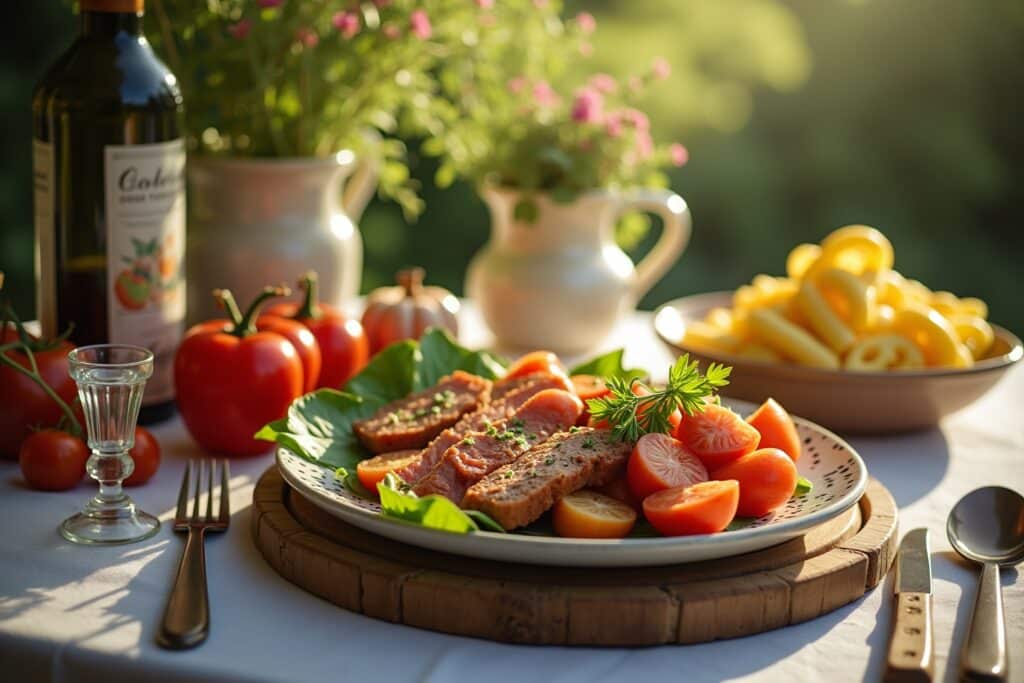
Elevate your weeknights with vibrant and healthy Mediterranean dinner recipes that promise deliciousness without the fuss. Discover how incorporating fresh vegetables, lean proteins, and aromatic herbs can transform your evening meals into culinary adventures that nourish your body and delight your senses.
These are the most popular Mediterranean cookbook products
Keine Produkte gefunden.The Heart of Mediterranean Cuisine: Key Ingredients and Principles
Mediterranean cooking is celebrated globally for its emphasis on fresh, seasonal ingredients and its inherent health benefits. At its core, this culinary style is characterized by the abundant use of olive oil as the primary fat, a rich variety of vegetables like tomatoes, bell peppers, zucchini, and eggplant, and a generous inclusion of legumes, whole grains, and nuts. Fresh herbs such as basil, oregano, mint, and parsley are indispensable for infusing dishes with authentic flavor. Fish and poultry are favored over red meat, and dairy products like feta and yogurt play a significant role in many regional variations. The philosophy extends beyond mere ingredients; it’s about a lifestyle that values fresh, minimally processed foods, shared meals, and a connection to the land.
Olive Oil: The Golden Elixir
Extra virgin olive oil is more than just a cooking medium in Mediterranean cuisine; it’s a foundational element. Rich in monounsaturated fats and antioxidants, it contributes to heart health and provides a distinct fruity or peppery flavor profile. You’ll find it used generously for sautéing, dressing salads, drizzling over finished dishes, and even as a dipping sauce for crusty bread.
Vegetable Abundance: A Rainbow on Your Plate
The Mediterranean diet is a vegetable lover’s paradise. From the sun-ripened sweetness of tomatoes and the earthy depth of eggplant to the crispness of bell peppers and the subtle bitterness of zucchini, these vegetables form the backbone of countless recipes. Roasting, grilling, or simply enjoying them raw in salads brings out their natural flavors and textures.
Legumes and Grains: Filling and Wholesome
Lentils, chickpeas, beans, and whole grains like farro and quinoa are staples that provide sustained energy and essential nutrients. They are often featured in hearty stews, vibrant salads, or as a side dish, offering a satisfying and fiber-rich component to your meals.
Herbs and Spices: Nature’s Flavor Enhancers
The aromatic power of fresh herbs is paramount. Basil, oregano, rosemary, thyme, mint, and parsley are used liberally to brighten flavors and add complexity to dishes. Spices like cumin, coriander, and paprika also play a role, particularly in North African and Middle Eastern influences within the broader Mediterranean sphere.
Effortless Mediterranean Dinner Recipes for Busy Evenings
You don’t need hours in the kitchen to enjoy the delights of Mediterranean cooking. These recipes are designed for practicality and speed, ensuring you can bring healthy and delicious meals to your table even on the busiest nights.
Sheet Pan Lemon Herb Chicken and Roasted Vegetables
This is a weeknight warrior’s dream. Toss chicken pieces (thighs or breasts) with chopped broccoli florets, bell pepper strips, red onion wedges, and cherry tomatoes on a baking sheet. Drizzle generously with olive oil, lemon juice, and a blend of dried oregano, thyme, and rosemary. Season with salt and pepper. Roast at 400°F (200°C) for 25-30 minutes, or until the chicken is cooked through and the vegetables are tender and slightly caramelized. The beauty lies in its minimal cleanup and maximum flavor.
Quick Chickpea and Spinach Stew
A hearty vegetarian option that comes together in under 30 minutes. Sauté minced garlic and onion in olive oil. Add a can of drained and rinsed chickpeas, a can of diced tomatoes, a cup of vegetable broth, and a generous handful of fresh spinach. Season with cumin, smoked paprika, and a pinch of red pepper flakes. Simmer until the spinach wilts and the flavors meld. Serve with a dollop of Greek yogurt or a sprinkle of feta cheese.
Speedy Salmon with Asparagus and Lemon-Dill Sauce
Salmon is a fantastic source of omega-3 fatty acids and cooks quickly. Place salmon fillets on a baking sheet alongside asparagus spears. Drizzle with olive oil, season with salt and pepper. Bake at 400°F (200°C) for 12-15 minutes, depending on thickness. While the salmon bakes, whisk together Greek yogurt, fresh dill, lemon zest, lemon juice, and a touch of garlic powder for a simple, bright sauce. Serve the sauce over the cooked salmon and asparagus.
Mediterranean Quinoa Bowls
These bowls are incredibly versatile and can be customized with your favorite ingredients. Start with a base of cooked quinoa. Top with a medley of chopped cucumber, tomatoes, Kalamata olives, red onion, and crumbled feta cheese. Add a protein like grilled chicken, shrimp, or cannellini beans. Drizzle with a lemon-tahini dressing or a simple olive oil and red wine vinegar vinaigrette. These bowls are excellent for meal prep as well.
Exploring Regional Mediterranean Flavors
The Mediterranean region is vast, encompassing diverse culinary traditions that offer unique twists on shared principles. Exploring these regional variations can inspire your cooking and introduce you to exciting new dishes.
Greek Inspired Dishes
Think classic flavors like lemon, oregano, and feta. Moussaka, though often time-consuming, can be simplified for weeknights. A simpler approach involves Greek lemon chicken soup (Avgolemono), or a vibrant Greek salad with grilled halloumi. You’ll also find dishes like Spanakopita (spinach and feta pie) and Souvlaki are beloved for their fresh, zesty profiles.
Italian Coastal Cuisine
Focusing on the coastal areas of Italy, you’ll discover a strong emphasis on seafood, pasta, and fresh vegetables. Simple preparations like Aglio e Olio (garlic and oil pasta) with a side of grilled fish, or a Caprese salad are perfect examples. Seafood stews like Cioppino, although traditionally complex, can be adapted for quicker cooking.
North African Flavors: Morocco, Tunisia, Algeria
This area brings warm spices like cumin, coriander, cinnamon, and turmeric into play. Tagines, slow-cooked stews traditionally made in a conical clay pot, are a hallmark. For a quicker meal, consider a Moroccan-spiced lentil soup or a chickpea and vegetable stew with preserved lemon. Couscous is a common accompaniment.
Levantine Cuisine: Lebanon, Syria, Jordan, Palestine
This region is known for its mezze (small plates) culture, which is perfect for sharing. Hummus, baba ghanoush, tabbouleh, and falafel are iconic. For dinner, consider grilled kebabs, a hearty lentil soup (Adas bi Hamod – lentil soup with lemon), or stuffed vegetables like kibbeh.
Tips for Achieving Authentic Mediterranean Taste
Recreating the authentic flavors of the Mediterranean at home is more accessible than you might think. A few key considerations can elevate your dishes from good to exceptional.
- Use Quality Olive Oil: As mentioned, this is non-negotiable. Invest in a good quality extra virgin olive oil for the best flavor and health benefits.
- Embrace Fresh Herbs: Don’t shy away from using fresh herbs generously. They are the soul of Mediterranean cooking. If fresh aren’t available, use dried herbs sparingly, remembering that dried herbs are more potent than fresh.
- Balance Flavors: Mediterranean dishes often play with a balance of sweet, sour, salty, and savory. Lemon juice, vinegar, tomatoes, and olives all contribute to this complex flavor profile.
- Don’t Overcook Vegetables: The goal is often to have vegetables that are tender-crisp, retaining some of their natural texture and vibrant color.
- Roast or Grill for Depth: Roasting and grilling vegetables and proteins caramelize their natural sugars, adding a wonderful depth of flavor that simple boiling or steaming cannot achieve.
- Simple Preparations Shine: Often, the most delicious Mediterranean dishes rely on simple preparations that highlight the quality of the ingredients. Less is often more.
Health Benefits of a Mediterranean Diet-Inspired Dinner
Adopting a Mediterranean-style approach to your dinners offers a wealth of health advantages, supported by extensive scientific research. This dietary pattern is consistently linked to improved cardiovascular health, better weight management, and a reduced risk of chronic diseases.
| Health Benefit | Key Contributing Factors | Description |
|---|---|---|
| Cardiovascular Health | Olive Oil, Fish, Nuts, Fruits & Vegetables | The high content of monounsaturated fats from olive oil, omega-3 fatty acids from fish, and antioxidants from plant-based foods helps reduce inflammation, lower bad cholesterol (LDL), and improve blood pressure. |
| Weight Management | Fiber-rich Foods (Vegetables, Legumes, Whole Grains), Lean Proteins | The emphasis on fiber and lean protein promotes satiety, helping you feel fuller for longer and reducing overall calorie intake. The focus on nutrient-dense foods also supports a healthy metabolism. |
| Reduced Risk of Type 2 Diabetes | Whole Grains, Legumes, Non-starchy Vegetables | The slow release of glucose from complex carbohydrates and high fiber content helps regulate blood sugar levels, improving insulin sensitivity and lowering the risk of developing type 2 diabetes. |
| Anti-inflammatory Properties | Olive Oil, Fruits, Vegetables, Herbs & Spices | Abundant antioxidants and phytonutrients found in fresh produce, olive oil, and herbs combat oxidative stress and inflammation, which are underlying factors in many chronic diseases. |
| Cognitive Function | Omega-3 Fatty Acids, Antioxidants | The healthy fats and antioxidants are beneficial for brain health, potentially improving cognitive function and reducing the risk of neurodegenerative diseases. |
Frequently Asked Questions about Köstliche Mediterranean Dinner Recipes
What are the core components of Mediterranean cuisine?
The core components of Mediterranean cuisine include abundant fresh vegetables, fruits, whole grains, legumes, nuts, seeds, and olive oil as the primary source of fat. Fish and poultry are preferred over red meat, and dairy products like yogurt and cheese are consumed in moderation. Fresh herbs and spices are essential for flavoring.
Are Mediterranean dinner recipes time-consuming to prepare?
Not at all! While some traditional dishes can be elaborate, many Mediterranean dinner recipes are designed for quick and easy preparation. Sheet pan dinners, simple grilled dishes, hearty stews, and vibrant grain bowls can all be made in under an hour, making them perfect for weeknights.
Can I adapt these recipes for dietary restrictions?
Absolutely. Mediterranean cuisine is naturally adaptable. For gluten-free options, opt for quinoa, rice, or gluten-free pasta. For vegetarian or vegan diets, focus on legumes, tofu, and a wide array of vegetables. Many recipes can be modified by swapping proteins or using plant-based alternatives for dairy.
What is the role of olive oil in Mediterranean cooking?
Olive oil is fundamental. It’s used for cooking, dressing, and finishing dishes, providing healthy monounsaturated fats, antioxidants, and a distinct flavor. Extra virgin olive oil is preferred for its superior taste and health benefits.
How can I incorporate more Mediterranean flavors into my diet?
Start by focusing on fresh, seasonal ingredients. Experiment with olive oil, lemon, garlic, and fresh herbs. Incorporate more vegetables, legumes, and whole grains into your meals. Don’t be afraid to try new spices and explore regional variations like Greek, Italian, or North African influences.
Are these recipes healthy for everyday consumption?
Yes, Mediterranean dinner recipes are renowned for their health benefits and are excellent for everyday consumption. They are rich in nutrients, fiber, healthy fats, and antioxidants, contributing to overall well-being and reducing the risk of chronic diseases.
What are some common herbs and spices used in Mediterranean cooking?
Common herbs include basil, oregano, rosemary, thyme, mint, parsley, and dill. Spices that feature prominently, especially in North African and Eastern Mediterranean variations, include cumin, coriander, paprika, cinnamon, and turmeric.


