
Master the Oven: Exceptional Roasting Recipes and Professional Equipment
Transform simple ingredients into spectacular centerpieces with our exceptional roasting recipes. Roasting builds deep flavors through dry heat and caramelization. To achieve that perfect crispy exterior and tender inside, you need more than just good ingredients. Equip your kitchen with professional roasting pans, precision thermometers, and premium spices. Explore our collection and discover the tools that guarantee absolute perfection for your next Sunday roast.
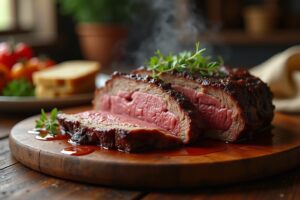
14 Delicious Chuck Roast Recipes
Unlock amazing chuck roast recipes. You'll master flavorful dishes! Get your perfect meal ideas and...
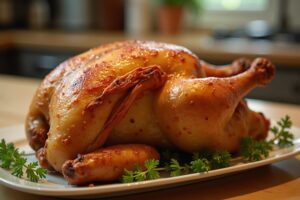
16 Easy Rotisserie Chicken Recipes
Craving perfect rotisserie chicken? Get amazing recipes. Learn to make juicy, flavorful chicken your family...
These are the most popular Roasting Recipes products
Keine Produkte gefunden.The Foundation of Flavor: Investing in Heavy-Duty Roasting Pans
The success of any roasting recipe fundamentally depends on the vessel you choose to cook it in. Many home cooks attempt to roast heavy poultry or large cuts of beef in thin, disposable aluminum trays or cheap, lightweight baking pans. This is a critical error. Thin materials cannot distribute heat evenly, leading to scorched drippings and unevenly cooked meat. The drippings left at the bottom of your pan are culinary gold, forming the base of rich, deeply flavorful gravies and pan sauces. If your pan is too thin, those delicate juices will burn into bitter ash long before your roast is finished cooking.
To master the art of roasting, upgrading to a heavy-duty, professional-grade roasting pan is an absolute necessity. A premium multi-ply stainless steel roasting pan offers superior thermal conductivity. It absorbs the intense heat of the oven and distributes it evenly across the entire surface, ensuring that your root vegetables caramelize perfectly while your meat cooks steadily. Furthermore, high-quality roasting pans are designed to transition seamlessly from the oven directly to your stovetop. This allows you to deglaze the pan with wine or broth over an open flame, scraping up every last bit of flavor without the pan warping or buckling under the sudden temperature change.
When you browse our curated selection of professional roasting equipment, pay close attention to the handle design. A twenty-pound holiday turkey combined with heavy cast iron or multi-ply steel is incredibly heavy. You need a pan with robust, riveted, upright handles that allow for a secure, confident grip even when you are wearing thick silicone oven mitts. Investing in a top-tier roasting pan is a lifetime commitment to better meals, transforming stressful holiday cooking into a smooth, deeply rewarding culinary experience.
Comparing Roasting Pan Materials
| Material Type | Heat Distribution | Key Culinary Benefits | Required Maintenance |
|---|---|---|---|
| Multi-Ply Stainless Steel | Excellent and Highly Responsive | Non-reactive surface, perfect for deglazing with acidic wines. Will not warp on the stovetop. | Dishwasher safe, but hand washing with a gentle abrasive powder maintains the brilliant shine. |
| Heavy Cast Iron | Unmatched Heat Retention | Creates incredible crusts on meats. Retains heat to keep food warm at the dining table. | Requires strict hand washing, immediate drying, and regular oil seasoning to prevent rust. |
| Enameled Cast Iron | Very Good Heat Retention | Beautiful presentation, entirely non-reactive, no seasoning needed. Perfect for slow roasting. | Hand wash recommended. Avoid using metal utensils that could chip the protective enamel coating. |
| Carbon Steel | Fast and Responsive | Lighter than cast iron but offers similar searing capabilities. Darkens beautifully over time. | Must be seasoned regularly. Wipe clean with a paper towel and keep absolutely dry. |
Precision is Everything: The Critical Role of Meat Thermometers
There is perhaps nothing more intimidating in the kitchen than carving into an expensive prime rib roast, surrounded by expectant guests, only to discover the center is completely raw or terribly overcooked. Cooking times provided in roasting recipes are strictly guidelines, not guarantees. Variables such as the starting temperature of the meat, the exact calibration of your home oven, and the specific shape of the cut all drastically alter the required cooking time. Relying on the old method of poking the meat or cutting a slit to check the color guarantees dry, ruined dinners and lost flavor juices.
The only scientifically accurate way to guarantee perfection is by measuring the internal temperature. An instant-read digital probe thermometer is the most vital tool in any serious cook’s arsenal. By inserting a high-quality, ultra-fast probe into the thickest part of the meat, you gain an exact temperature reading in under two seconds. This allows you to pull the meat from the oven at the precise moment it reaches your desired doneness. For even greater control during long roasting sessions, wireless leave-in thermometers are revolutionary. These smart devices monitor the internal temperature continuously and send alerts directly to your smartphone, freeing you to focus on preparing side dishes or entertaining your guests.
Understanding carryover cooking is another crucial reason to use a precise thermometer. When you remove a large roast from an oven running at four hundred degrees, the intense heat trapped in the outer layers of the meat continues to travel inward. A large beef roast can rise an additional ten to fifteen degrees in internal temperature while resting on the cutting board. By utilizing our professional-grade digital thermometers, you can calculate this carryover effect perfectly, pulling the meat from the oven exactly ten degrees before your target temperature. Eliminate the anxiety of undercooking and browse our collection of precision temperature tools.
Internal Temperature Guide for Perfect Roasts
- Beef (Medium Rare): Pull from the oven at 125 degrees Fahrenheit. It will rest up to a perfect 135 degrees, yielding a warm, incredibly juicy red center.
- Beef (Medium): Pull at 135 degrees Fahrenheit. It will rest to 145 degrees, offering a firm texture with a warm pink center.
- Whole Poultry: Pull at 155 degrees Fahrenheit in the deepest part of the breast. It will safely rest up to 165 degrees, ensuring the white meat remains succulent rather than chalky.
- Pork Loin: Pull at 135 degrees Fahrenheit. Resting brings it to 145 degrees. Modern premium pork is exceptionally tender when served with a slight blush of pink.
- Lamb (Medium Rare): Pull at 130 degrees Fahrenheit. The resting period brings it up to 140 degrees, perfect for a tender, flavorful leg of lamb.
Elevating the Crust: Racks, Basting Tools, and Flavor Injectors
Achieving a deeply browned, crackling crust is the ultimate goal of any roasting recipe. However, many home cooks struggle with soggy bottoms on their poultry and meats. When a heavy roast sits directly on the flat bottom of a pan, the lower half braises in its own rendered fat and juices rather than roasting in dry heat. To achieve three-hundred-and-sixty-degree air circulation, elevating your meat is absolutely essential. A heavy-duty, stainless steel V-rack fits securely inside your roasting pan, lifting the meat high above the liquid. This simple addition ensures the heat wraps entirely around the food, crisping the skin evenly while allowing the delicious fat to drip down and flavor the root vegetables roasting below.
Creating an irresistible exterior also requires active flavor management during the cooking process. Basting is a classic technique where pan juices, melted butter, or specialized glazes are periodically brushed over the roasting meat. This process slows down the evaporation of moisture from the surface and builds a beautiful, lacquered finish. Flimsy, shedding pastry brushes will ruin this experience. Upgrade your kitchen with our premium, heat-resistant silicone basting brushes. They hold thick glazes perfectly, distribute liquids evenly, and can be sanitized effortlessly in the dishwasher without retaining odors or bacteria.
For large, thick cuts of meat like whole turkeys or giant pork shoulders, surface flavor is not enough. The center of these massive cuts can often turn out bland regardless of how much salt you rub on the exterior. To inject deep, intense flavor directly into the muscle fibers, a professional stainless steel flavor injector is required. By injecting seasoned broths, melted garlic butter, or apple cider marinades deep into the meat before roasting, you guarantee every single bite is incredibly moist and bursting with gourmet flavor. Equip yourself with our premium basting and injecting kits to master the full spectrum of flavor.
The Art of the Carve: Professional Knives and Heavy Boards
The cooking process does not end when the meat leaves the oven; presentation is a vital component of the culinary experience. Carving a beautiful roast at the dining table is a time-honored tradition that demands respect and the proper tools. Attempting to slice a delicate prime rib or a perfectly rested turkey breast with a dull, short chef knife will result in jagged, torn meat that completely ruins the visual appeal of your hard work. To honor your ingredients, you need a specialized carving set.
A professional carving knife is distinct from standard kitchen knives. It features an exceptionally long, narrow, and thin blade. This specialized geometry reduces friction, allowing the blade to glide smoothly through large cuts of meat in a single, continuous drawing motion rather than a destructive sawing action. Many of our premium carving knives feature a Granton edge, composed of small dimples along the side of the blade that create air pockets, preventing the meat from sticking to the steel. Paired with a forged stainless steel carving fork to securely anchor the roast without crushing it, you will serve perfectly uniform, visually stunning slices to your guests.
Equally critical to the carving process is your cutting surface. Thin plastic boards slip on countertops and lack the necessary features for roasted meats. When you carve a properly rested, juicy roast, a significant amount of liquid will be released. A heavy, end-grain walnut or maple cutting board equipped with a deep perimeter juice trench is essential. The heavy wood protects the razor-sharp edge of your carving knife, while the deep trench catches every drop of savory juice, preventing messy spills on your counters and allowing you to collect those juices to pour back over the sliced meat. Discover our luxurious carving sets and artisanal wooden boards to complete your roasting arsenal.
Steps for Flawless Carving and Presentation
- The Mandatory Rest: Never carve meat straight from the oven. Allow large roasts to rest for at least twenty to thirty minutes under a loose tent of aluminum foil. This allows the violently boiling juices to calm down and redistribute evenly through the muscle fibers.
- Secure the Board: Place a damp kitchen towel underneath your heavy wooden cutting board to ensure it remains entirely stationary while you work with a sharp knife.
- Anchor the Meat: Use a long-tined carving fork to hold the meat securely in place. Do not push the fork too deep, or you risk squeezing out the precious juices.
- Slice Against the Grain: Identify the direction of the muscle fibers. Always slice perpendicular to these lines. Cutting against the grain shortens the muscle fibers, resulting in meat that is incredibly tender and easy to chew.
- Serve on Warmed Plates: Meat cools rapidly once sliced. Ensure your serving platter and dining plates are gently warmed in the oven prior to serving to preserve the perfect eating temperature.
Roasting Vegetables: Achieving the Perfect Caramelization
While meat often takes center stage, roasted vegetables are the secret to a fully balanced, spectacular meal. Roasting transforms bitter, hard root vegetables into sweet, tender morsels with beautifully charred, crispy edges. However, perfectly caramelized vegetables require their own specific set of tools and techniques. The most common mistake home cooks make is overcrowding the pan. When vegetables are piled on top of each other, they release steam. Instead of roasting in dry heat, they boil in their own moisture, resulting in a mushy, unappetizing texture.
To avoid this, you must give your ingredients plenty of space. Upgrading to heavy-gauge aluminized steel half-sheet pans is the solution. These professional bakery-grade trays provide a massive surface area, allowing you to spread your diced potatoes, carrots, and Brussels sprouts out in a single, uncrowded layer. Furthermore, cheap, thin baking sheets warp violently at high roasting temperatures, creating uneven surfaces where oil pools and burns. Our heavy-duty baking sheets feature reinforced rolled steel rims that guarantee they will stay perfectly flat even at five hundred degrees.
The final element of spectacular roasted vegetables is the fat and seasoning. Standard vegetable oils offer no flavor. To elevate your side dishes, toss your vegetables generously in premium, cold-pressed extra virgin olive oil. The robust, peppery notes of a high-quality olive oil infuse the vegetables deeply as they roast. Finish the dish the moment it comes out of the oven with a sprinkle of hand-harvested flaky sea salt and freshly cracked black pepper from a precision spice mill. The crunch of premium sea salt against the tender, sweet vegetables is an extraordinary culinary delight. Browse our artisanal pantry section to find the perfect gourmet oils and salts for your kitchen.
Premium Oils and Seasonings for Vegetable Roasting
| Ingredient | Best Paired With | Flavor Enhancement Profile |
|---|---|---|
| Extra Virgin Olive Oil | Tomatoes, Zucchini, Bell Peppers, Eggplant. | Adds rich, grassy, and slightly peppery notes. Best applied before and after roasting. |
| Avocado Oil | Potatoes, Carrots, High-heat Crisping. | Very high smoke point ensures perfect crispness without burning. Mild, buttery flavor. |
| Aged Balsamic Glaze | Brussels Sprouts, Beets, Red Onions. | Drizzled on immediately after roasting to add deep, sweet, and tangy acidity. |
| Smoked Sweet Paprika | Sweet Potatoes, Cauliflower Florets. | Delivers a beautiful red hue and a deep, complex wood-smoke flavor without bitterness. |
| Flaky Sea Salt | All roasted vegetables. | Provides bursts of clean, bright salinity and a satisfying crunch that elevates every bite. |
Slow Roasting vs. High-Heat Roasting: Mastering the Methods
Understanding when to use high heat versus low heat is the mark of a skilled cook. Our roasting recipes are divided into two distinct categories, each requiring different equipment to achieve maximum success. High-heat roasting, typically done between four hundred and four hundred and fifty degrees, is ideal for tender, naturally soft cuts of meat like pork tenderloin, whole chickens, and beef tenderloin. The goal here is rapid cooking to crisp the exterior while keeping the naturally tender interior from drying out. For this method, the heavy, open stainless steel roasting pans detailed earlier are perfect.
Slow roasting, on the other hand, is a transformative process reserved for tough, heavily exercised muscles like beef chuck, pork shoulder, and lamb shanks. These cuts are full of tough collagen connective tissue that will be incredibly chewy if cooked quickly. By dropping the oven temperature to a gentle two hundred and seventy-five degrees and introducing a small amount of liquid, that tough collagen slowly melts into rich, luxurious gelatin, resulting in meat that can be effortlessly shredded with a spoon. This technique is often referred to as braise-roasting.
The absolute best vessel for slow roasting is a heavy enameled cast iron Dutch oven. Unlike open roasting pans, a Dutch oven features a heavy, tight-fitting lid that traps steam and moisture inside the pot. The thick cast iron walls provide gentle, uniform, radiant heat from all directions. Many of our premium Dutch ovens feature specially designed lids with interior spikes that catch evaporating condensation and continuously baste the meat automatically over a four-hour cooking process. If you want to achieve restaurant-quality pulled pork or deeply flavorful short ribs, a high-end Dutch oven is an entirely indispensable kitchen investment.
Frequently Asked Questions About Roasting
Why is my roast always dry and tough?
Dry meat is exclusively the result of overcooking. When meat is pushed past its ideal internal temperature, the muscle fibers tightly contract and aggressively squeeze out all of their natural moisture. Relying on time charts instead of actual temperature is the main culprit. To instantly solve this problem, you must invest in a high-quality, instant-read digital meat thermometer. Pulling your meat from the oven at the exact right moment guarantees it remains incredibly tender and juicy.
Do I really need a roasting rack inside my pan?
Yes, if your goal is crispy skin and an evenly cooked exterior. A heavy-duty stainless steel V-rack elevates the meat off the bottom of the pan, preventing it from sitting in its own rendered fat and liquid. Without a rack, the bottom of your poultry or beef will effectively boil, resulting in soggy, unappealing skin and an uneven cook. The rack guarantees perfect hot air circulation around the entire roast.
How do I get ultra-crispy skin on roasted poultry?
Moisture is the absolute enemy of crispy skin. To achieve a glass-like crunch on chicken or turkey, you must dry the skin thoroughly. Pat the bird entirely dry with paper towels, then rub the skin with a high-quality oil or clarified butter and season generously with coarse sea salt. For the absolute best results, leave the seasoned bird uncovered in your refrigerator overnight. The cold, circulating air will dry out the skin completely, ensuring it blisters beautifully in the hot oven.
Should I cover my meat with foil while roasting?
Covering meat tightly with foil traps steam, which means you are braising or steaming the meat, not roasting it. If you want a crust, the meat must remain uncovered to allow dry heat caramelization. However, if you are roasting a very large bird and notice the breast skin is browning much too quickly before the internal temperature is reached, you should loosely tent a small piece of foil over the dark spots to deflect the heat and prevent burning.
How do I clean baked-on grease from my premium roasting pan?
While premium stainless steel is incredibly durable, aggressive scrubbing with steel wool will ruin its beautiful finish. The easiest way to clean a roasting pan is to deglaze it while it is still hot. Place the pan on your stovetop, add a cup of water or broth, and let it simmer. The heat and liquid will naturally lift the stuck-on bits. For stubborn, baked-on grease stains, create a thick paste using baking soda and water, let it sit for twenty minutes, and wipe it away effortlessly with a non-scratch sponge.