
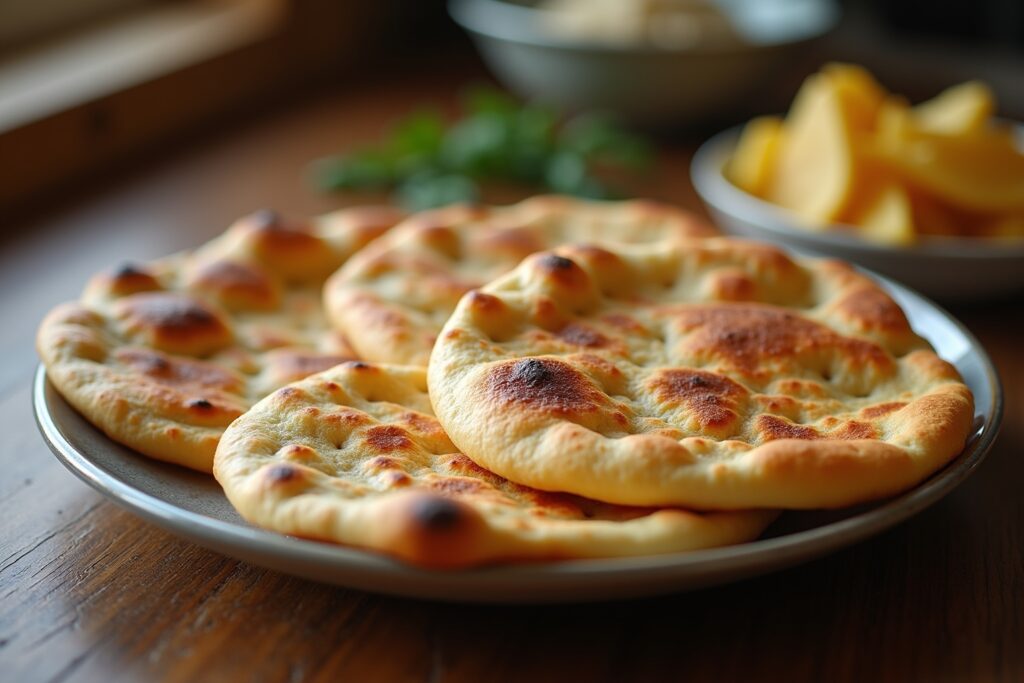
Elevate your culinary adventures with 14 irresistible naan bread recipes designed to delight your palate and impress your guests. From classic plain naan to adventurous flavored variations, discover the perfect accompaniment for your favorite Indian dishes or enjoy them as standalone treats.
These are the most popular Naan Recipe products
Keine Produkte gefunden.The Timeless Appeal of Naan Bread
Naan bread, a leavened, oven-baked flatbread originating from the Indian subcontinent, holds a special place in global cuisine. Its soft, chewy texture and slightly smoky flavor, traditionally achieved in a tandoor oven, make it an ideal vehicle for scooping up curries, dals, and gravies. The versatility of naan extends beyond its traditional role, making it a fantastic base for pizzas, a delicious side for soups, or even a breakfast wrap.
Exploring the Diverse World of Naan
While the quintessential plain naan is a crowd-pleaser, the world of naan bread recipes offers a spectrum of exciting flavors and textures. You can tailor your naan to complement specific dishes or simply explore new taste sensations. This guide presents 14 distinct naan recipes, each offering a unique twist on this beloved flatbread.
14 Must-Try Naan Bread Recipes
1. Classic Plain Naan
The foundation of all naan variations. This recipe focuses on achieving that signature soft and slightly chewy texture, perfect for soaking up rich sauces.
2. Garlic Naan
Infused with the pungent aroma and flavor of fresh garlic, this variation adds an extra layer of deliciousness to any meal. Brush with melted butter and chopped garlic before serving for an extra kick.
3. Butter Naan
A richer, more indulgent version of the classic, butter naan is brushed with melted butter generously before and after cooking, offering a luscious, melt-in-your-mouth experience.
4. Peshawari Naan
A sweet and savory delight, Peshawari naan is stuffed with a mixture of dried fruits (raisins, sultanas), nuts (almonds, cashews), and sometimes a hint of desiccated coconut. It’s a decadent treat often served with richer, creamier curries.
5. Keema Naan
For a truly satisfying meal, keema naan is filled with a spicy, minced meat (lamb or chicken) filling. This makes for a substantial and flavorful dish on its own or as a hearty accompaniment.
6. Onion Kulcha Naan
While technically a kulcha, it shares many similarities with naan and is often prepared in a similar fashion. This variation is stuffed with finely chopped onions, often seasoned with spices like cumin and coriander, offering a delightful savory filling.
7. Spinach and Feta Naan
A fusion twist, this recipe combines the freshness of spinach with the salty tang of feta cheese. It’s a vibrant and flavorful option that pairs well with Mediterranean-inspired dishes or as a healthy snack.
8. Cheese Naan
A universally loved addition, cheese naan can be made by incorporating grated cheese (like mozzarella, cheddar, or paneer) into the dough or stuffing it. It melts beautifully, creating gooey pockets of cheesy goodness.
9. Herb Naan
Fresh herbs like cilantro, mint, or dill can be incorporated into the dough or sprinkled on top before baking for a fragrant and herbaceous naan. This adds a subtle complexity to the flavor profile.
10. Spicy Chili Garlic Naan
For those who love a bit of heat, this naan is infused with finely chopped green chilies and garlic, offering a fiery punch that awakens the taste buds.
11. Potato (Aloo) Naan
Another popular stuffed naan, aloo naan features a spiced mashed potato filling. The creamy potato complements the chewy naan, making it a comforting and flavorful choice.
12. Fenugreek (Methi) Naan
Dried fenugreek leaves (kasoori methi) impart a unique, slightly bitter, and aromatic flavor to naan. This is a staple in many Indian households and adds an authentic touch.
13. Multigrain Naan
For a healthier alternative, incorporate whole wheat flour, oat flour, or chickpea flour into your naan dough. This creates a nuttier flavor and a more substantial texture.
14. Saffron and Cardamom Naan
A delicately aromatic and slightly sweet naan, this recipe uses the luxurious flavor of saffron and the warm spice of cardamom. It’s an elegant option for special occasions.
Key Ingredients and Techniques for Perfect Naan
Achieving authentic naan at home involves understanding the role of key ingredients and employing specific techniques. The foundation of a good naan lies in a well-kneaded dough, typically made with all-purpose flour (maida), yogurt, and yeast or baking powder for leavening. The yogurt contributes to the dough’s softness and helps achieve a slightly tangy flavor.
Flour: All-purpose flour (maida) is the most common choice for its gluten content, which contributes to the chewy texture. Some recipes incorporate a small amount of whole wheat flour for added flavor and nutrition.
Yogurt: Plain, unsweetened yogurt is crucial for tenderizing the dough and adding a subtle tang. Ensure it’s at room temperature.
Leavening Agents: Yeast provides a more traditional rise and flavor, while baking powder or baking soda can be used for quicker, no-yeast versions. The choice depends on your preference for texture and flavor.
Kneading: Proper kneading develops the gluten, resulting in that characteristic elastic and chewy texture. Aim for a smooth, elastic dough that springs back when poked.
Resting/Proofing: Allowing the dough to rest and rise, especially when using yeast, is essential for developing flavor and achieving a light texture.
Cooking Method: Traditionally, naan is cooked in a tandoor, a clay oven. However, you can achieve excellent results using a hot cast-iron skillet, a griddle, or even under your oven’s broiler. The high heat is key to creating those signature charred spots and puffed-up texture.
Brushing with Ghee or Butter: For added richness and flavor, brush your cooked naan generously with melted ghee (clarified butter) or butter. This also helps keep the naan soft and prevents it from drying out.
A Comparative Overview of Naan Variations
| Recipe Type | Primary Flavor Profile | Texture Characteristics | Ideal Pairings | Preparation Complexity |
|---|---|---|---|---|
| Classic Plain Naan | Subtly yeasty, neutral | Soft, chewy, slightly elastic | All curries, dals, gravies | Low |
| Garlic Naan | Pungent garlic, savory | Soft, chewy with garlicky aroma | Spicy curries, grilled meats | Low to Medium |
| Butter Naan | Rich, buttery | Extremely soft, melt-in-your-mouth | Rich curries, biryani | Low |
| Peshawari Naan | Sweet (dried fruits), nutty | Chewy with pockets of sweet filling | Korma, Mughlai dishes | Medium |
| Keema Naan | Spicy, savory meat | Hearty, chewy with savory filling | Rich curries, as a meal | Medium to High |
| Onion Kulcha Naan | Savory, onion | Soft, slightly denser with onion pieces | Dals, vegetable curries | Medium |
| Cheese Naan | Cheesy, savory | Soft, chewy with melted cheese | Any curry, pizza base | Medium |
| Herb Naan | Fresh, aromatic (cilantro/mint) | Soft, fragrant | Lighter curries, grilled vegetables | Low to Medium |
Tips for Baking the Best Naan at Home
Achieving restaurant-quality naan in your home kitchen is entirely possible with a few key tips. The most critical factor is high heat. Whether you’re using a cast-iron skillet, a pizza stone, or your oven’s broiler, ensure it’s preheated to its maximum temperature. This intense heat mimics the tandoor’s effect, quickly cooking the dough and creating the characteristic puffed-up texture and charred spots.
If using a skillet, let it get smoking hot before you place the naan on it. For oven-baked naan, preheat your oven with a baking sheet or pizza stone inside for at least 30 minutes.
Don’t overcrowd the cooking surface. Cook naan in batches to ensure even cooking and prevent the temperature from dropping too much. This allows the dough to puff up properly.
Experiment with different flours. While maida is traditional, adding a portion of whole wheat flour or chickpea flour can introduce new flavors and textures.
Practice makes perfect. The first few attempts might not be flawless, but with each batch, you’ll get a better feel for the dough and the cooking process.
Frequently Asked Questions about 14 Naan Bread Recipes to Try
What is the difference between naan and roti?
Naan is typically a leavened bread, meaning it uses yeast or baking powder to rise, resulting in a softer, chewier texture. Roti, on the other hand, is usually unleavened and made with whole wheat flour, giving it a denser, flatter, and more rustic texture. Naan is often richer due to the inclusion of yogurt or milk in the dough and is traditionally cooked in a tandoor, while roti is commonly cooked on a griddle.
Can I make naan without yeast?
Yes, absolutely! Many delicious naan recipes utilize baking powder or baking soda as a leavening agent, allowing you to achieve a soft and fluffy naan without the need for yeast or a long proofing time. These no-yeast versions are often quicker to prepare.
How can I get the charred spots on my naan?
The characteristic charred spots on naan come from cooking at very high heat, mimicking the tandoor oven. To achieve this at home, use a screaming hot cast-iron skillet, a well-preheated broiler, or a pizza stone in a very hot oven. Brush the naan with water or oil before placing it on the hot surface; this helps it puff up and develop those dark, smoky marks.
What is the best way to store leftover naan?
Once cooled, store naan in an airtight container or a resealable plastic bag at room temperature for up to two days. For longer storage, you can freeze individual naan wraps in parchment paper and then place them in a freezer bag. Reheat gently in a skillet, oven, or microwave.
Can I make stuffed naan ahead of time?
While it’s best to cook naan fresh for optimal texture, you can prepare the dough and the stuffing ahead of time. Store the dough in the refrigerator for up to 24 hours and the stuffing in an airtight container in the fridge. However, assembling and cooking stuffed naan closer to serving time will yield the best results.
What kind of flour is traditionally used for naan?
Traditionally, naan is made with refined white flour, also known as all-purpose flour or maida in South Asia. This flour has a good gluten content, which contributes to the dough’s elasticity and the naan’s signature chewy texture.
How do I make my naan softer?
To ensure your naan is soft, use yogurt or milk in your dough, knead it thoroughly until elastic, and allow it to rest properly. Cooking on a hot surface for a short duration prevents it from becoming tough. Brushing with ghee or butter immediately after cooking also helps maintain its softness and adds richness.


