
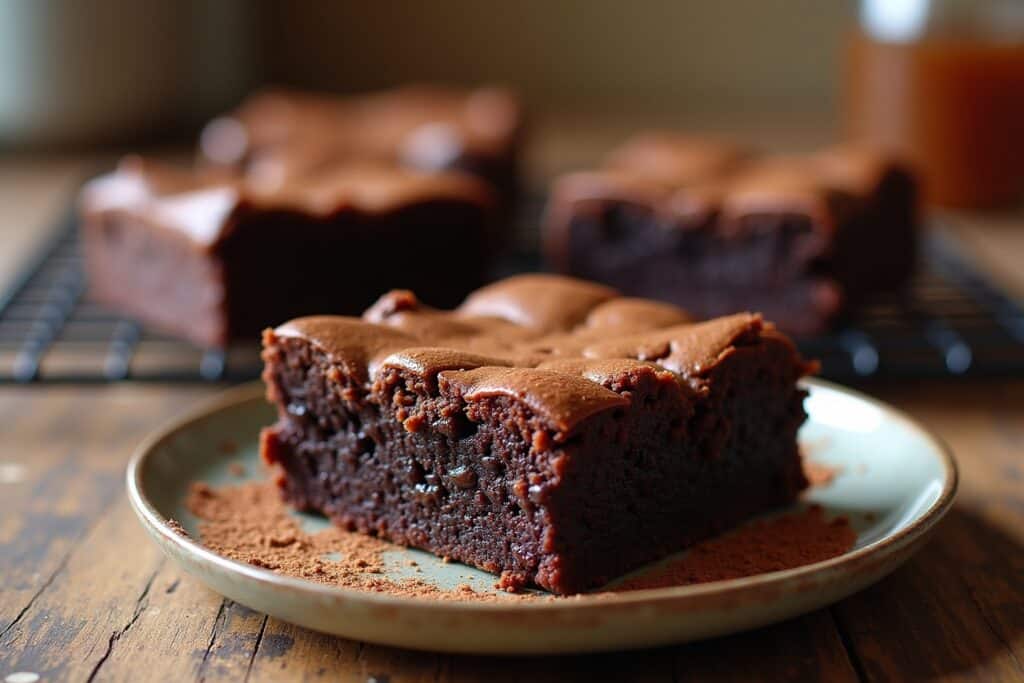
Craving that perfectly rich, dense, and intensely chocolatey bite? You’re in the right place to discover the secrets behind truly irresistible fudgy brownie recipes. This guide is for you, the home baker eager to master the art of the ultimate fudgy brownie, moving beyond dry or cakey disappointments to achieve that sought-after gooey center and chewy crust.
These are the most popular Brownie recipe products
Keine Produkte gefunden.Understanding the Science Behind Fudgy Brownies
The key to a fudgy brownie lies in a delicate balance of ingredients and technique, primarily concerning the ratio of fat to flour and the precise baking time. Unlike cakey brownies, which incorporate more leavening agents and flour, fudgy brownies rely on a higher proportion of fat (butter and chocolate) and less flour. This leads to a denser texture where gluten development is minimized, resulting in that characteristic chewiness and intense fudginess. Overmixing the batter can activate gluten, leading to a tougher texture, so gentle folding is crucial.
Essential Ingredients for Fudgy Perfection
Achieving the perfect fudgy brownie isn’t just about a good recipe; it’s about understanding the role of each ingredient. Here’s what you need to focus on:
- High-Quality Chocolate: This is non-negotiable. Use good quality dark or bittersweet chocolate (70-85% cacao content) for the deepest flavor. Melted chocolate, rather than just cocoa powder, provides richness and that signature fudgy texture. Some recipes benefit from a combination of both.
- Butter: Unsalted butter is preferred so you can control the salt level. Melting the butter often contributes to a denser, fudgier texture compared to creaming it with sugar. Browning the butter adds another layer of complex, nutty flavor.
- Eggs: Eggs provide structure and richness. Using an extra egg yolk can enhance the fudginess and density due to its higher fat content.
- Sugar: A combination of granulated sugar and brown sugar is often ideal. Brown sugar, with its molasses content, adds moisture and a chewy texture, complementing the granulated sugar’s ability to promote crisp edges.
- Flour: Use all-purpose flour, but use it sparingly. The lower the flour-to-fat ratio, the fudgier your brownies will be. Measuring flour correctly is vital; spooning it into the measuring cup and leveling it off prevents adding too much.
- Cocoa Powder: If your recipe calls for cocoa powder, opt for Dutch-processed cocoa for a smoother, less acidic flavor and a richer color. Natural cocoa powder can also be used but may result in a slightly different flavor profile and color.
- Salt: A touch of salt enhances the chocolate flavor and balances the sweetness. A sprinkle of flaky sea salt on top before baking is a common and delicious finishing touch.
Key Techniques for Ultimate Fudginess
Beyond ingredients, your method significantly impacts the final brownie. Mastering these techniques will elevate your baking:
- Melting Chocolate and Butter: Gently melt chopped chocolate and butter together, either in a double boiler or in the microwave at short intervals, stirring frequently until smooth. This ensures even distribution of fat and chocolate.
- Incorporating Sugar and Eggs: Whisking sugar into the melted chocolate-butter mixture creates a glossy base. Beat in the eggs one at a time until just combined. Avoid over-beating, which can introduce too much air.
- Folding in Dry Ingredients: Gently fold the flour, cocoa powder (if using), and salt into the wet ingredients until just combined. Streaks of flour are acceptable; overmixing develops gluten and results in a cakey texture.
- Baking Temperature and Time: This is perhaps the most critical factor. Brownies are best when slightly underbaked. A recipe calling for a 325°F (160°C) to 350°F (175°C) oven is typical. Bake until the edges are set but the center still looks moist and a toothpick inserted comes out with moist crumbs attached, not completely clean.
- Cooling: Allow brownies to cool completely in the pan on a wire rack. This is essential for them to set and develop their fudgy texture. Cutting them too soon will result in a messy, gooey mess that’s difficult to handle.
Exploring Variations: Beyond the Classic Fudgy Brownie
While the classic fudgy brownie is a masterpiece on its own, many delightful variations can enhance its appeal and introduce new flavor dimensions. Experimenting with these can lead to your new favorite:
Decadent Chocolate Variations
Elevate your brownie by incorporating different forms and types of chocolate:
- Triple Chocolate: Combine melted dark chocolate, cocoa powder, and chocolate chips for an intense chocolate experience.
- White Chocolate Swirl: Melt white chocolate and swirl it into the dark brownie batter before baking for a beautiful visual and a contrasting sweet flavor.
- Chocolate Ganache Layer: Add a layer of rich chocolate ganache on top of baked brownies for an extra level of indulgence.
Flavor Boosters and Mix-ins
Introduce complementary flavors and textures that pair beautifully with chocolate:
- Espresso or Coffee: A teaspoon or two of instant espresso powder or strong brewed coffee dissolved in the melted butter deepens the chocolate flavor without making the brownies taste like coffee.
- Peanut Butter: Swirl in creamy or crunchy peanut butter into the batter, or create peanut butter cups within the brownies.
- Caramel: Drizzle melted caramel or place caramel chunks in the batter for a gooey, sweet surprise.
- Nuts: Toasted walnuts, pecans, or almonds add a satisfying crunch and nutty flavor.
- Raspberries or Cherries: Fresh or frozen berries add a tart contrast to the rich chocolate.
- Salted Caramel: A combination of sweet and salty is always a winner.
Global Influences and Unique Twists
Draw inspiration from international flavors for unexpected but delicious results:
- Mexican Chocolate Brownies: Incorporate cinnamon and a pinch of cayenne pepper for a hint of warmth and spice.
- Matcha Green Tea Brownies: Combine matcha powder with white chocolate for a visually striking and subtly earthy flavor.
- Boozy Brownies: Add a splash of bourbon, rum, or Kahlúa to the batter for a sophisticated adult treat.
A Comparative Look at Fudgy Brownie Approaches
Different recipes achieve fudginess through slightly varied means. Understanding these distinctions helps you choose the best approach for your desired outcome.
| Recipe Approach | Key Characteristics | Primary Fudginess Driver | Texture Profile | Ideal For |
|---|---|---|---|---|
| Melted Chocolate Method | Uses melted unsweetened or bittersweet chocolate combined with butter. Minimal flour. Often relies on egg yolks for richness. | High fat content from melted chocolate and butter. Less flour limits gluten development. | Dense, intensely chocolatey, very moist, almost gooey center. | Those who prioritize the deepest chocolate flavor and a classic gooey texture. |
| Cocoa Powder Based | Relies primarily on cocoa powder for chocolate flavor, often with melted butter. May use a slightly higher flour content than melted chocolate recipes. | Butter content and limited gluten formation. The type of cocoa powder (Dutch-processed) influences richness. | Chewy edges, moist interior, but can lean slightly cakier if not careful with flour. | Bakers who prefer a good chew and a strong cocoa flavor, or when high-quality bar chocolate isn’t available. |
| Brown Sugar & Egg Yolk Rich | Emphasizes brown sugar for moisture and chewiness, and often includes an extra egg yolk for added richness and density. | The higher ratio of brown sugar to granulated sugar, and the fat from the extra egg yolk. | Extremely moist, chewy, and rich with a slightly caramel undertone. | Bakers seeking an exceptionally tender and moist brownie with a pronounced chewy quality. |
| “Blondie” Style (with Chocolate) | Starts with a brown sugar and butter base, similar to blondies, but with the addition of chocolate. | High moisture content from brown sugar and butter, with the chocolate contributing to density. | Soft, chewy, and sweet with prominent caramel notes from the brown sugar, alongside chocolate. | Those who enjoy the caramel-like flavor of blondies but want the addition of chocolate. |
Troubleshooting Common Brownie Pitfalls
Even with the best intentions, sometimes brownies don’t turn out as planned. Here are solutions to common issues:
- Dry or Crumbly Brownies: This is usually due to overbaking or too much flour. Measure your flour accurately and remove brownies from the oven as soon as the edges are set and the center is still slightly underdone. Let them cool completely.
- Cakey Brownies: This often results from too much flour or leavening agent (like baking soda/powder) or overmixing the batter after the flour is added. Ensure you’re using a recipe specifically designed for fudgy brownies and be gentle when incorporating dry ingredients.
- Uneven Baking: If your brownies bake unevenly, consider your oven’s hot spots. Rotating the pan halfway through baking can help. Ensure your oven temperature is accurate by using an oven thermometer.
- Lack of Chocolate Flavor: The quality and type of chocolate or cocoa powder used are paramount. Ensure you’re using high-quality ingredients and consider adding a touch of espresso powder to intensify the chocolate notes.
- Sticking to the Pan: Properly greasing and lining your baking pan with parchment paper is crucial. Allowing the brownies to cool completely before attempting to lift them out also makes removal easier.
These are the latest Brownie recipe products with the best ratings.
Keine Produkte gefunden.FAQ – Frequently Asked Questions about Unwiderstehliche Fudgy Brownie Recipes
Why are my brownies dry instead of fudgy?
The most common reason for dry brownies is overbaking. Brownies continue to cook as they cool, so it’s important to pull them from the oven when the edges are set but the center still looks slightly underbaked. A toothpick inserted into the center should come out with moist crumbs attached, not completely clean. Also, ensure you are not using too much flour; accurate measurement is key.
What is the best type of chocolate to use for fudgy brownies?
For the richest, most intense chocolate flavor and fudgiest texture, use high-quality dark or bittersweet chocolate with a cacao content of 70-85%. Many recipes also benefit from using a combination of melted chocolate and unsweetened or Dutch-processed cocoa powder. The fat content in good quality chocolate is essential for fudginess.
Should I use butter or oil for fudgy brownies?
Butter is generally preferred for fudgy brownies. Melting the butter, rather than creaming it with sugar, contributes to a denser, fudgier texture. Browning the butter before adding it can also impart a wonderful nutty depth of flavor. While oil can add moisture, it often results in a slightly different texture that leans more towards a tender cakey brownie.
How can I make my brownies chewier?
To achieve a chewier brownie, focus on the ratio of ingredients and the sugar type. Using more brown sugar than granulated sugar will contribute to chewiness due to its molasses content and hygroscopic properties (ability to attract and retain moisture). Minimizing flour and avoiding overmixing also prevents gluten development, which leads to a tougher, less chewy texture.
Is it better to use melted chocolate or cocoa powder for fudgy brownies?
For the ultimate fudgy texture, a combination of melted chocolate and cocoa powder is often ideal. Melted chocolate provides fat and richness that contributes significantly to the dense, gooey consistency. Cocoa powder, especially Dutch-processed, enhances the deep chocolate flavor. Recipes relying solely on cocoa powder can still be fudgy, but they might require a slightly different balance of fat and flour to achieve the same level of density.
Why do my brownies turn out cakey?
Cakey brownies typically result from an imbalance in ingredients or incorrect technique. Too much flour, too much leavening agent (like baking soda or powder), or overmixing the batter after adding the flour are common culprits. Overmixing develops gluten, leading to a lighter, cake-like structure. Ensure you are following a recipe specifically designed for fudgy brownies and handle the batter gently once the dry ingredients are added.
How long should I cool my fudgy brownies before cutting?
It is crucial to allow fudgy brownies to cool completely in the pan on a wire rack before cutting. This process allows the brownies to set and firm up. Cutting them while warm will result in a messy, gooey consistency that is difficult to handle and slice neatly. Patience is rewarded with perfectly formed, fudgy squares.


