
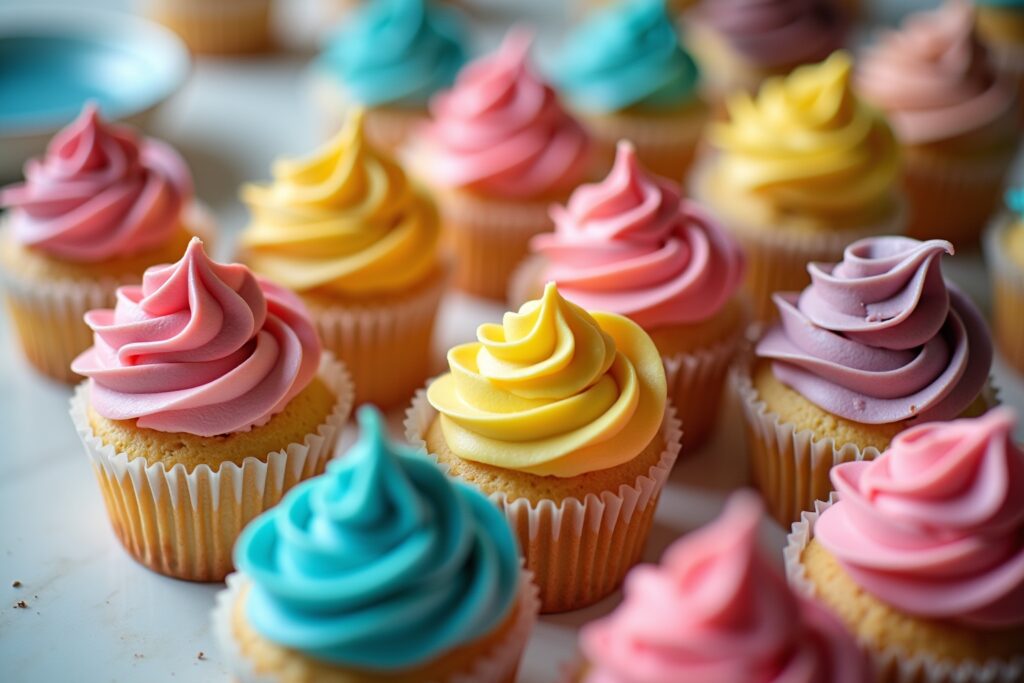
Elevating your cake from a simple baked good to a stunning centerpiece requires the perfect frosting. Imagine crafting a dessert that not only tantalizes the taste buds but also captivates the eyes, a feat achievable with a mastery of frosting techniques and flavor profiles. This guide unlocks the secrets to 15 distinct cake frosting recipes, empowering you to transform everyday cakes into extraordinary creations for any occasion.
These are the most popular Frosting recipes products
Keine Produkte gefunden.The Art and Science of Cake Frosting
Frosting is more than just a sweet topping; it’s a crucial component that complements the cake’s texture and flavor, while also providing structural integrity and aesthetic appeal. Understanding the fundamental elements of frosting – fat, sugar, liquid, and flavorings – allows for endless customization. Whether you’re aiming for a silky smooth buttercream, a rich ganache, or a light and airy meringue, the right frosting recipe can make all the difference.
Mastering 15 Essential Cake Frosting Recipes
Discover a diverse collection of frosting recipes designed to suit every cake type and preference. From classic favorites to innovative twists, these recipes are presented with clarity and precision, enabling you to achieve professional results in your own kitchen.
1. Classic Vanilla Buttercream
The quintessential frosting, vanilla buttercream is a versatile favorite. Its creamy texture and sweet, subtle vanilla flavor pair perfectly with almost any cake. This recipe typically involves creaming butter with powdered sugar, a splash of milk or cream, and vanilla extract until light and fluffy. It’s ideal for piping intricate designs or simply spreading for a smooth finish.
2. Rich Chocolate Ganache
For the ultimate chocolate lover, chocolate ganache is a dream. Made with just two primary ingredients – high-quality chocolate and heavy cream – ganache offers a luxurious, intensely chocolatey experience. The ratio of chocolate to cream determines its consistency, allowing it to be used as a glaze when warm or whipped into a richer frosting when cooled. Its glossy finish adds an elegant touch to any cake.
3. Cream Cheese Frosting
A tangy and slightly sweet counterpart to rich cakes like red velvet or carrot cake, cream cheese frosting offers a delightful contrast. It’s made by beating cream cheese with butter, powdered sugar, and a hint of vanilla or lemon zest. Its slightly softer texture makes it excellent for spreading generously.
4. Swiss Meringue Buttercream
This elegant frosting is known for its incredibly smooth, stable, and less sweet profile compared to traditional American buttercream. It begins by whisking egg whites and sugar over a double boiler until the sugar dissolves and the mixture is hot to the touch, creating a meringue. This meringue is then whipped until stiff peaks form, and softened butter is gradually added, resulting in a silken, melt-in-your-mouth frosting.
5. Italian Meringue Buttercream
Similar to Swiss meringue buttercream in its smooth texture and stability, Italian meringue buttercream is achieved by pouring a hot sugar syrup into whipping egg whites. This cooked meringue is then incorporated with butter, creating a stable and lustrous frosting that holds its shape beautifully.
6. Lemon Cream Cheese Frosting
A zesty twist on the classic cream cheese frosting, this version incorporates fresh lemon juice and zest for a bright, refreshing flavor. It cuts through the richness of cakes and is particularly well-suited for lemon, vanilla, or white cakes.
7. Peanut Butter Frosting
For a truly decadent treat, peanut butter frosting is a crowd-pleaser. It often combines peanut butter with butter, powdered sugar, and a touch of milk or cream. This thick, rich frosting is perfect for complementing chocolate or banana cakes.
8. Salted Caramel Frosting
The irresistible combination of sweet and salty makes salted caramel frosting a sophisticated choice. Typically made by incorporating homemade or store-bought caramel sauce into a buttercream base, with a pinch of sea salt to enhance the flavor profile. It pairs wonderfully with vanilla, chocolate, or spice cakes.
9. Coconut Cream Frosting
A dairy-free and intensely flavorful option, coconut cream frosting utilizes the thick cream from a can of full-fat coconut milk. Whipped with powdered sugar and often a touch of vanilla or coconut extract, it offers a tropical flair and a lighter texture that complements fruit-based or vanilla cakes.
10. Dark Chocolate Avocado Frosting
A healthier, dairy-free alternative, this avocado-based frosting is surprisingly rich and decadent. Ripe avocados are blended with cocoa powder, a liquid sweetener (like maple syrup or agave), and vanilla extract. The healthy fats from the avocado create a creamy texture, and the chocolate masks any avocado flavor.
11. Raspberry Buttercream
Adding a vibrant color and tart fruitiness, raspberry buttercream is both beautiful and delicious. Fresh or frozen raspberries are pureed and strained, then incorporated into a classic vanilla buttercream. The result is a delicately flavored frosting with a lovely pink hue.
12. Strawberry Cream Cheese Frosting
Another delightful fruit-infused option, this frosting combines the tang of cream cheese with the sweet flavor of strawberries. Fresh or freeze-dried strawberries are pureed and added to a cream cheese frosting base, creating a delightful pink swirl and a burst of berry goodness.
13. Mocha Frosting
For coffee and chocolate enthusiasts, mocha frosting is a perfect union. Instant espresso powder or strong brewed coffee is dissolved and added to a chocolate buttercream base, infusing it with a rich coffee aroma and flavor that complements the chocolate beautifully.
14. Lemon Curd Filling/Frosting
While often used as a filling, a thicker lemon curd can also serve as a delightful, tangy frosting. Made by cooking egg yolks, sugar, lemon juice, and zest with butter, it provides a bright, zesty counterpoint to sweet cakes and is particularly delightful with sponge or vanilla cakes.
15. Marshmallow Frosting (Fluff Frosting)
Light, airy, and wonderfully sweet, marshmallow frosting has a unique texture that makes it a fun choice. It’s often made by beating egg whites with sugar and corn syrup until stiff peaks form, mimicking the texture of marshmallow fluff. It’s fantastic for topping cupcakes or creating ethereal layers.
Frosting Flavor Combinations and Pairings
The right frosting can elevate a cake from good to unforgettable. Consider the flavor profile of your cake and choose a frosting that either complements or contrasts it beautifully. For instance:
- Vanilla Cake: Pairs well with almost anything – vanilla buttercream, chocolate ganache, raspberry, lemon, or salted caramel.
- Chocolate Cake: Benefits from rich pairings like chocolate ganache, peanut butter frosting, mocha frosting, or even a contrasting cream cheese frosting.
- Red Velvet Cake: Traditionally paired with a tangy cream cheese frosting that balances its cocoa notes.
- Carrot Cake: Excels with cream cheese frosting, often enhanced with walnuts or pecans.
- Lemon Cake: Shines with lemon cream cheese frosting, lemon curd, or a simple vanilla buttercream.
- Fruit Cakes: Can be delightful with lighter frostings like coconut cream or a delicate raspberry buttercream.
Frosting Texture and Application Techniques
The texture of your frosting dictates its application. A firm buttercream is excellent for piping detailed borders and rosettes, while a softer ganache or cream cheese frosting is ideal for spreading smoothly or creating rustic swirls. Consider the stability required for your design. For smooth finishes, an offset spatula is your best friend. For intricate piping, a set of piping bags and various tips are essential.
Storing Your Frosting
Proper storage is key to maintaining the quality and freshness of your frosting. Most butter-based frostings can be stored in an airtight container in the refrigerator for up to a week. Let them come to room temperature and re-whip before use. Meringue-based buttercreams are generally best used fresh due to their delicate structure. Cream cheese frostings should always be refrigerated. Ganaches can be stored in the refrigerator or at cool room temperature, depending on their intended use.
Frosting for Different Cake Types
The type of cake you’ve baked significantly influences the best frosting choice. A light and airy sponge cake might be overwhelmed by a heavy buttercream, whereas a dense chocolate cake can handle a rich ganache or a robust peanut butter frosting. Consider the crumb structure and moisture content of your cake when selecting your frosting.
Achieving Perfect Frosting Consistency
Frosting consistency is paramount for both flavor and appearance. Too much liquid can result in a runny mess, while too little can lead to a stiff, unspreadable concoction. Always start with the base recipe amounts and adjust gradually. For buttercreams, adding a tablespoon of milk or powdered sugar at a time can make a world of difference. For ganaches, the ratio of chocolate to cream is critical. If your ganache is too thick, gently warm it; if too thin, let it cool and thicken further.
Visual Appeal: The Role of Frosting Color and Decoration
Frosting provides the canvas for your cake’s visual presentation. Natural food colorings derived from fruits and vegetables can add subtle hues. For more vibrant colors, gel food colorings are recommended as they impart color without altering the frosting’s consistency. Decorations can range from simple drizzles and swirls to intricate piping, edible flowers, or fresh fruit, transforming your cake into a work of art.
Understanding Frosting Ingredients
The quality of your ingredients directly impacts the final taste and texture of your frosting. Using high-quality butter, real vanilla extract, and fine chocolate will result in a noticeably superior product. For meringue-based frostings, ensure your eggs are fresh and at room temperature. The type of sugar used – granulated, powdered, or confectioners’ sugar – also plays a role in texture and sweetness.
Troubleshooting Common Frosting Issues
Even experienced bakers encounter frosting challenges. If your buttercream is grainy, it might be due to insufficient creaming of butter and sugar, or using powdered sugar with cornstarch that hasn’t fully dissolved. If it’s too soft, chilling it can help. If your ganache is splitting, gently whisking in a tablespoon of warm liquid can often mend it. Patience and careful adjustment are key to overcoming these hurdles.
Exploring Advanced Frosting Techniques
Beyond basic application, advanced techniques like creating mirror glazes, intricate stencil work, or incorporating flavored fillings within your frosting can elevate your cake decorating skills. Experimenting with different piping tips to create various textures and designs, or learning to achieve sharp edges on a buttercream cake, can significantly enhance your presentation.
The Foundation of Flavor: Cake and Frosting Harmony
The ultimate success of your frosted cake lies in the harmonious relationship between the cake itself and its frosting. A dense, rich chocolate cake demands a frosting that can stand up to its intensity, perhaps a dark chocolate ganache or a robust salted caramel. Conversely, a delicate angel food cake calls for a lighter, airier topping, such as a stabilized whipped cream or a subtle Swiss meringue buttercream. Consider the moisture content of the cake – a very moist cake might benefit from a frosting that adds structure rather than just sweetness.
Nutritional Considerations and Healthier Frosting Options
For those seeking lighter alternatives, several options exist. As mentioned, avocado-based frostings offer healthy fats and a creamy texture without dairy. Other healthier options include using natural sweeteners like maple syrup or date paste, and incorporating pureed fruits or vegetables for flavor and color. Whipped coconut cream provides a dairy-free, lighter frosting that is also quite versatile.
A Snapshot of Our Frosting Collection
| Frosting Type | Primary Ingredients | Key Flavor Profile | Best For | Texture |
|---|---|---|---|---|
| Vanilla Buttercream | Butter, Powdered Sugar, Vanilla, Milk | Sweet, Creamy, Vanilla | Versatile, Piping, General Use | Smooth, Light, Fluffy |
| Chocolate Ganache | Chocolate, Heavy Cream | Intense Chocolate | Glazing, Rich Frosting, Drip Cakes | Glossy, Smooth (can be whipped) |
| Cream Cheese Frosting | Cream Cheese, Butter, Powdered Sugar, Vanilla | Tangy, Sweet | Red Velvet, Carrot Cake, Bundt Cakes | Soft, Spreadable |
| Swiss Meringue Buttercream | Egg Whites, Sugar, Butter | Subtle Sweetness, Silky | Elegant Cakes, Piping, Stable Frosting | Ultra-smooth, Stable, Velvety |
| Lemon Cream Cheese Frosting | Cream Cheese, Butter, Powdered Sugar, Lemon Juice & Zest | Tangy, Zesty, Sweet | Lemon Cakes, Vanilla Cakes | Soft, Spreadable |
| Peanut Butter Frosting | Peanut Butter, Butter, Powdered Sugar, Milk | Rich Peanut Butter | Chocolate Cakes, Banana Cakes | Thick, Creamy |
| Salted Caramel Frosting | Butter, Powdered Sugar, Caramel Sauce, Salt | Sweet, Salty, Caramel | Vanilla Cakes, Spice Cakes | Smooth, Slightly Sticky |
These are the latest Frosting recipes products with the best ratings.
Keine Produkte gefunden.FAQ – Frequently Asked Questions about 15 Cake Frosting Recipes
What is the easiest cake frosting recipe to make?
For beginners, the Classic Vanilla Buttercream or a simple Chocolate Ganache are typically the easiest to master. They involve minimal ingredients and straightforward mixing techniques, making them forgiving for new bakers.
Can I make these frostings ahead of time?
Most buttercream and ganache recipes can be made a day or two in advance and stored in an airtight container in the refrigerator. They may need to be re-whipped to restore their original consistency. Meringue-based buttercreams are best made closer to the time of use for optimal texture.
How do I prevent my buttercream from being too sweet?
To reduce sweetness, you can slightly decrease the amount of powdered sugar or add a touch of acidity. For example, a bit of lemon juice or zest can balance the sweetness. Using a higher quality vanilla extract can also provide a more complex flavor that detracts from pure sweetness.
What is the difference between American buttercream and Swiss/Italian meringue buttercream?
American buttercream relies on beating softened butter with powdered sugar, resulting in a sweeter, often denser frosting. Swiss and Italian meringue buttercreams are made by incorporating a cooked meringue (made from egg whites and sugar) into butter. This creates a significantly smoother, more stable, and less sweet frosting that has a luxurious, melt-in-your-mouth quality.
How can I make my frosting more stable for piping?
For more stable frosting, consider using a meringue-based buttercream (Swiss or Italian) as they are inherently more stable due to the cooked egg whites. You can also ensure your butter is well-chilled but still pliable, and that you’ve used the correct ratio of ingredients. Avoid over-mixing, which can introduce too much air and soften the frosting.
Can I freeze frosted cakes?
Yes, you can freeze frosted cakes. It’s best to chill the frosted cake in the refrigerator until the frosting is firm, then wrap it tightly in plastic wrap followed by a layer of aluminum foil. Thaw the cake in the refrigerator overnight before serving.
How do I get a perfectly smooth finish on my cake with frosting?
Achieving a smooth finish requires patience and the right tools. Apply a thin crumb coat of frosting first and chill the cake until firm. Then, apply a second, thicker layer of frosting. Use a bench scraper or offset spatula dipped in hot water and dried to smooth the sides and top. Work quickly before the frosting starts to set.


