
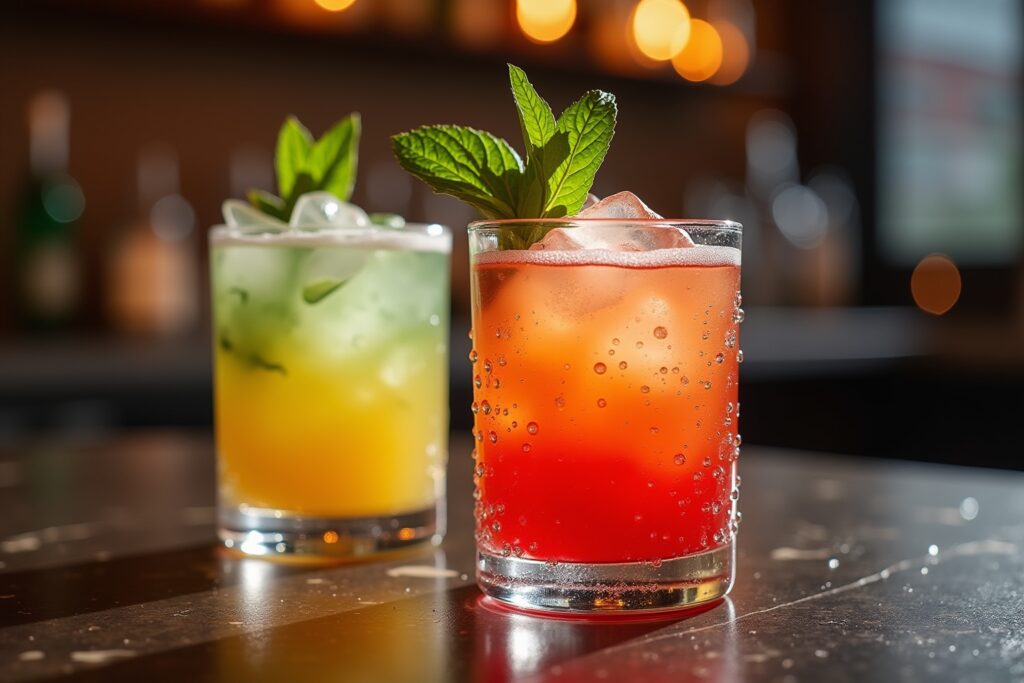
Mastering the art of the shaken cocktail is fundamental for any aspiring mixologist or home bartender seeking to elevate their drink-making skills. Understanding the nuances of shaking not only chills and dilutes your ingredients perfectly but also introduces the ideal texture and aeration, transforming simple components into sophisticated libations. If you’re aiming to impress with perfectly balanced, visually appealing, and refreshingly cold cocktails, exploring these seven essential shaken cocktail recipes will provide you with a robust foundation.
These are the most popular Cocktail recipes products
Keine Produkte gefunden.The Art and Science of Shaking Cocktails
Shaking a cocktail is far more than just rapidly agitating ingredients in a shaker. It’s a technique that serves multiple crucial purposes. Primarily, it chills your drink rapidly by transferring the cold from the ice to the liquid. Simultaneously, the vigorous shaking dilutes the cocktail as the ice melts, which is a critical factor in achieving the desired flavor balance. Furthermore, shaking emulsifies ingredients, particularly those containing citrus juice, egg whites, or cream, creating a silky, smooth texture and a desirable frothy head. The intensity and duration of your shake directly impact the final outcome, so understanding these principles is key to consistently excellent results.
Essential Shaken Cocktail Recipes to Master
1. The Classic Daiquiri
The Daiquiri, a seemingly simple combination of rum, lime juice, and simple syrup, is the ultimate test of a bartender’s shaking prowess. Its elegance lies in its perfect balance of tart, sweet, and spirituous. When shaken correctly, it delivers a crisp, refreshing experience with a subtle frothy texture on top.
- Ingredients:
- 2 oz White Rum
- 1 oz Fresh Lime Juice
- 0.75 oz Simple Syrup (1:1 ratio of sugar to water)
- Instructions:
- Combine all ingredients in a cocktail shaker filled with ice.
- Shake vigorously for about 15-20 seconds until well-chilled and a light frost forms on the outside of the shaker.
- Double strain into a chilled coupe or martini glass.
- Garnish with a lime wheel.
2. The Gin Sour
A staple in the sour family, the Gin Sour features gin, lemon juice, and simple syrup. The addition of egg white (optional but highly recommended for texture and presentation) transforms it into a velvety delight. Shaking is essential to properly emulsify the egg white, creating a stable, luxurious foam.
- Ingredients:
- 2 oz Gin
- 1 oz Fresh Lemon Juice
- 0.75 oz Simple Syrup
- 1 Egg White (optional)
- Instructions:
- If using egg white, perform a “dry shake” first (without ice) for about 15-20 seconds to emulsify the egg white.
- Add ice to the shaker and shake again vigorously for another 15-20 seconds until well-chilled.
- Double strain into a chilled coupe or rocks glass filled with fresh ice.
- Garnish with a few drops of Angostura bitters on the foam and a maraschino cherry.
3. The Whiskey Sour (with Egg White)
Similar to its gin counterpart, the Whiskey Sour shines with the addition of egg white. The bold flavors of whiskey are beautifully softened and rounded by the creamy texture achieved through proper shaking. This cocktail is a testament to how shaking can integrate seemingly disparate ingredients into a harmonious whole.
- Ingredients:
- 2 oz Bourbon or Rye Whiskey
- 1 oz Fresh Lemon Juice
- 0.75 oz Simple Syrup
- 1 Egg White (optional)
- Instructions:
- Perform a dry shake if using egg white.
- Add ice and shake vigorously until well-chilled.
- Double strain into a chilled coupe or rocks glass with fresh ice.
- Garnish with a lemon twist and a maraschino cherry.
4. The Margarita
The quintessential tequila cocktail, the Margarita, demands a good shake to properly blend the tequila, lime juice, and orange liqueur. The vigorous shaking also helps to create a delightful, slightly frothy texture that complements the tart and sweet profile of this beloved drink.
- Ingredients:
- 2 oz Tequila (Blanco or Reposado)
- 1 oz Fresh Lime Juice
- 0.75 oz Orange Liqueur (e.g., Cointreau, Triple Sec)
- 0.5 oz Agave Nectar (optional, for added sweetness)
- Instructions:
- If desired, rim a chilled margarita or coupe glass with salt.
- Combine all ingredients in a cocktail shaker filled with ice.
- Shake vigorously for about 15-20 seconds until thoroughly chilled.
- Strain into the prepared glass.
- Garnish with a lime wedge.
5. The French 75
While often topped with champagne, the initial preparation of a French 75 involves shaking gin, lemon juice, and simple syrup. This initial shake ensures the gin and citrus are perfectly chilled and blended before the effervescent topping is added, creating a sophisticated and celebratory cocktail.
- Ingredients:
- 1.5 oz Gin
- 0.75 oz Fresh Lemon Juice
- 0.5 oz Simple Syrup
- 3 oz Chilled Champagne or Prosecco
- Instructions:
- Combine gin, lemon juice, and simple syrup in a cocktail shaker filled with ice.
- Shake vigorously for about 15 seconds.
- Strain into a chilled champagne flute.
- Top slowly with chilled champagne or prosecco.
- Garnish with a lemon twist.
6. The Clover Club
A beautifully pink and delicately flavored cocktail, the Clover Club relies heavily on shaking to achieve its signature texture. The combination of gin, raspberry syrup, lemon juice, and egg white requires thorough shaking to emulsify the ingredients and create a wonderfully smooth, foamy consistency.
- Ingredients:
- 2 oz Gin
- 0.75 oz Fresh Lemon Juice
- 0.75 oz Raspberry Syrup
- 1 Egg White
- Instructions:
- Perform a dry shake (without ice) for 15-20 seconds to emulsify the egg white and raspberry syrup.
- Add ice to the shaker and shake again vigorously for another 15-20 seconds until well-chilled.
- Double strain into a chilled coupe or martini glass.
- Garnish with fresh raspberries or a lemon twist.
7. The Pisco Sour
This Peruvian classic is a prime example of how shaking transforms a drink. Pisco, lime juice, simple syrup, egg white, and Angostura bitters are shaken vigorously to create a thick, creamy foam. The final presentation, with bitters artfully dotted on the foam, is iconic and relies entirely on the quality of the shake.
- Ingredients:
- 2 oz Pisco
- 1 oz Fresh Lime Juice
- 0.75 oz Simple Syrup
- 1 Egg White
- 2-3 Dashes Angostura Bitters
- Instructions:
- Combine Pisco, lime juice, simple syrup, and egg white in a cocktail shaker.
- Perform a dry shake (without ice) for 15-20 seconds to emulsify.
- Add ice and shake vigorously for another 15-20 seconds until thoroughly chilled.
- Strain into a chilled rocks glass filled with fresh ice.
- Garnish by adding 2-3 dashes of Angostura bitters to the foam.
Key Elements for Perfect Shaking
Achieving the perfect shaken cocktail involves more than just the recipe; it’s about technique and the right tools. The quality of your ice is paramount; use fresh, solid ice cubes that are large enough to chill effectively without melting too quickly. The shaker itself should be of good quality, typically a Boston shaker (two tins) or a Cobbler shaker (tin, strainer, and cap). The duration and vigor of your shake are critical. A typical shake lasts between 15 to 25 seconds, aiming for a point where the shaker feels ice-cold to the touch and condensation forms on the outside. For cocktails containing egg whites or cream, a “dry shake” (shaking without ice first) is often employed to fully emulsify these ingredients before introducing ice for chilling and dilution. Double straining, using both the shaker’s built-in strainer and a fine mesh strainer, is essential for removing small ice chips and any unwanted pulp, ensuring a smooth texture.
Understanding Dilution and Aeration
Dilution is a critical, often misunderstood, component of cocktail making. When you shake a cocktail with ice, some of that ice melts, adding water to the mixture. This dilution is not a flaw; it’s a necessity that softens harsh alcohol flavors, balances sweetness and acidity, and integrates the various ingredients into a cohesive whole. The amount of dilution depends on the ice quality, the duration of the shake, and the ambient temperature. Aeration, on the other hand, is the introduction of air bubbles into the cocktail during shaking. This creates a lighter mouthfeel and can contribute to a desirable frothy texture, especially in drinks with egg whites or citrus. The vigorous motion of shaking forces air into the liquid, creating these small bubbles.
| Cocktail Category | Primary Spirit | Key Flavor Profile | Texture Contribution of Shaking | Common Garnish |
|---|---|---|---|---|
| Citrus-Forward Sours | Gin, Whiskey, Pisco, Tequila | Tart, Sweet, Refreshing | Emulsifies citrus oils, creates foam (with egg white), achieves optimal chilling and dilution. | Citrus twists, cherries, bitters on foam |
| Spirit-Forward Classics | Rum, Gin | Balanced Sweetness, Spirit Dominance | Chills, dilutes, and integrates spirits with modifiers for a smooth finish. | Lime wheel, cherry |
| Creamy & Foamy Indulgences | Gin, Pisco | Fruity, Tart, Velvety | Crucial for emulsifying egg white and creating stable, luxurious foam. | Berries, bitters, citrus twists |
| Fruity & Liqueur-Based | Tequila, Gin | Sweet, Tangy, Complex | Integrates spirits with liqueurs and juices, chilled to perfection. | Lime wedge, salt rim |
| Sparkling Integrations | Gin | Bright, Effervescent, Spirituous | Chills and dilutes base ingredients before carbonation is added. | Lemon twist |
These are the latest Cocktail recipes products with the best ratings.
Keine Produkte gefunden.FAQ – Frequently Asked Questions about 7 Shaken Cocktail Recipes
What is the difference between shaking and stirring a cocktail?
Shaking is used for cocktails that contain citrus juice, egg whites, cream, or muddled ingredients, as it chills, dilutes, and aerates these components, creating a cloudy or frothy texture. Stirring is reserved for cocktails made with clear spirits and little to no other ingredients, such as martinis or Manhattans, to chill and dilute them while maintaining a clear, silky texture without aeration.
Why is fresh citrus juice so important for shaken cocktails?
Freshly squeezed citrus juice provides the brightest, most vibrant flavor and acidity, which are essential for balancing the sweetness and spirit in many shaken cocktails. Bottled juices often contain preservatives and lack the natural oils and fresh aroma that significantly enhance the final drink.
How can you tell if you’ve shaken a cocktail long enough?
You can tell by touch: the outside of the shaker should be well-frosted and very cold. Visually, you might see condensation forming. Aurally, the sound of the ice against the metal will change from a sharp clatter to a duller, more fluid sound as the ingredients chill and dilute. For cocktails with egg white, a proper shake will create a significant amount of foam.
What is a “dry shake” and when should you use it?
A dry shake is when you shake the cocktail ingredients together without ice first. This technique is primarily used for cocktails containing egg whites or cream. It helps to emulsify these ingredients thoroughly, breaking them down and creating a richer, more stable foam when you subsequently add ice and shake again.
Is it okay to reuse the ice after shaking a cocktail?
No, it is generally not recommended to reuse the ice after shaking. During the shaking process, the ice melts and absorbs flavors from the ingredients. Reusing this diluted and potentially flavored ice will negatively impact the taste and temperature of your next drink.
How do you properly double strain a cocktail?
Double straining involves using two strainers simultaneously. You typically use the Hawthorne strainer (or the built-in strainer in a Cobbler shaker) to hold back the large ice and citrus peels. Simultaneously, you pour the liquid through a fine-mesh sieve held over the glass. This catches smaller ice shards, pulp, and other fine particles, resulting in a cleaner, smoother texture.
What is the ideal ratio for simple syrup?
The most common ratio for simple syrup is 1:1, meaning equal parts granulated sugar and water. For a richer syrup, a 2:1 ratio of sugar to water can be used, resulting in a thicker syrup that dilutes less but may require slightly more effort to dissolve. Always ensure the sugar is fully dissolved when making simple syrup.


