
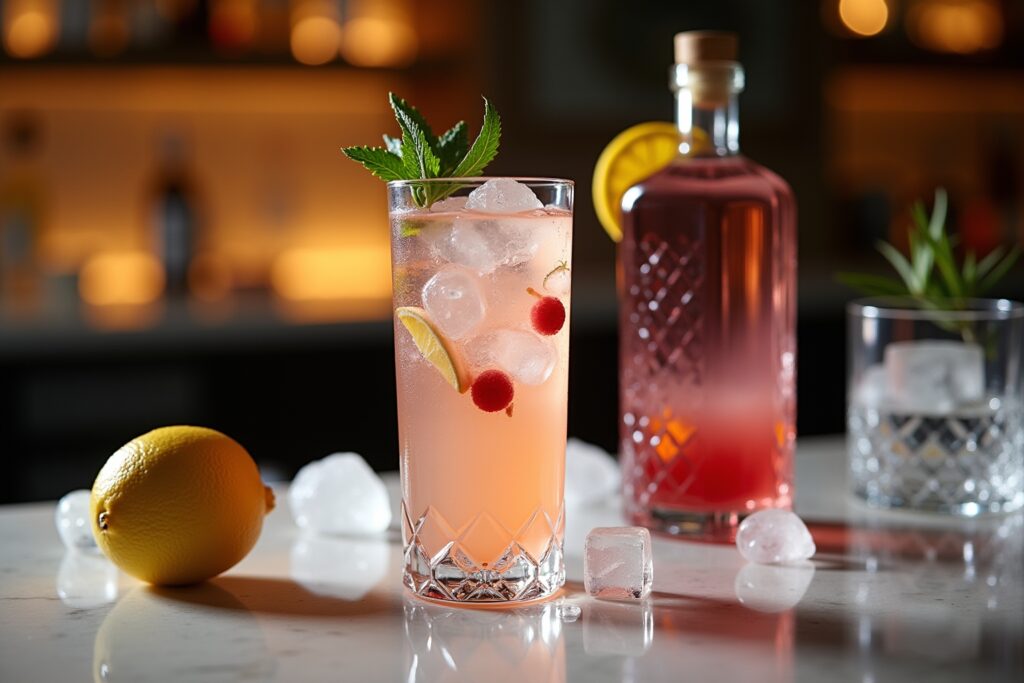
Unlock the full potential of your home bar with expertly crafted gin cocktail recipes designed for both novice and seasoned mixologists. Discover how to elevate your gatherings and personal enjoyment with simple, yet sophisticated, gin-based creations that impress with minimal effort.
These are the most popular Gin Recipes products
Keine Produkte gefunden.The Versatile World of Gin Cocktails
Gin, with its complex botanical profile, offers an unparalleled canvas for cocktail creation. From crisp and refreshing to rich and complex, the spectrum of gin cocktails is vast and endlessly appealing. Understanding the fundamental components and flavor pairings will allow you to confidently explore and adapt classic recipes or even invent your own signature drinks.
Understanding Gin’s Botanical Foundation
The distinct taste of gin is derived from juniper berries, but it’s the addition of other botanicals that truly defines its character. Common botanicals include coriander seeds, angelica root, citrus peels (lemon, orange), cassia bark, and orris root. The specific combination and proportion of these botanicals create a wide array of gin styles, each lending itself to different cocktail applications.
- London Dry Gin: Characterized by its pronounced juniper flavor and dry finish. Excellent for classic cocktails like the Gin & Tonic and Martini.
- Plymouth Gin: Slightly softer and earthier than London Dry, with a more balanced botanical profile. A good choice for a balanced Negroni.
- Old Tom Gin: A sweeter, richer style that was popular in the 18th and 19th centuries. Ideal for reviving historical cocktails like the Tom Collins.
- New Western/Contemporary Gin: These gins often de-emphasize juniper, highlighting other botanicals like floral notes, spices, or fruits. They can be surprisingly versatile and shine in modern interpretations.
Essential Gin Cocktail Recipes
Mastering a few foundational gin cocktail recipes will equip you to handle any occasion. These recipes are chosen for their popularity, relative ease of preparation, and how well they showcase gin’s inherent qualities.
The Classic Gin & Tonic
The quintessential gin cocktail, perfect for a warm afternoon or as a palate cleanser. The key here is balance and quality ingredients.
- Ingredients:
- 2 oz (60 ml) Gin (your preferred style)
- 4-6 oz (120-180 ml) High-quality Tonic Water
- Lime wedge or wheel, for garnish
- Ice cubes
- Instructions:
- Fill a highball glass or copa balloon with ice.
- Pour in the gin.
- Top with tonic water.
- Gently stir to combine.
- Garnish with a lime wedge or wheel.
The Elegant Martini
A sophisticated and strong cocktail, the Martini is a true test of a bartender’s precision and the drinker’s preference. The ratio of gin to vermouth is highly personal.
- Ingredients:
- 2.5 oz (75 ml) Gin (London Dry is classic)
- 0.5 oz (15 ml) Dry Vermouth
- Lemon twist or olive, for garnish
- Ice cubes
- Instructions:
- Fill a mixing glass with ice.
- Add gin and dry vermouth.
- Stir well until thoroughly chilled (about 30 seconds). Do not shake unless you prefer a “shaken, not stirred” style, which will cloud the drink.
- Strain into a chilled coupe or martini glass.
- Garnish with a lemon twist or an olive.
The Refreshing Tom Collins
A timelessly popular, tall, and fizzy drink that is both sweet and tart.
- Ingredients:
- 2 oz (60 ml) Gin (Old Tom is traditional, but London Dry works well)
- 1 oz (30 ml) Fresh Lemon Juice
- 0.5 oz (15 ml) Simple Syrup (1:1 sugar to water)
- Soda Water, to top
- Maraschino cherry and lemon wheel, for garnish
- Ice cubes
- Instructions:
- Fill a cocktail shaker with ice.
- Add gin, lemon juice, and simple syrup.
- Shake well until thoroughly chilled.
- Strain into a Collins glass filled with fresh ice.
- Top with soda water.
- Garnish with a lemon wheel and a maraschino cherry.
The Balanced Negroni
A perfect aperitif, the Negroni is a spirit-forward cocktail known for its equal parts balance of bitter, sweet, and herbaceous notes.
- Ingredients:
- 1 oz (30 ml) Gin
- 1 oz (30 ml) Campari
- 1 oz (30 ml) Sweet Vermouth
- Orange peel, for garnish
- Ice cubes
- Instructions:
- Fill a mixing glass with ice.
- Add gin, Campari, and sweet vermouth.
- Stir well until thoroughly chilled.
- Strain into a rocks glass filled with fresh ice (a large cube is ideal).
- Express the oils from an orange peel over the drink and drop it in as garnish.
The Fruity French 75
A delightful and celebratory cocktail, this gin-based drink is topped with champagne for an extra touch of elegance.
- Ingredients:
- 1 oz (30 ml) Gin
- 0.5 oz (15 ml) Fresh Lemon Juice
- 0.5 oz (15 ml) Simple Syrup
- 2 oz (60 ml) Champagne or other dry sparkling wine, chilled
- Lemon twist, for garnish
- Ice cubes
- Instructions:
- Fill a cocktail shaker with ice.
- Add gin, lemon juice, and simple syrup.
- Shake well until thoroughly chilled.
- Strain into a chilled champagne flute or coupe glass.
- Top gently with champagne.
- Garnish with a lemon twist.
Elevating Your Gin Cocktail Game
Beyond the recipes themselves, several factors contribute to the success of your gin cocktails. Paying attention to these details can transform a good drink into an exceptional one.
Ingredient Quality Matters
Just as with cooking, the quality of your ingredients directly impacts the final product. Opt for high-quality gins, fresh citrus juices, premium tonic waters, and well-reputed vermouths and liqueurs. Even simple syrups can be made at home with fine sugar for a cleaner taste.
The Importance of Ice
Ice is not just for chilling; it’s a crucial component that dilutes the cocktail. Use fresh, clean ice. Larger ice cubes melt slower, providing proper chilling with less dilution, which is especially important for spirit-forward drinks like the Martini or Negroni. For shaken cocktails, crushed ice can be useful for rapid chilling and a different texture.
Tools of the Trade
Having the right tools makes the process smoother and the results more consistent. Essential bar tools include:
- Cocktail Shaker: For chilling and aerating drinks containing citrus or egg white.
- Mixing Glass: For spirit-forward cocktails that require chilling and dilution without aeration.
- Bar Spoon: For stirring cocktails efficiently and elegantly.
- Jigger: For accurate spirit and ingredient measurement.
- Strainer: Hawthorne strainer for shakers, and a fine mesh strainer for double-straining to remove ice shards and pulp.
- Citrus Juicer: For freshly squeezed juice.
- Channel Knife/Peeler: For creating elegant citrus garnishes.
Garnishes: More Than Just Decoration
Garnishes are not merely aesthetic. They contribute aromatically and visually to the cocktail experience. A lemon twist expresses essential oils that add a fragrant citrus aroma, while a sprig of rosemary or a few berries can complement specific botanical notes in the gin. Ensure your garnishes are fresh and prepared just before serving.
Understanding Gin Cocktail Variations
The world of gin cocktails extends far beyond the classics. Experimenting with different modifiers, spirits, and flavor profiles can lead to exciting new discoveries.
Gin and Vermouth Pairings
The relationship between gin and vermouth is fundamental. Dry vermouth is typically used in Martinis, while sweet vermouth is a staple in drinks like the Negroni and Martinez. Exploring different brands of vermouth can reveal subtle shifts in flavor, from herbaceous to floral to spicy.
Incorporating Liqueurs and Bitters
Liqueurs add sweetness, flavor, and complexity. Triple sec (orange liqueur) is crucial for a Gin Rickey, while elderflower liqueur can be a delightful addition to a lighter gin drink. Bitters, used sparingly, provide depth and balance by adding aromatic complexity, cutting through sweetness, and enhancing other flavors. Angostura, orange, and Peychaud’s bitters are common starting points.
Exploring Seasonal and Thematic Cocktails
Gin cocktails can be adapted to suit the seasons or specific occasions. Think of refreshing cucumber and mint combinations for summer, or warming spices like cinnamon and star anise for autumn and winter. Themed parties can inspire unique creations with names and ingredients that tie into the event.
Non-Alcoholic Gin Cocktail Alternatives
For those seeking to enjoy the flavors without the alcohol, many gin cocktails can be adapted using non-alcoholic spirits. These products are designed to mimic the botanical complexity of gin, allowing you to create alcohol-free versions of your favorite drinks, such as a “Gin” & Tonic or a non-alcoholic Tom Collins, using high-quality non-alcoholic gin alternatives and premium tonic or soda water.
| Cocktail Category | Key Gin Styles | Primary Flavor Profile | Typical Serving Occasion | Ease of Preparation |
|---|---|---|---|---|
| Refreshing & Tall | London Dry, Contemporary | Citrusy, effervescent, herbaceous | Daytime, BBQs, warm weather | Easy |
| Spirit-Forward & Classic | London Dry, Plymouth | Herbal, botanical, complex, sometimes bitter | Evening, sophisticated gatherings, aperitif | Moderate |
| Fruity & Elegant | London Dry, Old Tom | Sweet, tart, bubbly, often citrus-forward | Celebrations, special occasions, brunch | Moderate |
| Botanical & Aromatic | Any style, depending on recipe | Highly variable, often complex with floral or spicy notes | Any, for the adventurous palate | Moderate to Advanced |
These are the latest Gin Recipes products with the best ratings.
Keine Produkte gefunden.FAQ – Frequently Asked Questions about Köstliche Gin Cocktail Recipes zum Mixen
What is the best gin for a Gin & Tonic?
The “best” gin for a Gin & Tonic is subjective and depends on your preference. A classic London Dry gin like Tanqueray or Beefeater provides a crisp, juniper-forward base that pairs exceptionally well with most tonics. However, contemporary gins with floral or citrus notes can also create delightful variations. Experimentation is key to finding your personal favorite.
How do I make a simple syrup?
To make simple syrup, combine equal parts granulated sugar and water (e.g., 1 cup sugar to 1 cup water) in a saucepan. Heat gently, stirring until the sugar is completely dissolved. Do not boil. Allow it to cool completely before storing it in an airtight container in the refrigerator. It will keep for several weeks.
What is the difference between stirring and shaking a cocktail?
Shaking a cocktail, typically with ingredients that include citrus, dairy, or egg whites, chills and aerates the drink, creating a lighter texture and often a cloudy appearance. Stirring, used for spirit-forward cocktails like Martinis and Negronis, chills the drink while imparting minimal aeration, resulting in a smoother, clearer, and more spirit-forward profile.
Can I use pre-mixed juices for my cocktails?
While pre-mixed juices are convenient, they generally do not yield the same quality of cocktail as fresh juices. Pre-mixed juices can contain added sugars, preservatives, and may have lost some of their vibrant flavor. For the best results, always opt for freshly squeezed citrus juices.
How can I make my gin cocktails look more professional?
Professional presentation involves attention to detail. Use clear, high-quality ice. Prepare attractive garnishes such as twists, wheels, or herbs. Ensure your glassware is clean and chilled. For spirit-forward drinks, a large, clear ice cube in a rocks glass can elevate the presentation significantly. Even the way you stir or shake and strain can impact the final look.
What are some good gin cocktail recipes for beginners?
Excellent beginner gin cocktails include the Gin & Tonic, Tom Collins, and Gin Rickey. These drinks are relatively simple to make, require few ingredients, and are very forgiving. They offer a great introduction to gin’s versatility and basic mixology techniques.
Are there any gin cocktails that are naturally lower in sugar?
Yes, many gin cocktails can be made with less sugar or use unsweetened components. The Gin & Tonic, when made with a quality dry gin and a low-sugar tonic water, can be relatively low in sugar. The Gin Rickey, traditionally made with gin, lime juice, and soda water, is a classic low-sugar option. You can also reduce or omit the simple syrup in many recipes and adjust to your taste.


