
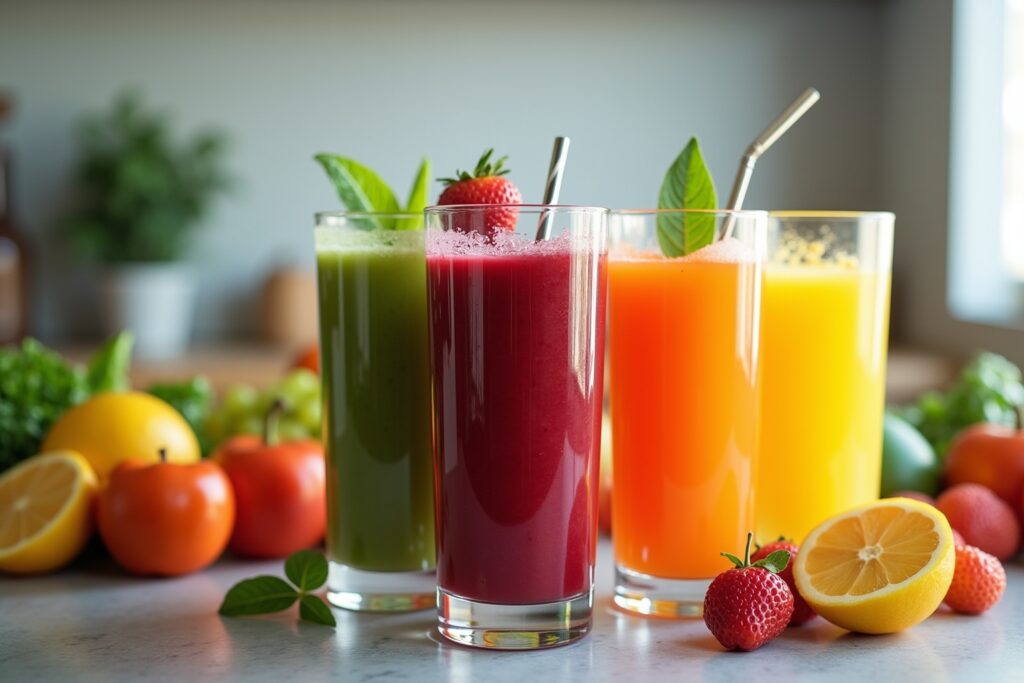
You’re seeking effective and revitalizing ways to incorporate nutrient-dense, fresh juices into your diet for a cleanse. Understanding the benefits and practical application of juice cleansing is crucial for achieving your wellness goals, and this guide provides you with 14 refreshing recipes designed for optimal results.
These are the most popular Juice recipes products
Keine Produkte gefunden.The Core Principles of Juice Cleansing
A juice cleanse involves temporarily replacing solid foods with freshly extracted fruit and vegetable juices. This process aims to give your digestive system a break, allowing it to rest and repair while flooding your body with vitamins, minerals, and antioxidants. The key is to focus on nutrient-rich ingredients that support detoxification pathways and provide sustained energy without the burden of heavy digestion. Choosing the right combination of ingredients is paramount for a successful and beneficial cleanse.
Understanding the Benefits of a Juice Cleanse
Engaging in a juice cleanse can offer a multitude of benefits. You might experience increased energy levels as your body utilizes easily absorbed nutrients. Many individuals report improved digestion and a reduction in bloating after a cleanse. Furthermore, the high intake of antioxidants from fruits and vegetables can support cellular health and contribute to clearer skin. It’s a powerful way to reset your eating habits and reintroduce you to the vibrant goodness of whole foods in a concentrated liquid form.
Selecting the Best Ingredients for Your Juices
The foundation of a successful juice cleanse lies in the quality and combination of your ingredients. Prioritize fresh, organic produce whenever possible to minimize pesticide exposure. A balanced approach involves a mix of fruits and vegetables. Leafy greens like spinach, kale, and romaine lettuce are powerhouses of vitamins and minerals. Root vegetables such as carrots and beets offer earthy sweetness and essential nutrients. Citrus fruits like lemon and lime provide a tart kick and aid in digestion, while apples and pears add natural sweetness. Ginger and turmeric are excellent additions for their anti-inflammatory properties.
Your Comprehensive Guide to 14 Refreshing Juice Cleanse Recipes
1. The Green Powerhouse
This staple juice is packed with chlorophyll and essential vitamins. It’s a fantastic starting point for any cleanse, offering a mild flavor profile that is both invigorating and easy to tolerate.
- Ingredients: 2 cups spinach, 1 cup kale, 1 cucumber, 1 green apple, 1 lemon, 1 inch ginger.
- Benefits: Rich in iron, calcium, and antioxidants; supports detoxification.
2. Citrus Sunrise Zinger
A bright and zesty blend designed to awaken your senses and support your immune system. The combination of citrus and ginger is particularly effective.
- Ingredients: 2 oranges (peeled), 1 grapefruit (peeled), 1 lemon (peeled), 1 inch ginger.
- Benefits: High in Vitamin C, aids digestion, boosts immunity.
3. Root Vegetable Revival
Earthy and grounding, this juice combines the natural sweetness of beets with the nutrient density of carrots and the subtle spice of ginger.
- Ingredients: 2 medium beets, 3 carrots, 1 apple, 1 inch ginger.
- Benefits: Supports liver function, rich in nitrates and beta-carotene.
4. Cucumber Mint Refresher
This hydrating and cooling juice is perfect for warmer days or when you need a simple, palate-cleansing beverage.
- Ingredients: 2 cucumbers, 1 bunch mint, 1 lime, 1 green apple.
- Benefits: Hydrating, aids in flushing toxins, soothing for the digestive system.
5. Berry Antioxidant Blast
A vibrant and delicious juice that harnesses the power of berries, known for their potent antioxidant content.
- Ingredients: 1 cup mixed berries (strawberries, blueberries, raspberries), 1 apple, 1/2 lemon.
- Benefits: High in antioxidants, supports cellular health, delicious taste.
6. Carrot Ginger Glow
This simple yet powerful juice is a fantastic source of beta-carotene, promoting healthy skin and vision.
- Ingredients: 4 large carrots, 1 inch ginger, 1 orange (peeled).
- Benefits: Excellent for skin health, high in Vitamin A, aids digestion.
7. Tropical Green Oasis
A sweeter green juice option that incorporates tropical flavors for a more palatable experience, especially for beginners.
- Ingredients: 1 cup spinach, 1/2 pineapple, 1/2 mango, 1/2 cucumber.
- Benefits: Provides digestive enzymes, vitamins, and minerals.
8. Spicy Celery Kick
Celery juice is renowned for its alkalizing properties and its ability to reduce inflammation. The addition of cayenne adds a metabolism-boosting element.
- Ingredients: 1 bunch celery, 1 cucumber, 1/2 lime, pinch of cayenne pepper.
- Benefits: Hydrating, alkalizing, anti-inflammatory.
9. Apple Cinnamon Spice
A comforting and gently sweet juice that can help regulate blood sugar levels thanks to the inclusion of cinnamon.
- Ingredients: 3 apples, 1/2 inch ginger, 1/4 teaspoon cinnamon.
- Benefits: May help regulate blood sugar, provides antioxidants.
10. Kale Apple Ginger Zest
A more robust green juice that benefits from the sweetness of apple and the warmth of ginger to balance the kale’s intensity.
- Ingredients: 2 cups kale, 2 apples, 1 inch ginger, 1/2 lemon.
- Benefits: High in vitamins K, A, and C; aids digestion.
11. Watermelon Mint Cooler
Incredibly hydrating and refreshing, this juice is perfect for replenishing electrolytes and providing a light, sweet flavor.
- Ingredients: 4 cups cubed watermelon, 1 bunch mint, 1 lime.
- Benefits: Highly hydrating, rich in lycopene, supports kidney function.
12. Beet and Berry Blend
Combining the earthiness of beets with the sweetness and tang of berries creates a unique and nutrient-dense juice.
- Ingredients: 1 medium beet, 1 cup mixed berries, 1 apple.
- Benefits: Supports liver health, rich in antioxidants and fiber.
13. Parsley Power Punch
Parsley is a potent detoxifier and a good source of Vitamin K. This juice is a strong contender for deeper cleansing.
- Ingredients: 2 cups fresh parsley, 1 cucumber, 1 green apple, 1 lemon, 1 inch ginger.
- Benefits: Potent detoxifier, aids in digestion, high in Vitamin K.
14. Pineapple Turmeric Tonic
This vibrant juice combines the anti-inflammatory power of turmeric and ginger with the sweetness of pineapple for a delicious and health-boosting elixir.
- Ingredients: 2 cups pineapple chunks, 1 inch turmeric root, 1 inch ginger root, 1/2 lemon.
- Benefits: Potent anti-inflammatory properties, aids digestion, rich in Vitamin C.
| Juice Category | Primary Focus | Key Ingredients | Typical Benefits |
|---|---|---|---|
| Green Blends | Detoxification & Nutrient Density | Spinach, Kale, Cucumber, Celery, Parsley | Increased Energy, Improved Digestion, Skin Clarity |
| Citrus & Immune Boosters | Vitamin C & Antioxidant Support | Oranges, Lemons, Grapefruit, Berries | Immune System Fortification, Cellular Health |
| Root Vegetable Elixirs | Liver Support & Earthy Nutrients | Beets, Carrots | Liver Function Enhancement, Blood Health |
| Hydrating & Refreshing | Electrolyte Replenishment & Cooling | Watermelon, Cucumber, Mint | Optimal Hydration, Gentle Detoxification |
| Spice Infused Tonics | Anti-inflammatory & Metabolism Support | Ginger, Turmeric, Cayenne | Reduced Inflammation, Digestive Aid |
Integrating Juice Cleanses into Your Wellness Routine
When embarking on a juice cleanse, it’s essential to approach it with preparation and mindful intention. Start by gradually reducing your intake of processed foods, caffeine, and alcohol a few days before your cleanse begins. During the cleanse, prioritize rest and gentle activities like yoga or walking. Listen to your body; if you experience significant discomfort, it’s advisable to stop or modify your cleanse. Reintroducing solid foods slowly after the cleanse is equally important to avoid overwhelming your system.
Duration and Frequency of Juice Cleanses
The duration of a juice cleanse can vary, with common lengths ranging from 1 to 7 days. Shorter cleanses, like a 1-day or 3-day reset, can offer immediate benefits and are often suitable for beginners. Longer cleanses, extending to 5 or 7 days, can provide a more profound detoxification experience but require careful planning and are best undertaken by individuals with some experience. The frequency of cleanses depends on your individual health goals and how your body responds. Many people find a monthly or quarterly cleanse beneficial for maintaining their well-being.
The Importance of Hydration During a Cleanse
While your juices provide significant hydration, drinking plain water throughout the day is still crucial. Water aids in flushing out toxins that the juices help to mobilize. Aim to drink at least 8-10 glasses of water daily, in addition to your juices. Herbal teas, particularly those known for their detoxifying properties like dandelion or peppermint, can also be incorporated.
Tips for a Successful Juice Cleanse Experience
To maximize the benefits of your juice cleanse, consider these practical tips. Invest in a good quality juicer; a masticating juicer is often preferred as it yields more juice and preserves more nutrients compared to centrifugal juicers. Prepare your juices fresh daily, or for convenience, juice in larger batches and store them in airtight glass containers in the refrigerator for up to 48 hours. However, immediate consumption is always best for optimal nutrient absorption. Make sure to include a variety of fruits and vegetables to ensure a broad spectrum of nutrients. Listen to your body’s signals and adjust as needed.
Potential Challenges and How to Overcome Them
It’s common to experience some detox symptoms during a juice cleanse, such as headaches, fatigue, or mild nausea. These are often temporary signs that your body is releasing toxins. Staying well-hydrated, resting adequately, and ensuring you’re consuming enough calories from your juices can help mitigate these effects. If symptoms are severe or persistent, it’s wise to consult with a healthcare professional. Hunger can also be a challenge; ensure your juices are balanced with both fruits and vegetables to provide satiety. If you absolutely need something more, a small handful of raw nuts or seeds can be a good option to break the cleanse.
Optimizing Your Juice Combinations for Specific Needs
While the recipes provided offer a solid foundation, you can tailor them to your specific wellness goals. For enhanced energy, focus on juices rich in B vitamins and natural sugars from fruits like apples and dates. To support digestion, incorporate ingredients like pineapple, ginger, and mint. For skin health, prioritize juices high in Vitamin C and antioxidants from berries, citrus, and leafy greens. Experimenting with different vegetable and fruit combinations can unlock unique flavor profiles and nutritional benefits.
Understanding the Role of Fiber in Juicing
It’s important to note that the process of juicing removes most of the dietary fiber from fruits and vegetables. While this allows for rapid nutrient absorption, fiber plays a crucial role in digestive health and satiety. Therefore, juice cleanses are typically short-term solutions. For long-term health, it’s essential to maintain a diet that includes whole fruits and vegetables to ensure adequate fiber intake.
The Nuances of Sweeteners in Juice Cleanses
The sweetness in your juices should primarily come from the natural sugars present in fruits. While some recipes include ingredients like apples and pears for sweetness, it’s advisable to limit the overall fruit-to-vegetable ratio to manage sugar intake. Avoid adding any refined sugars, honey, or artificial sweeteners to your juices. The goal is to reset your palate and embrace the natural flavors of produce.
When to Seek Professional Guidance
While juice cleanses can be beneficial for many, they are not suitable for everyone. Individuals with certain medical conditions, such as diabetes, kidney disease, or those who are pregnant or breastfeeding, should consult their doctor before starting a juice cleanse. If you have any concerns about your health or the appropriateness of a cleanse for your situation, always seek advice from a qualified healthcare professional.
These are the latest Juice recipes products with the best ratings.
Keine Produkte gefunden.FAQ – Frequently Asked Questions About 14 Refreshing Juice Cleanse Recipes
What is the primary goal of a juice cleanse?
The primary goal of a juice cleanse is to provide your digestive system with a temporary break, allowing it to rest and repair, while simultaneously delivering a concentrated dose of vitamins, minerals, and antioxidants to your body. This can lead to increased energy, improved digestion, and a general feeling of revitalization.
How long should a juice cleanse typically last?
Juice cleanses can range in duration from 1 to 7 days. Shorter cleanses, such as 1 to 3 days, are often recommended for beginners. Longer cleanses, typically 5 to 7 days, may offer more profound detoxification but require careful preparation and are best suited for individuals with prior experience. The ideal duration depends on your personal health goals and how your body responds.
Can I drink coffee or tea during a juice cleanse?
It is generally recommended to avoid caffeine during a juice cleanse. Coffee and black tea can be dehydrating and may interfere with the detoxification process. Herbal teas, such as peppermint, chamomile, or ginger tea, are usually acceptable and can contribute to hydration and provide soothing benefits.
What are some common side effects of a juice cleanse?
Common side effects can include headaches, fatigue, irritability, and mild nausea. These are often temporary symptoms of detoxification as your body adjusts and releases toxins. Staying well-hydrated, getting adequate rest, and ensuring your juices are nutrient-dense can help manage these effects. If symptoms are severe or persistent, consult a healthcare professional.
Should I still drink water during a juice cleanse?
Yes, absolutely. While your juices provide hydration, drinking plain water throughout the day is essential. Water aids in flushing out the toxins that the juices help to mobilize. Aim to drink at least 8-10 glasses of water daily in addition to your juices.
Can I exercise during a juice cleanse?
Moderate exercise, such as walking or gentle yoga, is generally encouraged during a juice cleanse as it can support circulation and detoxification. However, it is advisable to avoid intense or strenuous workouts, as your calorie intake will be significantly reduced, and you may not have the energy reserves for high-impact activities.
What should I eat after a juice cleanse?
Reintroducing solid foods after a juice cleanse should be done gradually. Begin with easily digestible foods like steamed vegetables, fruits, and lean proteins. Avoid processed foods, heavy meals, and sugary items for at least a few days to allow your digestive system to readjust. Slowly incorporate a balanced diet rich in whole foods to maintain the benefits of your cleanse.


