
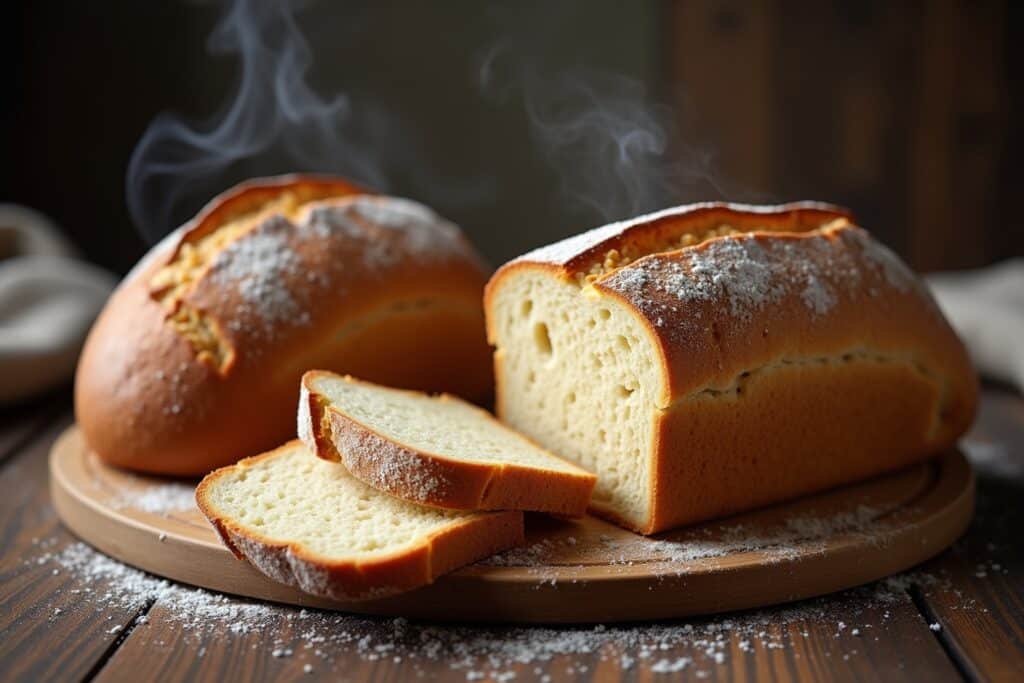
Unlocking the rich, earthy flavors of rye bread offers a delightful culinary journey, whether you’re a seasoned baker or just beginning. You’ll discover a spectrum of recipes that celebrate this versatile grain, from dense, dark loaves to lighter, sandwich-friendly versions. Dive into these 14 delicious rye bread recipes and elevate your home baking.
These are the most popular Rye Recipes products
Keine Produkte gefunden.The Allure of Rye Flour: Understanding Its Unique Properties
Rye flour, derived from the rye grain, possesses distinct characteristics that set it apart from wheat flour. Its lower gluten content contributes to a denser crumb and a characteristic slightly tangy or sour flavor, often enhanced by a sourdough starter. This makes rye bread exceptionally satisfying and pairs beautifully with a wide array of ingredients, from robust cheeses to delicate smoked fish. Understanding these properties is key to successful rye bread baking.
Dark and Dense: The Heart of Traditional Rye
- Pumpernickel Bread: This iconic German rye bread is characterized by its very dark color, dense texture, and slightly sweet, malty flavor. Traditionally baked for long hours at low temperatures, it often features a high percentage of whole rye flour and sometimes a sourdough starter for its signature tang.
- Danish Rugbrød: A staple in Scandinavian cuisine, Rugbrød is a hearty, dense rye bread, often packed with seeds and nuts like sunflower seeds, pumpkin seeds, and linseeds. It’s typically made with a high proportion of rye flour, resulting in a deeply flavorful and nutrient-rich loaf.
- Black Bread (Chernyy Khleb): Common in Eastern European countries, this deeply colored rye bread is known for its robust flavor and chewy texture. It often uses a significant amount of rye flour and can be made with or without a sourdough starter, offering variations in its characteristic sourness.
Lighter and Livelier: Versatile Rye Creations
- Light Rye Bread: For those who prefer a less dense loaf, light rye bread uses a blend of rye flour and wheat flour, often with a higher ratio of wheat. This results in a softer crumb and a more subtle rye flavor, making it an excellent everyday sandwich bread.
- Caraway Rye Bread: The addition of caraway seeds to rye bread is a classic combination, imparting a distinctive aromatic and slightly peppery note that complements the earthy rye flavor perfectly. This is a popular choice for serving with soups and stews.
- Marble Rye Bread: This visually appealing bread features swirls of light and dark dough, typically a combination of rye and white bread dough. It offers a delightful interplay of textures and flavors, making it a conversation starter at any gathering.
Rye Bread with a Twist: Innovative Flavors and Styles
- Beer Rye Bread: Incorporating beer into the dough not only adds a depth of flavor but also contributes to a tender crumb. The malty notes of the beer often harmonize beautifully with the rye flour.
- Multigrain Rye Bread: This recipe elevates rye bread by incorporating a variety of grains and seeds, such as oats, flaxseeds, sunflower seeds, and sometimes even cracked wheat or barley. The result is a highly nutritious and texturally interesting loaf.
- Sweet Rye Bread: While rye is often associated with savory applications, sweet rye bread offers a delightful contrast. These recipes may include ingredients like molasses, honey, or dried fruits, creating a wonderfully moist and flavorful bread with a hint of sweetness.
- Sourdough Rye Bread: The quintessential tangy flavor of rye bread is often amplified and perfected using a sourdough starter. This natural leavening process develops complex flavors and a wonderfully chewy texture, making it a favorite among artisanal bakers.
- Whole Wheat Rye Bread: Combining whole wheat flour with rye flour creates a bread that is both wholesome and flavorful. It offers a balanced profile, benefiting from the nutty notes of whole wheat and the distinct character of rye.
- Onion Rye Bread: The savory addition of sautéed or dried onions to rye bread creates a deeply satisfying flavor experience. The sweetness of the cooked onions complements the rye beautifully, making it an excellent accompaniment to hearty meals.
- Cranberry Walnut Rye Bread: This festive variation combines the tartness of cranberries with the crunch of walnuts within a rye bread base. It’s particularly popular during the fall and holiday seasons, offering a delightful balance of sweet, tart, and nutty flavors.
- Rye Bagels: While often thought of as a wheat-based product, rye flour can be incorporated into bagel dough for a wonderfully chewy and flavorful result. These rye bagels offer a distinct taste profile that stands out from traditional versions.
Rye Bread Baking Essentials: Tips for Success
Baking with rye flour requires a slightly different approach than working with 100% wheat flour due to its lower gluten content. Here are some essential tips to ensure your rye bread turns out perfectly:
- Hydration is Key: Rye flour absorbs more liquid than wheat flour. You may find your dough is stickier. Don’t be tempted to add too much extra flour, as this can lead to a dry loaf. Trust the process and adjust as needed.
- Patience with Proofing: Rye doughs can proof more slowly than wheat doughs. Allow ample time for rising, especially if you’re using a sourdough starter.
- Sourdough Starter: For the classic tangy rye flavor, a well-maintained sourdough starter is invaluable. It not only adds flavor but also helps with the structure of the dense crumb.
- Accurate Measurements: Weighing your ingredients, especially the flour, is crucial for consistent results with rye bread.
- Ventilation During Baking: For dark, crusty rye loaves like pumpernickel, baking with steam in the initial stages can help develop a beautiful, crackling crust.
- Cooling is Crucial: Allow your rye bread to cool completely on a wire rack before slicing. This allows the internal structure to set, preventing a gummy texture.
A Culinary Companion: Pairing Rye Bread with Foods
Rye bread’s robust flavor profile makes it incredibly versatile in the kitchen. Its inherent earthiness and subtle tang complement a wide range of ingredients:
- Cheeses: Sharp cheddars, creamy goudas, and tangy blue cheeses are excellent pairings for rye bread.
- Meats: Smoked meats, cured sausages, and hearty roasts find a perfect partner in rye bread.
- Fish: Smoked salmon, pickled herring, and other rich, oily fish benefit from rye’s balancing acidity.
- Spreads: Butter, cream cheese, and various pâtés are classic accompaniments.
- Soups and Stews: A thick slice of rye bread is ideal for sopping up the rich flavors of hearty broths and stews.
- Sandwiches: From simple ham and cheese to complex Reubens, rye bread forms the foundation of many iconic sandwiches.
Understanding Rye Flour Varieties
The type of rye flour you use significantly impacts the final bread. Here’s a breakdown of common varieties:
- Light Rye Flour: This is the most refined rye flour, with most of the bran and germ removed. It results in a lighter-colored bread with a milder flavor.
- Dark Rye Flour: This flour contains more of the rye bran and germ, leading to a darker color and a more pronounced, earthy rye flavor.
- Medium Rye Flour: A good balance between light and dark, offering a moderate rye flavor and color.
- Whole Rye Flour (Rye Meal): This is the least refined, containing the entire rye grain. It yields the darkest, densest, and most flavorful rye bread, often with a distinctly rustic character.
- Rye Bran: While not a flour itself, rye bran can be added to doughs to increase fiber content and add a nutty texture.
The Health Benefits of Rye Bread
Rye bread is not only delicious but also packed with nutritional advantages. Its whole grain nature means it’s rich in:
- Fiber: Rye is particularly high in dietary fiber, especially soluble fiber, which aids digestion, promotes satiety, and can help regulate blood sugar levels.
- Vitamins and Minerals: It’s a good source of B vitamins (like thiamine and niacin), magnesium, iron, and zinc.
- Antioxidants: Rye contains various phenolic compounds that act as antioxidants, helping to protect your cells from damage.
- Lower Glycemic Index: Compared to many white breads, rye bread generally has a lower glycemic index, meaning it causes a slower rise in blood sugar levels, making it a more sustained energy source.
Troubleshooting Common Rye Bread Issues
Even experienced bakers can encounter challenges with rye bread. Here are solutions to common problems:
- Gummy Texture: This is often due to underbaking or not allowing the bread to cool completely. Ensure the internal temperature reaches at least 190-200°F (88-93°C) and let it cool for several hours. Over-hydration can also contribute.
- Dense and Heavy Loaf: Insufficient rising time, an inactive sourdough starter, or too much rye flour without proper structure support can lead to this. Ensure your starter is active and give the dough ample time to proof.
- Crumbly Bread: This can be caused by too little liquid or over-baking. Ensure you’re using enough liquid for the rye flour’s absorption and don’t overbake.
- Lack of Tangy Flavor: If you’re aiming for a sourdough rye, a well-established and active sourdough starter is essential. Feed your starter regularly and ensure it’s at its peak activity before using it.
- Tough Crust: While a good crust is desirable, a tough one can sometimes result from too much steam for too long or over-baking. Adjust your steaming method and baking time.
A World of Rye: International Variations
The global appreciation for rye bread is evident in its diverse forms. Beyond the specific recipes mentioned, consider these broader categories:
- Nordic Rye Breads: Known for their dense, often dark nature, these breads are a cornerstone of daily meals.
- Eastern European Rye Breads: Characterized by robust flavors and often sourdough fermentation, these loaves are deeply traditional.
- German Rye Breads: From the dark pumpernickel to lighter mixed rye, Germany boasts a rich heritage of rye baking.
- North American Rye Breads: While influenced by European traditions, North American versions often feature lighter rye flours and a greater emphasis on sandwich-style loaves.
The Art of Sourdough Rye
For many, the pinnacle of rye bread baking is achieved through sourdough. A rye sourdough starter ferments rye flour, creating a complex sourness and a chewy texture unmatched by commercial yeast. The process involves:
- Starter Maintenance: Regularly feeding your rye starter with rye flour and water keeps it active and healthy.
- Autolyse: Mixing rye flour and water and letting it rest before adding other ingredients can improve dough extensibility.
- Long Fermentation: Sourdough rye benefits from longer, slower fermentation periods, allowing the wild yeasts and bacteria to develop deep flavors.
- Shaping and Proofing: Handling the sticky rye dough gently is key. Proofing often occurs in a banneton or proofing basket.
- Baking with Steam: Essential for achieving a good crust and oven spring in sourdough rye.
Key Rye Bread Recipe Components
Understanding the role of each ingredient is crucial for successful rye bread:
- Rye Flour: The star ingredient, providing flavor, color, and texture. The type used dictates the loaf’s characteristics.
- Wheat Flour: Often used in combination with rye to provide gluten structure, making the dough easier to handle and resulting in a lighter crumb.
- Water/Liquid: Essential for hydration. Rye absorbs a lot of water, so the amount is critical. Milk or buttermilk can also be used for added richness.
- Leavening Agent: Sourdough starter, commercial yeast, or a combination thereof.
- Salt: Enhances flavor and controls yeast activity.
- Sweeteners: Molasses, honey, or brown sugar can add moisture, flavor, and color, especially in darker rye breads.
- Fats: Butter or oil can contribute to a softer crumb and richness.
- Seeds and Grains: Caraway seeds, linseeds, sunflower seeds, pumpkin seeds, oats, etc., add texture, flavor, and nutritional value.
A Quick Overview of Rye Bread Styles
| Style | Typical Characteristics | Flavor Profile | Texture | Common Usage |
|---|---|---|---|---|
| Pumpernickel | Very dark, dense, moist | Earthy, slightly sweet, malty | Chewy, compact | Open-faced sandwiches, hearty meals |
| Danish Rugbrød | Dense, dark, often packed with seeds | Earthy, nutty, slightly sour | Chewy, firm | Sandwiches, with toppings |
| Light Rye | Lighter color, softer crumb | Mild rye, slightly tangy | Softer, more open | Everyday sandwiches, toast |
| Caraway Rye | Golden brown to dark, depending on rye ratio | Earthy, aromatic with caraway notes | Varies, can be dense or slightly lighter | Soups, stews, deli sandwiches |
| Sourdough Rye | Can range from light to dark, often rustic | Pronounced tangy, complex, earthy | Chewy, open crumb | Artisanal toast, gourmet sandwiches |
These are the latest Rye Recipes products with the best ratings.
Keine Produkte gefunden.FAQ – Frequently Asked Questions about 14 Delicious Rye Bread Recipes
What is the primary difference between rye bread and wheat bread?
The primary difference lies in the type of flour used. Rye bread is made with rye flour, which has lower gluten content than wheat flour. This results in a denser, moister crumb and often a more pronounced, earthy, or slightly sour flavor profile compared to wheat bread, which typically has a lighter texture and milder taste.
Can I substitute wheat flour for rye flour in these recipes?
While you can make substitutions, it will significantly alter the texture and flavor of the bread. Rye flour’s low gluten content is crucial for the characteristic density and flavor of rye bread. If you must substitute, it’s best to use a blend and understand that the result will be closer to a wheat bread with some rye notes, rather than a true rye bread.
How do I achieve a dark color in my rye bread if I’m not using dark rye flour?
Several ingredients can contribute to a darker color. Molasses, dark brown sugar, cocoa powder (used sparingly), or coffee can all deepen the hue of your rye bread. Baking for a longer time at a slightly lower temperature can also contribute to a darker crust.
Why is my rye bread gummy?
A gummy texture in rye bread is often due to underbaking or not allowing the bread to cool completely. Ensure your bread reaches an internal temperature of at least 190-200°F (88-93°C) and let it cool on a wire rack for several hours before slicing. Over-hydration can also contribute to a gummy crumb.
Is rye bread healthier than white bread?
Generally, yes. Rye bread, especially when made with a higher percentage of whole rye flour, is richer in fiber, vitamins, and minerals compared to most white breads. The fiber content aids digestion, promotes satiety, and can help regulate blood sugar levels. Rye bread also typically has a lower glycemic index.
What is the best way to store homemade rye bread?
Once completely cooled, store rye bread at room temperature in a bread box or a paper bag. For longer storage, wrap it tightly in plastic wrap or aluminum foil and keep it in the refrigerator or freezer. Freezing is an excellent option for preserving freshness for several months.
How can I make my rye bread more tangy?
The best way to achieve a tangy rye bread is to use a sourdough starter that has been well-fed and is active. The longer fermentation times associated with sourdough allow for the development of lactic and acetic acids, which contribute to the characteristic sour flavor. Using a higher proportion of rye flour in your sourdough starter can also enhance the tang.


