
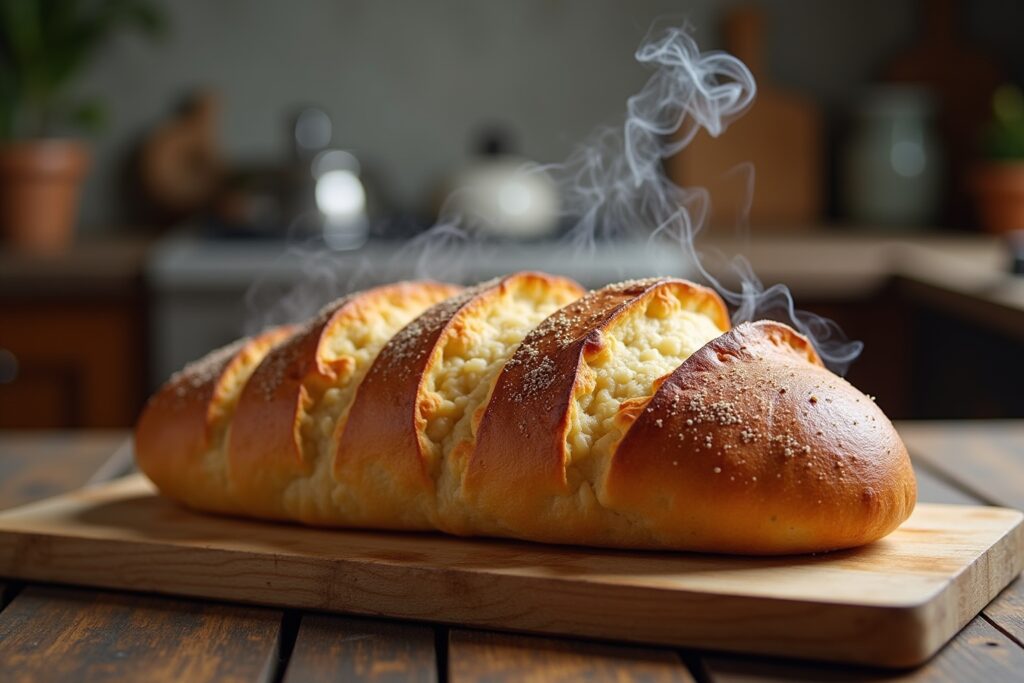
Unlock the full potential of your bread maker with 17 expertly crafted recipes designed for delicious results every time. You’re looking for straightforward, dependable ways to bake incredible bread without the fuss of traditional methods, and this collection delivers exactly that.
These are the most popular Bread Maker products
Keine Produkte gefunden.Mastering Your Bread Maker: Beyond Basic White
Your bread maker is a versatile kitchen appliance capable of producing a wide array of delightful baked goods. Moving beyond the standard white loaf opens up a world of flavor and texture possibilities. This selection focuses on recipes that leverage the automated process of your machine to consistently achieve superior outcomes, from hearty whole grains to sweet treats.
17 Delicious Bread Maker Recipes to Elevate Your Baking
Explore these 17 carefully curated recipes, each designed to showcase the convenience and excellence your bread maker can achieve. You’ll find options for every occasion and taste preference, ensuring you’re always just a button-press away from freshly baked goodness.
- Classic White Bread: The quintessential loaf, perfect for sandwiches and toast.
- Whole Wheat Bread: A nutritious and satisfying option, rich in fiber.
- Sourdough Bread: Achieve that tangy flavor and chewy crust with simplified methods.
- Multigrain Bread: A blend of seeds and grains for complex flavor and texture.
- Rye Bread: Experience the distinct earthy notes of traditional rye.
- Honey Oat Bread: A touch of sweetness with the wholesome goodness of oats.
- Garlic Herb Bread: Infuse your loaf with aromatic herbs and pungent garlic.
- Cinnamon Raisin Bread: A delightful sweet bread, perfect for breakfast or dessert.
- Olive Feta Bread: A savory masterpiece with Mediterranean flair.
- Chocolate Chip Brioche: A rich, buttery dough studded with chocolate.
- Pumpkin Bread: Seasonal comfort in a delicious loaf.
- Gluten-Free Bread: Delicious options for those with dietary restrictions.
- Jalapeño Cheddar Bread: A spicy and cheesy kick to your bread.
- Italian Herb Bread: Aromatic and flavorful, reminiscent of Italian cuisine.
- Banana Nut Bread: A moist and flavorful quick bread.
- Beer Bread: Simple, quick, and full of unique flavor from your favorite brew.
- Rosemary and Sea Salt Focaccia: A rustic, herb-infused flatbread.
Understanding Bread Maker Cycles and Settings
Each bread maker is equipped with different cycles, and understanding these is key to successful baking. Most machines offer a basic white, whole wheat, French, dough, and sometimes quick bread or cake settings. The dough setting is particularly useful, as it kneads and allows the dough to rise, after which you can remove it to shape and bake in a conventional oven for a different crust texture.
When selecting a recipe, always cross-reference the ingredients and timings with your bread maker’s manual. Some machines require ingredients to be added in a specific order (liquids first, then dry ingredients, with yeast last, often in a small well in the flour).
Key Considerations for Optimal Bread Maker Results
Achieving consistently excellent bread from your machine involves more than just following a recipe. Several factors play a crucial role:
- Ingredient Temperature: Ensure your liquids are lukewarm (around 105-115°F or 40-46°C) for yeast activation. Too hot kills the yeast; too cold slows it down.
- Accuracy in Measurement: Baking is a science, especially when using a bread maker. Spoon flour into your measuring cup and level it off; don’t scoop directly from the bag, as this compacts the flour and leads to dry, dense bread.
- Yeast Quality: Always use fresh yeast. Check the expiry date.
- Altitude: If you live at a high altitude, you may need to adjust recipes slightly, often by reducing leavening agents or liquid.
- Machine Specifics: Familiarize yourself with your particular bread maker’s quirks and recommended settings.
A Categorized Overview of Delicious Bread Maker Creations
| Category | Description | Typical Ingredients | Best For |
|---|---|---|---|
| Staple Loaves | Everyday breads essential for sandwiches, toast, and general consumption. | Flour, water, yeast, salt, sugar, fat. | Daily meals, school lunches, breakfast. |
| Enriched & Sweet Breads | Breads with added fats, eggs, sugar, or fruits/nuts, offering a richer flavor and softer texture. | Milk, butter, eggs, sugar, fruits, nuts, spices. | Desserts, special breakfasts, afternoon tea. |
| Specialty & Savory Breads | Breads incorporating unique flavors like herbs, cheeses, vegetables, or alternative grains. | Herbs, spices, cheese, vegetables, alternative flours, liquids like beer or broth. | Appetizers, side dishes, adventurous eaters. |
| Dietary Specific Breads | Recipes formulated to accommodate dietary needs such as gluten-free or whole grain. | Gluten-free flour blends, whole wheat flour, alternative grains, seeds. | Individuals with allergies or specific health goals. |
The Art of Adding Flavor and Texture
Beyond the basic ingredients, infusing your bread maker loaves with additional flavors and textures is where creativity truly shines. Consider incorporating:
- Herbs and Spices: Fresh or dried herbs like rosemary, thyme, or basil, along with spices such as garlic powder, onion powder, or Italian seasoning, can transform a simple loaf into a culinary delight.
- Cheeses: Grated cheddar, parmesan, or crumbled feta cheese can add a savory depth. For best results with softer cheeses, consider using the dough cycle and adding them during the final kneading stage, or as an inclusion if your machine supports it.
- Seeds and Nuts: Sunflower seeds, pumpkin seeds, flaxseeds, walnuts, or pecans add delightful crunch and nutritional value.
- Dried Fruits: Raisins, cranberries, apricots, or chopped dates can introduce sweetness and chewiness, particularly effective in breakfast or dessert breads.
- Vegetables: Finely grated carrots, zucchini (well-drained), or cooked sweet potato can add moisture and subtle flavors.
When adding inclusions like cheese, nuts, or dried fruits, it’s often best to add them when your bread maker signals it’s time for inclusions, typically towards the end of the kneading cycle. This prevents them from being over-processed into the dough.
Troubleshooting Common Bread Maker Issues
Even with the best recipes, occasional hiccups can occur. Here are solutions to common bread maker problems:
- Dense Loaf: This is often due to too much flour, not enough liquid, or inactive yeast. Ensure accurate measurements and fresh yeast.
- Cracked Top: Usually caused by too much leavening (yeast or baking soda/powder) or dough rising too quickly. Try reducing the yeast slightly or using a whole wheat setting if available.
- Undercooked Bottom: Some bread makers have hotter bottoms. Placing a baking sheet under the pan when removing the loaf can help it cool evenly. Ensure the pan is placed correctly in the machine.
- Misshapen Loaf: Over-proofing can cause the dough to collapse. Ensure correct ambient temperature for rising.
- Pale Crust: Your machine may have a lighter browning setting. Try a darker setting or brush the top with milk or egg wash before baking if using the dough cycle.
The Versatility of the Dough Cycle
Don’t underestimate the power of your bread maker’s dough cycle. This setting is perfect for preparing dough for pizzas, calzones, rolls, or any baked good that benefits from a perfectly kneaded and risen base but requires a different final baking method. Simply add your dough ingredients, select the dough cycle, and when it’s finished, remove the dough, shape it as desired, let it rest for a second rise if needed, and bake in your conventional oven.
Baking Gluten-Free Bread in Your Machine
Making gluten-free bread in a bread maker can be a game-changer for those who avoid gluten. Gluten-free flours behave differently from wheat flour, so specialized recipes are crucial. These recipes often rely on a blend of flours like rice flour, tapioca starch, potato starch, and sometimes xanthan gum to provide structure and elasticity. Your bread maker’s gluten-free setting, if available, is specifically designed to accommodate the unique mixing and baking needs of these flours.
These are the latest Bread Maker products with the best ratings.
Keine Produkte gefunden.FAQ – Frequently Asked Questions about 17 Delicious Bread Maker Recipes
What is the most important factor for success with bread maker recipes?
The most critical factor is accurate measurement of ingredients, especially flour and liquids. Using too much or too little of either can drastically affect the texture and outcome of your bread. Always use the spoon-and-level method for flour and ensure your liquids are at the correct temperature for yeast activation.
Can I use bread machine recipes in a conventional oven?
Yes, many bread machine recipes can be adapted for a conventional oven. You would typically use the dough cycle of your machine to knead and rise the dough, then remove it, shape it, allow for a final rise, and bake in your oven. The ingredients remain largely the same, but the baking time and temperature will differ.
How do I prevent my bread from collapsing after baking?
A collapsing loaf is often a sign of over-proofing (the dough rose too much and lost its structure) or insufficient gluten development (though this is less common with bread maker recipes as they are designed for the machine’s kneading). Ensure your yeast is fresh and the dough isn’t exposed to excessive warmth during rising. If using a quick bread setting, ensure you’re not overdoing the leavening agents.
What is the role of sugar in bread maker recipes?
Sugar plays multiple roles. It feeds the yeast, aiding in fermentation and rising. It also contributes to the crust’s browning and adds a subtle sweetness that balances the flavor of the bread. In enriched breads, it also helps tenderize the crumb.
How often should I replace the kneading paddle in my bread maker?
The kneading paddle typically lasts for many loaves, often hundreds. However, if you notice it becoming misshapen, difficult to clean, or if it starts to damage the bottom of your loaves, it’s time for a replacement. Some users find that after extensive use, the non-stick coating can wear off, making it harder to remove the paddle cleanly.
Can I add mix-ins like nuts or chocolate chips to any bread maker recipe?
Yes, you can add mix-ins to most bread maker recipes, but it’s best to do so when your machine signals for inclusions, usually near the end of the kneading cycle. Adding them too early can cause them to break down excessively. For very large or delicate mix-ins, consider adding them during the final few minutes of kneading or after the dough cycle using the dough setting.
What is the difference between a “basic” and a “whole wheat” setting on a bread maker?
The whole wheat setting is designed for doughs that contain a higher proportion of whole wheat flour. Whole wheat flour has a heavier bran and germ content, which can make the dough denser and require more kneading and a longer rise time. The whole wheat cycle typically incorporates a longer kneading period and potentially a longer bake time to ensure the denser loaf is cooked through properly.


