
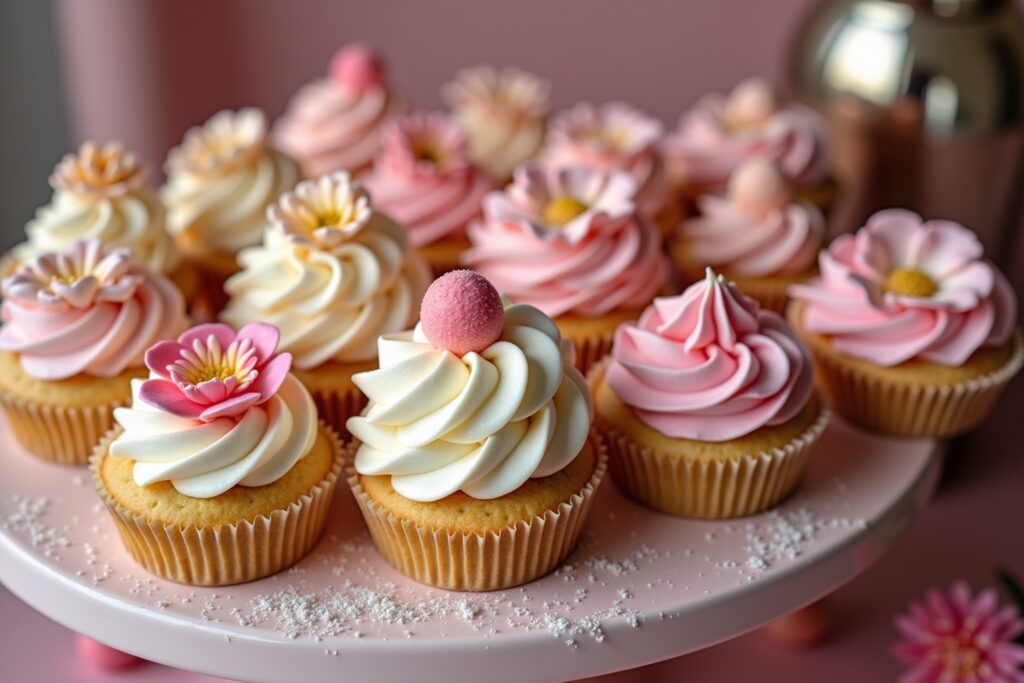
Elevate your baking with 16 exquisite buttercream recipes designed to transform any cake or dessert into a masterpiece for every celebration. Discover the secrets to achieving the perfect texture and flavor, ensuring your creations are not only visually stunning but also incredibly delicious for all your special moments.
These are the most popular Buttercream Recipes products
Keine Produkte gefunden.Mastering the Art of Buttercream: Essential Techniques and Tips
Creating flawless buttercream is a skill that can be learned and perfected with practice and understanding. The foundation of any exceptional buttercream lies in the quality of your ingredients and the precision of your technique. Achieving the right consistency, flavor, and stability is paramount for decorating cakes and pastries that impress.
The Classic American Buttercream: A Versatile Staple
American buttercream is renowned for its simplicity and sweetness, making it a favorite for many home bakers. It’s typically made with softened butter, powdered sugar, and a liquid, such as milk or cream, along with a flavoring. The key to a smooth and lump-free American buttercream is to cream the butter until it’s light and fluffy before gradually adding the powdered sugar. Over-mixing can lead to a greasy texture, so finding that sweet spot is crucial. This recipe is incredibly adaptable, allowing you to infuse it with a wide array of flavors, from classic vanilla and rich chocolate to vibrant fruit extracts.
French Buttercream: Richness and Elegance
For a more sophisticated and decadent experience, French buttercream is an excellent choice. This recipe begins with a sugar syrup cooked to the soft-ball stage, which is then slowly poured into whipped egg yolks. As the mixture cools, softened butter is gradually incorporated, creating an incredibly smooth, silky, and rich frosting. The resulting buttercream is less sweet than American buttercream and boasts a luxurious mouthfeel. Its delicate flavor profile makes it an ideal pairing for fine cakes and pastries where a subtle elegance is desired.
Swiss Meringue Buttercream: Silky Smooth and Stable
Swiss meringue buttercream offers a delightful balance of sweetness and stability, making it a favorite for professional bakers and intricate cake decorating. This method involves heating egg whites and sugar over a double boiler until the sugar is dissolved and the mixture reaches approximately 160°F (71°C). This cooked meringue is then whipped until stiff peaks form, and cooled before softened butter is gradually beaten in. The result is an exceptionally smooth, stable, and less sweet buttercream that holds its shape beautifully, making it perfect for piping intricate designs and achieving flawless finishes.
Italian Meringue Buttercream: The Ultimate in Stability
Similar to Swiss meringue buttercream, Italian meringue buttercream uses a hot sugar syrup, but this time it’s poured into whipping egg whites. This method results in a cooked meringue that is highly stable and can withstand warmer temperatures, making it ideal for elaborate cake decorations and outdoor events. The cooled meringue is then combined with softened butter to create a luscious, smooth, and relatively stable buttercream. Its fine texture and versatility make it a go-to for professional bakers looking for a reliable and elegant frosting.
Exploring Variations: Beyond the Basics
16 Buttercream Recipes for Every Occasion
Here is a curated list of 16 buttercream recipes, each offering a unique flavor profile and texture to suit any baking endeavor. From classic favorites to adventurous combinations, you’ll find the perfect buttercream to make your next creation unforgettable.
1. Classic Vanilla Bean Buttercream
The quintessential buttercream, infused with real vanilla bean specks for an authentic, rich flavor. Perfect for almost any cake.
2. Rich Chocolate Fudge Buttercream
A deeply decadent and intensely chocolatey buttercream, achieved with high-quality cocoa powder and melted dark chocolate.
3. Velvety Cream Cheese Buttercream
A delightful tang from cream cheese combined with the sweetness of buttercream, ideal for carrot cakes, red velvet, and more.
4. Zesty Lemon Buttercream
Bright and refreshing, this buttercream gets its vibrant flavor from fresh lemon juice and zest. Excellent for citrus cakes and cupcakes.
5. Luscious Strawberry Buttercream
Made with fresh strawberry puree, this buttercream offers a beautiful pink hue and a naturally sweet, fruity taste.
6. Salted Caramel Buttercream
A sophisticated blend of sweet and salty, this recipe incorporates homemade or high-quality store-bought salted caramel sauce.
7. Coffee Espresso Buttercream
For the coffee lovers, this buttercream is infused with strong espresso or instant coffee for a robust flavor that pairs wonderfully with chocolate or vanilla.
8. Coconut Cream Buttercream
A tropical delight, this recipe uses coconut cream and extract to impart a delicate, creamy coconut flavor.
9. Raspberry Swirl Buttercream
Featuring swirls of vibrant raspberry puree, this buttercream adds both visual appeal and a burst of berry flavor.
10. Peanut Butter Lovers Buttercream
Creamy peanut butter is blended into a classic buttercream base for a rich, nutty, and irresistible frosting.
11. Lavender Honey Buttercream
A uniquely elegant option, infused with culinary lavender and sweet honey for a floral and sophisticated taste.
12. Mint Chocolate Chip Buttercream
A refreshing twist, this buttercream combines cool mint flavor with miniature chocolate chips for a classic dessert combination.
13. Spiced Apple Cider Buttercream
Perfect for fall baking, this recipe incorporates reduced apple cider and warming spices like cinnamon and nutmeg.
14. Earl Grey Tea Buttercream
Steeped Earl Grey tea leaves lend a subtle, aromatic bergamot flavor to this sophisticated buttercream.
15. White Chocolate Ganache Buttercream
A luxurious fusion of smooth white chocolate ganache and buttercream, creating an incredibly rich and creamy frosting.
16. Matcha Green Tea Buttercream
Earthy and slightly bitter, high-quality matcha powder creates a visually striking green buttercream with a unique flavor profile.
Buttercream Recipe Comparison
| Buttercream Type | Key Ingredients | Texture | Sweetness Level | Best For | Difficulty Level |
|---|---|---|---|---|---|
| American Buttercream | Butter, powdered sugar, liquid | Light, fluffy | High | Cupcakes, simple cakes, frosting | Easy |
| French Buttercream | Butter, sugar syrup, egg yolks | Silky, rich, smooth | Medium | Gourmet cakes, pastries | Medium |
| Swiss Meringue Buttercream | Butter, egg whites, sugar | Smooth, stable, less dense | Medium-Low | Piping intricate designs, smooth finishes | Medium |
| Italian Meringue Buttercream | Butter, egg whites, hot sugar syrup | Very stable, smooth, luxurious | Medium-Low | Wedding cakes, elaborate decorations, warm climates | Medium-Hard |
| Cream Cheese Buttercream | Butter, cream cheese, powdered sugar | Tangy, rich, slightly denser | Medium | Carrot cake, red velvet cake, cookies | Easy |
Achieving the Perfect Consistency and Flavor
The journey to perfect buttercream involves understanding how to manipulate its consistency and infuse it with captivating flavors. Consistency is dictated by the ratio of fat (butter, shortening) to sugar and liquid. Too much liquid will result in a runny frosting, while too little will yield a stiff, unworkable product. For a stiffer buttercream suitable for piping, you might reduce the liquid or increase the powdered sugar slightly. For a softer, spreadable frosting, a touch more liquid or a bit more butter can be added.
Flavor infusion is where you can truly let your creativity shine. Beyond vanilla extract, consider using fruit purees (strained to remove seeds and excess liquid), citrus zests, coffee or espresso powder dissolved in a small amount of hot water, melted high-quality chocolate, liqueurs, or even infused extracts. When using purees or fruit juices, be mindful of their water content, as they can affect the buttercream’s stability. Reducing them slightly before incorporation can help maintain the desired consistency.
Essential Tools for Buttercream Success
Having the right tools can significantly enhance your buttercream experience. A stand mixer with a whisk and paddle attachment is invaluable for achieving smooth, aerated buttercreams. If you don’t have a stand mixer, a powerful hand mixer can also do the job. Measuring ingredients accurately, especially butter, is crucial; using a kitchen scale can provide the most precise results. For achieving smooth textures, a fine-mesh sieve is essential for sifting powdered sugar and cocoa powder, preventing lumps.
When it comes to decorating, a set of piping bags and a variety of piping tips (such as round tips for borders, star tips for rosettes, and leaf tips) will allow you to create diverse designs. An offset spatula is perfect for smoothly frosting cakes and cupcakes, while a bench scraper can help achieve sharp, clean edges on larger cakes. For more intricate work, consider a turntable, which allows you to rotate your cake easily as you frost.
Troubleshooting Common Buttercream Problems
Even experienced bakers encounter buttercream challenges. Here are solutions to common issues:
- Greasy or Oily Buttercream: This often happens when butter is too warm or over-mixed. Try chilling the mixture briefly and then re-beating it. If the butter has completely separated, it might be difficult to salvage entirely, but chilling and re-whipping can sometimes help emulsify it again.
- Grainy or Lumpy Buttercream: Ensure your powdered sugar is sifted. If using granulated sugar, it must be fully dissolved. For meringue-based buttercreams, make sure the meringue is fully cooled before adding butter, and add the butter gradually.
- Too Soft/Runny Buttercream: Add more sifted powdered sugar, a tablespoon at a time, while mixing on low speed. Alternatively, chill the buttercream for 15-30 minutes and then re-whip.
- Too Stiff Buttercream: Add more liquid, such as milk, cream, or even a touch of water, a teaspoon at a time, until the desired consistency is reached.
- Sweetness Overload: For American buttercream, you can try adding a pinch of salt to balance the sweetness. For other types, consider adding more flavoring with a less sweet profile, like lemon zest or espresso.
These are the latest Buttercream Recipes products with the best ratings.
Keine Produkte gefunden.FAQ – Frequently Asked Questions about 16 Buttercream Recipes for Any Occasion
What is the best type of buttercream for beginners?
For beginners, American buttercream is generally the easiest to master. Its simple ingredient list and straightforward preparation make it forgiving. While it can be very sweet, its accessibility and versatility make it an excellent starting point for learning the basics of frosting.
Can I make buttercream ahead of time?
Yes, most buttercreams can be made ahead of time. Store them in an airtight container in the refrigerator. For American buttercream, it can typically be stored for up to two weeks. Meringue-based buttercreams (Swiss and Italian) also store well for about a week. Before using, allow the chilled buttercream to come to room temperature and then re-whip it until smooth and creamy, as the butter may have firmed up significantly.
How do I prevent my buttercream from melting in warm weather?
For warm weather, Italian meringue buttercream is your most stable option due to its cooked meringue base. You can also increase the ratio of shortening to butter in American buttercream, as shortening holds its structure better at warmer temperatures. Ensure your cake is kept in a cool environment, such as a refrigerator or air-conditioned room, until serving.
What is the difference between buttercream and frosting?
While often used interchangeably, buttercream specifically refers to a frosting made primarily from butter and powdered sugar. Frosting is a broader term that can include a variety of sweet toppings for cakes and pastries, such as cream cheese frosting, ganache, or whipped cream toppings, which may or may not contain butter.
How can I achieve vibrant colors in my buttercream?
For vibrant colors, it’s best to use gel food coloring rather than liquid. Gel colors are highly concentrated and contain less water, so they won’t significantly alter the consistency of your buttercream. Start with a small amount and gradually add more until you achieve your desired shade. For natural coloring, consider using fruit powders (like raspberry or blueberry), matcha powder for green, or cocoa powder for brown.
Can I use oil instead of butter for a dairy-free option?
While some recipes can be adapted with dairy-free butter substitutes or shortening, using oil instead of butter in traditional buttercream will yield a very different texture and flavor. It will likely result in a less stable and greasier frosting. Dairy-free butter alternatives designed for baking are generally the best substitutes for achieving a texture closer to traditional buttercream.
How much buttercream do I need for a standard cake?
A general guideline is to have enough buttercream to generously fill and frost a two-layer 8-inch or 9-inch round cake. This typically requires about 4-6 cups of frosting. For cupcakes, you’ll need about 1-2 tablespoons of frosting per cupcake, so a standard batch will frost 24-36 cupcakes.


