
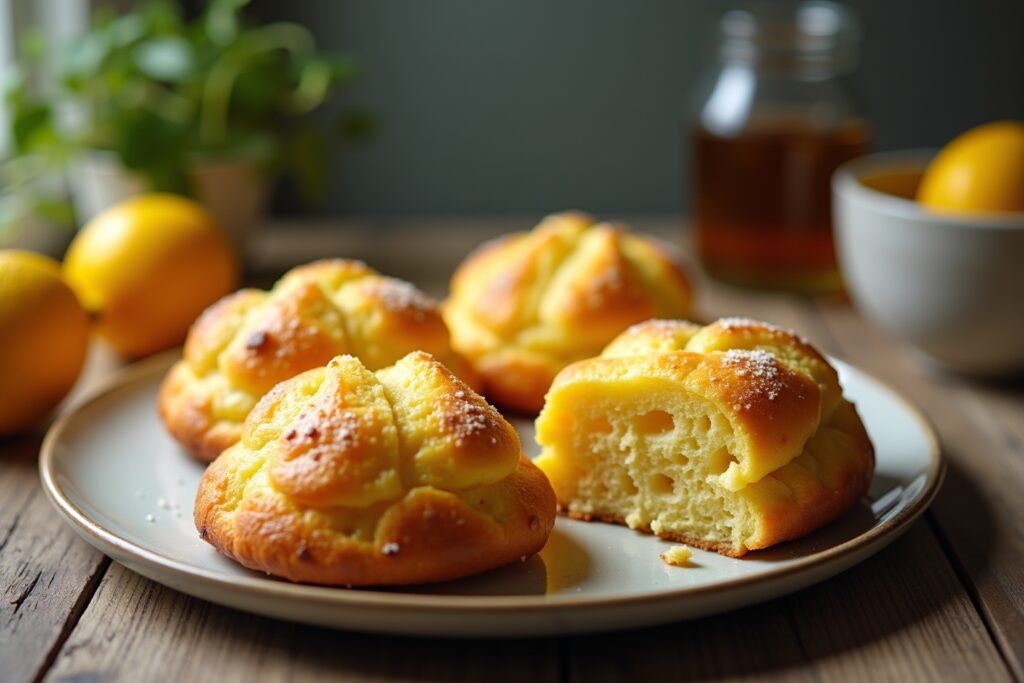
Seeking to elevate your baking with bright, refreshing flavors? Mastering a selection of zesty lemon recipes allows you to infuse desserts, breads, and pastries with a vibrant citrus punch that appeals to a broad audience seeking delicious, easily replicable treats.
These are the most popular Lemon Cookbook products
Keine Produkte gefunden.The Allure of Zesty Lemon in Baking
Lemon, with its inherent tanginess and aromatic zest, is a cornerstone ingredient in countless beloved baked goods. Its ability to cut through richness, brighten flavors, and add a sophisticated complexity makes it a year-round favorite. Whether you’re a seasoned baker or just starting out, incorporating lemon into your repertoire opens up a world of possibilities for creating memorable dishes.
17 Must-Try Zesty Lemon Baking Recipes
1. Classic Lemon Pound Cake
A quintessential lemon bake, this pound cake is dense, moist, and infused with both lemon juice and zest. It’s often finished with a simple lemon glaze, providing an extra layer of tangy sweetness. This recipe is a foundational piece for any lemon lover’s collection, offering reliable deliciousness with every slice.
2. Lemony Blueberry Muffins
The combination of tart lemon and sweet blueberries is a match made in heaven. These muffins are light, fluffy, and studded with juicy blueberries, with a subtle lemon undertone that enhances their flavor without overpowering the fruit. They are perfect for breakfast or a mid-afternoon snack.
3. Lemon Raspberry Scones
These scones offer a delightful balance of tartness from the lemon and sweetness from the raspberries. Crumbly on the outside and tender on the inside, they are excellent served warm with a dollop of cream or jam. The zest provides a fragrant lift that complements the berries beautifully.
4. Lemon Ricotta Pancakes
For a truly special breakfast, these lemon ricotta pancakes are a revelation. The ricotta cheese makes them incredibly tender and moist, while the lemon zest and juice lend a bright, zesty flavor. They are lighter than traditional pancakes and have a subtle, elegant citrus note.
5. Lemon Olive Oil Cake
This rustic cake utilizes olive oil for its moistness and a subtle peppery undertone, which pairs wonderfully with the vibrant lemon flavor. It’s typically made in a loaf pan and can be served plain or with a light dusting of powdered sugar. The olive oil adds a unique depth that distinguishes it from butter-based cakes.
6. Lemon Meringue Pie
A showstopper, this pie features a buttery crust, a silky, tangy lemon curd filling, and a cloud of fluffy meringue. The tartness of the lemon filling is perfectly balanced by the sweet, airy meringue, creating a harmonious dessert that is both visually stunning and incredibly delicious.
7. Lemon Poppy Seed Bread
A classic quick bread, lemon poppy seed bread is moist, flavorful, and easy to prepare. The poppy seeds add a delightful texture, while the lemon zest and juice provide its signature zesty kick. It’s fantastic for slicing and serving with coffee or tea.
8. Lemon Sugar Cookies
These cookies are crisp, buttery, and packed with lemon flavor. The sugar cookie base provides a sweet canvas for the bright citrus notes, and they can be decorated with a lemon glaze or simple sanding sugar for extra sparkle. They are wonderfully simple yet utterly satisfying.
9. Lemon Curd Tartlets
Individual tartlets filled with luscious, homemade lemon curd are elegant and irresistible. The shortcrust pastry provides a crisp contrast to the smooth, intensely flavored filling. These are perfect for parties or as a sophisticated dessert after a meal.
10. Lemon Rosemary Focaccia
Savory baking gets a zesty upgrade with this lemon rosemary focaccia. The combination of herbaceous rosemary and bright lemon zest creates an aromatic and flavorful bread that’s perfect as a side dish or appetizer. The lemon adds a refreshing counterpoint to the savory elements.
11. Lemon Lavender Shortbread
A more delicate and floral approach to lemon baking, this shortbread incorporates subtle notes of lavender alongside the zesty lemon. The result is an elegant biscuit with a unique flavor profile that is both comforting and sophisticated. It’s a delightful twist on traditional shortbread.
12. Lemon Drizzle Cake
Similar to a pound cake but often lighter, the lemon drizzle cake is characterized by its incredibly moist crumb and a generous topping of tangy lemon syrup or glaze that soaks into the cake, infusing it with flavor. It’s a beloved British classic for good reason.
13. Lemon Chiffon Cake
Known for its incredibly light and airy texture, a chiffon cake uses oil and whipped egg whites to achieve its signature tenderness. Infused with lemon zest and juice, it’s a delicately flavored cake that melts in your mouth. It’s often served with a light glaze or fresh fruit.
14. Lemon Biscotti
These twice-baked Italian cookies are crisp, crunchy, and perfect for dipping into coffee, tea, or dessert wine. The addition of lemon zest provides a refreshing counterpoint to their crisp texture, making them an ideal accompaniment to a warm beverage.
15. Lemon Cream Cheese Danishes
Flaky puff pastry filled with a sweet, tangy cream cheese and lemon mixture makes for a delightful breakfast pastry or treat. The bright lemon cuts through the richness of the cream cheese and pastry, creating a perfectly balanced flavor.
16. Lemon Bar Brownies
Imagine the chewy, chocolatey goodness of a brownie topped with a bright, tangy lemon curd layer. This fusion dessert offers the best of both worlds – rich chocolate and vibrant citrus – in every bite. It’s an unexpected but utterly delicious combination.
17. Lemon Poppy Seed Cookies
These cookies are a softer, chewier alternative to lemon sugar cookies, often featuring the classic pairing of lemon and poppy seeds. They offer a delightful texture and a burst of citrus flavor in every bite, making them a crowd-pleaser.
Baking with Lemon: Key Techniques and Considerations
Achieving the perfect zesty lemon flavor in your bakes involves understanding a few key principles. The zest, the colored outer layer of the lemon peel, contains the essential oils that deliver the most potent aroma and flavor. It’s crucial to zest carefully, avoiding the bitter white pith underneath. Lemon juice provides acidity and moisture, balancing sweetness and enhancing other flavors. When using both zest and juice, consider how their distinct contributions will interact within your recipe. For example, in cakes and muffins, zest often provides a more consistent flavor throughout, while juice can be incorporated into glazes or syrups for a more concentrated tang.
Understanding Lemon Varieties for Baking
While common lemons like the Eureka and Lisbon varieties are excellent all-purpose choices, exploring other types can add nuance. Meyer lemons, a hybrid of lemon and mandarin orange, offer a sweeter, less acidic profile with hints of floral and herbal notes, making them ideal for recipes where a milder citrus flavor is desired. Sicilian lemons are known for their thick rind, rich in aromatic oils, and a less tart juice, making them superb for zesting and creating intense lemon flavors without excessive acidity.
Ingredient Substitutions and Enhancements
When a recipe calls for fresh lemon juice, bottled can be a substitute in a pinch, though fresh always yields superior flavor. If fresh lemons are unavailable, a good quality lemon extract can add lemon flavor, but use it sparingly as it can be potent and artificial if overused. For recipes calling for lemon zest and you don’t have fresh lemons, lemon zest from the grocery store (often found frozen or dried) can be an option, but its flavor is less vibrant. To enhance lemon flavor, consider pairing it with complementary ingredients like ginger, vanilla, or other berries. A pinch of salt in sweet lemon bakes can actually amplify the citrus notes, adding complexity.
Troubleshooting Common Lemon Baking Issues
One common issue is a lack of intense lemon flavor. This can often be rectified by ensuring you’re using fresh lemons and incorporating plenty of zest. If your lemon baked goods are too tart, a bit more sugar or a sweeter glaze can help. Conversely, if they are too sweet and lack tang, a squeeze of fresh lemon juice or a more acidic lemon variety might be needed. Overmixing batter for cakes and muffins can lead to a tough texture; always mix until just combined. For pies and tarts, ensuring the filling is properly thickened is key to achieving the desired consistency.
The Role of Acidity in Lemon Baking
The acidity of lemon juice plays a critical role beyond just flavor. It reacts with leavening agents like baking soda to help baked goods rise, contributing to a lighter texture. In custards and curds, the acidity helps to set the eggs, creating a smooth and creamy consistency. It also has a tenderizing effect on gluten in doughs, making for softer cakes and breads. Understanding these chemical reactions allows you to better control the outcome of your lemon bakes.
Elevating Your Lemon Baked Goods with Toppings and Garnishes
The visual and textural appeal of your lemon bakes can be significantly enhanced with thoughtful toppings and garnishes. A simple dusting of powdered sugar, a glossy lemon glaze made with powdered sugar and lemon juice, or a delicate lemon buttercream frosting can transform a simple cake. Fresh berries, candied lemon peel, or a sprig of mint can add color and freshness. For more elaborate presentations, toasted meringue or a sprinkle of edible flowers can create stunning visual effects. Even a simple dusting of lemon zest over the finished product adds an immediate burst of aroma and visual cue to its flavor profile.
A Table of Zesty Lemon Baking Recipe Categories
| Recipe Category | Key Characteristics | Primary Lemon Contribution | Typical Occasion |
|---|---|---|---|
| Cakes & Breads | Moist, tender crumb; often dense or light | Zest for aroma, juice for tang and moisture | Dessert, afternoon tea, breakfast |
| Muffins & Scones | Light, fluffy, or crumbly texture | Zest for bright flavor, juice for balance | Breakfast, snack, tea time |
| Pies & Tarts | Creamy fillings, crisp crusts | Juice for tartness and setting, zest for intensity | Dessert, special occasions |
| Cookies & Biscotti | Crisp, chewy, or tender | Zest for flavor, juice for subtle tang | Snack, with beverages, dessert |
| Savory Bakes | Aromatic, flavorful crust or crumb | Zest for bright contrast, juice for subtle lift | Appetizer, side dish |
These are the latest Lemon Cookbook products with the best ratings.
Keine Produkte gefunden.FAQ – Frequently Asked Questions about 17 Zesty Lemon Baking Recipes
What is the best way to get the most lemon flavor from my ingredients?
The most effective way to maximize lemon flavor is by using both fresh lemon zest and fresh lemon juice. The zest, particularly from organic lemons, contains the highest concentration of aromatic oils. Grate the zest using a fine grater or microplane, ensuring you only capture the yellow part of the peel and avoid the bitter white pith. Combine this with freshly squeezed lemon juice for a balanced and vibrant citrus profile.
Can I substitute lemon extract for fresh lemon in these recipes?
Lemon extract can be used as a substitute for fresh lemon juice or zest, but it should be done with caution. Extracts are highly concentrated and can impart an artificial flavor if overused. Typically, you would use a much smaller amount, around 1/4 to 1/2 teaspoon of extract for every tablespoon of lemon juice or tablespoon of zest called for. It’s best to taste and adjust, and fresh ingredients are always preferred for the best natural flavor.
How do I prevent my lemon baked goods from being too sour?
The sourness in lemon baked goods comes from the citric acid in the lemon juice. To balance this, ensure your recipe includes adequate sweetness from sugar, honey, or other sweeteners. The ratio of lemon juice to sugar is critical. If a recipe seems too tart after baking, you can often correct this by adding a simple lemon glaze (powdered sugar mixed with a little lemon juice) or a dusting of powdered sugar on top. Some recipes also benefit from a pinch of salt, which can paradoxically enhance sweetness and balance tartness.
What makes a lemon cake moist?
Several factors contribute to a moist lemon cake. The use of fats like butter or oil is essential, as they add richness and moisture. Ingredients like sour cream, yogurt, or ricotta cheese also significantly increase moisture content and tenderness. Lemon juice itself contributes moisture. Finally, the leavening agents and the baking time play a role; overbaking can dry out any cake, so it’s important to bake until a toothpick inserted into the center comes out with moist crumbs attached, rather than completely clean.
Are there any specific tips for making lemon curd?
Making lemon curd involves gently cooking egg yolks, sugar, lemon juice, and zest, often with butter, until thickened. A key tip is to cook the mixture over low heat, stirring constantly, or using a double boiler. This prevents the eggs from scrambling. Do not let the curd boil vigorously. Once thickened to a custard-like consistency, it should be strained through a fine-mesh sieve to remove any cooked egg bits and ensure a silky-smooth texture. Chilling the curd allows it to set further and develop its full flavor.
Can I make these lemon recipes gluten-free?
Many of these lemon baking recipes can be adapted for gluten-free diets. For cakes, breads, muffins, and cookies, you can typically substitute a good quality gluten-free all-purpose flour blend for the wheat flour. You may need to adjust the liquid content slightly, as gluten-free flours can absorb moisture differently. For pies and tarts, gluten-free crusts can be made using alternative flours or pre-made gluten-free pastry. Ensure all other ingredients are also gluten-free.
What is the difference between lemon zest and lemon juice in baking?
Lemon zest refers to the outermost yellow layer of the lemon peel. It is rich in volatile oils that provide intense aroma and bright citrus flavor without much acidity. Lemon juice, on the other hand, is the liquid extracted from the fruit pulp and contains citric acid, providing tartness, acidity, and moisture. Both are crucial for achieving a well-rounded lemon flavor profile in baked goods, with zest contributing fragrance and depth, and juice providing tang and balancing sweetness.


