
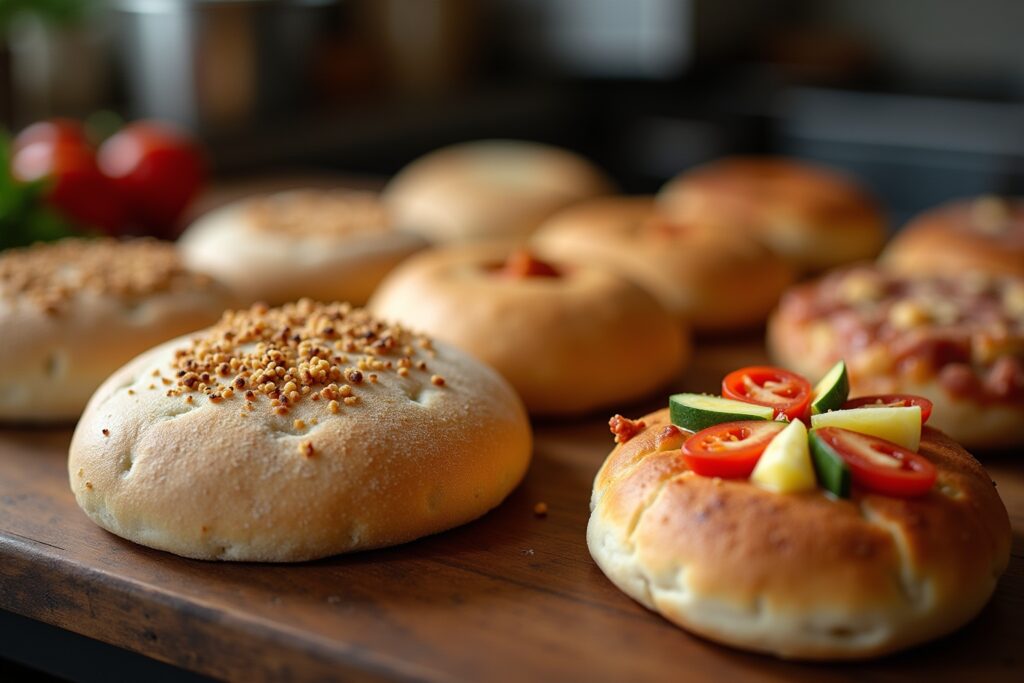
Mastering the perfect pizza dough is the foundational step to creating truly exceptional homemade pizzas, transforming a simple meal into a culinary delight. This comprehensive guide explores 17 distinct and delicious pizza dough recipes, catering to every skill level and taste preference, ensuring you can achieve pizzeria-quality results right in your own kitchen.
These are the most popular Pizza Dough products
Keine Produkte gefunden.The Art of Pizza Dough: Understanding the Fundamentals
Before diving into the specifics of each recipe, it’s crucial to understand the core components and techniques that contribute to a superior pizza dough. The interplay of flour, water, yeast, salt, and sometimes fat dictates the texture, flavor, and handling characteristics of your dough. The protein content in your flour, particularly gluten, is key. Higher protein flours (like bread flour) develop stronger gluten networks, resulting in a chewier crust, while lower protein flours (like all-purpose) yield a more tender crumb.
Yeast, the unsung hero of leavening, is responsible for that airy, slightly tangy flavor and the rise of your dough. You’ll encounter both active dry yeast and instant yeast, each requiring slightly different activation methods. Salt not only enhances flavor but also controls yeast activity and strengthens the gluten structure. Fat, such as olive oil or butter, contributes richness, tenderness, and aids in browning.
The process of kneading is vital for developing the gluten structure. This can be done by hand or with a stand mixer. Proper kneading develops elasticity, allowing the dough to stretch without tearing. Fermentation, the period of rising, is where flavor develops and the dough becomes light and airy. Longer, slower fermentation periods, especially in the refrigerator, can significantly enhance complexity and texture.
Exploring 17 Delicious Pizza Dough Recipes
Here, you’ll find a curated selection of 17 diverse pizza dough recipes, each offering a unique approach to achieving pizza perfection. We’ll cover everything from quick and easy options for weeknight dinners to more involved recipes perfect for weekend projects.
- Classic Neapolitan Pizza Dough: The benchmark for traditionalists. This recipe focuses on minimal ingredients (Type 00 flour, water, yeast, salt) and a long, cool fermentation for a light, airy, and slightly charred crust.
- New York-Style Pizza Dough: Known for its foldable, yet sturdy, crust. This recipe typically uses bread flour for chewiness and a touch of oil for richness and crispness.
- Sicilian Pizza Dough: Characterized by its thick, focaccia-like crust. This dough often incorporates olive oil directly into the dough and is baked in a rectangular pan, resulting in a tender, airy interior and a crispy bottom.
- Whole Wheat Pizza Dough: A healthier alternative that adds a nutty flavor and rustic texture. You can use 100% whole wheat or a blend with all-purpose or bread flour.
- Sourdough Pizza Dough: For those with an active sourdough starter, this recipe offers unparalleled depth of flavor and a delightful tang. It requires planning due to the starter’s feeding schedule.
- No-Knead Pizza Dough: Perfect for beginners or those short on time. This method relies on a long autolyse and fermentation period, allowing the gluten to develop with minimal effort.
- Gluten-Free Pizza Dough: Catering to dietary needs, this recipe utilizes a blend of gluten-free flours (like rice flour, tapioca starch, almond flour) and binders to mimic the texture of traditional dough.
- Quick Pizza Dough (No Yeast): A surprisingly effective recipe that uses baking powder for leavening, offering a fast turnaround for impromptu pizza cravings.
- Focaccia-Style Pizza Dough: Similar to Sicilian but often with more olive oil and a dimpled surface, this dough is incredibly flavorful and forgiving.
- Detroit-Style Pizza Dough: This dough is unique in its hydration and the way it’s pressed into a rectangular pan coated with oil, creating a crispy, cheesy crust edge.
- Chicago Deep-Dish Pizza Dough: A rich, buttery dough that lines a deep pan, creating a pie-like pizza with a thick crust.
- Garlic Herb Pizza Dough: Infuse your dough with flavor by adding fresh or dried herbs and minced garlic directly into the mix.
- Sweet Pizza Dough (Dessert Pizza): A slightly sweeter dough, often with added sugar and sometimes vanilla, perfect for holding fruit, chocolate, or sweet toppings.
- Rye Flour Pizza Dough: Incorporates rye flour for a distinct earthy flavor and a denser, chewier texture.
- Semolina Pizza Dough: Using semolina flour in conjunction with other flours can create a delightful crunch on the exterior.
- Beer Pizza Dough: Replacing some or all of the water with beer adds a subtle malty flavor and can contribute to a lighter crust.
- Spelt Flour Pizza Dough: Spelt, an ancient grain, offers a nutty, slightly sweet flavor and a tender texture.
Categorizing Pizza Dough for Your Needs
To help you navigate the vast landscape of pizza dough, consider these categories based on common baking goals and ingredient availability.
| Category | Key Characteristics | Best For | Typical Flour Used | Leavening Agent |
|---|---|---|---|---|
| Traditional & Authentic | Light, airy, often chewy, distinct flavor profiles. | Purists, replicating regional styles (Neapolitan, NY-Style). | “00” flour, Bread flour | Yeast (Active Dry, Instant, Sourdough Starter) |
| Quick & Easy | Fast preparation, minimal rising time, accessible ingredients. | Weeknight meals, spontaneous cravings, beginners. | All-purpose flour, Self-rising flour (for no-yeast) | Yeast (Instant), Baking Powder |
| Health-Conscious & Specialty | Nutrient-rich, alternative grains, allergen-friendly. | Dietary restrictions, seeking different flavors and textures. | Whole wheat flour, Spelt flour, Gluten-free flour blends, Rye flour | Yeast, Sourdough Starter |
| Rich & Indulgent | Thicker crusts, richer flavor, often more oil or fat. | Deep-dish, Sicilian, hearty pizzas. | Bread flour, All-purpose flour | Yeast |
Tips for Perfect Pizza Dough Every Time
Regardless of which recipe you choose, adhering to a few key principles will elevate your pizza-making game.
- Accurate Measuring: Use a kitchen scale for the most precise results, especially for flour and water. Volume measurements can be inconsistent.
- Water Temperature: Ensure your water is lukewarm (around 105-115°F or 40-46°C) for activating active dry yeast. Instant yeast is more forgiving.
- Patience with Fermentation: Allow your dough to rise adequately. Don’t rush the process; a slow, cool fermentation often yields superior flavor and texture.
- Don’t Over-Flour: Resist the urge to add too much extra flour during kneading or shaping. A slightly sticky dough is often desirable and will become manageable.
- Resting the Dough: After kneading, let the dough rest and relax. This makes it easier to shape without resistance.
- Proper Proofing: For oven-baked pizzas, ensure your oven is preheated to its highest setting, often with a pizza stone or steel, for a crisp crust.
- Handling Sticky Dough: Lightly oil your hands and the work surface rather than adding excessive flour when dealing with very hydrated doughs.
These are the latest Pizza Dough products with the best ratings.
Keine Produkte gefunden.FAQ – Frequently Asked Questions about 17 Delicious Pizza Dough Recipes
What is the best flour to use for pizza dough?
The “best” flour depends on the desired crust style. For a chewy, crisp crust like New York-style, bread flour with a high protein content is ideal. For a delicate, tender crust like Neapolitan, Italian “00” flour is preferred due to its fine grind and moderate protein. All-purpose flour is a versatile option for many recipes.
How long does pizza dough need to rise?
Rising times vary significantly based on the recipe, yeast type, and ambient temperature. A basic yeast dough might rise in 1-2 hours in a warm place. Sourdough or doughs undergoing a cold fermentation can rise for 24-72 hours in the refrigerator, developing deeper flavors. Recipes like no-knead rely on extended rising times.
Can I make pizza dough ahead of time?
Absolutely! Most pizza doughs benefit from being made ahead. Refrigerating dough for 1-3 days slows down fermentation, allowing complex flavors to develop. Just ensure the dough is properly sealed to prevent it from drying out.
What’s the difference between active dry yeast and instant yeast?
Active dry yeast requires blooming in warm water before being added to other ingredients. Instant yeast, on the other hand, can be added directly to dry ingredients and will activate during mixing and rising.
How do I prevent my pizza dough from being sticky?
A slightly sticky dough is often a sign of good hydration. Instead of adding excessive flour, lightly oil your hands and your work surface. You can also use a bench scraper to help manage and fold the dough. As the gluten develops through kneading or resting, the dough will become more manageable.
What is a pizza stone and why should I use one?
A pizza stone is a baking surface, typically made of ceramic or cordierite, that absorbs and radiates heat evenly. When preheated in your oven, it helps to create a crispier crust by drawing moisture away from the dough and providing intense bottom heat, mimicking a professional pizza oven.
Can I freeze pizza dough?
Yes, you can freeze pizza dough. Shape the dough into balls, place them on a baking sheet lined with parchment paper, and freeze until solid. Once frozen, transfer the dough balls to a freezer-safe bag or container. Thaw in the refrigerator overnight before using. You may need to let it come to room temperature for about an hour before shaping.


