
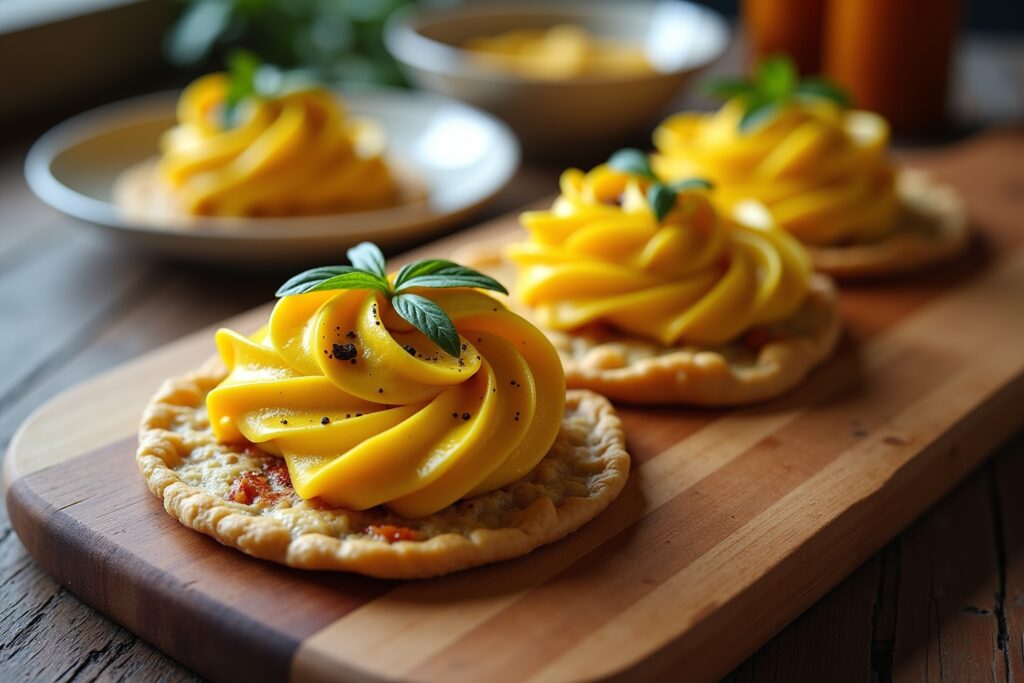
Unlock the full potential of your culinary creations with an exploration of 17 delicious mustard recipes, transforming everyday meals into gourmet experiences. This collection is designed for home cooks seeking to elevate their dishes with the versatile and piquant flavor of mustard.
These are the most popular Mustard Recipes products
Keine Produkte gefunden.The Enduring Appeal of Mustard in Cooking
Mustard, a condiment derived from the seeds of the mustard plant, has been a staple in kitchens for centuries. Its complex flavor profile, ranging from sharp and spicy to subtly sweet and tangy, makes it an indispensable ingredient for marinades, dressings, sauces, and glazes. The sheer variety of mustard types—from the fiery Dijon and the robust English to the mild honey mustard and the grainy whole-grain varieties—offers a spectrum of taste sensations that can dramatically alter the character of a dish. Mastering a few key mustard recipes can significantly expand your culinary repertoire and impress your guests.
A Culinary Journey: 17 Delicious Mustard Recipes
This curated list presents 17 distinct ways to incorporate mustard into your cooking, covering a range of applications from appetizers to main courses and side dishes. Each recipe highlights the unique contribution of mustard to texture, aroma, and overall taste.
- Dijon-Herb Roasted Chicken: A classic for a reason, Dijon mustard, mixed with fresh herbs like rosemary and thyme, creates a savory crust that keeps the chicken incredibly moist.
- Honey-Mustard Glazed Salmon: The sweet and tangy combination of honey and Dijon or whole-grain mustard caramelizes beautifully on salmon, offering a delightful balance of flavors.
- Creamy Mustard Potato Salad: Elevate your potato salad beyond the basic by incorporating a generous amount of whole-grain mustard and a touch of Dijon for depth.
- Spicy Mustard Vinaigrette for Salads: Whisk together Dijon mustard, olive oil, white wine vinegar, and a pinch of cayenne for a dressing that adds a zesty kick to any green salad.
- Mustard-Crusted Pork Tenderloin: A robust coating of coarse-grain mustard mixed with breadcrumbs and herbs provides a flavorful and crunchy exterior to tender pork.
- Tangy Mustard Barbecue Sauce: A Carolina-style barbecue sauce often features a vinegar and mustard base, offering a sharp, piquant counterpoint to slow-cooked meats.
- Mustard-Marinated Steak: Marinate your steaks in a mixture of Dijon mustard, garlic, soy sauce, and Worcestershire sauce for an intensely flavorful and tender result.
- Beer and Mustard Bratwurst: Simmer bratwurst in a combination of beer and grainy mustard before grilling or pan-frying for an authentic German-inspired dish.
- Deviled Eggs with a Mustard Kick: Amp up your deviled eggs by using a good quality Dijon or spicy brown mustard in the yolk mixture for an extra layer of flavor.
- Mustard-Infused Macaroni and Cheese: A spoonful of Dijon or yellow mustard stirred into your béchamel sauce adds a subtle tang that cuts through the richness of the cheese.
- Honey-Mustard Chicken Wings: A crowd-pleasing appetizer where baked or fried chicken wings are tossed in a sticky, sweet, and savory honey-mustard glaze.
- Roasted Brussels Sprouts with Bacon and Mustard: Toss Brussels sprouts with olive oil, bacon bits, and a drizzle of whole-grain mustard before roasting for a delightful sweet and savory contrast.
- Mustard Seed Pickled Vegetables: Use mustard seeds as a key flavoring agent in your homemade pickles for an extra burst of pungency.
- Sausage and Mustard Stuffed Mushrooms: Combine cooked sausage, breadcrumbs, and Dijon mustard for a savory stuffing that bakes beautifully in mushroom caps.
- Lemon-Mustard Asparagus: Lightly steam or roast asparagus and toss with a simple dressing of lemon juice, olive oil, and Dijon mustard.
- Mustard Sandwich Spread: Beyond plain mustard, blend it with mayonnaise, chopped pickles, and herbs for a more complex and flavorful sandwich condiment.
- Mustard-Braised Cabbage: Braise shredded cabbage with onions, broth, and a generous dollop of Dijon or grainy mustard for a comforting and flavorful side dish.
Categorizing Mustard’s Culinary Applications
Understanding how mustard functions in various dishes can help you experiment and create your own unique recipes. The following categories highlight the diverse roles mustard plays in enhancing flavor and texture.
| Category | Key Mustard Types Used | Typical Applications | Flavor Impact | Texture Contribution |
|---|---|---|---|---|
| Marinades & Rubs | Dijon, Whole Grain, Spicy Brown | Meats (chicken, pork, beef), Fish | Adds pungency, acidity, tenderizes | Forms crusts, seeps into proteins |
| Dressings & Vinaigrettes | Dijon, Yellow, Honey Mustard | Salads, grain bowls, vegetable sides | Emulsifies oil and vinegar, adds tang | Smooth, creamy, or slightly grainy |
| Sauces & Glazes | Dijon, Honey Mustard, Whole Grain | Barbecue sauces, glazes for roasts, pan sauces | Sweetness, spiciness, savory depth | Caramelizes, thickens, coats evenly |
| Dips & Spreads | Whole Grain, Dijon, Spicy Brown | Sandwich spreads, dips for appetizers, dips for vegetables | Sharpness, complexity, creamy texture when mixed | Creamy, chunky, or smooth |
| Baking & Roasting Enhancements | Dijon, Yellow | Coating for roasted vegetables, added to batters | Subtle tang, savory notes | Can contribute to browning and crust formation |
The Science of Flavor: Why Mustard Works
Mustard’s characteristic pungent flavor comes from a chemical reaction that occurs when its seeds are crushed and mixed with liquid. The enzyme myrosinase is released, which breaks down glucosinolates into isothiocyanates. These compounds are responsible for the sharp, biting sensation. The type of mustard seed (black, brown, or white/yellow) and the liquid used (water, vinegar, wine) significantly influence the final flavor profile. For instance, using water leads to a hotter mustard, while vinegar or wine moderates the heat and adds acidity. This scientific basis explains why mustard can add such a dynamic element to so many dishes, cutting through richness and adding a savory depth that is hard to replicate.
Incorporating Mustard Seeds for Enhanced Texture and Flavor
Beyond prepared mustards, whole or cracked mustard seeds themselves offer a unique culinary experience. They can be toasted to release nutty, aromatic notes and then added to spice blends, rubs, or used in pickling brines. Their slight pop when chewed provides a pleasing textural contrast and a burst of concentrated flavor. Experimenting with different mustard seed varieties—such as black mustard seeds (spiciest), brown mustard seeds (more pungent than yellow), and yellow mustard seeds (milder)—can lead to a nuanced understanding of their individual characteristics.
Health Aspects of Mustard
Mustard is not just flavorful; it also offers some potential health benefits. Mustard seeds are a good source of selenium and magnesium, and they contain compounds like sinigrin, which is being studied for its potential anti-inflammatory and antioxidant properties. When used in moderation, as part of a balanced diet, mustard can be a healthy addition to your meals, contributing flavor without excessive calories or unhealthy fats, especially when compared to other condiments.
These are the latest Mustard Recipes products with the best ratings.
Keine Produkte gefunden.FAQ – Frequently Asked Questions about 17 Delicious Mustard Recipes
What is the difference between Dijon mustard and yellow mustard?
Dijon mustard is traditionally made with brown mustard seeds, vinegar, white wine, and spices, giving it a sharper, more complex, and sometimes slightly bitter flavor. Yellow mustard, on the other hand, is typically made with yellow mustard seeds, vinegar, and turmeric, which gives it its characteristic bright yellow color and a milder, tangier taste that is less pungent than Dijon.
Can I substitute one type of mustard for another in these recipes?
Yes, you can often substitute mustards, but be mindful of the flavor profile. If a recipe calls for Dijon and you use yellow mustard, the result will be milder and tangier. If you substitute whole-grain for Dijon, you’ll get a more textured and potentially spicier outcome. It’s best to taste and adjust seasonings as you go when making substitutions.
Are mustard recipes generally spicy?
The spiciness of mustard recipes varies greatly depending on the type of mustard used and the other ingredients. Recipes featuring Dijon or spicy brown mustard, or those that use a larger quantity of mustard seeds, will generally be spicier than those using mild yellow or honey mustard. You can often control the heat level by adjusting the amount of mustard or adding other ingredients like sweeteners or acidic components.
How can I make my mustard recipes less acidic?
If your mustard recipes are too acidic, you can balance the flavor by adding a touch of sweetness. Honey, maple syrup, brown sugar, or even a ripe mashed banana can help to mellow out the acidity without overpowering the other flavors. A small amount of butter or a creamy ingredient can also help to round out the taste.
What are the best ways to store homemade mustard recipes?
Homemade mustards should be stored in an airtight container in the refrigerator. The flavor of homemade mustard can continue to develop over time, becoming sharper. It is typically best consumed within a few weeks to a month for optimal flavor, though it can remain safe to eat for longer if stored properly.
Can I use mustard in vegan cooking?
Absolutely! Mustard is a plant-based condiment and is naturally vegan. Many of the recipes listed, such as vinaigrettes, marinades, and dips, are easily adaptable or already vegan-friendly. Ensure any accompanying ingredients, like dairy in mac and cheese or honey in glazes, are substituted with vegan alternatives if necessary.
What is the “information gain” in culinary terms when using mustard?
In culinary terms, “information gain” refers to the significant enhancement of a dish’s overall flavor profile, aroma, and complexity that mustard provides. It’s not just adding a background note; mustard can introduce a distinct tang, a piquant kick, a savory depth, or a sweet and savory balance that fundamentally transforms the eating experience, offering a richer sensory “information” to the palate.


