
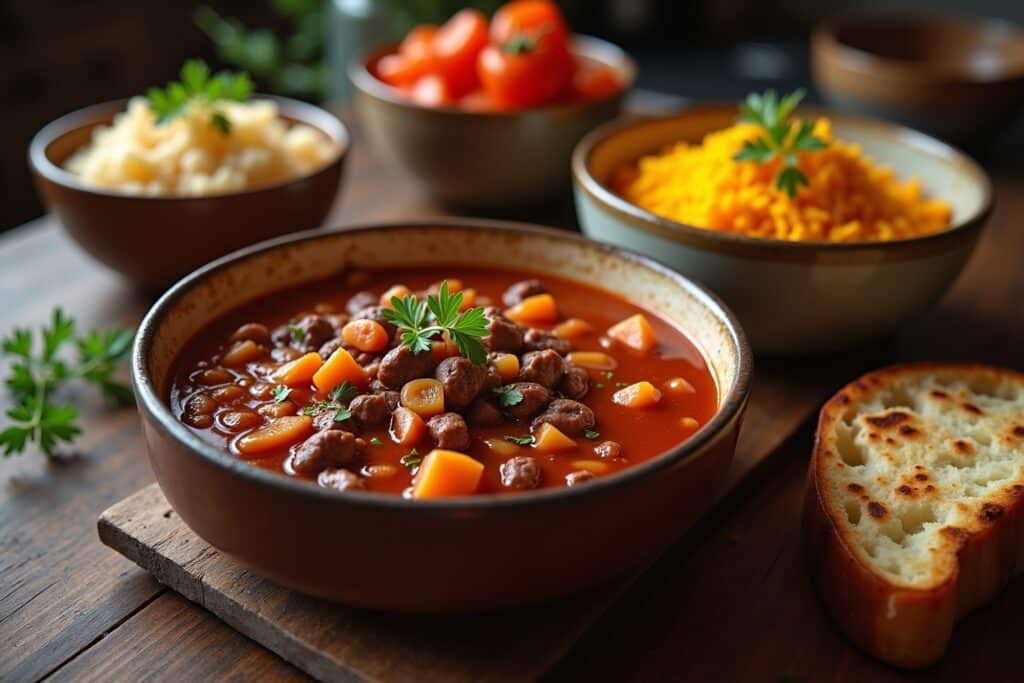
You’re seeking the ultimate guide to crafting delicious beef stew, aiming for dishes that warm the soul and impress with flavor. This resource is tailored for home cooks who want to master the art of transforming humble beef cuts into culinary masterpieces, ensuring every spoonful is a testament to skillful preparation and quality ingredients.
These are the most popular Beef Stew products
Keine Produkte gefunden.The Foundation of a Perfect Beef Stew: Selecting and Preparing Your Meat
The success of your beef stew hinges on the quality of the beef you choose. For tender, flavorful results, opt for cuts that benefit from slow, moist cooking. These cuts, often tougher and more connective-tissue-rich, break down beautifully over time, yielding a melt-in-your-mouth texture and a deeply satisfying gravy.
- Chuck Roast: This is arguably the most popular cut for beef stew. Its marbling and collagen content make it incredibly forgiving and flavorful when braised. Look for a well-marbled piece.
- Beef Shank: Known for its bone marrow, shank adds an incredible depth of flavor and richness to the stew. It requires a longer cooking time but delivers exceptional results.
- Brisket: While often associated with smoking, brisket also makes a fantastic stew meat. The flat or point cuts can be diced and will become incredibly tender after hours of simmering.
- Round Roast (Bottom or Top): These cuts are leaner but can still work well if you’re careful not to overcook them and ensure they have ample liquid for braising. They might require a slightly shorter cooking time.
Before cooking, it’s crucial to prepare your beef properly. For most recipes, you’ll want to cut the meat into uniform, bite-sized cubes, typically around 1 to 1.5 inches. This ensures even cooking and easy consumption. Don’t skip the searing step! Browning the beef in batches before adding liquids creates a flavorful crust through the Maillard reaction, which significantly enhances the overall taste of your stew.
Mastering the Flavor Profile: Essential Ingredients and Techniques
Beyond the star ingredient – the beef – a truly exceptional beef stew relies on a harmonious blend of aromatics, vegetables, and liquids. Building layers of flavor is key to achieving that complex, comforting taste.
- Aromatics: Onions, garlic, and celery form the aromatic base of most stews. Sautéing them until softened releases their sweet and pungent notes, laying the groundwork for the stew’s flavor.
- Vegetables: Root vegetables like carrots, potatoes, and parsnips are classic choices. They add sweetness, earthiness, and a hearty texture. Consider adding them in stages to prevent them from becoming mushy.
- Liquids: Beef broth or stock is essential, but don’t underestimate the power of other liquids. A splash of red wine adds acidity and depth, while a touch of tomato paste contributes umami and color. For a richer sauce, consider adding a bit of Worcestershire sauce or soy sauce.
- Herbs and Spices: Thyme, rosemary, bay leaves, and black pepper are timeless companions to beef. Fresh herbs added towards the end of cooking can provide a brighter, fresher finish.
The cooking process itself is as important as the ingredients. Slow simmering is the cornerstone of great stew. This low-and-slow approach allows the tough connective tissues in the beef to break down into gelatin, which thickens the stew and imparts an unparalleled tenderness. Whether you’re using a Dutch oven on the stovetop, in the oven, or a slow cooker, patience is your greatest asset.
7 Unforgettable Beef Stew Meat Recipes to Elevate Your Cooking
Here are seven distinct approaches to beef stew, each offering a unique flavor profile and experience. You’ll find inspiration to suit any craving, from traditional comfort to international twists.
1. Classic Comfort Beef Stew
This is the quintessential beef stew, embodying the warmth and heartiness you expect. It’s a straightforward recipe focusing on tender beef, root vegetables, and a rich, savory broth that has been simmered to perfection. The secret lies in the slow braising of chuck roast, allowing it to become fork-tender.
- Key Ingredients: Chuck roast, onions, carrots, potatoes, celery, garlic, beef broth, tomato paste, thyme, bay leaves, red wine (optional).
- Flavor Profile: Deeply savory, subtly sweet from the vegetables, with herbaceous undertones.
- Best Served With: Crusty bread for dipping.
2. Guinness Irish Stew
Infused with the robust flavor of Guinness stout, this Irish classic offers a malty, slightly bitter depth that beautifully complements the beef. It’s a hearty and warming dish, perfect for a chilly evening.
- Key Ingredients: Beef chuck, Guinness stout, onions, carrots, potatoes, parsnips, beef broth, Worcestershire sauce, thyme, parsley.
- Flavor Profile: Rich, malty, with a distinct stout influence and a savory finish.
- Best Served With: Mashed potatoes or soda bread.
3. French Boeuf Bourguignon
A sophisticated classic from Burgundy, France. This stew is characterized by its rich red wine (typically Pinot Noir) base, pearl onions, mushrooms, and bacon lardons. It’s a testament to slow cooking and the magic of French cuisine.
- Key Ingredients: Beef chuck, red Burgundy wine, bacon lardons, pearl onions, mushrooms, garlic, beef broth, thyme, bay leaves, butter, flour.
- Flavor Profile: Complex, wine-forward, earthy from mushrooms, with savory notes from bacon.
- Best Served With: Creamy mashed potatoes or egg noodles.
4. Hungarian Goulash
While often thought of as a soup, a thicker Goulash can also be prepared as a stew. This version is defined by its generous use of paprika, both sweet and smoked, which lends a vibrant color and a unique smoky-sweet flavor. The slow cooking tenderizes the beef beautifully.
- Key Ingredients: Beef chuck, onions, sweet paprika, smoked paprika, beef broth, diced tomatoes, caraway seeds, garlic, marjoram.
- Flavor Profile: Richly spiced with paprika, slightly sweet, savory, and warming.
- Best Served With: Spätzle, dumplings, or wide noodles.
5. Smokey Chipotle Beef Stew
For those who enjoy a hint of heat and smoke, this stew incorporates chipotle peppers in adobo sauce. The smoky, slightly spicy notes add an exciting dimension to the traditional beef stew flavors, making it a crowd-pleaser with a kick.
- Key Ingredients: Beef chuck, chipotle peppers in adobo sauce, onions, bell peppers (various colors), corn, black beans, beef broth, cumin, oregano.
- Flavor Profile: Smoky, mildly spicy, with a hint of sweetness from corn and earthiness from beans.
- Best Served With: Sour cream and fresh cilantro, alongside cornbread.
6. Italian Osso Buco Stew (Braised Veal Shanks)
While traditionally made with veal shanks, the principle can be applied to beef shanks for a similarly luxurious stew. Osso Buco means “bone with a hole” and refers to the marrow-rich cross-cut shanks. This Italian delicacy is braised in white wine, broth, and vegetables, often finished with a gremolata.
- Key Ingredients: Beef shanks (cross-cut), carrots, celery, onions, garlic, white wine, beef broth, diced tomatoes, rosemary, gremolata (parsley, lemon zest, garlic).
- Flavor Profile: Delicate yet rich, with bright notes from the gremolata balancing the savory braised meat.
- Best Served With: Risotto alla Milanese or polenta.
7. Moroccan Lamb and Apricot Stew (Adaptable to Beef)
This recipe offers a delightful departure from traditional European stews, bringing in the warm, aromatic spices of North Africa. Sweet dried apricots provide a lovely contrast to the savory beef, while spices like cinnamon, cumin, and ginger create an exotic flavor profile.
- Key Ingredients: Beef chuck, onions, garlic, ginger, cinnamon, cumin, coriander, turmeric, dried apricots, beef broth, chickpeas, preserved lemon (optional).
- Flavor Profile: Sweet and savory, with a complex blend of warm spices and a hint of citrus.
- Best Served With: Couscous.
| Recipe Type | Primary Flavor Notes | Key Ingredients | Cooking Time (Approx.) | Difficulty Level |
|---|---|---|---|---|
| Classic Comfort Beef Stew | Savory, Herbaceous | Chuck Roast, Root Vegetables, Beef Broth | 2.5 – 3 hours | Easy |
| Guinness Irish Stew | Malty, Rich, Savory | Chuck Roast, Guinness, Root Vegetables | 2.5 – 3 hours | Easy to Medium |
| French Boeuf Bourguignon | Wine-Forward, Earthy, Savory | Chuck Roast, Red Wine, Bacon, Mushrooms | 3 – 4 hours | Medium |
| Hungarian Goulash | Paprika-Spiced, Sweet, Smoky | Chuck Roast, Paprika, Onions, Tomatoes | 2.5 – 3 hours | Easy to Medium |
| Smokey Chipotle Beef Stew | Smoky, Spicy, Savory | Chuck Roast, Chipotles, Corn, Beans | 2.5 – 3 hours | Easy to Medium |
| Italian Osso Buco Stew | Delicate, Rich, Citrusy | Beef Shanks, White Wine, Vegetables, Gremolata | 3 – 4 hours | Medium |
| Moroccan Lamb and Apricot Stew | Sweet & Savory, Spiced, Aromatic | Beef Chuck, Apricots, Warm Spices, Chickpeas | 2.5 – 3 hours | Medium |
Tips for Achieving Perfect Stew Consistency and Tenderness
No one enjoys a watery stew or tough, chewy meat. Here are some tried-and-true methods to ensure your beef stew has the ideal consistency and your beef is melt-in-your-mouth tender.
- Don’t Skip the Sear: As mentioned earlier, searing your beef in batches is crucial for developing deep flavor and achieving a desirable crust. This also helps to seal in the juices.
- Low and Slow is Key: Resist the urge to rush the cooking process. Simmering at a low temperature for an extended period is what breaks down the connective tissues in the beef, rendering it incredibly tender.
- Adequate Liquid: Ensure there’s enough liquid to submerge most of the ingredients, allowing for even cooking and braising. If the stew becomes too thick, you can always add more broth or water.
- Thickening Agents: If your stew is too thin, there are several ways to thicken it. You can create a slurry by mixing equal parts flour or cornstarch with cold water and stirring it into the simmering stew. Another method is to mash some of the cooked vegetables against the side of the pot. For a richer thickness, you can also reduce the liquid uncovered for the last 30 minutes of cooking.
- Resting Time: Just like with other slow-cooked meats, allowing your beef stew to rest for about 15-30 minutes after cooking can help the flavors meld and the meat to reabsorb some of the liquid, resulting in a more tender and flavorful final dish.
Troubleshooting Common Beef Stew Issues
Even experienced cooks can encounter challenges. Here’s how to tackle some common beef stew problems:
- Tough Meat: This is usually a result of insufficient cooking time or cooking at too high a temperature. Continue to simmer at a low temperature until the meat is tender. Ensure you’re using a cut of beef suitable for stewing.
- Watery Stew: As discussed, thickening agents like a flour or cornstarch slurry, mashing vegetables, or reducing the liquid can resolve this.
- Bland Flavor: Taste and adjust seasonings as you go. More salt, pepper, herbs, or a splash of Worcestershire sauce or vinegar can often revive a dull stew. Don’t forget the umami boost from a good sear and quality broth.
- Mushy Vegetables: Add your more delicate vegetables (like peas or corn) during the last 30-60 minutes of cooking. Harder root vegetables should be added earlier to allow them to soften but not disintegrate.
These are the latest Beef Stew products with the best ratings.
Keine Produkte gefunden.FAQ – Frequently Asked Questions about 7 Beef Stew Meat Recipes
What is the best cut of beef for stew?
The best cuts of beef for stew are those with a good amount of connective tissue and marbling, as these break down during slow cooking to create tender, flavorful meat. Chuck roast, beef shank, and brisket are excellent choices. Leaner cuts like round roast can also be used but require careful cooking to avoid dryness.
How long does beef stew typically need to cook?
Beef stew typically requires a long, slow cooking time to ensure the meat becomes tender. Depending on the cut and the cooking method (stovetop, oven, or slow cooker), this can range from 2.5 to 4 hours. The key is to cook it until the beef is fork-tender.
Can I make beef stew ahead of time?
Yes, beef stew often tastes even better when made a day in advance. This allows the flavors to meld and deepen overnight. Simply cool it completely, refrigerate, and reheat gently on the stovetop or in the oven.
How do I thicken my beef stew if it’s too thin?
To thicken a thin beef stew, you can create a slurry by mixing equal parts cornstarch or flour with cold water and whisking it into the simmering stew until it thickens. Alternatively, you can mash some of the cooked vegetables against the side of the pot or let the stew simmer uncovered for the last 30 minutes of cooking to reduce the liquid.
What vegetables are best to include in beef stew?
Classic beef stew vegetables include potatoes, carrots, and celery, which add substance and sweetness. Onions and garlic are essential aromatics. Other delicious additions can include parsnips, peas, corn, bell peppers, and mushrooms, depending on the specific recipe and your preference.
Can I use a slow cooker or Instant Pot for these recipes?
Absolutely! Most beef stew recipes are very adaptable to slow cookers and Instant Pots. For a slow cooker, follow the recipe’s initial searing and sautéing steps, then transfer everything to the slow cooker and cook on low for 6-8 hours or high for 3-4 hours. For an Instant Pot, sear the meat and sauté aromatics, then add liquids and other ingredients and pressure cook on high for 35-45 minutes, followed by a natural or quick release.
How can I add more flavor to my beef stew?
Enhance your beef stew’s flavor by properly searing the meat, using a good quality beef broth or stock, incorporating aromatics like onions, garlic, and celery, adding a splash of red wine or stout, and using fresh herbs like thyme and rosemary. A dash of Worcestershire sauce or tomato paste can also add depth and umami.


