
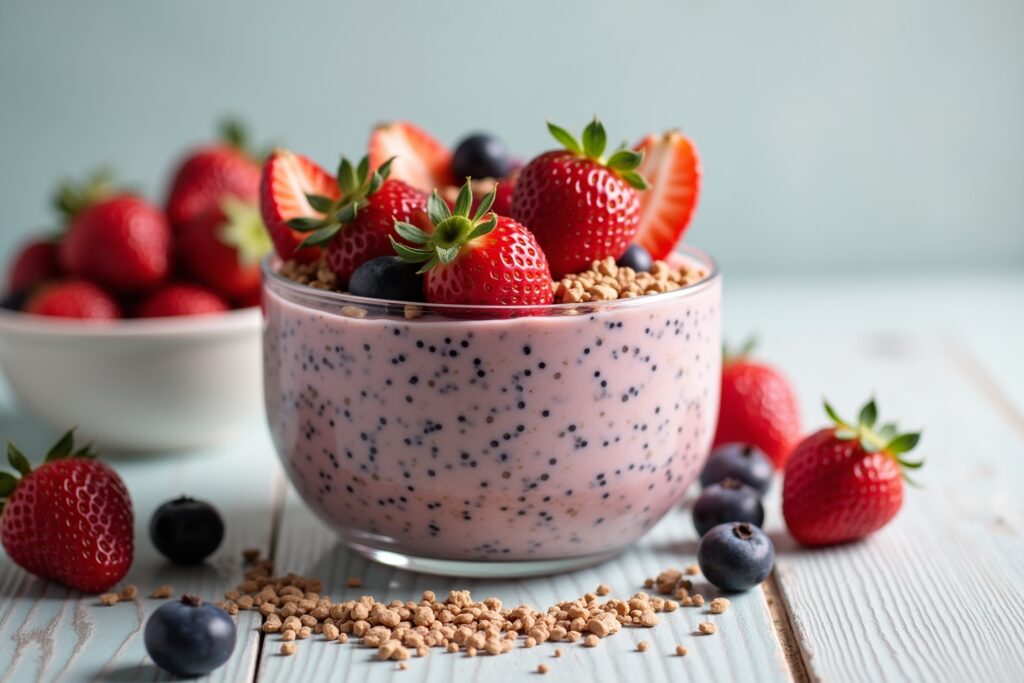
Unlock the secrets to crafting delicious and nutritious chia pudding recipes that perfectly align with your wellness goals. Discover how simple ingredients can transform into a satisfying breakfast, snack, or dessert, packed with essential nutrients.
These are the most popular Chia Pudding products
Keine Produkte gefunden.The Nutritional Powerhouse: Understanding Chia Seeds
Chia seeds, originating from the Salvia hispanica plant, are tiny powerhouses of nutrition, making them an ideal base for healthy pudding recipes. Their unique ability to absorb liquid and form a gel-like consistency is the foundation of this versatile dish. But what exactly makes them so beneficial? Firstly, they are an exceptional source of dietary fiber, crucial for digestive health and promoting a feeling of fullness, which can aid in weight management. A typical serving of chia seeds provides a significant portion of your daily recommended fiber intake. Secondly, these seeds are rich in omega-3 fatty acids, specifically alpha-linolenic acid (ALA), a type of polyunsaturated fat that your body cannot produce on its own. Omega-3s are vital for brain health, reducing inflammation, and supporting cardiovascular function. Moreover, chia seeds offer a good amount of plant-based protein, essential for muscle repair and growth, and contain vital minerals such as calcium, magnesium, and phosphorus, all important for bone health. Their antioxidant content further contributes to overall well-being by helping to combat free radical damage in the body.
Mastering the Basic Chia Pudding Formula
Creating the perfect chia pudding is remarkably straightforward, relying on a simple ratio and a bit of patience. The fundamental principle involves combining chia seeds with a liquid medium and allowing them to hydrate. The most common ratio for a classic chia pudding is 1:4, meaning one part chia seeds to four parts liquid. For instance, if you use 1/4 cup of chia seeds, you would typically add 1 cup of liquid. The type of liquid you choose significantly impacts the flavor and nutritional profile of your pudding. Common choices include almond milk, coconut milk, oat milk, soy milk, or even dairy milk. For a richer texture and flavor, full-fat coconut milk is often preferred, while lighter plant-based milks create a more delicate pudding. After thoroughly mixing the chia seeds and liquid, the mixture needs time to thicken. This usually takes at least 20-30 minutes in the refrigerator, but for the best consistency and to ensure all seeds are fully hydrated, it’s ideal to let it sit for a few hours or, even better, overnight. Stirring the mixture occasionally during the first hour of chilling can help prevent clumping and ensure an even gelation.
Delicious and Healthy Base Recipes
Beyond the basic formula, countless variations can elevate your chia pudding experience, catering to diverse taste preferences and dietary needs. Here are a few foundational recipes to inspire your culinary creativity:
Classic Vanilla Chia Pudding
- Ingredients:
- 1/4 cup chia seeds
- 1 cup unsweetened almond milk
- 1 teaspoon pure vanilla extract
- 1-2 teaspoons maple syrup or your preferred sweetener (optional)
- Instructions: Whisk together chia seeds, almond milk, vanilla extract, and sweetener (if using) in a jar or bowl. Stir well. Let sit for 5 minutes, then stir again to break up any clumps. Cover and refrigerate for at least 2 hours, or preferably overnight, until thickened.
Creamy Coconut Chia Pudding
- Ingredients:
- 1/4 cup chia seeds
- 1 cup full-fat coconut milk (from a can, shaken well)
- 1 tablespoon shredded unsweetened coconut
- 1 teaspoon honey or agave nectar (optional)
- Instructions: Combine chia seeds, coconut milk, shredded coconut, and sweetener (if using) in a bowl. Stir vigorously to ensure no clumps form. Let it sit for 5 minutes, then stir again. Cover and chill in the refrigerator for at least 3 hours or overnight until set.
Berry Blast Chia Pudding
- Ingredients:
- 1/4 cup chia seeds
- 1 cup unsweetened oat milk
- 1/4 cup mixed berries (fresh or frozen), mashed
- 1 teaspoon lemon juice
- Instructions: In a bowl, whisk together chia seeds and oat milk. Add the mashed berries and lemon juice, stirring until well combined. Let it sit for 5 minutes, then stir again. Cover and refrigerate for at least 2 hours, or until the desired pudding consistency is reached.
Chocolate Lover’s Chia Pudding
- Ingredients:
- 1/4 cup chia seeds
- 1 cup unsweetened soy milk
- 2 tablespoons unsweetened cocoa powder
- 1-2 teaspoons maple syrup or your preferred sweetener
- Pinch of salt
- Instructions: In a bowl, whisk together chia seeds, soy milk, cocoa powder, sweetener, and salt until smooth. Ensure the cocoa powder is fully incorporated to avoid lumps. Let it sit for 5 minutes, then stir thoroughly. Cover and refrigerate for a minimum of 4 hours, or overnight, for a rich, chocolatey pudding.
Customizing Your Chia Pudding: Flavor Boosters and Toppings
The beauty of chia pudding lies in its incredible adaptability. You can effortlessly tailor it to your specific cravings and nutritional needs. Beyond the base recipes, consider these additions to enhance flavor, texture, and nutrient density:
Flavor Infusions
- Spices: Cinnamon, nutmeg, cardamom, ginger, or even a pinch of turmeric can add warmth and complexity.
- Extracts: Beyond vanilla, explore almond extract, peppermint extract, or orange zest for unique flavor profiles.
- Fruit Purees: Blend in fruits like mango, banana, peach, or pineapple for natural sweetness and vibrant colors.
- Nut Butters: A tablespoon of almond butter, peanut butter, or cashew butter adds creaminess and healthy fats.
- Superfoods: Incorporate ingredients like maca powder for energy, spirulina for added nutrients, or acai powder for antioxidants.
Textural Enhancements and Toppings
- Fresh Fruit: Berries, sliced bananas, kiwi, mango chunks, or pomegranate seeds offer freshness and natural sweetness.
- Nuts and Seeds: Almonds, walnuts, pecans, pumpkin seeds, sunflower seeds, or a sprinkle of extra chia seeds provide crunch and healthy fats.
- Granola: Opt for low-sugar, whole-grain granola for added texture and a satisfying crunch.
- Coconut Flakes: Toasted or untoasted shredded coconut adds a tropical flavor and delightful chewiness.
- Cacao Nibs: For a dark chocolate kick without added sugar, cacao nibs are an excellent choice.
- Yogurt: A dollop of Greek yogurt or plant-based yogurt can add extra protein and creaminess.
- Drizzles: A light drizzle of honey, maple syrup, agave, or sugar-free syrup can provide a final touch of sweetness.
Chia Pudding for Specific Dietary Needs
Chia pudding is inherently a versatile choice for various dietary lifestyles due to its plant-based nature and simple ingredient requirements. This makes it an excellent option for individuals managing specific dietary restrictions or preferences.
Vegan and Dairy-Free Options
For those following a vegan or dairy-free diet, the foundation of chia pudding is already well-suited. The key is to select plant-based liquids as your base. Unsweetened almond milk, coconut milk (from a carton or canned for a richer texture), oat milk, soy milk, cashew milk, or even rice milk are all excellent alternatives to dairy. When choosing sweetened varieties, always opt for plant-based sweeteners like maple syrup, agave nectar, date syrup, or stevia to maintain a fully vegan profile. Ensure any added flavorings or toppings are also vegan-certified. The natural gelling property of chia seeds means you don’t need any animal-derived thickeners.
Gluten-Free Choices
Chia pudding is naturally gluten-free. Chia seeds themselves contain no gluten. When preparing your pudding, ensure that any liquid bases or added ingredients, such as granolas or flavorings, are certified gluten-free. Many plant-based milks like almond, coconut, and soy are typically gluten-free, but it’s always prudent to check labels, especially for flavored varieties or those with added thickeners. If you are using oats for your liquid base, ensure they are certified gluten-free to avoid cross-contamination.
Low-Sugar and Keto-Friendly Adaptations
Adapting chia pudding for a low-sugar or ketogenic lifestyle requires careful selection of sweeteners and fruits. Instead of traditional sweeteners like maple syrup or honey, opt for keto-approved alternatives such as erythritol, xylitol (ensure it’s safe for pets if you have them), stevia, or monk fruit sweetener. When it comes to fruits, choose those that are lower in carbohydrates and sugars. Berries like raspberries, blackberries, and strawberries are excellent choices in moderation. Avoid high-sugar fruits like bananas, mangoes, and grapes. For added fats and satiety, incorporate full-fat coconut milk, heavy cream (if not vegan), or generous amounts of nuts and seeds. Ensure your plant-based milks are unsweetened.
The Science Behind Chia Pudding’s Texture and Benefits
The magical transformation of chia seeds into a pudding is a fascinating process rooted in their unique physical and chemical properties. When chia seeds come into contact with liquid, their outer layer, which is hydrophilic, begins to absorb water. This outer layer is composed of mucilage, a type of soluble fiber that swells and forms a gel. This gel is what gives chia pudding its characteristic thick, pudding-like consistency. The higher the ratio of chia seeds to liquid, the thicker the pudding will become. This mucilaginous effect is not only responsible for the texture but also contributes significantly to the health benefits of chia pudding.
The soluble fiber in chia seeds acts as a prebiotic, feeding beneficial bacteria in the gut, which is crucial for a healthy microbiome. Furthermore, this soluble fiber slows down the digestion and absorption of carbohydrates, leading to a more gradual release of sugar into the bloodstream. This effect helps to prevent sharp spikes and crashes in blood sugar levels, making chia pudding a beneficial food for individuals managing diabetes or seeking stable energy throughout the day. The omega-3 fatty acids, particularly ALA, are known for their anti-inflammatory properties and their role in supporting cardiovascular health. The protein content contributes to satiety, helping you feel fuller for longer, which can be beneficial for appetite control and weight management. The minerals found in chia seeds, like calcium and magnesium, are vital for bone density and numerous bodily functions.
Troubleshooting Common Chia Pudding Issues
Even with a simple recipe, occasional hiccups can occur. Understanding common issues and their solutions can ensure you always achieve the perfect chia pudding.
Clumpy Pudding
Cause: Insufficient stirring, or not stirring enough during the initial hydration phase.
Solution: After combining the seeds and liquid, let the mixture sit for 5-10 minutes and stir vigorously again. Repeat this process a couple more times during the first hour of chilling. If clumping has already occurred, you can try to break up the clumps with a fork or whisk before serving, or blend the pudding for a smoother consistency.
Too Thin Pudding
Cause: Incorrect ratio of chia seeds to liquid, or not enough chilling time.
Solution: For a thicker pudding, add more chia seeds, about 1 tablespoon at a time, stirring well and allowing it to sit for at least another 30 minutes. Alternatively, you can drain some of the excess liquid if it’s too watery. Ensure you are using the recommended chilling time, as chia seeds continue to absorb liquid and thicken over time.
Too Thick Pudding
Cause: Too many chia seeds relative to the liquid, or prolonged chilling time.
Solution: To thin out an overly thick chia pudding, gradually whisk in more of your chosen liquid (milk, water, etc.) until you reach your desired consistency. Start with a tablespoon at a time to avoid making it too runny.
Gritty Texture
Cause: Some chia seeds can have a slightly gritty texture, especially if they are not fully hydrated.
Solution: Thoroughly stirring the mixture multiple times during the initial hydration period helps mitigate this. If the grittiness persists, you can blend the finished pudding for a smoother texture. Using high-quality, finely ground chia seeds can also make a difference.
Maximizing Shelf Life and Storage
Proper storage is key to enjoying your homemade chia pudding safely and preserving its optimal texture and flavor. Chia pudding is best enjoyed fresh, but it can be stored in the refrigerator for a few days.
Refrigeration: Once prepared and thickened, transfer your chia pudding into an airtight container. Glass jars with lids are ideal for this purpose. Store the container in the coldest part of your refrigerator. Properly stored chia pudding will typically last for 3 to 5 days. The texture may change slightly over time, often becoming a bit firmer, but it should remain edible and enjoyable.
Freezing: While less common, you can freeze chia pudding. However, freezing can alter the texture, potentially making it more watery or separated upon thawing. If you choose to freeze it, portion it into individual servings in freezer-safe containers or ice cube trays. Thaw overnight in the refrigerator. You may need to stir or re-blend the pudding after thawing to restore its desired consistency.
Signs of Spoilage: Always check for signs of spoilage before consuming stored chia pudding. This includes any off odors, mold growth, or a slimy, unpleasant texture that is beyond the natural gel-like consistency.
The Versatility of Chia Pudding: Beyond Breakfast
While chia pudding is a popular and nutritious breakfast option, its adaptability extends far beyond the morning meal. Its satisfying texture and ability to be flavored in countless ways make it a perfect candidate for various occasions and culinary roles.
Healthy Snacks: For an afternoon pick-me-up, a small serving of chia pudding provides sustained energy without the sugar crash associated with processed snacks. It’s portable and can be prepared ahead of time, making it an ideal option for busy days.
Light Desserts: When you crave something sweet after dinner, chia pudding can be a guilt-free indulgence. Experiment with richer liquids like full-fat coconut milk and decadent flavorings like dark cocoa powder or natural fruit purees. Top with a few berries or a sprinkle of dark chocolate chips for a truly satisfying dessert experience.
Meal Prep Staple: Preparing several servings of chia pudding at the beginning of the week can significantly streamline your meal preparation. Having pre-portioned, healthy options readily available can help you stay on track with your nutritional goals, especially when time is limited.
Ingredient in Other Dishes: Chia pudding can also be incorporated into other recipes. For example, a thicker consistency can be used as a base for vegan cheesecakes or as a binder in energy balls and no-bake bars. Its neutral flavor profile allows it to blend seamlessly with a variety of ingredients.
Chia Pudding: A Holistic Approach to Nutrition
Incorporating chia pudding into your diet offers a holistic approach to nutrition, addressing multiple aspects of health with a single, versatile food. Its rich fiber content supports a healthy digestive system and promotes satiety, which can be instrumental in managing appetite and weight. The abundance of omega-3 fatty acids contributes to cardiovascular health and reduces inflammation throughout the body, while the antioxidants help combat oxidative stress. The plant-based protein aids in muscle repair and growth, making it a valuable addition for active individuals. Furthermore, the minerals like calcium, magnesium, and phosphorus are essential for maintaining strong bones. By choosing nutrient-dense liquids and incorporating healthy toppings, you can further enhance the nutritional profile of your chia pudding, creating a well-rounded meal or snack that nourishes your body from the inside out.
These are the latest Chia Pudding products with the best ratings.
Keine Produkte gefunden.FAQ – Frequently Asked Questions about Healthy Chia Pudding Recipes
How long does it take for chia pudding to set?
Chia pudding typically needs at least 20-30 minutes to start thickening. For the best and most uniform consistency, it’s recommended to refrigerate it for at least 2-3 hours, or preferably overnight. This allows the chia seeds to fully absorb the liquid and form a smooth, gel-like texture.
Can I make chia pudding without any sweetener?
Absolutely. Chia pudding can be enjoyed without any added sweetener, especially if you are using naturally sweet liquids like certain plant-based milks or if you plan to top it with fresh fruits. The sweetness level is entirely customizable to your preference. If you find it too plain, start with a very small amount of your preferred natural sweetener.
What is the best liquid to use for chia pudding?
The best liquid depends on your preference for flavor and richness. Unsweetened almond milk is a popular light option. Full-fat canned coconut milk provides a rich, creamy texture. Oat milk offers a slightly sweet and creamy profile. Dairy milk is also an option if you are not avoiding it. Experimenting with different liquids will help you discover your favorite combination.
Can I prepare chia pudding in advance?
Yes, chia pudding is an excellent food for meal prep. You can make a large batch and store it in the refrigerator in individual airtight containers for up to 3-5 days. It’s best to add fresh toppings just before serving.
Is chia pudding good for weight loss?
Chia pudding can be a beneficial part of a weight loss plan due to its high fiber content, which promotes satiety and helps you feel fuller for longer, potentially reducing overall calorie intake. The protein content also contributes to this feeling of fullness. However, portion control and the choice of ingredients (e.g., avoiding excessive added sugars or fats) are crucial for weight management.
Can I eat chia pudding every day?
For most people, eating chia pudding daily is safe and beneficial, thanks to its nutrient density. However, it’s always wise to maintain a balanced diet that includes a variety of foods. If you have specific health conditions, it’s advisable to consult with a healthcare professional or a registered dietitian regarding daily consumption.
What happens if I use too many chia seeds?
Using too many chia seeds will result in a very thick, almost solid pudding. While it’s still edible, the texture might not be as pleasant. If this happens, you can easily adjust it by whisking in more liquid until you achieve your desired consistency.


