
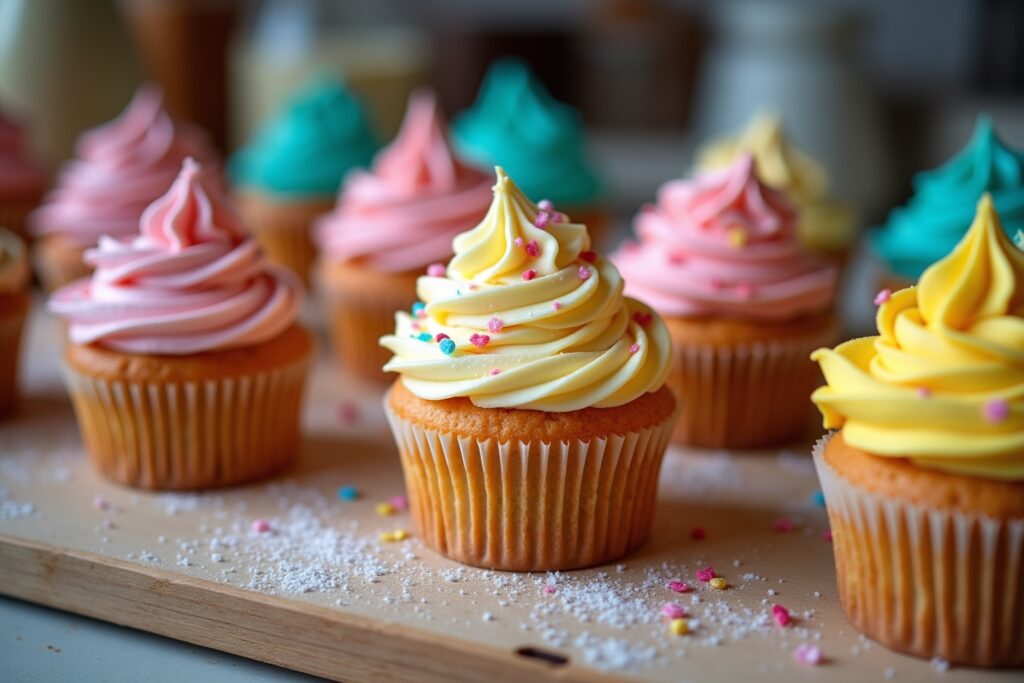
Embarking on your baking journey with cupcakes offers a delightful path to creating small, perfect moments of joy. Whether you’re a seasoned baker or just starting, exploring a diverse range of cupcake recipes will equip you with the knowledge to craft delicious treats for any occasion.
These are the most popular Cupcake recipe products
Keine Produkte gefunden.Mastering the Art of Cupcake Baking: Essential Techniques
Successful cupcake baking hinges on precision and understanding fundamental techniques. Proper ingredient preparation, accurate measurements, and correct mixing methods are paramount to achieving light, moist, and flavorful cupcakes. Overmixing, for instance, can lead to tough cakes, while undermixing results in an uneven texture. Understanding the role of each ingredient – flour for structure, sugar for sweetness and tenderness, eggs for binding and richness, fat for moisture and flavor, and leavening agents for lift – empowers you to troubleshoot and adapt recipes.
The Foundation: Choosing and Preparing Your Ingredients
The quality of your ingredients directly impacts the final taste and texture of your cupcakes. Always use fresh, room-temperature ingredients like butter, eggs, and milk unless a recipe specifies otherwise. Room-temperature ingredients emulsify better, creating a smoother batter and a more consistent bake. Sift your dry ingredients (flour, baking powder, baking soda, salt, and cocoa powder) together to remove lumps and aerate them, which helps prevent dense cupcakes.
Mixing Methods: Creaming vs. Reverse Creaming
Two common mixing methods significantly influence cupcake texture:
- Creaming Method: This classic technique involves beating softened butter and sugar together until light and fluffy. This process incorporates air, which contributes to a tender crumb. Eggs are then added one at a time, followed by alternating additions of dry and wet ingredients.
- Reverse Creaming Method: In this method, the dry ingredients are first combined with the softened butter until a sandy texture is achieved. Then, the liquid ingredients are gradually added. This method coats the flour particles with fat, which can result in a finer, more velvety crumb and a tenderer cake, often with a reduced risk of overmixing.
Achieving the Perfect Bake: Temperature and Time
Oven temperature is critical. Most cupcake recipes call for a baking temperature between 325°F (160°C) and 375°F (190°C). Too hot an oven can cause the cupcakes to brown too quickly on the outside while remaining undercooked in the center, or lead to domed tops that crack. Too cool an oven can result in pale, dense cupcakes that take longer to bake. Always preheat your oven thoroughly and consider using an oven thermometer for accuracy. Baking time typically ranges from 18 to 25 minutes, depending on the recipe and oven. Cupcakes are done when a toothpick inserted into the center comes out clean.
A World of Flavor: Popular Cupcake Recipe Categories
The versatility of cupcakes means there’s a flavor profile to suit every palate. From classic chocolate and vanilla to more adventurous combinations, understanding these popular categories will inspire your baking.
| Category | Key Ingredients | Flavor Profile | Occasion Suitability |
|---|---|---|---|
| Classic Vanilla Bean | Vanilla bean paste/extract, butter, sugar, eggs, flour, milk | Sweet, creamy, aromatic | Everyday enjoyment, birthdays, baby showers |
| Rich Chocolate Fudge | Cocoa powder, melted chocolate, coffee (enhances chocolate flavor), butter, sugar, eggs, flour | Intense chocolate, moist, decadent | Desserts, parties, holidays |
| Red Velvet | Cocoa powder, buttermilk, red food coloring, vinegar, baking soda | Mild chocolate, tangy, subtle sweetness | Valentine’s Day, birthdays, special celebrations |
| Fruity Delights (e.g., Lemon Blueberry, Strawberry Swirl) | Fresh fruit, fruit zest, fruit purees, buttermilk | Bright, refreshing, tart and sweet | Spring/summer gatherings, afternoon tea, brunches |
| Spiced Carrot Cake | Grated carrots, cinnamon, nutmeg, ginger, cream cheese frosting | Warm spices, moist, slightly sweet, creamy frosting | Autumn/winter holidays, birthdays, brunch |
| Peanut Butter Lover’s | Peanut butter, peanut butter chips, crushed peanuts | Nutty, salty-sweet, rich | Kid’s parties, casual get-togethers |
Classic Vanilla Bean Cupcakes: The Timeless Favorite
Vanilla is a cornerstone of baking for a reason. A well-executed vanilla bean cupcake offers a delicate sweetness and a tender crumb. The key is using real vanilla bean paste or extract for a more complex and authentic flavor. Creaming butter and sugar properly is essential for a light texture. These are incredibly adaptable and serve as a perfect canvas for a variety of frostings and fillings.
Decadent Chocolate Fudge Cupcakes: For the True Chocolate Enthusiast
For those who crave intense chocolate flavor, a good chocolate fudge cupcake recipe is a must. Using both cocoa powder and melted dark chocolate provides depth and richness. A touch of brewed coffee or espresso powder can significantly enhance the chocolate notes without making the cupcakes taste like coffee. Ensuring the batter isn’t overmixed is crucial to maintain moisture and prevent a dry outcome.
Vibrant Red Velvet Cupcakes: A Visual and Culinary Treat
Red velvet is renowned for its striking color and subtle, tangy flavor profile. The characteristic tang comes from buttermilk reacting with vinegar and baking soda. While a small amount of cocoa powder is typically used, it’s not overwhelmingly chocolatey. The combination of these elements with a rich cream cheese frosting creates an unforgettable experience.
Fruity Delights: Bursting with Freshness
Incorporating fresh fruits or fruit purees into cupcake batter adds natural sweetness and moisture. Lemon zest paired with blueberries creates a classic combination, offering bright citrus notes and bursts of juicy berries. Strawberry cupcakes can be achieved through pureed strawberries or a swirl of strawberry jam. These are perfect for lighter, more refreshing desserts.
Spiced Carrot Cake Cupcakes: Warmth and Comfort
These cupcakes embody the cozy flavors of autumn and winter. Grated carrots provide moisture and natural sweetness, while a blend of warming spices like cinnamon, nutmeg, and ginger create a fragrant aroma and complex taste. Cream cheese frosting is the quintessential accompaniment, offering a creamy, tangy contrast to the spiced cake.
Peanut Butter Lover’s Cupcakes: A Salty-Sweet Symphony
For peanut butter aficionados, these cupcakes are a dream. Incorporating peanut butter into the batter and often adding peanut butter chips or chopped peanuts results in a rich, nutty flavor. The interplay of sweet and salty makes these incredibly satisfying.
Frosting and Decoration: Elevating Your Cupcakes
The frosting is often the crowning glory of a cupcake, transforming a simple cake into a work of art. Beyond aesthetics, the right frosting complements the cake’s flavor and texture.
Essential Frosting Types
- Buttercream Frosting: The most common and versatile. American buttercream is made with butter, powdered sugar, and a liquid like milk or cream. Swiss and Italian meringues create lighter, more stable buttercreams.
- Cream Cheese Frosting: A tangy and rich frosting, perfect for red velvet, carrot cake, and spice cupcakes. It’s made with cream cheese, butter, powdered sugar, and vanilla extract.
- Ganache: A simple yet luxurious frosting made from chocolate and heavy cream. It can be poured over cupcakes or whipped for a lighter texture.
- Whipped Cream Frosting: A lighter, airier option, often stabilized with gelatin or powdered sugar. Ideal for fruit-based cupcakes.
Creative Decoration Ideas
Decoration possibilities are endless. Simple swirls of frosting piped with a star or round tip, sprinkles, edible flowers, fresh fruit, chocolate shavings, or even miniature candies can transform your cupcakes. For themed parties, consider fondant cutouts or edible images. Remember that the flavor of the frosting should complement the cake.
Troubleshooting Common Cupcake Problems
Even with the best intentions, baking can present challenges. Understanding common issues and their solutions will ensure your future bakes are successful.
What to do if your cupcakes are dry and crumbly?
Dryness often results from overbaking, too much flour, or not enough fat or liquid. Ensure you’re measuring your flour correctly (spooning it into the cup and leveling, rather than scooping directly from the bag). Avoid overbaking by checking for doneness at the lower end of the recipe’s suggested baking time. Using room-temperature ingredients and not overmixing the batter also contributes to moisture.
Why did my cupcakes sink in the middle?
This can happen if the oven temperature is too low, if they were underbaked, or if there was too much leavening agent. An oven that is not preheated properly is also a culprit. Ensure your baking powder and baking soda are fresh. Opening the oven door too frequently during baking can cause the cupcakes to collapse as the air escapes.
How to prevent cupcakes from doming and cracking?
A too-hot oven is the most common cause of excessive doming and cracking. Try reducing the oven temperature by 25°F (15°C). Also, ensure you’re not overfilling your cupcake liners; filling them about two-thirds full is ideal. Even baking and avoiding overmixing can help promote a flatter top.
My cupcakes have a tough texture. What did I do wrong?
A tough texture is almost always a result of overmixing the batter, especially after the flour has been added. Once flour is incorporated, mix only until just combined. Overworking the gluten in the flour develops it too much, leading to a chewy, tough cake. Using a low-protein flour like cake flour can also help create a more tender crumb.
Why do my cupcakes stick to the liners?
Ensure your cupcake liners are of good quality and are properly placed within the muffin tin. If using paper liners, try greasing the tin itself before inserting the liners for extra insurance. Forcing the cupcakes to cool completely in the tin before removing them can also help. Sometimes, a very moist or sticky batter is more prone to sticking.
These are the latest Cupcake recipe products with the best ratings.
Keine Produkte gefunden.FAQ – Frequently Asked Questions about Cupcake Recipes: Süße Ideen zum Backen
Can I make cupcakes ahead of time?
Yes, you can bake cupcakes a day or two in advance. Once completely cooled, store them in an airtight container at room temperature. If frosting them, wait until just before serving to prevent the frosting from becoming soggy or melting, especially if using a buttercream or cream cheese frosting. Unfrosted cupcakes can also be frozen for longer storage.
What is the best way to store leftover cupcakes?
For unfrosted cupcakes, an airtight container at room temperature is best for up to 2-3 days. For frosted cupcakes, it depends on the frosting. Buttercream and ganache-based frostings are generally fine at room temperature in an airtight container for a day, but refrigeration can extend their life, especially in warm climates. Cream cheese frosting should ideally be refrigerated. Ensure they are brought back to room temperature before serving for optimal flavor and texture.
How can I make my cupcakes moister?
Several factors contribute to moist cupcakes. Using ingredients at room temperature, not overmixing the batter, and ensuring you don’t overbake are crucial. Incorporating ingredients like sour cream, yogurt, or buttermilk can add moisture. Using oil instead of or in addition to butter can also result in a moister cake. Applesauce or pureed fruit can also be used as moistening agents.
What kind of flour is best for cupcakes?
For most standard cupcake recipes, all-purpose flour works well. However, for exceptionally tender and delicate cupcakes, cake flour is often recommended. Cake flour has a lower protein content than all-purpose flour, which results in less gluten development and a finer crumb. Always measure your flour correctly by spooning it into the measuring cup and leveling it off.
How do I achieve a smooth, even frosting on my cupcakes?
A smooth, even frosting often starts with a well-chilled cupcake. For buttercream, ensure your ingredients are at the correct temperature – not too warm, not too cold. Using a piping bag with a round or star tip can create professional-looking swirls. If aiming for a smooth, spread frosting, use an offset spatula and a light hand. Chilling the frosted cupcakes briefly can help set the frosting.
Can I substitute ingredients in cupcake recipes?
Ingredient substitutions can be tricky and may affect the final outcome. For example, substituting oil for butter will change the texture and flavor. Replacing baking soda with baking powder (or vice versa) will alter the leavening. If you’re new to baking, it’s generally best to follow recipes as written. If you do need to substitute, research common baking substitutions carefully.


