
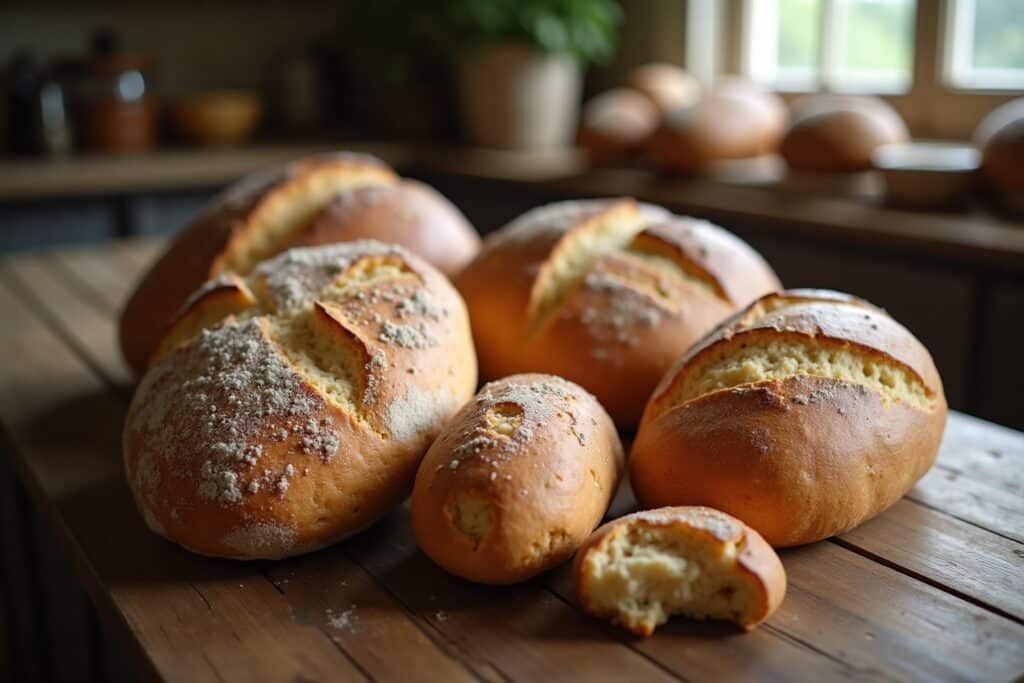
Unlock the joy of freshly baked bread with these 18 easy recipes that you can start baking right now. Whether you’re a complete beginner or looking for quick, reliable recipes, this curated collection is designed to help you master the art of home baking with minimal fuss and maximum flavor.
These are the most popular Bread Recipes products
Keine Produkte gefunden.The Allure of Homemade Bread: Why Bake Now?
There’s an undeniable satisfaction that comes from pulling a warm, fragrant loaf of bread from your own oven. It’s a sensory experience that fills your home with an inviting aroma and promises delicious, wholesome goodness. Beyond the sensory pleasure, baking your own bread offers unparalleled control over ingredients, allowing you to avoid preservatives and artificial additives commonly found in store-bought varieties. This empowers you to cater to specific dietary needs and preferences, from gluten-free to low-carb options. Furthermore, the process itself can be incredibly therapeutic, offering a mindful escape from daily stresses. With the right recipes, the journey from mixing dough to enjoying the first slice is remarkably accessible, even for those with limited kitchen experience.
Essential Ingredients for Effortless Baking
Before diving into the recipes, understanding the core components of bread making will set you up for success. These staples are the building blocks of almost every loaf:
- Flour: The foundation of your bread. All-purpose flour is versatile for many recipes, while bread flour offers higher gluten content for chewier textures. Whole wheat flour adds a nutty flavor and increased fiber.
- Yeast: The magic leavening agent that makes bread rise. Active dry yeast and instant yeast are the most common. Ensure your yeast is fresh for optimal results.
- Water or Liquid: Hydrates the flour, activates the yeast, and helps develop gluten. Milk can add richness and softness.
- Salt: Crucial for flavor and controlling yeast activity. It also strengthens gluten structure.
- Sugar (Optional): Feeds the yeast, aids in browning, and adds a touch of sweetness.
- Fat (Optional): Such as butter, oil, or shortening, contributes to tenderness, flavor, and shelf life.
Baking Made Simple: Key Techniques to Master
Even the simplest recipes benefit from a few fundamental techniques. Familiarizing yourself with these will boost your confidence and ensure better outcomes:
- Mixing and Kneading: This develops gluten, which gives bread its structure and chew. Many easy recipes utilize no-knead methods, relying on time for gluten development.
- Proofing (Fermentation): Allowing the dough to rise in a warm place. This is where yeast produces carbon dioxide, creating air pockets.
- Shaping: Forming the dough into its final loaf shape before the second rise and baking.
- Baking: Understanding oven temperature and baking time is key. A well-baked loaf will have a golden-brown crust and sound hollow when tapped on the bottom.
18 Easy Bread Recipes to Bake Right Now
Quick Breads & No-Knead Wonders
These recipes are designed for speed and minimal effort, perfect for busy weeknights or spontaneous baking cravings.
- No-Knead Artisan Bread: This is the quintessential easy bread recipe. It requires minimal hands-on time, relying on a long, slow fermentation in a Dutch oven for a crispy crust and airy crumb. You mix it, let it sit for 12-18 hours, shape briefly, and bake.
- Simple Sandwich Bread: A foolproof recipe for a soft, classic loaf perfect for sandwiches. It typically involves a straightforward mixing, kneading (or a brief stand mixer session), proofing, and baking process.
- Easy Focaccia: This flatbread is incredibly forgiving and versatile. It involves a simple dough that’s spread into a pan, dimpled, topped with olive oil and herbs, and baked.
- Banana Bread: A sweet quick bread that uses baking soda and baking powder for leavening, eliminating the need for yeast. It’s moist, flavorful, and uses overripe bananas.
- Zucchini Bread: Similar to banana bread, this quick bread incorporates grated zucchini for moisture and a tender crumb. Spices like cinnamon and nutmeg enhance its flavor.
- Irish Soda Bread: This traditional quick bread uses baking soda as a leavening agent, activated by the acidity of buttermilk. It has a dense, rustic texture and is traditionally scored with a cross.
Flavorful Additions & Variations
Elevate your basic loaves with these recipes that incorporate exciting flavors and textures.
- Garlic Herb Bread: Start with a basic dough and incorporate minced garlic, fresh herbs (like rosemary, thyme, or parsley), and perhaps some Parmesan cheese before baking.
- Cheddar and Jalapeño Bread: A savory delight that combines sharp cheddar cheese and spicy jalapeños into a yeasted dough. Perfect for accompanying chili or stews.
- Olive and Rosemary Bread: Incorporate chopped Kalamata or green olives and fresh rosemary into your dough for a Mediterranean-inspired loaf.
- Cinnamon Swirl Raisin Bread: A slightly sweeter loaf featuring a ribbon of cinnamon-sugar filling and plump raisins throughout. This is a wonderful breakfast or snack bread.
- Honey Oat Bread: A wholesome loaf made with whole wheat flour, oats, and a touch of honey for natural sweetness and a chewy texture.
- Multigrain Bread: This recipe combines various grains like flax seeds, sunflower seeds, millet, and cracked wheat for a nutritious and flavorful bread with a satisfying crunch.
Global Inspirations & Specialty Breads
Explore diverse bread traditions with these approachable recipes from around the world.
- Challah (Simplified): A traditional Jewish braided bread, often enriched with eggs and oil. Simplified versions focus on achieving a good flavor and texture with fewer braiding steps or simpler ingredients.
- Naan Bread: This soft, leavened flatbread from India is traditionally cooked in a tandoor but can be successfully made on a stovetop or in a hot oven.
- Pita Bread: Known for its signature pocket, pita bread is a simple flatbread that puffs up dramatically during baking due to steam.
- Baguette (Simplified): While a true baguette requires skill, simplified versions focus on achieving a good crust and open crumb through careful hydration and baking techniques.
- Ciabatta: This Italian white bread has a very high hydration dough, resulting in a light, airy interior with large irregular holes and a crispy crust. Easy versions manage the high hydration with careful handling.
- Rye Bread (Beginner-Friendly): Traditional rye breads can be dense, but beginner-friendly recipes often balance rye flour with wheat flour and use commercial yeast to ensure a lighter texture and rise.
Bread Recipe Categories at a Glance
| Category | Key Characteristics | Best For | Effort Level | Typical Leavening |
|---|---|---|---|---|
| Quick Breads & No-Knead | Minimal preparation time, simple ingredients, often uses chemical leaveners or long fermentation. | Spontaneous baking, weeknight meals, beginners. | Very Easy | Baking soda/powder, yeast (long fermentation) |
| Flavorful Additions & Variations | Incorporates herbs, spices, cheese, fruits, or seeds into basic doughs. | Adding excitement to everyday meals, unique flavor profiles. | Easy to Medium | Yeast |
| Global Inspirations & Specialty Breads | Draws from international baking traditions, may involve specific shaping or techniques. | Exploring diverse culinary experiences, unique textures and tastes. | Medium | Yeast |
Tips for Success with Every Bake
Even the most straightforward recipes can encounter minor challenges. Here are some tips to ensure your bread turns out beautifully every time:
- Room Temperature Ingredients: Ensure your liquids and other ingredients are at room temperature (unless the recipe specifies otherwise) for even yeast activation.
- Accurate Measuring: Especially with flour, using a kitchen scale provides the most consistent results. If using cups, spoon the flour into the cup and level it off without packing.
- Patience with Proofing: Don’t rush the rising process. The time needed can vary depending on the temperature of your kitchen. A warm, draft-free spot is ideal.
- Oven Readiness: Preheat your oven thoroughly. For many breads, especially those baked in a Dutch oven, a hot oven is critical for achieving a good crust.
- Cooling is Key: Allow your bread to cool completely on a wire rack before slicing. This allows the internal structure to set and prevents a gummy texture.
These are the latest Bread Recipes products with the best ratings.
Keine Produkte gefunden.FAQ – Frequently Asked Questions about 18 Bread Recipes Easy to Bake Now
What is the easiest type of bread to bake for a beginner?
For absolute beginners, quick breads like banana bread, zucchini bread, or Irish soda bread are excellent starting points as they don’t involve yeast and have simpler mixing methods. Among yeasted breads, the no-knead artisan bread is exceptionally easy because it minimizes hands-on work and is very forgiving.
How can I tell if my yeast is still active?
To test your yeast, combine about a teaspoon of yeast with a quarter cup of warm water (around 105-115°F or 40-46°C) and a pinch of sugar. Let it sit for 5-10 minutes. If it becomes foamy and bubbly, your yeast is active and ready to use. If nothing happens, it’s likely dead and you should get a fresh packet.
Why didn’t my bread rise?
There are several reasons why bread might not rise: inactive yeast (as mentioned above), water that was too hot or too cold (which can kill or hinder yeast activity), insufficient proofing time, or an oven that wasn’t warm enough during baking. Using old flour can also sometimes contribute to poor rise.
What is the difference between all-purpose flour and bread flour?
Bread flour has a higher protein content (typically 12-14%) compared to all-purpose flour (around 10-12%). This higher protein content develops more gluten when mixed with water and kneaded, resulting in a bread with a chewier texture and better structure, which is ideal for loaves that require significant rising and structure.
Can I substitute ingredients in these easy bread recipes?
For quick breads, substitutions are often more flexible. For yeasted breads, it’s generally best to follow the recipe closely, especially regarding flour type and yeast. Small adjustments to liquids or minor flavor additions are usually fine, but significant changes to the flour ratio or leavening agents can drastically alter the outcome.
How do I store homemade bread?
Once completely cooled, homemade bread can be stored at room temperature in a bread box or a loosely sealed plastic bag for 2-3 days. For longer storage, slice the bread and freeze it in an airtight container or freezer bag. It will keep well for several months. Avoid refrigerating bread, as this can make it stale more quickly.
What is a Dutch oven and why is it recommended for bread?
A Dutch oven is a heavy, thick-walled pot, usually made of cast iron, with a tight-fitting lid. When baking bread, preheating the Dutch oven creates a steamy environment inside, mimicking a professional baker’s oven. This steam allows the bread to rise fully before the crust sets, resulting in a beautiful, crispy crust and an airy interior. The trapped heat also helps achieve even baking.


