
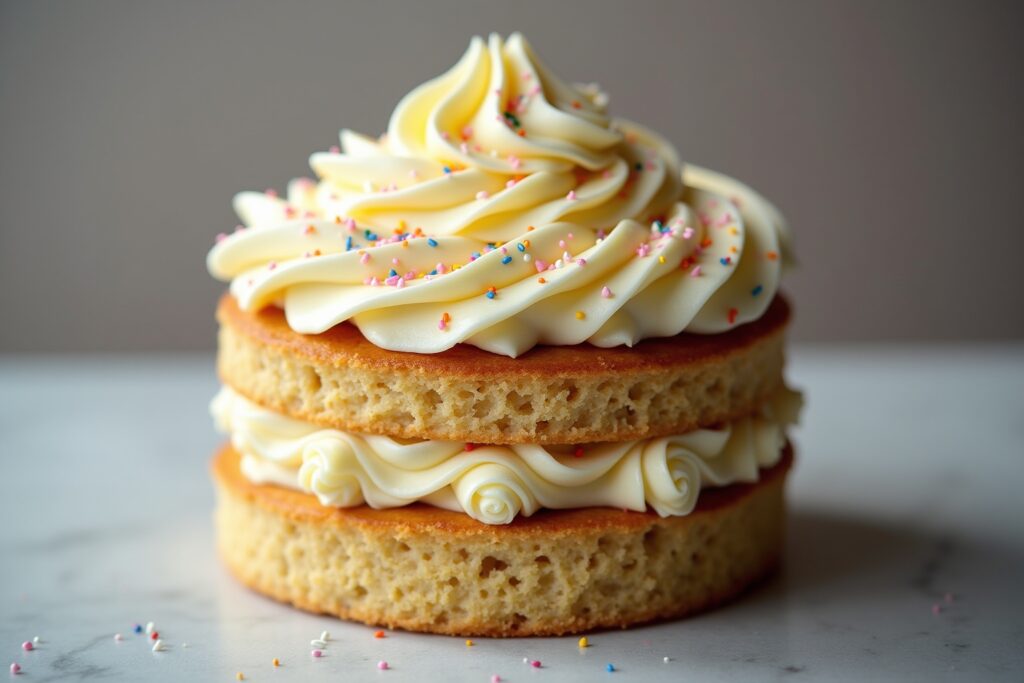
Mastering buttercream recipes unlocks a world of decorative possibilities for your cakes and baked goods, transforming simple desserts into edible works of art. Whether you’re a seasoned baker or just beginning, understanding the nuances of different buttercream types ensures your creations are as delicious as they are beautiful.
These are the most popular Buttercream recipes products
Keine Produkte gefunden.The Foundation of Flavor: Essential Buttercream Ingredients and Techniques
At its core, buttercream is a sweet, creamy frosting made primarily from butter and sugar. The quality of your ingredients directly impacts the final taste and texture. Always opt for unsalted, high-fat European-style butter for the richest flavor and smoothest consistency. Powdered sugar, also known as confectioners’ sugar or icing sugar, is crucial for achieving a fine, lump-free texture.
The method of incorporating air and emulsifying the ingredients is key. Most buttercreams rely on creaming butter until light and fluffy, then gradually adding sugar and liquids. This process creates an airy, spreadable frosting that holds its shape well. Understanding the sugar syrup stage in certain buttercreams, like Italian and Swiss meringue buttercreams, is vital for stability and a silky-smooth finish.
Exploring the Spectrum: Popular Buttercream Types and Their Applications
The world of buttercream is vast, with each type offering unique characteristics for different baking needs. Here’s a breakdown of the most popular varieties:
- American Buttercream: This is arguably the simplest and most common type. It’s made by beating softened butter with powdered sugar, a liquid (like milk or cream), and vanilla extract. It’s known for its sweetness and ease of preparation, making it ideal for beginners and for frosting cupcakes and simple cakes. However, it can sometimes be overly sweet and prone to a greasy texture if not balanced correctly.
- Swiss Meringue Buttercream: This type is made by heating egg whites and sugar over a double boiler until the sugar dissolves and the mixture reaches a specific temperature. This cooked mixture is then whipped into a meringue, and softened butter is gradually beaten in. The result is an incredibly smooth, stable, and less sweet buttercream with a delicate flavor and a glossy finish. It’s perfect for elaborate cake decorating, piping intricate designs, and filling layered cakes.
- Italian Meringue Buttercream: Similar to Swiss meringue, Italian meringue buttercream starts with a cooked sugar syrup. Hot sugar syrup is slowly poured into whipping egg whites, creating a stable meringue. Softened butter is then incorporated. This method yields a very stable, smooth, and melt-in-your-mouth buttercream that is less prone to splitting than American buttercream. It’s excellent for high-temperature environments and for creating flawless cake finishes.
- Ermine Buttercream (or Boiled Milk Frosting): This “old-fashioned” frosting starts by making a simple flour-and-milk roux, which is then cooled and combined with creamed butter and sugar. Ermine buttercream is less sweet than American buttercream and has a wonderfully light, fluffy, and slightly tangy flavor profile. It’s ideal for those who prefer a less intensely sweet frosting and is particularly delicious on red velvet cakes and vanilla cakes.
- Cream Cheese Buttercream: This variation combines cream cheese with butter and powdered sugar. The tanginess of the cream cheese cuts through the sweetness, creating a rich and flavorful frosting. It’s a popular choice for carrot cakes, red velvet cakes, and spice cakes. However, it’s less stable than meringue-based buttercreams and is best kept refrigerated.
- French Buttercream: This is the richest and most decadent type, made with a base of pâte à bombe—egg yolks cooked with a hot sugar syrup. Softened butter is then whipped in. The result is a luxurious, velvety buttercream with an intense buttery flavor. Due to the egg yolks, it has a distinct color and is best suited for delicate pastries and as a filling where its richness is appreciated.
Achieving Perfection: Tips for Success with Any Buttercream Recipe
No matter which buttercream recipe you choose, a few fundamental principles will elevate your results:
- Room Temperature Ingredients: Ensure your butter is truly softened, not melted. This allows it to cream properly and incorporate air. Cold butter will lead to a lumpy frosting, while melted butter will result in a greasy mess.
- Sift Your Sugar: Always sift powdered sugar to remove any lumps, which can ruin the smooth texture of your buttercream.
- Don’t Overmix: Once your buttercream has reached the desired consistency, avoid overmixing, especially with American buttercream. Overmixing can introduce too much air or cause the butter to melt slightly, leading to a greasy or soupy texture.
- Gradual Addition: Add your sugar and liquids slowly and incrementally. This helps them emulsify properly with the butter, creating a stable frosting.
- Humidity is the Enemy: High humidity can make buttercreams, particularly meringue-based ones, unstable and difficult to work with. Try to make your buttercream on a cooler, drier day.
- Adjust Consistency: If your buttercream is too stiff, add a tablespoon of liquid (milk, cream, or even water) at a time until it reaches the desired spreadability. If it’s too soft, you can try chilling it for a few minutes or gradually adding a little more sifted powdered sugar.
- Flavor Enhancements: Vanilla extract is a classic, but don’t be afraid to experiment. Consider adding citrus zest, fruit purées (strained to remove excess liquid), coffee extract, melted chocolate, or spices for unique flavor profiles.
Buttercream for Every Occasion: A Practical Guide
The choice of buttercream can significantly enhance the theme and flavor of your celebration.
Birthday Celebrations
For vibrant children’s birthdays, the ease and versatility of American Buttercream make it a top choice. Its sweetness is often a hit with younger palates, and it holds vibrant food coloring exceptionally well for colorful designs. For a more sophisticated adult birthday cake, consider a Swiss Meringue Buttercream for its elegant finish and less intense sweetness.
Weddings and Formal Events
Weddings demand stability and elegance. Italian Meringue Buttercream is the professional’s go-to for wedding cakes. Its superior stability means it holds up beautifully under warmer conditions and can be smoothed to a perfect, glass-like finish. Swiss Meringue Buttercream is also an excellent contender, offering similar stability and a refined texture.
Holiday Gatherings
Holiday baking often calls for festive flavors. Ermine Buttercream is wonderful for classic holiday cakes like spice cake or gingerbread, offering a nostalgic and comforting taste. For a rich chocolate Yule log or a pumpkin spice cake, a Cream Cheese Buttercream adds a delightful tangy contrast.
Specialty Cakes and Desserts
Red Velvet cakes practically beg for Cream Cheese Buttercream. For delicate pastries or French macarons, a subtly flavored French Buttercream can add a touch of luxury. If you’re making a lemon chiffon cake or a hummingbird cake, a light and airy Swiss Meringue Buttercream will complement the cake’s delicate texture without overpowering it.
Buttercream Application Techniques
Once you have your perfect buttercream, applying it is the next step:
- Crumb Coat: Apply a thin, even layer of buttercream to your cake to trap loose crumbs. Chill the cake for at least 30 minutes to set this layer before applying your final, thicker coat.
- Smoothing: Use an offset spatula or a bench scraper for a smooth, professional finish. For mirror-like smoothness, you can heat your scraper briefly in hot water, dry it thoroughly, and then glide it over the buttercream.
- Piping: Use piping bags fitted with various tips to create decorative borders, rosettes, swirls, and text. Practice on parchment paper before decorating your cake.
- Filling: Buttercream is excellent as a cake filling, providing moisture and flavor between layers. Ensure even distribution for consistent taste and texture.
| Buttercream Type | Key Characteristics | Best For | Difficulty Level | Stability |
|---|---|---|---|---|
| American Buttercream | Sweet, easy to make, holds color well | Cupcakes, simple cakes, beginners | Easy | Moderate |
| Swiss Meringue Buttercream | Smooth, stable, less sweet, silky texture | Elaborate decorating, cakes, fillings | Medium | High |
| Italian Meringue Buttercream | Very stable, smooth, melt-in-your-mouth, professional finish | Wedding cakes, high-humidity environments, detailed piping | Medium-Hard | Very High |
| Ermine Buttercream | Light, fluffy, less sweet, slightly tangy, old-fashioned flavor | Classic cakes, spice cakes, those preferring less sweetness | Medium | Moderate |
| Cream Cheese Buttercream | Tangy, rich, complementary to certain cakes | Carrot cake, red velvet, spice cake | Easy | Moderate (requires refrigeration) |
Troubleshooting Common Buttercream Problems
Even experienced bakers encounter buttercream challenges. Here’s how to fix them:
- Greasy Buttercream: This often happens when the butter is too warm or overworked. Try chilling the buttercream for 10-15 minutes, then re-whipping it. If it’s still greasy, it might be hard to fully recover, but chilling and adding a touch more powdered sugar can sometimes help.
- Lumpy Buttercream: Ensure your butter is softened (not melted) and that you’ve sifted your powdered sugar. If lumps persist, gently warm the bowl over a bain-marie (a bowl of simmering water, ensuring the bottom of the bowl doesn’t touch the water) for a minute or two, then re-whip.
- Splitting Buttercream (Separated): This occurs when the fat and liquid separate. For American buttercream, try adding a tablespoon of milk or cream and beating on low speed. For meringue buttercreams, it might be due to temperature shock. Try gently warming the bowl over a bain-marie and beating until it comes back together.
- Too Stiff: Gradually add small amounts of liquid (milk, cream, or even water) until you achieve the desired consistency.
- Too Soft/Runny: Gradually add more sifted powdered sugar, a tablespoon at a time, while beating on low speed. Chilling the buttercream for a short period can also help firm it up.
The Art of Flavor Infusion
Beyond basic vanilla, the flavor possibilities for buttercream are endless:
- Chocolate: Melted and cooled dark, milk, or white chocolate can be incorporated for rich chocolate buttercreams.
- Fruit: Puréed and strained fruits (like raspberry, strawberry, or passion fruit) add natural flavor and color. Ensure the purée is thick; if it’s too watery, reduce it slightly on the stovetop.
- Citrus: Zest and juice from lemons, limes, or oranges provide a bright, refreshing tang.
- Coffee/Espresso: Instant espresso powder dissolved in a tiny bit of hot water or strong brewed coffee adds depth.
- Spices: Cinnamon, nutmeg, cardamom, or even a hint of chili can elevate your buttercream.
- Liqueurs: A splash of your favorite liqueur can add sophisticated flavor notes.
When to Use Meringue Buttercream vs. American Buttercream
The distinction often comes down to your desired outcome and the complexity of your project. American buttercream’s simplicity makes it ideal for quick decorating jobs and when a sweeter profile is acceptable. Its ease of handling means you can whip it up in minutes for last-minute frosting needs. However, for cakes that need to hold their shape impeccably, withstand warmer temperatures, or have a more refined, less cloyingly sweet taste, meringue-based buttercreams (Swiss or Italian) are superior. Their smooth texture and stability make them the preferred choice for professional cake decorators and for high-stakes events like weddings.
Storing Your Buttercream
Proper storage is crucial for maintaining the quality and safety of your buttercream. Store frosted cakes or unfrosted buttercream in an airtight container in the refrigerator. American and cream cheese buttercreams will firm up considerably when chilled; you may need to let them come to room temperature slightly and re-whip them briefly before serving or decorating. Meringue-based buttercreams are generally more forgiving and can often be used directly from refrigeration after a quick re-whip. Unused buttercream can be stored in the refrigerator for up to a week or frozen for up to three months. Thaw frozen buttercream in the refrigerator and re-whip until smooth.
Elevating Your Baking with Buttercream Expertise
Understanding the different types of buttercream and mastering their preparation techniques empowers you to elevate your baking from ordinary to extraordinary. Each recipe offers a unique canvas for flavor and decoration, ensuring you have the perfect frosting for any creation, from a simple batch of cupcakes to a grand wedding cake.
These are the latest Buttercream recipes products with the best ratings.
Keine Produkte gefunden.FAQ – Frequently Asked Questions about Buttercream Recipes
What is the easiest buttercream recipe for beginners?
The easiest buttercream recipe for beginners is typically American Buttercream. It requires minimal ingredients (butter, powdered sugar, vanilla extract, and a liquid like milk or cream) and a straightforward method of creaming butter and then beating in the sugar and liquid. It’s forgiving and quick to make.
Can I make buttercream dairy-free?
Yes, you can make dairy-free buttercream by substituting the dairy butter with a high-quality vegan butter substitute that is solid at room temperature. For meringue-based buttercreams, you would also need to find an aquafaba (chickpea brine) or other vegan egg white substitute to create the meringue base.
How do I make my buttercream less sweet?
To make buttercream less sweet, you can use less powdered sugar and incorporate ingredients that add tanginess or complexity, such as cream cheese, a small amount of lemon juice or zest, or use meringue-based buttercreams like Swiss or Italian, which are naturally less sweet due to the cooking of the sugar and egg whites.
What is the most stable buttercream for decorating?
The most stable buttercreams for decorating are typically Italian Meringue Buttercream and Swiss Meringue Buttercream. The cooked sugar and egg white base creates a very firm structure that holds its shape exceptionally well, making them ideal for intricate piping, hot weather, and smooth finishes.
How much buttercream do I need for a cake?
The amount of buttercream needed depends on the size and shape of your cake, as well as whether you are filling, frosting, and decorating. A general guideline for a standard 8-inch, two-layer cake is about 4-6 cups of buttercream for filling and frosting. For extensive piping or elaborate designs, you will need more.
Why is my buttercream tasting greasy?
Greasy buttercream is often caused by using butter that is too warm or by over-creaming the butter. If the butter is too soft, it can break down and release its fat, leading to a greasy texture. Try chilling the buttercream and then re-whipping it on a low speed to help emulsify it again.
Can I color buttercream with natural ingredients?
Yes, you can color buttercream with natural ingredients. Fruit and vegetable purées (like beetroot for pink, spinach for green, turmeric for yellow, or butterfly pea flower for blue) can be used, but be mindful that they can alter the flavor and texture, and often require straining and reducing to avoid adding too much moisture.


