
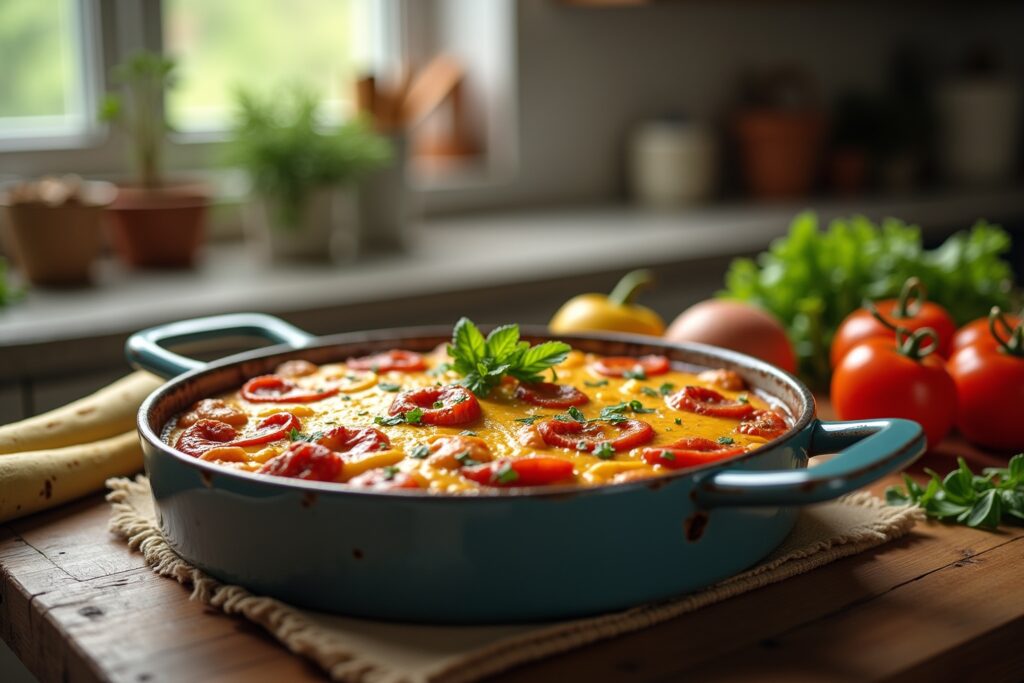
Are you looking for satisfying yet nutritious meal options that minimize post-dinner cleanup? Discovering healthy casserole recipes can revolutionize your weeknight cooking, offering convenience without compromising on your well-being.
These are the most popular Casserole cookbook products
Keine Produkte gefunden.The Enduring Appeal of Healthy Casseroles
Casseroles, traditionally associated with comfort food, can be surprisingly adaptable to a healthy lifestyle. The beauty of a casserole lies in its ability to combine various ingredients into a single, cohesive dish, making meal preparation and serving straightforward. For the health-conscious individual, this format presents an excellent opportunity to incorporate lean proteins, abundant vegetables, and whole grains while controlling fat and sodium content. You can transform classic comfort food into a powerhouse of nutrients, perfect for busy families, individuals seeking to manage their weight, or anyone aiming for a more balanced diet.
Key Components of a Healthy Casserole
Crafting a healthy casserole involves thoughtful ingredient selection. The foundation often includes lean protein sources such as chicken breast, turkey, fish, beans, lentils, or tofu. These provide essential amino acids and contribute to satiety. Next, an abundance of vegetables is crucial. Think beyond the basic onion and bell pepper; incorporate nutrient-dense options like broccoli, spinach, sweet potatoes, zucchini, mushrooms, and carrots. These add fiber, vitamins, minerals, and vibrant color. Whole grains like brown rice, quinoa, whole wheat pasta, or whole wheat breadcrumbs can serve as bases or toppings, offering complex carbohydrates for sustained energy and additional fiber. When it comes to binders and sauces, opt for lighter choices. Greek yogurt, low-fat milk, pureed vegetables, or a broth-based sauce can often replace heavy cream or excessive cheese. Minimizing processed ingredients and added sugars is paramount for maintaining the health profile of your dish.
Nutritional Benefits You Can Expect
Incorporating a variety of healthy casserole recipes into your meal plan can yield significant nutritional advantages. You’ll likely experience an increased intake of dietary fiber, which aids digestion and helps regulate blood sugar levels. The lean proteins will support muscle repair and growth, while the diverse range of vegetables ensures a broad spectrum of vitamins and antioxidants, bolstering your immune system and protecting your cells from damage. By focusing on whole, unprocessed ingredients, you can also effectively manage your sodium and saturated fat intake, contributing to better cardiovascular health and overall well-being. These dishes are also excellent for portion control, as they are often served in pre-portioned servings, making it easier to adhere to your dietary goals.
Categorizing Healthy Casserole Options
To help you navigate the world of healthy casseroles, we’ve categorized them based on their primary focus and dietary suitability. This approach allows you to quickly identify recipes that align with your specific needs and preferences, whether you’re prioritizing plant-based meals, low-carb options, or family-friendly favorites.
| Category | Key Ingredients | Dietary Focus | Typical Preparation Style |
|---|---|---|---|
| Vegetable-Forward Casseroles | Broccoli, spinach, cauliflower, zucchini, mushrooms, sweet potatoes, quinoa, brown rice, legumes | High fiber, rich in vitamins and minerals, often vegetarian or vegan adaptable | Layered or mixed, baked with a light binding agent or sauce |
| Lean Protein Powerhouses | Chicken breast, turkey, lean ground beef, fish, tofu, beans, lentils | High protein, supports muscle health, aids satiety | Often feature a protein source mixed with vegetables and a light sauce |
| Low-Carb & Keto-Friendly | Cauliflower, broccoli, zucchini, spinach, cheese, heavy cream (in moderation), eggs, chicken, ground meat | Minimizes carbohydrates, promotes ketosis | Rich in healthy fats, often cheese-based or egg-bound |
| Whole Grain Goodness | Brown rice, quinoa, whole wheat pasta, whole wheat breadcrumbs, lean meats, vegetables | Provides complex carbohydrates for sustained energy, high in fiber | Often a rice or pasta bake with added vegetables and protein |
| Global Flavors | Ingredients reflecting various cuisines like Mexican, Italian, Thai, Indian | Diverse nutrient profiles depending on the cuisine, often incorporating spices | Adaptations of traditional dishes with healthier ingredient swaps |
15 Wholesome Casserole Recipes to Try
1. Broccoli and Chicken Bake with Quinoa
This recipe is a complete meal in one dish, offering lean protein from chicken breast, fiber and complex carbohydrates from quinoa, and essential vitamins from broccoli. You’ll typically sauté onions and garlic, then combine them with cooked chicken, steamed broccoli florets, cooked quinoa, and a light sauce made from low-fat Greek yogurt or a vegetable broth thickened with a touch of whole wheat flour. A sprinkle of Parmesan cheese on top adds flavor without excessive calories.
2. Sweet Potato and Black Bean Enchilada Casserole
A vibrant and flavorful option, this casserole features the natural sweetness of sweet potatoes balanced by hearty black beans. It’s often layered with corn tortillas, a homemade enchilada sauce (low in sodium), and topped with a modest amount of shredded cheese. You can add corn, spinach, or diced bell peppers for extra nutrition. This dish is naturally vegetarian and can be made vegan by omitting the cheese or using a dairy-free alternative.
3. Salmon and Asparagus Casserole with Dill
Rich in omega-3 fatty acids, salmon makes for a decadent yet healthy casserole. Flaked cooked salmon is combined with blanched asparagus spears, a creamy sauce made from Greek yogurt or pureed cauliflower, and fresh dill. A light topping of whole wheat breadcrumbs or crushed almonds adds a satisfying crunch. This dish is elegant enough for guests but simple enough for a weeknight.
4. Turkey and Zucchini Noodle Lasagna
A lighter take on traditional lasagna, this version uses thinly sliced zucchini noodles instead of pasta. Lean ground turkey is browned with onions, garlic, and marinara sauce. This mixture is then layered with ricotta cheese (lightened with a bit of skim milk), spinach, and the zucchini noodles. A small amount of mozzarella cheese is sprinkled on top before baking.
5. Lentil Shepherd’s Pie with Sweet Potato Topping
A comforting and plant-based classic. A savory filling of brown or green lentils, carrots, peas, and onions in a rich vegetable broth replaces the traditional meat. This is topped with a smooth mash of steamed sweet potatoes, offering a boost of Vitamin A and a slightly sweet counterpoint to the savory filling.
6. Cauliflower Crust Pizza Casserole
For those craving pizza flavors in a casserole format. A base made from riced cauliflower, egg, and a touch of Parmesan cheese is pre-baked until firm. It’s then topped with marinara sauce, your favorite vegetables (mushrooms, bell peppers, onions), lean protein (grilled chicken, turkey pepperoni), and a sprinkle of mozzarella. Baked until bubbly, it offers a lower-carb pizza experience.
7. Mediterranean Chickpea and Vegetable Bake
This vibrant casserole is packed with plant-based protein and fiber. Chickpeas are mixed with diced tomatoes, zucchini, bell peppers, red onion, Kalamata olives, and spinach. It’s seasoned with oregano, basil, and a drizzle of olive oil, then baked until the vegetables are tender. A dollop of plain Greek yogurt or a sprinkle of feta cheese can be added after baking.
8. Spinach and Feta Stuffed Chicken Breast Casserole
Chicken breasts are butterflied and stuffed with a mixture of sautéed spinach, crumbled feta cheese, and a hint of garlic. The stuffed chicken breasts are then nestled in a baking dish with a light tomato sauce or a mixture of chicken broth and herbs. This ensures moist and flavorful chicken with minimal added fat.
9. Mexican Quinoa and Chicken Casserole
A fiesta of flavors! Cooked chicken, quinoa, black beans, corn, diced tomatoes, and bell peppers are tossed with taco seasoning and a lightened creamy sauce (perhaps using Greek yogurt or a blend of milk and cornstarch). This is baked until heated through and topped with a small amount of shredded cheese and cilantro.
10. Mushroom and Swiss Chard Gratin
A sophisticated yet simple vegetarian option. Sautéed mushrooms and wilted Swiss chard are combined with a béchamel sauce made with skim milk and a touch of whole wheat flour, flavored with nutmeg. A moderate amount of Swiss cheese is mixed in and then topped with whole wheat breadcrumbs before baking to a golden brown.
11. Tuna and Brown Rice Casserole with Peas
A comforting and budget-friendly classic. Flaked tuna is mixed with cooked brown rice, frozen peas, and a sauce made from low-fat cream of mushroom soup (or a homemade healthier version using milk and mushroom broth), seasoned with black pepper. A topping of crushed whole wheat crackers or a sprinkle of cheese adds texture.
12. Sausage and Broccoli Rabe Pasta Bake
This dish offers a satisfying blend of savory Italian sausage (choose a leaner variety), slightly bitter broccoli rabe, and whole wheat pasta. The ingredients are tossed with a light garlic and olive oil sauce or a small amount of marinara, then baked with a moderate topping of provolone or mozzarella cheese.
13. Roasted Vegetable and Halloumi Bake
Halloumi cheese, with its firm texture that holds up well to heat, pairs beautifully with roasted vegetables. Cubes of zucchini, bell peppers, red onion, cherry tomatoes, and sweet potatoes are tossed with herbs and olive oil and roasted until tender. Cubes of halloumi are added for the last 10-15 minutes of roasting until golden brown and slightly softened.
14. Thai Green Curry Chicken Casserole
A fusion of comforting casserole with exotic flavors. Cooked chicken breast is mixed with bamboo shoots, bell peppers, and green beans in a lightened green curry sauce (made with coconut milk and curry paste). It’s then baked and can be served over brown rice or quinoa for a complete meal.
15. Eggplant and Ricotta Casserole with Spinach
Thinly sliced, baked eggplant layers are combined with a mixture of ricotta cheese (lightened with egg and herbs), sautéed spinach, and marinara sauce. It’s baked until the eggplant is tender and the cheese is bubbly, offering a vegetarian delight similar to moussaka but with less oil and meat.
Tips for Success with Healthy Casserole Recipes
When preparing these healthy casserole recipes, keep a few key principles in mind. Always pre-cook grains like quinoa or brown rice to ensure they are tender and fully cooked. For vegetable-heavy casseroles, consider pre-blanching or steaming tougher vegetables like broccoli or cauliflower to speed up the baking process and ensure even cooking. Don’t be afraid to experiment with herbs and spices to boost flavor without relying on excess salt or fat. Using low-sodium broths and canned goods is a simple yet effective way to reduce sodium intake. When it comes to cheese, a little goes a long way. Focus on using flavorful cheeses sparingly rather than loading up on milder options. Finally, allow your casserole to rest for a few minutes after baking; this allows the flavors to meld and makes it easier to serve clean portions.
Making Casseroles Ahead and Freezing
One of the greatest advantages of casseroles is their make-ahead potential. Most healthy casserole recipes can be fully assembled a day in advance and stored in the refrigerator. When you’re ready to cook, simply remove it from the fridge and bake, adding a few extra minutes to the cooking time to account for the cold ingredients. For longer-term storage, casseroles freeze exceptionally well. Allow the baked casserole to cool completely, then portion it into freezer-safe containers or wrap it tightly in plastic wrap and then foil. When you’re ready to eat, thaw it overnight in the refrigerator and then reheat in the oven or microwave. Individual portions are ideal for quick lunches or dinners.
Dietary Adaptations for Specific Needs
The beauty of these healthy casserole recipes lies in their adaptability. For gluten-free needs, substitute whole wheat pasta or breadcrumbs with gluten-free alternatives like quinoa pasta, rice noodles, or gluten-free breadcrumbs. Ensure your marinara sauces and broths are certified gluten-free. For dairy-free diets, replace cheese with nutritional yeast or dairy-free cheese alternatives. Use unsweetened plant-based milk (almond, soy, oat) and coconut milk (in moderation for fat content) in sauces instead of dairy milk or cream. Vegan versions can be achieved by replacing animal proteins with lentils, beans, tofu, or tempeh, and using plant-based binders and dairy-free alternatives.
When is a Casserole Truly “Healthy”?
A casserole is considered healthy when it emphasizes whole, unprocessed ingredients and minimizes added sugars, unhealthy fats, and excessive sodium. This means a generous inclusion of vegetables, lean proteins, and whole grains. It avoids heavy cream sauces, excessive amounts of cheese, and processed meats. The goal is a balanced meal that provides essential nutrients, fiber, and sustained energy without contributing to a caloric surplus or an imbalance of macronutrients. Portion control also plays a significant role in the overall healthiness of the meal.
These are the latest Casserole cookbook products with the best ratings.
Keine Produkte gefunden.FAQ – Frequently Asked Questions about 15 Healthy Casserole Recipes
Are casseroles generally unhealthy?
Traditionally, some casseroles can be high in saturated fat, sodium, and refined carbohydrates due to ingredients like cream soups, excessive cheese, and white pasta. However, with conscious ingredient choices, casseroles can be transformed into highly nutritious and healthy meals, as demonstrated by the recipes provided. The focus shifts to whole foods, lean proteins, abundant vegetables, and whole grains.
Can I make these casseroles vegetarian or vegan?
Absolutely. Many of the recipes are inherently vegetarian or easily adaptable. For vegetarian options, ensure you’re using plant-based protein sources like lentils, beans, tofu, or tempeh. For vegan versions, in addition to plant-based proteins, you’ll need to omit any dairy products (cheese, milk, yogurt) and use plant-based alternatives like nutritional yeast for cheesiness, unsweetened plant-based milks for sauces, and perhaps an egg replacer if eggs are used as a binder.
How can I reduce the sodium content in my casseroles?
Opt for low-sodium broths, canned tomatoes, and canned beans. Rinse canned beans thoroughly before using. Season your casseroles with herbs, spices, garlic, onion, and lemon juice instead of relying heavily on salt. Be mindful of processed ingredients like certain sausages or pre-made sauces, which can be high in sodium.
What are the best vegetables to include in healthy casseroles?
The best vegetables are those that are nutrient-dense and hold up well to baking. Excellent choices include broccoli, cauliflower, spinach, kale, bell peppers, onions, mushrooms, zucchini, sweet potatoes, carrots, and green beans. Frozen vegetables are also a convenient and healthy option.
Can I prepare these casseroles in advance for meal prepping?
Yes, casseroles are ideal for meal prepping. You can assemble them completely and refrigerate them for up to 2 days before baking, or bake them and then divide them into individual portions for the week. They also freeze very well, making them a convenient option for future meals.
What are some good lean protein sources for healthy casseroles?
Lean protein sources include chicken breast, turkey breast, lean ground turkey or beef, fish (like salmon or tuna), eggs, beans, lentils, tofu, and tempeh. These provide essential amino acids and help keep you feeling full and satisfied.
How can I make a casserole creamy without using heavy cream?
You can achieve creaminess using lighter alternatives like Greek yogurt (plain, non-fat), low-fat milk thickened with a bit of whole wheat flour or cornstarch, pureed silken tofu, or a cashew cream made from blended soaked cashews. Pureed cauliflower or white beans can also add a creamy texture to sauces.


