
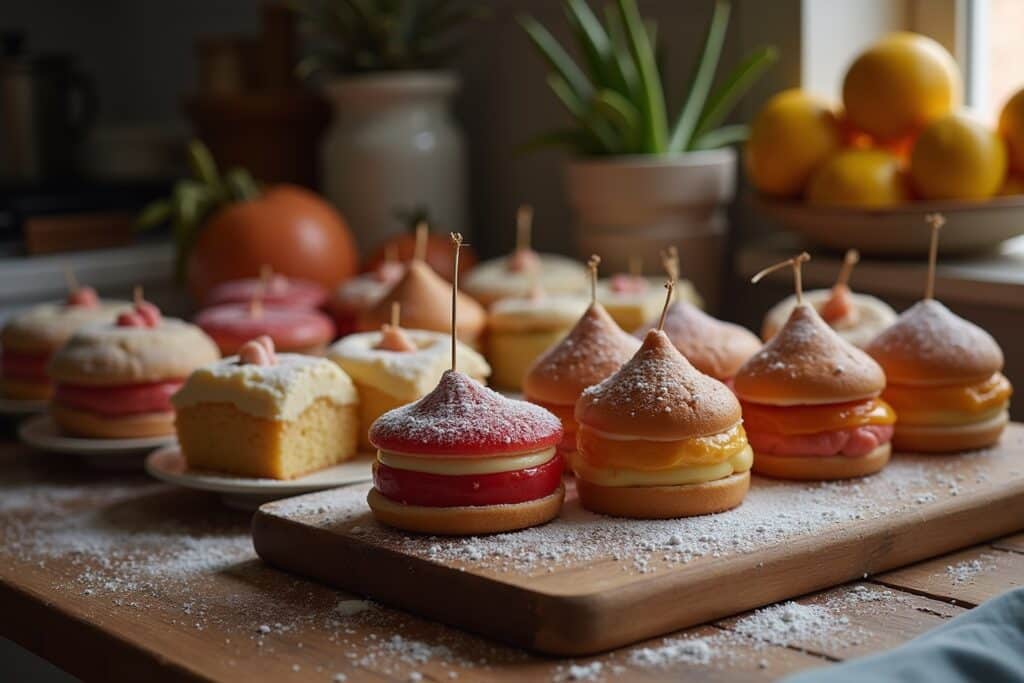
Craving baked goods but lack an oven? You can still achieve delicious, comforting results with these 14 innovative recipes designed for stove-top, microwave, or no-bake preparation. Discover how to create everything from fluffy cakes and chewy cookies to savory breads and decadent desserts without ever preheating your oven.
These are the most popular Oven Baking products
Keine Produkte gefunden.The Magic of Oven-Free Baking
Baking without an oven opens up a world of culinary possibilities, especially for those with limited kitchen equipment, small living spaces, or during hot summer months when using a traditional oven is undesirable. The key lies in understanding alternative heat sources and adapting traditional baking techniques. Methods like steaming, pan-frying, pressure cooking, and even clever microwave tricks can transform simple ingredients into delightful treats. This approach not only expands your recipe repertoire but also often leads to quicker preparation times and can be more energy-efficient.
Essential Equipment for Oven-Free Creations
While you won’t need an oven, certain kitchen tools can significantly enhance your oven-free baking experience. Here are some you’ll find invaluable:
- Heavy-bottomed pots and pans: Crucial for even heat distribution on the stovetop, preventing scorching and ensuring thorough cooking. Cast iron skillets are particularly excellent for this.
- Steamer baskets or inserts: Essential for moist heat cooking, producing tender cakes and custards.
- Pressure cooker: A powerhouse for quick cooking, it can miraculously create baked-style dishes in a fraction of the time.
- Microwave-safe dishes and ramekins: For quick single-serving desserts and baked goods.
- Mixing bowls and whisks: Standard baking essentials.
- Measuring cups and spoons: Precision is key in baking, even without an oven.
- Silicone spatulas: For scraping bowls clean and ensuring you get every last bit of batter.
- Tongs and oven mitts (for stovetop work): Safety first when working with hot surfaces.
14 Delicious Recipes for Baking Without an Oven
1. Steamed Chocolate Lava Cake
This decadent dessert mimics the rich, molten center of a traditional lava cake using a steamer. The moist heat creates a perfectly tender cake surrounding a gooey chocolate core.
2. No-Bake Peanut Butter Cookies
A classic for a reason, these no-bake cookies are incredibly simple, requiring only a few pantry staples. They typically involve oats, peanut butter, sugar, and cocoa, cooked briefly on the stovetop before being shaped and chilled.
3. Microwave Mug Cake (Various Flavors)
The ultimate in instant gratification, microwave mug cakes are single-serving wonders. You can find recipes for chocolate, vanilla, red velvet, and more, ready in minutes.
4. Pressure Cooker Chocolate Cake
Transform your pressure cooker into a cake-making machine. This method produces an incredibly moist and evenly cooked cake, often with a texture that rivals oven-baked versions.
5. Stovetop Rice Pudding
A comforting classic, stovetop rice pudding is easily made by simmering rice with milk, sugar, and flavorings until creamy and tender. It’s a simple yet satisfying dessert.
6. Pan-Fried Banana Fritters
Sweet banana slices coated in a simple batter and pan-fried until golden brown and crispy. These are a delightful treat, often dusted with powdered sugar.
7. No-Bake Cheesecake
Achieve creamy, dreamy cheesecake without the fuss of baking. These recipes typically involve a crushed cookie crust and a filling made from cream cheese, sugar, and flavorings, set in the refrigerator.
8. Stovetop Pancakes/Crepes
While not strictly ‘baking,’ these are often considered the stovetop cousins of baked goods. Fluffy pancakes or delicate crepes are staples of any kitchen, easily made in a skillet.
9. Pressure Cooker Bread Pudding
Give stale bread a new life with this comforting dessert. The pressure cooker ensures the bread becomes tender and infused with the rich custard flavors.
10. No-Bake Energy Balls
Packed with nutritious ingredients like oats, nuts, seeds, and dried fruit, these energy balls are perfect for a quick snack. They require no cooking and are simply rolled into bite-sized portions.
11. Microwave Brownies
Similar to mug cakes, microwave brownies offer a quick fix for your chocolate cravings. They can be made in individual portions or a slightly larger batch.
12. Stovetop Fruit Crumble (with Oat Topping)
While traditional crumbles are baked, you can achieve a delicious result on the stovetop. Cook the fruit filling until tender, then prepare a crispy oat topping separately in a dry pan or under the broiler (if available and safe to use) and sprinkle over the warm fruit.
13. Steamed Savory Buns (e.g., Bao Buns)
These fluffy, cloud-like buns are traditionally steamed, making them a perfect oven-free recipe. They can be filled with various savory ingredients.
14. No-Bake Granola Bars
Create your own custom granola bars by combining oats, nuts, seeds, dried fruits, and a binder like honey or dates. Press them into a pan and chill until firm.
Understanding Heat Transfer in Oven-Free Baking
The fundamental difference in oven-free baking lies in the method of heat transfer. Traditional baking relies on dry, radiant heat from all sides within an enclosed oven cavity. Oven-free methods utilize different principles:
- Conduction: Direct contact with a hot surface, like a stovetop pan or griddle, is key for recipes like pancakes, crepes, and pan-fried items. Even heat distribution is paramount to prevent burning.
- Convection (Moist Heat): Steaming uses hot water vapor to cook food gently and evenly. This is ideal for delicate items like cakes and custards, as it prevents them from drying out.
- Pressure Cooking: This method combines steam with pressure, significantly increasing the cooking temperature and drastically reducing cooking times. It excels at creating tender textures quickly.
- Microwave Radiation: Microwaves excite water molecules within food, generating heat internally. This is the fastest method but can sometimes result in a different texture compared to traditional baking.
Mastering these heat transfer methods allows you to adapt many classic recipes and explore new culinary frontiers.
Tips for Success in Oven-Free Baking
To ensure your oven-free creations turn out perfectly, keep these tips in mind:
- Patience with heat control: Especially on the stovetop, maintaining a consistent, moderate heat is crucial. Too high, and you’ll burn the outside before the inside cooks. Too low, and your food might become soggy.
- Use the right cookware: As mentioned, heavy-bottomed pans and appropriate steamer inserts make a significant difference in even cooking.
- Don’t overcrowd the pan: Whether steaming or pan-frying, give your items space to cook properly and brown evenly.
- Adjust liquid ratios: Some recipes might require slight adjustments to liquid content when steaming or microwaving compared to oven baking.
- Embrace visual cues: Learn to recognize when your baked goods are done by looking for golden-brown edges, a set center, or a clean toothpick test (for cakes).
- Experiment and adapt: Don’t be afraid to try variations. Once you understand the principles, you can adapt many recipes.
A Comparative Overview of Oven-Free Baking Methods
Different oven-free methods yield distinct results, making them suitable for various types of recipes. Understanding these differences helps you choose the best approach for your desired outcome.
| Method | Best For | Key Characteristics | Common Challenges | Typical Time |
|---|---|---|---|---|
| Steaming | Cakes, custards, dumplings, buns | Moist, tender, evenly cooked, delicate texture | Can be waterlogged if not properly drained; requires a steamer | 20-45 minutes |
| Stovetop Pan-Frying/Griddling | Pancakes, crepes, fritters, cookies (some types) | Crispy exterior, browned edges, quick cooking | Uneven browning, risk of burning, requires constant attention | 5-15 minutes per batch |
| Microwaving | Mug cakes, brownies, quick desserts, reheating | Extremely fast, convenient for single servings, can be inconsistent in texture | Can become rubbery or dry if overcooked; texture differs significantly from oven-baked | 1-5 minutes |
| Pressure Cooking | Cakes, breads, puddings, custards | Very fast, incredibly moist, tender results, cooks evenly | Requires a pressure cooker; can overcook if not monitored | 15-30 minutes (plus pressure build/release time) |
| No-Bake (Chilling/Setting) | Cheesecakes, cookies, bars, energy balls | Simple preparation, no heat required, smooth and creamy textures achievable | Relies on setting time in the refrigerator; may lack crispness of baked goods | Prep time + several hours of chilling |
Adapting Traditional Recipes for Oven-Free Methods
You don’t have to stick to recipes specifically designed for oven-free preparation. With a bit of knowledge, you can adapt many of your favorite traditional recipes. For cakes and muffins, steaming or pressure cooking are excellent alternatives. The batter consistency may need slight adjustments; you might need a little less liquid for steaming, or a slightly thicker batter for pressure cooking. For cookies, no-bake versions are usually entirely different recipes, but you can create stovetop “cookies” by pan-frying small dollops of dough until golden. The key is to understand how the heat source will interact with the ingredients and adjust accordingly.
Troubleshooting Common Oven-Free Baking Issues
Even with the best intentions, you might encounter a few snags. Here’s how to tackle them:
- Food is too wet or soggy: This is common in steaming if there’s too much condensation. Ensure your steamer setup allows condensation to drip away. For stovetop items, a slightly lower heat and more frequent flipping can help dry them out.
- Food is burnt on the outside, raw inside: Your heat is too high. Reduce the heat intensity and consider covering your pan loosely to allow the inside to cook more gently.
- Texture is rubbery or tough: This is often a sign of overcooking, particularly in the microwave. Reduce the cooking time or use lower power settings.
- Cake/bread is dense and heavy: You may have overworked the batter or the leavening agent didn’t have a chance to activate properly. Ensure you’re using fresh leaveners and mixing gently.
The Health and Convenience Factor of Oven-Free Baking
Beyond the practicalities of not having an oven, oven-free baking often brings health and convenience benefits. Many no-bake recipes are naturally healthier, relying on whole ingredients and natural sweeteners. They also tend to be quicker, fitting easily into busy schedules. The reduced reliance on high oven temperatures can also mean less energy consumption, making it a more eco-friendly choice.
These are the latest Oven Baking products with the best ratings.
Keine Produkte gefunden.FAQ – Frequently Asked Questions about 14 Recipes for Baking Without Oven
Can I really make a cake without an oven?
Absolutely! As demonstrated by recipes like the steamed chocolate lava cake or the pressure cooker chocolate cake, you can achieve wonderfully moist and delicious cakes using alternative heat sources. Steaming provides a gentle, even cooking environment, while pressure cooking significantly speeds up the process while maintaining moisture.
Are no-bake cookies as good as baked ones?
No-bake cookies offer a different but equally delightful experience. They often have a chewier, denser texture due to the inclusion of oats and the cooking method. Recipes like the classic no-bake peanut butter cookies are beloved for their simplicity and rich, satisfying flavor.
How long does it typically take to make a microwave mug cake?
Microwave mug cakes are incredibly fast. You can usually prepare the batter and cook it in the microwave within 1 to 5 minutes, depending on your microwave’s wattage and the specific recipe.
Is pressure cooker bread pudding safe to eat?
Yes, pressure cooker bread pudding is perfectly safe and incredibly delicious. The pressure cooker cooks the bread pudding thoroughly and evenly, resulting in a tender, custard-like texture that is often superior to oven-baked versions in terms of moisture.
Can I use any stovetop pan for baking?
While you can use various stovetop pans, heavy-bottomed ones are highly recommended. They distribute heat more evenly, preventing hot spots that can lead to burning. Cast iron skillets are excellent choices for many stovetop baking applications.
What is the main advantage of oven-free baking in summer?
The primary advantage of oven-free baking in summer is that it keeps your kitchen cool. Traditional ovens generate a significant amount of heat, making your kitchen uncomfortable. Oven-free methods, especially no-bake and stovetop options, produce far less ambient heat.
Are there any recipes for savory baking without an oven?
Certainly. Recipes like steamed savory buns (such as bao buns) and some types of stovetop flatbreads are excellent examples of savory oven-free baking. These methods focus on steaming or pan-cooking to achieve desirable textures and flavors.


