
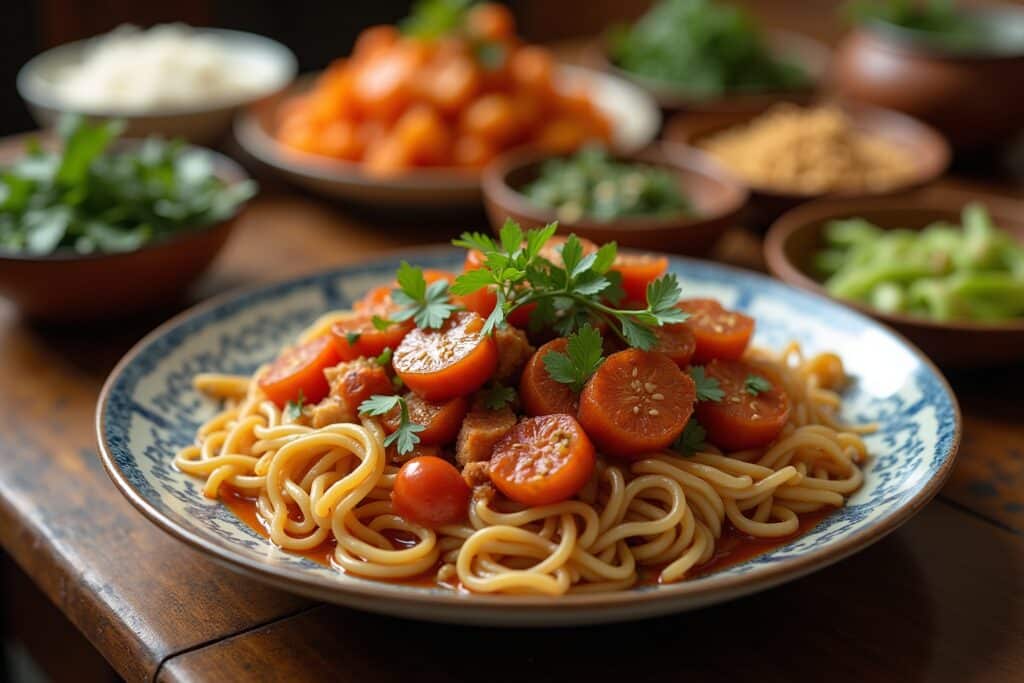
Embark on a culinary adventure that will redefine your understanding of flavor by exploring 14 essential Asian recipes that promise to delight your palate. This curated selection caters to both seasoned home cooks and adventurous beginners seeking to bring the vibrant tastes of Asia into their kitchens.
These are the most popular Asian Cookbook products
Keine Produkte gefunden.The Allure of Asian Cuisine: A Symphony of Flavors
Asian cuisine is a vast and diverse tapestry, woven with threads of regional specialties, ancient traditions, and innovative culinary techniques. From the delicate balance of sweet, sour, salty, and spicy to the artful presentation, each dish tells a story of its origin and cultural heritage. Understanding the fundamental principles of Asian cooking, such as the importance of fresh ingredients, the interplay of textures, and the strategic use of aromatics, is key to unlocking its full potential. This guide focuses on a select group of dishes that represent the breadth and depth of this captivating culinary world, offering you a practical pathway to mastering their preparation and enjoying their exquisite tastes.
1. Pad Thai (Thailand)
A quintessential Thai street food, Pad Thai is a stir-fried rice noodle dish that perfectly embodies the Thai balance of sweet, sour, and savory. Its appeal lies in its adaptability and the vibrant combination of textures and flavors. You’ll typically find tender rice noodles tossed with a tamarind-based sauce, succulent shrimp or chicken, crunchy bean sprouts, crushed peanuts, and a hint of chili for warmth. A squeeze of lime at the end elevates all the components.
2. Sushi (Japan)
More than just raw fish, sushi is an art form that showcases the freshness and quality of its ingredients. The foundation is perfectly seasoned sushi rice, made with vinegar, sugar, and salt. Whether you opt for nigiri (a slice of fish atop a ball of rice), maki (rolled sushi with seaweed), or sashimi (thinly sliced raw fish without rice), the emphasis is on clean flavors and delicate preparation. Mastering sushi rice is the first step to creating authentic rolls at home.
3. Chicken Tikka Masala (Indian Subcontinent – Adapted)
While its exact origins are debated, Chicken Tikka Masala has become a beloved dish worldwide, a testament to the rich and complex flavors of Indian cuisine. Marinated chicken pieces are grilled or roasted and then simmered in a creamy, spiced tomato-based sauce. The sauce, often infused with ginger, garlic, garam masala, and coriander, offers a warming and deeply satisfying experience. It’s typically served with basmati rice or naan bread.
4. Kimchi Fried Rice (South Korea)
A staple in Korean households, Kimchi Bokkeumbap is a delicious and economical way to utilize leftover kimchi and rice. The star ingredient, fermented kimchi, provides a tangy, spicy, and slightly sour punch that is incredibly addictive. Stir-fried with cooked rice, often with pork or other proteins, and topped with a fried egg, this dish is a masterclass in maximizing flavor from simple ingredients.
5. Pho (Vietnam)
Pho is Vietnam’s iconic noodle soup, a comforting and aromatic broth-based dish that is both nourishing and incredibly flavorful. The soul of pho lies in its long-simmered broth, typically made from beef bones, star anise, cinnamon, cloves, and ginger, creating a complex umami depth. Served with rice noodles, thinly sliced beef or chicken, and a medley of fresh herbs, bean sprouts, and lime, each spoonful is a refreshing and invigorating experience.
6. Kung Pao Chicken (China)
Hailing from the Sichuan province of China, Kung Pao Chicken is a popular stir-fry known for its tantalizing combination of spicy, sweet, and savory flavors, with a delightful nutty crunch from peanuts. Diced chicken is stir-fried with dried chilies, Sichuan peppercorns, peanuts, and vegetables like bell peppers and zucchini in a savory sauce. The Sichuan peppercorns provide a unique numbing sensation that is characteristic of the region’s cuisine.
7. Green Curry (Thailand)
Thai Green Curry, or Gaeng Keow Wan, is a fragrant and spicy curry that showcases the vibrant flavors of fresh green chilies, lemongrass, galangal, and kaffir lime leaves. Coconut milk forms the creamy base, balancing the heat and enhancing the aromatic spices. Typically made with chicken, beef, or vegetables, it’s a dish that offers a complex and invigorating taste experience, best enjoyed with jasmine rice.
8. Rendang (Indonesia)
Often hailed as one of the world’s most delicious foods, Beef Rendang is a slow-cooked, rich, and intensely flavorful Indonesian curry. Tender beef is braised for hours in a potent mixture of coconut milk and a paste of ground spices, including ginger, galangal, turmeric, chilies, and lemongrass. The prolonged cooking process allows the flavors to meld and the liquid to evaporate, resulting in a dry, caramelized, and incredibly savory dish with a texture that is both tender and slightly chewy.
9. Bibimbap (South Korea)
Bibimbap, meaning “mixed rice,” is a visually stunning and nutritionally balanced Korean dish. It features a bowl of warm white rice topped with an assortment of individually prepared vegetables (namul), seasoned meats, a fried egg, and gochujang (Korean chili paste). The act of mixing all the ingredients together before eating creates a harmonious blend of textures and flavors, making each bite a delightful surprise.
10. Char Kway Teow (Malaysia/Singapore)
A beloved hawker dish in Malaysia and Singapore, Char Kway Teow is a stir-fried flat rice noodle dish characterized by its smoky “wok hei” (breath of the wok). Broad rice noodles are stir-fried over high heat with dark soy sauce, shrimp, cockles, bean sprouts, chives, and often Chinese sausage. The high heat is crucial for achieving that signature smoky aroma and slightly charred flavor that makes this dish so irresistible.
11. Laksa (Malaysia/Singapore)
Laksa is a spicy noodle soup that varies greatly by region but generally features a rich and aromatic broth, often coconut-milk based, brimming with noodles, seafood, and a variety of toppings. Variations like Curry Laksa (rich and spicy) and Asam Laksa (tangy and sour) showcase the diverse flavor profiles within this category. The complexity of the spice paste is key to its depth.
12. Ramen (Japan)
While ramen has gained global popularity, authentic Japanese ramen is a deeply satisfying and complex dish. It comprises a flavorful broth (shoyu, miso, tonkotsu, or shio), wheat noodles, and various toppings such as chashu (braised pork belly), nori (seaweed), menma (bamboo shoots), and a marinated soft-boiled egg (ajitsuke tamago). The preparation of the broth alone can be an art form, requiring hours of simmering to extract maximum flavor.
13. Banh Mi (Vietnam)
The Vietnamese Banh Mi is a testament to the fusion of French and Vietnamese culinary traditions. This iconic sandwich features a crispy baguette filled with a savory combination of grilled meats (like pork or chicken), pâté, pickled vegetables (daikon and carrots), cilantro, and a touch of chili. The contrast of textures – the crunchy bread, the tender meat, the crisp pickles – and the explosion of flavors make it a truly satisfying meal.
14. Gyoza (Japan)
Japanese pan-fried dumplings, Gyoza, are a delightful appetizer or light meal. These crescent-shaped dumplings are typically filled with seasoned ground pork and finely chopped vegetables like cabbage, chives, and garlic. The magic of gyoza lies in their dual cooking method: they are first steamed to cook the filling and then pan-fried to achieve a crispy, golden-brown bottom, creating a delightful contrast in textures.
Culinary Insights: Key Components of Asian Cooking
The success of these recipes hinges on a few core principles that are foundational to most Asian cuisines. Understanding these elements will empower you to adapt and personalize these dishes. Freshness of ingredients is paramount; many recipes rely on vibrant herbs, crisp vegetables, and high-quality proteins. The strategic use of aromatics such as ginger, garlic, lemongrass, and chilies forms the flavor base. Cooking techniques vary widely, from rapid stir-frying over high heat to slow braising, each designed to bring out specific textures and tastes. Finally, the balance of flavors – sweet, sour, salty, spicy, and umami – is what truly defines the complexity and appeal of Asian dishes. Mastering this balance is a rewarding journey in itself.
Asian Recipe Overview
| Dish Name | Country of Origin | Primary Flavor Profile | Key Ingredients | Typical Preparation |
|---|---|---|---|---|
| Pad Thai | Thailand | Sweet, Sour, Salty, Spicy | Rice noodles, shrimp/chicken, tamarind, peanuts | Stir-fried |
| Sushi | Japan | Subtle, Umami, Fresh | Sushi rice, raw fish, seaweed | Rolled, formed |
| Chicken Tikka Masala | Indian Subcontinent (Adapted) | Spicy, Creamy, Savory | Chicken, yogurt, tomato, spices | Marinated, grilled, simmered |
| Kimchi Fried Rice | South Korea | Spicy, Tangy, Savory | Kimchi, rice, gochujang | Stir-fried |
| Pho | Vietnam | Aromatic, Savory, Fresh | Beef broth, rice noodles, beef/chicken, herbs | Soup |
| Kung Pao Chicken | China (Sichuan) | Spicy, Sweet, Savory, Nutty | Chicken, peanuts, chilies, Sichuan peppercorns | Stir-fried |
| Green Curry | Thailand | Spicy, Creamy, Aromatic | Green curry paste, coconut milk, chicken/veg | Curried stew |
| Rendang | Indonesia | Rich, Savory, Spicy | Beef, coconut milk, complex spice paste | Slow-braised |
| Bibimbap | South Korea | Savory, Fresh, Spicy (from gochujang) | Rice, assorted vegetables, meat, egg | Mixed bowl |
| Char Kway Teow | Malaysia/Singapore | Savory, Smoky, Umami | Flat rice noodles, shrimp, dark soy sauce | Stir-fried |
| Laksa | Malaysia/Singapore | Spicy, Creamy or Tangy, Aromatic | Noodles, broth (coconut or sour), seafood | Noodle soup |
| Ramen | Japan | Umami, Rich, Savory | Noodles, broth (various), pork, egg | Soup |
| Banh Mi | Vietnam | Savory, Tangy, Fresh | Baguette, grilled meats, pickled vegetables | Sandwich |
| Gyoza | Japan | Savory, Umami | Dumpling wrappers, pork, vegetables | Pan-fried, steamed |
Navigating Asian Flavors: Essential Ingredients and Techniques
To successfully recreate these 14 must-try Asian recipes, familiarizing yourself with a few key ingredients and techniques is beneficial. Many Asian pantries will feature an array of sauces: soy sauce (light and dark), fish sauce (essential for Southeast Asian dishes), oyster sauce (adds sweetness and umami), and hoisin sauce (a sweet and savory condiment). Vinegars like rice vinegar and black vinegar play crucial roles in balancing flavors. Spices and aromatics are the heart of many dishes; fresh ginger, garlic, and chilies are ubiquitous, while spices like star anise, cinnamon, turmeric, and cumin add distinct layers of flavor. Understanding how to properly stir-fry, a technique that requires high heat and constant movement to cook ingredients quickly while retaining their texture and flavor, is also invaluable. For dishes like Pho and Ramen, mastering the art of broth-making is a journey in itself, involving slow simmering of bones and aromatics to extract deep, complex flavors. Even simple preparations like perfectly cooked rice are fundamental; for sushi, the careful seasoning of the rice with vinegar, sugar, and salt is non-negotiable.
Bringing Asia to Your Table: Practical Tips for Home Cooks
Don’t be intimidated by the exotic nature of some ingredients or techniques. Many Asian supermarkets offer a wide selection, and online retailers have made procuring specialty items easier than ever. Start with one or two recipes that appeal to you most. Read through the entire recipe before you begin, and ensure you have all your ingredients prepped and ready – this is crucial for stir-frying. Invest in a good wok or a large, heavy-bottomed skillet for stir-frying. For slow-cooked dishes like Rendang, a Dutch oven is ideal. Don’t be afraid to adjust the spice levels to your preference. The beauty of these recipes lies in their ability to be adapted. For instance, if you can’t find a specific type of noodle, experiment with others. The goal is to bring the essence of these flavors into your home kitchen, and with a little practice, you’ll be creating delicious and authentic Asian meals with confidence.
These are the latest Asian Cookbook products with the best ratings.
Keine Produkte gefunden.FAQ – Frequently Asked Questions about 14 Must-Try Asian Recipes
What are the most common ingredients used across these 14 Asian recipes?
You’ll find that several core ingredients frequently appear across these diverse recipes. These include fresh aromatics like garlic, ginger, and chilies, which form the flavor base. Essential sauces such as soy sauce, fish sauce, and rice vinegar are critical for achieving authentic taste profiles. Furthermore, staple grains like rice and various types of noodles are fundamental to many of these dishes. Coconut milk is a significant component in many Southeast Asian curries, providing creaminess and depth.
Is it difficult to find the specialized ingredients needed for these Asian recipes?
While some recipes might call for specific items like galangal, kaffir lime leaves, or Sichuan peppercorns, these are increasingly available in larger supermarkets with international sections or at dedicated Asian grocery stores. Many online retailers also offer a wide array of specialty Asian ingredients, making them accessible regardless of your location. For many dishes, there are also accessible substitutes that can achieve a similar flavor profile if the exact ingredient is unavailable.
How can I adjust the spice level of these Asian recipes?
Adjusting spice levels is quite straightforward. For recipes involving chilies, you can reduce the number of chilies used, remove the seeds and membranes (where most of the heat resides), or omit them entirely. For curry pastes, start with a smaller amount and add more to taste. Conversely, if you prefer more heat, you can add more chilies, chili flakes, or a dash of your favorite hot sauce towards the end of cooking.
What is the best way to store leftover Asian dishes?
Most cooked Asian dishes can be stored in an airtight container in the refrigerator for 3-4 days. For dishes like fried rice or stir-fries, it’s best to let them cool completely before refrigerating. Soups and curries can also be frozen for longer storage, typically for up to 2-3 months. When reheating, it’s often beneficial to add a splash of water or broth to help reconstitute the dish and restore its original texture, especially for rice-based dishes and curries.
Are there vegetarian or vegan options for these recipes?
Many of these recipes can be easily adapted for vegetarian and vegan diets. For example, Chicken Tikka Masala can be made with paneer or tofu. Kung Pao Chicken can use tempeh or firm tofu. Rendang can be made with jackfruit or mushrooms. Pad Thai and Pho can be prepared with vegetables and tofu instead of meat. For vegan adaptations, ensure you use plant-based alternatives for any dairy products (like coconut milk instead of cream) and avoid fish sauce where applicable, using soy sauce or mushroom-based broths as alternatives.
What makes Asian cuisine so diverse?
The vast diversity in Asian cuisine stems from a combination of geographical influences, historical trade routes, varying climates, and distinct cultural traditions across the continent. Each region, and often each country within those regions, has developed its own unique ingredients, cooking methods, and flavor preferences over centuries. This results in a rich tapestry of culinary styles, from the complex spice blends of India to the delicate techniques of Japan, the bold flavors of Thailand, and the comforting broths of Vietnam.
Which of these recipes is considered the most beginner-friendly?
For beginners, dishes like Kimchi Fried Rice, Bibimbap, and Banh Mi are often considered more approachable. Kimchi Fried Rice is a simple stir-fry that requires minimal specialized techniques. Bibimbap is largely about preparing individual components and then assembling them. Banh Mi involves assembling a sandwich, with the most involved part being the preparation of the fillings, which can often be simplified. Pad Thai is also relatively straightforward once you have the key ingredients and understand the stir-frying process.


