
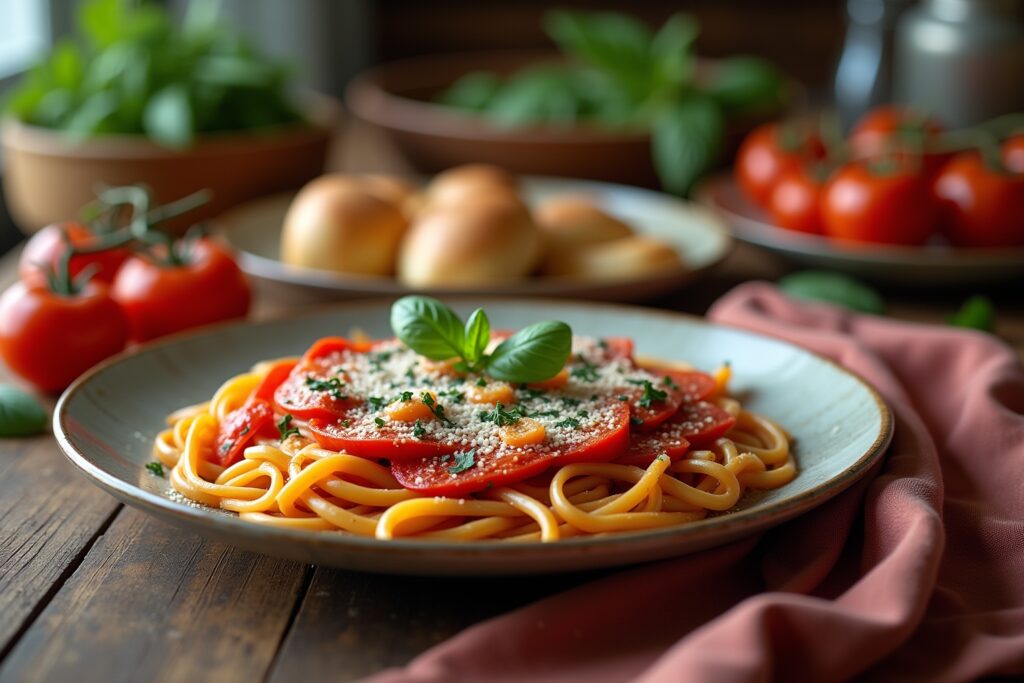
Craving authentic Italian flavors but short on time or kitchen expertise? You can recreate the magic of Italy’s most beloved dishes in your own home with minimal fuss. This guide unlocks 17 straightforward Italian recipes designed for busy weeknights and aspiring home cooks, proving that delicious, restaurant-quality meals are well within your reach.
These are the most popular Italian Cookbook products
Keine Produkte gefunden.The Heart of Italian Home Cooking: Simplicity and Quality Ingredients
At its core, Italian cuisine celebrates the inherent quality of fresh, seasonal ingredients. The best Italian recipes don’t require elaborate techniques or obscure components. Instead, they focus on enhancing the natural flavors of vegetables, herbs, pasta, and proteins. You’ll find that mastering these 17 recipes will equip you with a foundational understanding of Italian culinary principles, allowing you to confidently adapt and experiment further.
Pasta Perfection: The Pillars of Italian Pasta Dishes
Pasta is undeniably a cornerstone of Italian cooking. The beauty lies in its versatility and the countless sauces that can be paired with it. These recipes focus on simple yet impactful pasta dishes that highlight the sauce as much as the pasta itself.
- Spaghetti Aglio e Olio: This classic exemplifies Italian simplicity. Fresh garlic, good quality olive oil, and a hint of chili flake are all you need to create a fragrant and satisfying sauce that clings beautifully to al dente spaghetti.
- Cacio e Pepe: A Roman staple, this dish relies on just three ingredients: pasta (typically tonnarelli or spaghetti), Pecorino Romano cheese, and black pepper. The magic happens when starchy pasta water emulsifies with the cheese and pepper to create a creamy, luscious sauce.
- Penne Arrabbiata: ‘Arrabbiata’ means “angry” in Italian, referring to the spicy kick from the chili peppers in this vibrant tomato-based sauce. It’s quick to make and pairs perfectly with penne pasta.
- Linguine alle Vongole: This elegant seafood pasta features fresh clams, garlic, white wine, and parsley. The brine from the clams infuses the sauce, creating a delicate yet flavorful dish.
- Fettuccine Alfredo: While the authentic Italian version is simpler than its American counterpart, a creamy and rich Fettuccine Alfredo made with butter, Parmigiano-Reggiano, and a touch of cream (optional for authenticity, but often enjoyed) is a comforting classic.
Beyond Pasta: Hearty and Flavorful Main Courses
Italian home cooking extends far beyond pasta. These main courses offer robust flavors and satisfying textures, perfect for any occasion.
- Chicken Piccata: Tender chicken cutlets are pan-fried and then served in a bright, tangy sauce made with lemon juice, capers, and white wine. It’s a remarkably quick yet impressive dish.
- Veal Scallopini with Marsala Sauce: Thinly pounded veal cutlets are quickly seared and bathed in a rich, sweet Marsala wine sauce, often with mushrooms. It’s a sophisticated dish that’s surprisingly achievable at home.
- Osso Buco (Simplified): While traditional Osso Buco is a slow-cooked marvel, a slightly simplified version using braised veal shanks still delivers incredible depth of flavor, with the marrow in the bone adding unparalleled richness.
- Italian Sausage and Peppers: A rustic and flavorful dish featuring savory Italian sausages, sweet bell peppers, and onions, all simmered together. It’s perfect served on a roll or with a side of polenta.
- Shrimp Scampi: Plump shrimp are sautéed with garlic, butter, white wine, and lemon juice, then tossed with pasta or served with crusty bread for dipping. It’s a bright and zesty seafood favorite.
Vegetarian Delights and Sides: Celebrating the Bounty of the Garden
Italian cuisine offers a wealth of vegetarian options, showcasing the incredible versatility of vegetables and legumes.
- Eggplant Parmesan (Melanzane alla Parmigiana): Slices of eggplant are fried or baked until tender, then layered with tomato sauce, mozzarella, and Parmigiano-Reggiano, and baked until golden and bubbly. It’s a comforting and beloved classic.
- Caprese Salad: The epitome of fresh Italian simplicity, this salad features ripe tomatoes, fresh mozzarella (ideally buffalo mozzarella), fresh basil leaves, a drizzle of extra virgin olive oil, and a sprinkle of salt and pepper.
- Margherita Pizza: Creating your own pizza dough might seem daunting, but a simple recipe for a classic Margherita pizza with San Marzano tomatoes, fresh mozzarella, and basil is incredibly rewarding.
- Risotto alla Milanese (Simplified): Creamy Arborio rice is slowly cooked with broth, white wine, and saffron, imparting a beautiful golden hue and delicate flavor. A simplified approach focuses on key techniques for creamy results.
- Fagioli all’Uccelletto: Tuscan white beans are simmered with garlic, sage, and tomato. It’s a simple yet incredibly flavorful side dish or a light main course.
- Roasted Vegetables with Italian Herbs: A medley of seasonal vegetables like zucchini, bell peppers, onions, and cherry tomatoes roasted with olive oil, garlic, and classic Italian herbs such as rosemary and oregano.
- Gnocchi with Pesto: While making gnocchi from scratch can be time-consuming, using good quality store-bought gnocchi and tossing them with vibrant, fresh basil pesto is a quick way to enjoy this Italian favorite.
A Culinary Journey at a Glance
To help you navigate this collection of 17 easy Italian recipes, here’s a quick overview categorizing the dishes by their primary focus. This structure highlights the diversity of Italian home cooking and its accessibility.
| Category | Key Characteristics | Typical Preparation Time (approx.) | Skill Level |
|---|---|---|---|
| Classic Pasta Dishes | Emphasis on simple sauces, fresh ingredients, and perfectly cooked pasta. | 20-30 minutes | Beginner |
| Hearty Main Courses | Flavorful proteins, often with rich sauces or savory vegetable accompaniments. | 30-45 minutes | Beginner to Intermediate |
| Vegetarian & Sides | Celebration of vegetables, legumes, and dairy, offering lighter yet satisfying options. | 25-40 minutes | Beginner |
Essential Italian Pantry Staples to Get You Started
To consistently prepare these dishes and more, stocking your pantry with a few key Italian staples will make a significant difference. You don’t need a vast array of exotic ingredients; a few foundational items will elevate your cooking immensely.
- Extra Virgin Olive Oil: The backbone of Italian cooking. Invest in a good quality one; its flavor is paramount.
- San Marzano Tomatoes: Canned whole peeled San Marzano tomatoes are prized for their sweet flavor and lower acidity, making them ideal for sauces.
- Parmigiano-Reggiano Cheese: The king of Italian cheeses. Grate it fresh for the best flavor.
- Pecorino Romano Cheese: A sharper, saltier cheese often used in Roman dishes like Cacio e Pepe.
- Dried Pasta: A variety of shapes like spaghetti, penne, and linguine.
- Garlic and Onions: The aromatic foundation for countless Italian recipes.
- Fresh Herbs: Basil, parsley, and oregano are indispensable.
- Red Pepper Flakes (Peperoncino): For a touch of heat.
- White Wine: A dry white wine is often used in sauces for its acidity and flavor.
Tips for Success: Elevating Your Home Italian Cooking
Even with simple recipes, a few best practices can elevate your Italian dishes from good to extraordinary. These tips focus on enhancing flavor and texture, ensuring your home-cooked meals are always a triumph.
- Use Quality Ingredients: This cannot be stressed enough. The fewer ingredients a dish has, the more each one’s quality shines through. Opt for fresh produce, good olive oil, and authentic cheeses.
- Don’t Overcook Pasta: Pasta should always be cooked “al dente” – meaning it has a slight bite. It continues to cook slightly after draining, especially when added to sauces.
- Embrace the Power of Garlic: Sauté garlic gently in olive oil to release its aroma without burning it, which can make it bitter.
- The Magic of Pasta Water: The starchy water left over from cooking pasta is a secret weapon. It helps emulsify sauces, making them creamy and clinging beautifully to the pasta. Always reserve a cup or two before draining.
- Fresh Herbs are Key: Add delicate herbs like basil and parsley towards the end of cooking or as a garnish to preserve their fresh flavor and aroma. Hardy herbs like rosemary and thyme can be added earlier.
- Season Generously: Taste and adjust seasoning at every stage. Salt enhances all other flavors, so don’t be shy, but do so judiciously.
- Let Flavors Meld: For tomato-based sauces, allowing them to simmer for a bit longer often develops deeper, more complex flavors.
- Serve with Pride: Present your dishes beautifully. A garnish of fresh basil, a sprinkle of grated cheese, or a drizzle of good olive oil can make a significant difference.
These are the latest Italian Cookbook products with the best ratings.
Keine Produkte gefunden.FAQ – Frequently Asked Questions about 17 Easy Italian Recipes at Home
What is the most fundamental Italian recipe for beginners?
For absolute beginners, Spaghetti Aglio e Olio is often considered the most fundamental. It requires very few ingredients, focuses on basic sautéing techniques, and teaches you the importance of good olive oil and perfectly cooked pasta, providing a solid foundation for more complex dishes.
Can I use dried herbs instead of fresh herbs in these recipes?
Yes, you can use dried herbs, but it’s important to adjust the quantity. Generally, use about one-third the amount of dried herbs compared to fresh. Also, remember that dried herbs are more potent and should typically be added earlier in the cooking process to allow their flavor to release.
How do I ensure my pasta sauce is creamy without using heavy cream in every recipe?
The secret to creamy Italian sauces often lies in the starchy pasta water and the emulsification process. When you toss your cooked pasta with the sauce in a pan, adding a ladleful of the reserved pasta water and stirring vigorously helps to bind the sauce ingredients together, creating a beautiful, silky texture without the need for cream in many cases.
What is the difference between Parmigiano-Reggiano and Pecorino Romano cheese?
Parmigiano-Reggiano is made from cow’s milk and has a nutty, slightly sweet, and complex flavor with a granular texture. Pecorino Romano is made from sheep’s milk and is sharper, saltier, and more pungent. Both are excellent grating cheeses, but they offer distinct flavor profiles that work best in different dishes.
Are these recipes truly “easy” for someone with limited cooking experience?
Yes, these 17 recipes have been specifically chosen for their straightforward techniques and readily available ingredients. They are designed to build confidence in the kitchen and are perfect for those new to cooking or looking for quick, reliable weeknight meal solutions. Each step is generally uncomplicated and leads to a delicious outcome.
Can I make these Italian recipes in advance?
Some components can be prepared in advance. For example, tomato sauces can often be made a day or two ahead and reheated. However, pasta is best cooked just before serving to maintain its optimal texture. Salads like Caprese are also best assembled right before eating. For dishes like risotto, it’s also ideal to cook it fresh.
What are the most important tools needed for these recipes?
You’ll primarily need basic kitchen essentials: a good set of knives, cutting boards, measuring cups and spoons, a few good quality pots and pans (including a large pot for pasta and a sauté pan), a colander, a grater for cheese, and a whisk. Specialized tools are generally not required for these easy recipes.


