
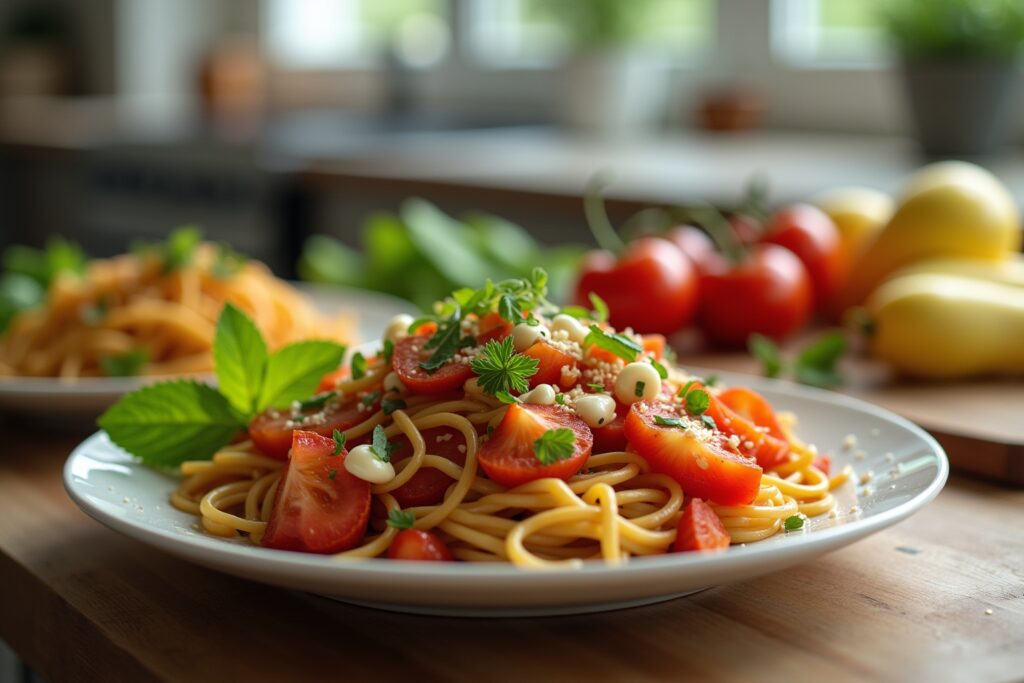
Transforming your health starts with what you eat, and delicious anti-inflammatory diet recipes offer a powerful pathway to reducing chronic inflammation. Embracing these culinary strategies can help you feel more vibrant, manage discomfort, and support long-term well-being through flavorful and nourishing meals.
These are the most popular Anti-inflammatory cookbook products
Keine Produkte gefunden.Understanding the Power of Anti-Inflammatory Foods
Inflammation is a natural bodily response to injury or infection, but chronic, low-grade inflammation is linked to numerous health issues, including heart disease, diabetes, arthritis, and certain cancers. An anti-inflammatory diet focuses on whole, unprocessed foods rich in antioxidants, fiber, and healthy fats, while limiting or avoiding pro-inflammatory culprits like refined sugars, processed meats, and unhealthy fats. By strategically incorporating specific ingredients and cooking methods, you can create meals that actively combat inflammation and promote healing within your body.
The Science Behind Anti-Inflammatory Eating
At its core, an anti-inflammatory diet is about balancing your intake of pro-inflammatory and anti-inflammatory compounds. Pro-inflammatory foods tend to be highly processed, high in saturated and trans fats, and loaded with added sugars. These can trigger a cascade of inflammatory responses at the cellular level. Conversely, anti-inflammatory foods are packed with phytonutrients, vitamins, minerals, and omega-3 fatty acids that help to neutralize free radicals, dampen inflammatory pathways, and support cellular repair. This dietary approach isn’t about deprivation; it’s about abundance – abundance of delicious, nutrient-dense foods that work with your body, not against it.
Key Components of an Anti-Inflammatory Diet
Building a foundation for anti-inflammatory eating involves understanding the key food groups and ingredients that contribute to this lifestyle. Prioritizing these nutrient powerhouses ensures you’re consistently fueling your body with what it needs to thrive and reduce inflammation.
- Fruits and Vegetables: These are the cornerstones of an anti-inflammatory diet, brimming with antioxidants, vitamins, minerals, and fiber. Aim for a wide variety of colors to ensure you’re getting a broad spectrum of beneficial compounds. Think berries, leafy greens, cruciferous vegetables, and colorful root vegetables.
- Healthy Fats: Essential fatty acids, particularly omega-3s, play a crucial role in reducing inflammation. Excellent sources include fatty fish like salmon, mackerel, and sardines, as well as plant-based options like flaxseeds, chia seeds, walnuts, and avocados. Extra virgin olive oil is another powerhouse, rich in monounsaturated fats and polyphenols.
- Whole Grains: Unlike refined grains, whole grains retain their bran and germ, providing fiber, B vitamins, and minerals. Opt for quinoa, brown rice, oats, barley, and whole wheat products. The fiber in whole grains aids digestion and helps regulate blood sugar levels, indirectly contributing to reduced inflammation.
- Lean Proteins: Choose lean protein sources to support muscle health and satiety without contributing excessive saturated fat. Fatty fish, poultry, beans, lentils, and tofu are excellent choices.
- Herbs and Spices: Many herbs and spices possess potent anti-inflammatory properties. Turmeric, ginger, garlic, cinnamon, rosemary, and oregano are exceptionally beneficial and can elevate the flavor of your dishes.
Foods to Limit or Avoid
To maximize the benefits of an anti-inflammatory diet, it’s equally important to be aware of foods that can exacerbate inflammation. Reducing your intake of these items can significantly impact your overall health and well-being.
- Added Sugars and Refined Carbohydrates: Sugary drinks, pastries, white bread, and processed snacks can spike blood sugar and trigger inflammatory responses.
- Processed and Red Meats: High consumption of processed meats (sausages, bacon) and red meat has been linked to increased inflammation markers.
- Unhealthy Fats: Trans fats found in many fried and processed foods, as well as excessive amounts of saturated fats from some animal products, can promote inflammation.
- Highly Processed Foods: Foods with long ingredient lists, artificial additives, and preservatives are often pro-inflammatory.
- Excessive Alcohol: While moderate consumption of some alcohols may have benefits, excessive intake can lead to systemic inflammation.
Delicious Anti-Inflammatory Meal Inspiration
Creating delicious meals that adhere to anti-inflammatory principles is entirely achievable and incredibly rewarding. The focus is on fresh, vibrant ingredients prepared in ways that preserve their nutritional integrity.
Breakfast Recipes to Start Your Day Right
Your morning meal sets the tone for the day. Here are some satisfying and anti-inflammatory breakfast options:
- Overnight Oats with Berries and Nuts: Combine rolled oats with unsweetened almond milk or water, chia seeds, and a touch of cinnamon. Let it sit overnight. Top with fresh berries (rich in antioxidants) and a sprinkle of walnuts or almonds for healthy fats and crunch.
- Salmon and Avocado Toast: Whole-grain toast topped with mashed avocado, smoked salmon (a great source of omega-3s), a squeeze of lemon, and a sprinkle of red pepper flakes.
- Turmeric-Spiced Scrambled Eggs with Spinach: Scramble eggs with a pinch of turmeric and black pepper (which enhances turmeric absorption), and wilt in fresh spinach. Serve with a side of sliced tomatoes.
- Greek Yogurt Parfait with Fruit and Seeds: Plain, unsweetened Greek yogurt layered with mixed berries, flaxseeds, and a drizzle of honey (in moderation).
Lunch Ideas for a Midday Boost
Nourishing lunches are key to maintaining energy levels and avoiding the afternoon slump.
- Lentil Soup with Root Vegetables: A hearty and fiber-rich soup made with brown or green lentils, carrots, celery, sweet potatoes, and a medley of anti-inflammatory herbs like thyme and rosemary.
- Quinoa Salad with Roasted Vegetables and Lemon-Tahini Dressing: Fluffy quinoa tossed with roasted broccoli, bell peppers, zucchini, chickpeas, and a creamy dressing made from tahini, lemon juice, garlic, and water.
- Salmon Salad Wraps: Flaked cooked salmon mixed with Greek yogurt, chopped celery, dill, and a hint of mustard, served in whole-grain wraps with fresh lettuce and cucumber.
- Large Green Salad with Grilled Chicken or Tofu and Avocado: A generous base of mixed greens, spinach, and kale topped with grilled protein, sliced avocado, cherry tomatoes, cucumber, and a light vinaigrette.
Dinner Entrees Packed with Flavor and Nutrients
Your evening meal is an opportunity to create truly satisfying and health-promoting dishes.
- Baked Salmon with Asparagus and Lemon: Simple yet elegant. Place salmon fillets on a baking sheet with asparagus spears, drizzle with olive oil, lemon juice, and season with salt, pepper, and garlic. Bake until the salmon is cooked through and flaky.
- Chicken Stir-Fry with Brown Rice: Lean chicken breast stir-fried with a rainbow of vegetables like broccoli, snap peas, carrots, and bell peppers in a light ginger-soy sauce. Serve over brown rice.
- Turmeric and Ginger Curried Chickpeas with Spinach: A fragrant and flavorful vegetarian dish made with chickpeas, coconut milk, turmeric, ginger, garlic, onions, and wilted spinach. Serve with a side of quinoa.
- Lean Turkey Meatloaf with Sweet Potato Mash: A healthier take on a classic. Use lean ground turkey, oats or whole-wheat breadcrumbs as a binder, and plenty of herbs and spices. Serve with mashed sweet potatoes and a side of steamed green beans.
Snack Options to Keep You Satisfied
Healthy snacks can bridge the gap between meals and prevent overeating.
- A handful of almonds or walnuts
- Apple slices with almond butter
- A small bowl of berries
- Carrot sticks and cucumber slices with hummus
- A hard-boiled egg
Structuring Your Anti-Inflammatory Diet Plan
Adopting an anti-inflammatory diet doesn’t have to be complicated. By focusing on whole foods and mindful preparation, you can create sustainable healthy eating habits.
Meal Planning and Preparation Strategies
Proactive planning is key to success. Dedicate time each week to plan your meals, create a grocery list, and do some prep work ahead of time.
- Batch Cooking: Cook large batches of grains like quinoa or brown rice, roast a variety of vegetables, and grill or bake lean proteins at the beginning of the week. This makes assembling meals much quicker.
- Pre-Chopping Vegetables: Wash and chop vegetables like onions, peppers, carrots, and celery and store them in airtight containers.
- Portioning Snacks: Divide nuts, seeds, or cut fruits and vegetables into single-serving portions for easy grab-and-go snacks.
- Stocking Your Pantry: Keep your pantry well-stocked with staples like canned beans, lentils, whole grains, nuts, seeds, and spices.
Incorporating Variety and Flavor
The beauty of an anti-inflammatory diet lies in its incredible diversity of flavors and textures. Don’t be afraid to experiment with different herbs, spices, and culinary techniques to keep your meals exciting.
- Explore Global Cuisines: Many traditional diets, such as Mediterranean and Asian (with a focus on fresh ingredients), are naturally anti-inflammatory.
- Mastering Herbs and Spices: Learn how different herbs and spices complement each other and how they can transform a simple dish into something extraordinary.
- Roasting and Steaming: These cooking methods are excellent for preserving nutrients and bringing out the natural sweetness of vegetables.
- Healthy Sauces and Dressings: Homemade vinaigrettes, tahini dressings, and herb-infused olive oils can elevate any dish.
Nutritional Breakdown and Benefits
The benefits of an anti-inflammatory diet extend far beyond simple symptom management. It’s a comprehensive approach to promoting overall health and preventing disease.
Key Nutrients and Their Roles
Understanding the specific nutrients at play highlights why this dietary pattern is so effective:
- Omega-3 Fatty Acids: Found in fatty fish, flaxseeds, and walnuts. They are potent anti-inflammatory agents, helping to reduce the production of inflammatory substances in the body.
- Antioxidants (Vitamins C & E, Beta-Carotene, Selenium): Abundant in fruits, vegetables, nuts, and seeds. They neutralize harmful free radicals, which contribute to cellular damage and inflammation.
- Polyphenols: A diverse group of plant compounds found in colorful fruits, vegetables, tea, and olive oil. They possess powerful antioxidant and anti-inflammatory effects.
- Fiber: Present in whole grains, fruits, vegetables, beans, and lentils. Fiber supports a healthy gut microbiome, which plays a significant role in regulating inflammation.
- Magnesium: Found in leafy greens, nuts, seeds, and whole grains. It’s involved in hundreds of biochemical reactions, including those related to inflammation.
Long-Term Health Advantages
Consistently following an anti-inflammatory diet can lead to a multitude of long-term health improvements:
- Reduced risk of chronic diseases like heart disease, type 2 diabetes, and certain cancers.
- Improved management of autoimmune conditions and inflammatory joint diseases.
- Enhanced cognitive function and protection against neurodegenerative diseases.
- Better weight management and improved metabolic health.
- Increased energy levels and overall sense of well-being.
- Healthier skin and reduced signs of aging.
This dietary approach is not a quick fix but a sustainable lifestyle change that empowers you to take control of your health from the inside out.
Frequently Asked Questions about Delicious Anti-Inflammatory Diet Recipes
What are the most common signs of chronic inflammation?
Signs of chronic inflammation can be subtle and varied. They may include persistent fatigue, unexplained aches and pains, digestive issues, frequent infections, skin problems like eczema or psoriasis, brain fog, and increased susceptibility to allergies. While these symptoms can have multiple causes, they are often linked to underlying inflammation.
Can an anti-inflammatory diet help with weight loss?
Yes, an anti-inflammatory diet can significantly support weight loss. By focusing on whole, unprocessed foods that are rich in fiber and nutrients, you naturally feel more satiated, which can help reduce overall calorie intake. Furthermore, reducing intake of inflammatory foods like refined sugars and unhealthy fats helps improve metabolic function, making it easier for your body to burn fat.
How long does it take to see results from an anti-inflammatory diet?
The timeframe for experiencing noticeable results can vary from person to person, depending on their starting health status and the severity of inflammation. Some individuals report feeling improvements in energy levels and reductions in minor discomfort within a few weeks. More significant changes, such as improvements in chronic pain or digestive health, may take several months of consistent adherence to the diet.
Are there any specific anti-inflammatory foods I should prioritize?
You should prioritize a wide variety of colorful fruits and vegetables, especially berries, leafy greens (kale, spinach), broccoli, and sweet potatoes. Fatty fish like salmon, mackerel, and sardines are excellent sources of omega-3s. Incorporate healthy fats from avocados, nuts (walnuts, almonds), and seeds (flaxseeds, chia seeds). Extra virgin olive oil, turmeric, ginger, and garlic are also highly beneficial.
Can I still enjoy flavorful meals while following an anti-inflammatory diet?
Absolutely! The emphasis on fresh, vibrant ingredients, combined with an abundance of herbs and spices, makes anti-inflammatory cooking incredibly flavorful. Dishes can be rich in taste through the use of garlic, onions, ginger, turmeric, cinnamon, rosemary, basil, and other aromatic ingredients. Exploring global cuisines that naturally incorporate these elements can also provide endless inspiration.
Is an anti-inflammatory diet suitable for vegetarians or vegans?
Yes, an anti-inflammatory diet can be easily adapted for vegetarians and vegans. The core principles of prioritizing plant-based whole foods, healthy fats, and limiting processed items remain the same. Vegetarian and vegan sources of omega-3s include flaxseeds, chia seeds, hemp seeds, and walnuts. Proteins can be obtained from beans, lentils, tofu, tempeh, and edamame.
Should I consult a healthcare professional before starting an anti-inflammatory diet?
It is always recommended to consult with a healthcare professional or a registered dietitian before making significant changes to your diet, especially if you have pre-existing health conditions, are taking medications, or have specific dietary needs. They can help you tailor the diet to your individual requirements and ensure it complements any existing medical treatments.
| Diet Category | Key Focus | Beneficial Foods | Foods to Limit |
|---|---|---|---|
| Foundation Foods | Nutrient density and antioxidants | Leafy greens, berries, cruciferous vegetables, root vegetables | Refined grains, sugary snacks |
| Healthy Fats | Omega-3 and monounsaturated fats | Fatty fish, avocados, olive oil, nuts, seeds | Trans fats, excessive saturated fats |
| Protein Sources | Lean and balanced intake | Fatty fish, poultry, beans, lentils, tofu | Processed meats, red meat (in excess) |
| Flavor Enhancers | Anti-inflammatory properties and taste | Turmeric, ginger, garlic, herbs, spices | Excessive salt, artificial flavorings |
| Beverages | Hydration and anti-inflammatory compounds | Water, herbal teas, green tea | Sugary drinks, excessive alcohol |


