
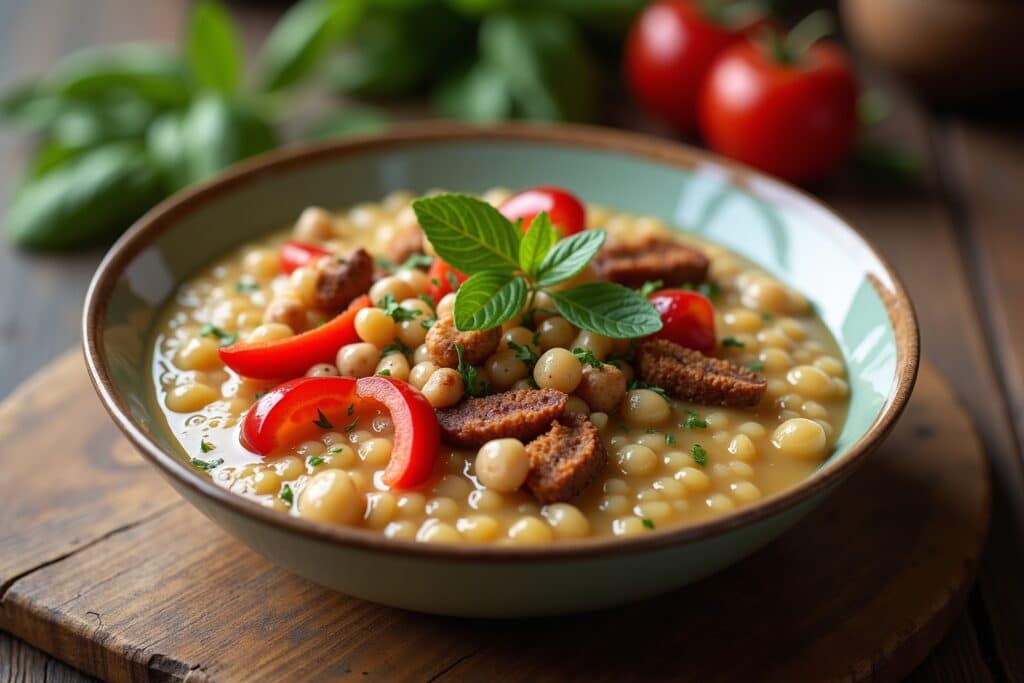
Tired of the same old breakfast routine, craving a warm, satisfying, and incredibly versatile meal to power your mornings? Discover a world of diverse porridge recipes designed to elevate your daily breakfast from mundane to magnificent, catering to every taste, dietary need, and time constraint.
These are the most popular Porridge Recipe Book products
Keine Produkte gefunden.The Ultimate Guide to Versatile Porridge Recipes for Every Day
Porridge, often perceived as a simple dish of oats and water, is a culinary chameleon with the potential for endless variation and nutritional enrichment. This comprehensive exploration delves into the multifaceted world of porridge, equipping you with the knowledge and inspiration to transform this humble grain into a daily delight. Whether you’re a seasoned cook or a complete beginner, these recipes and tips will ensure your breakfast is always exciting, healthy, and tailored to your preferences.
Understanding the Building Blocks of Perfect Porridge
At its core, porridge is a cooked cereal, typically made from oats, but the possibilities extend far beyond. The key to a truly satisfying porridge lies in understanding the basic components and how they interact.
Grain Choices: Beyond Rolled Oats
- Rolled Oats (Old-Fashioned Oats): The classic choice, offering a hearty texture and a good balance of chewiness and creaminess. They require about 15-20 minutes of simmering.
- Steel-Cut Oats: These are whole oat groats that have been chopped into smaller pieces. They provide a chewier texture and a more robust, nutty flavor, but require a longer cooking time, typically 30-45 minutes, or overnight soaking.
- Instant Oats: Pre-cooked and rolled very thin, these cook in a matter of minutes. While convenient, they tend to result in a mushier texture and can have a higher glycemic index.
- Oat Bran: A nutrient-rich outer layer of the oat, it cooks quickly and adds a significant fiber boost and a creamy texture.
- Quinoa Flakes: A gluten-free alternative that cooks rapidly and offers a slightly nutty flavor and a protein boost.
- Buckwheat Groats (and Groats): Naturally gluten-free, buckwheat provides an earthy, robust flavor and a wonderfully chewy texture. Cooked groats will take longer than flakes.
- Millet: A small, round grain that cooks up fluffy and slightly sweet, offering a good source of magnesium and phosphorus.
- Amaranth: A tiny pseudocereal that becomes creamy when cooked and offers a complete protein source.
Liquid Bases: The Foundation of Flavor
- Water: The simplest and lowest-calorie option, allowing the natural flavor of the grain to shine through.
- Milk (Dairy): Whole, skim, or 2% milk adds creaminess, richness, and protein.
- Plant-Based Milks: Almond, soy, oat, coconut, or cashew milk offer a dairy-free alternative with distinct flavor profiles and varying levels of creaminess. Oat milk, in particular, complements the texture of porridge very well.
- Yogurt (Dairy or Plant-Based): Stirring in yogurt towards the end of cooking or serving with it adds a tangy creaminess and probiotics.
- Fruit Juice: For a sweeter base, particularly with lighter grains, but be mindful of added sugars.
Sweeteners: Natural and Intentional
- Maple Syrup: A classic choice with its distinctive caramel notes.
- Honey: Offers floral undertones and is a natural sweetener.
- Agave Nectar: A neutral-flavored liquid sweetener.
- Date Paste: A whole-food sweetener made from blended dates, adding fiber and a rich, caramel-like flavor.
- Fruit: Ripe bananas, berries, or other fruits can be mashed in or added as toppings for natural sweetness.
- Stevia or Monk Fruit: Calorie-free natural sweeteners for those managing sugar intake.
Flavor Boosters: The Art of Infusion
- Spices: Cinnamon, nutmeg, cardamom, ginger, and allspice are warming and aromatic.
- Extracts: Vanilla extract, almond extract, or even a touch of peppermint extract can add complexity.
- Citrus Zest: Lemon or orange zest brightens the flavor profile.
- Cocoa Powder: For a chocolatey indulgence.
- Pinch of Salt: Crucial for enhancing all other flavors and balancing sweetness.
Categories of Delicious Porridge Creations
To help you navigate the vast landscape of porridge possibilities, we’ve categorized popular and innovative recipes based on their core flavor profiles and functional benefits. This framework allows for easy selection based on your mood, dietary needs, or time of day.
| Category | Key Ingredients | Flavor Profile | Preparation Notes | Nutritional Highlights |
|---|---|---|---|---|
| Classic Comfort | Rolled oats, milk (dairy or plant-based), cinnamon, maple syrup, banana | Warm, sweet, subtly spiced, creamy | Simmer oats in liquid until tender. Stir in cinnamon and sweetener. Top with sliced banana. | Good source of complex carbohydrates, fiber, potassium. |
| Fruity & Fresh | Steel-cut oats, water, mixed berries (fresh or frozen), lemon zest, honey | Tangy, bright, slightly tart, refreshing | Cook steel-cut oats until chewy. Stir in berries and lemon zest towards the end. Drizzle with honey. | Rich in antioxidants, vitamin C, fiber, and healthy fats from toppings. |
| Decadent Delights | Rolled oats, coconut milk, cocoa powder, dark chocolate chips, dates | Rich, chocolatey, sweet, indulgent | Simmer oats in coconut milk. Stir in cocoa powder and chopped dates. Melt in dark chocolate chips at the end. | Can be higher in healthy fats (from coconut) and natural sugars. Provides energy and mood enhancement. |
| Nutty & Energizing | Quinoa flakes, almond milk, almond butter, chia seeds, chopped nuts (walnuts, almonds) | Earthy, nutty, protein-rich, satisfying | Cook quinoa flakes in almond milk. Stir in almond butter and chia seeds until thickened. Top with chopped nuts. | Excellent source of complete protein, omega-3 fatty acids, fiber, and healthy fats. |
| Savory Surprises | Steel-cut oats, vegetable broth, spinach, mushrooms, poached egg, nutritional yeast | Umami, earthy, rich, savory | Cook steel-cut oats in vegetable broth. Wilt in spinach and sautéed mushrooms. Top with a poached egg and a sprinkle of nutritional yeast. | High in protein, fiber, vitamins, and minerals. A balanced savory meal. |
Mastering the Art of Porridge Preparation
Achieving the perfect porridge texture and flavor is an art form that requires a few fundamental techniques. Whether you prefer it thick and hearty or light and creamy, these tips will elevate your porridge game.
The Simmering Technique: Patience for Perfection
The key to creamy, evenly cooked porridge is a gentle simmer. Avoid boiling vigorously, as this can cause the grains to break down too quickly, leading to a gummy texture. Use a medium-low heat and stir frequently, especially in the initial stages of cooking, to prevent sticking and ensure uniform hydration of the grains. The ratio of liquid to grain is crucial; generally, a 2:1 ratio (liquid to grain) is a good starting point, but this can be adjusted based on your desired consistency and the type of grain used. For instance, steel-cut oats often require more liquid than rolled oats.
Overnight Oats: The Ultimate Convenience
For busy mornings, overnight oats are a game-changer. This no-cook method involves combining your chosen grains (rolled oats or steel-cut oats are best) with liquid, seeds (like chia or flax), and flavorings in a jar or container. Refrigerate overnight, and by morning, the oats will have softened and absorbed the liquid, creating a thick, pudding-like consistency. This method is perfect for meal prepping and allows for endless flavor combinations.
Flavor Infusion: Layering Taste Sensations
Don’t underestimate the power of subtle flavor additions during the cooking process. Adding spices like cinnamon, cardamom, or nutmeg along with the grains will infuse them with aromatic warmth. A pinch of salt is non-negotiable; it enhances sweetness and balances out any bitterness from the grains. For savory porridges, consider using vegetable or chicken broth as your liquid base and infusing it with herbs like thyme or rosemary.
Toppings: The Crowning Glory
This is where you can truly personalize your porridge. The possibilities for toppings are virtually limitless:
- Fresh Fruits: Berries, sliced apples, pears, peaches, mangoes, kiwi.
- Dried Fruits: Raisins, cranberries, apricots, dates, goji berries.
- Nuts and Seeds: Almonds, walnuts, pecans, pumpkin seeds, sunflower seeds, chia seeds, flaxseeds, hemp seeds.
- Nut Butters: Peanut butter, almond butter, cashew butter.
- Sweeteners: A drizzle of maple syrup, honey, or agave nectar.
- Spices: A sprinkle of cinnamon, nutmeg, or a dusting of cocoa powder.
- Crunchy Elements: Granola, toasted coconut flakes, cacao nibs.
- Creamy Additions: A dollop of yogurt, a swirl of cream, or a spoonful of mashed banana.
- Savory Accents: For savory porridges, consider a fried or poached egg, sautéed mushrooms, wilted spinach, avocado slices, or a sprinkle of herbs and cheese.
Nutritional Powerhouses: Boosting Your Porridge
Porridge is already a healthy foundation, but you can further enhance its nutritional profile with strategic additions.
- Protein: Add protein powder, nuts, seeds, nut butters, or top with a boiled or poached egg. Greek yogurt or skyr are also excellent protein-rich toppings.
- Healthy Fats: Incorporate chia seeds, flaxseeds, hemp seeds, avocado, or a generous serving of nuts and seeds.
- Fiber: Beyond the whole grains, adding fruits, berries, psyllium husk, or extra seeds significantly boosts fiber content.
- Vitamins and Minerals: Load up on colorful fruits and vegetables, nuts, and seeds, which are packed with essential micronutrients.
Porridge for Specific Dietary Needs
Porridge’s adaptability makes it an ideal breakfast for a wide range of dietary requirements.
- Gluten-Free: Opt for gluten-free certified oats, quinoa flakes, millet, buckwheat, or amaranth. Ensure all other ingredients are also gluten-free.
- Vegan: Use plant-based milk (almond, soy, oat, coconut), water, or fruit juice as your liquid base. Sweeten with maple syrup, agave, or date paste.
- Low-Carb: While traditional oats are higher in carbohydrates, you can create a lower-carb porridge by using a base of oat bran or a blend of seeds like chia and flax, supplemented with a small amount of nuts and a protein powder.
- Diabetic-Friendly: Focus on whole grains with a lower glycemic index (like steel-cut oats or quinoa), limit added sugars, and prioritize toppings like berries, nuts, and seeds for sustained energy release.
These are the latest Porridge Recipe Book products with the best ratings.
Keine Produkte gefunden.FAQ – Frequently Asked Questions about Vielfältige Porridge Rezepte für jeden Tag
What is the healthiest way to prepare porridge?
The healthiest way to prepare porridge involves using whole grains like steel-cut oats, rolled oats, quinoa, or buckwheat. Opt for water or unsweetened plant-based milk as your liquid base and minimize added sugars. Focus on nutrient-dense toppings such as fresh fruits, berries, nuts, seeds, and healthy fats like avocado or nut butters. Incorporating protein sources like Greek yogurt or protein powder can also enhance its nutritional value and satiety.
How can I make my porridge creamier?
To achieve a creamier porridge, you can use a higher ratio of liquid to grain, simmer gently for a longer period, and stir frequently. Using milk (dairy or full-fat plant-based milk like coconut or oat milk) instead of water will naturally increase creaminess. Adding a tablespoon of chia seeds or flaxseeds during cooking will thicken the porridge and contribute to a smoother texture. Finishing with a swirl of yogurt or a small amount of butter or coconut oil can also enhance creaminess.
Is porridge good for weight loss?
Porridge can be an excellent breakfast for weight loss when prepared mindfully. Its high fiber content from whole grains promotes satiety, helping you feel fuller for longer and reducing the urge to snack between meals. By controlling portion sizes, choosing low-sugar toppings, and avoiding high-calorie additions like excessive syrup or butter, porridge can be a filling and nutritious meal that supports weight management goals.
Can I eat porridge every day?
Yes, you can absolutely eat porridge every day, provided you vary the grains, liquids, and toppings to ensure a diverse intake of nutrients and to prevent palate fatigue. The versatility of porridge allows for endless combinations, making it a sustainable and healthy breakfast option for daily consumption. Rotating grains like oats, quinoa, millet, and buckwheat, along with different fruits, nuts, and spices, will provide a broad spectrum of vitamins, minerals, and fiber.
What are the best toppings for porridge?
The best toppings for porridge are those that complement the texture and flavor while adding nutritional value. Excellent choices include fresh berries (blueberries, raspberries, strawberries), sliced banana, chopped apples or pears, and other seasonal fruits. For crunch and healthy fats, opt for a variety of nuts like almonds, walnuts, and pecans, as well as seeds such as chia seeds, flaxseeds, and pumpkin seeds. Nut butters, a sprinkle of cinnamon, a drizzle of maple syrup or honey (in moderation), and toasted coconut flakes are also popular and delicious additions.
How do I make savory porridge?
To make savory porridge, start by cooking your chosen grain (steel-cut oats, quinoa, or buckwheat work well) in vegetable or chicken broth instead of water or milk. As the grain cooks, you can incorporate ingredients like wilted spinach, sautéed mushrooms, onions, or garlic. Season with salt, pepper, herbs (such as thyme, rosemary, or chives), and spices like paprika or nutritional yeast for a cheesy flavor without dairy. Top with a poached or fried egg, avocado slices, a sprinkle of cheese, or a dash of hot sauce for added depth.


