
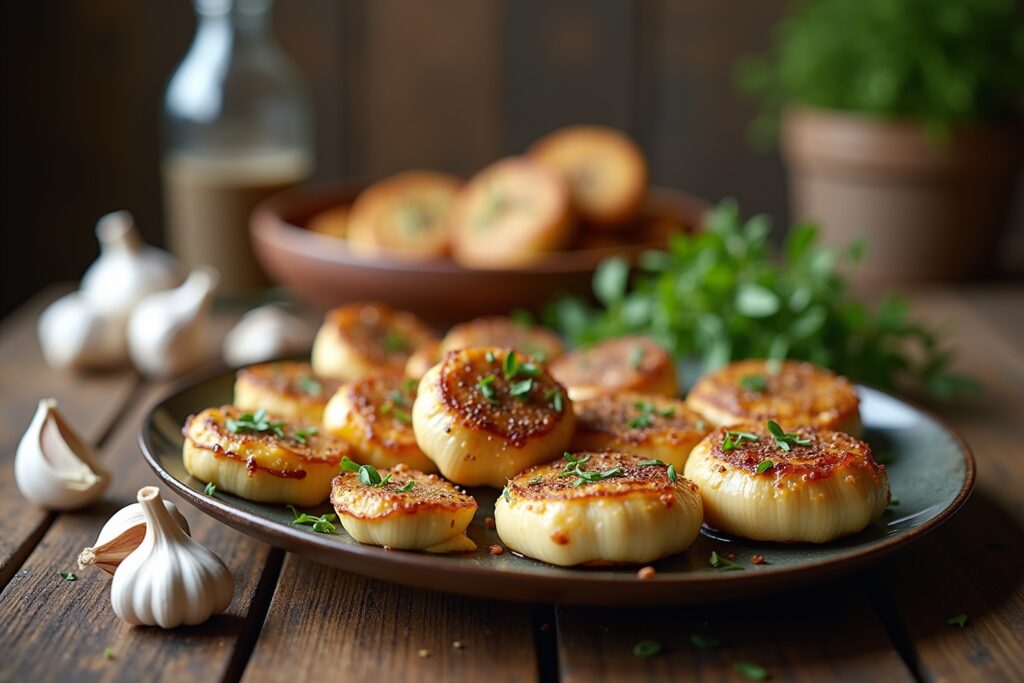
Unlock the full potential of your culinary creations with an array of 15 sensational garlic recipes designed to elevate everyday meals into extraordinary dining experiences. Discover how this versatile allium can transform simple ingredients into flavorful masterpieces, perfect for both novice cooks and seasoned gourmands seeking to impress.
These are the most popular Garlic recipes products
Keine Produkte gefunden.The Indispensable Role of Garlic in Global Cuisine
Garlic, scientifically known as Allium sativum, is a foundational ingredient in countless cuisines worldwide. Its pungent aroma and robust flavor profile, ranging from sharp and spicy when raw to sweet and nutty when roasted, make it an indispensable component in dishes spanning continents. The unique sulfur compounds within garlic, such as allicin, are responsible for its characteristic taste and are believed to contribute to its myriad health benefits. Incorporating garlic thoughtfully into your cooking is not just about adding flavor; it’s about embracing a culinary tradition that has been celebrated for centuries.
15 Garlic-Infused Recipes to Elevate Your Meals
1. Roasted Garlic Whole Chicken
Imagine a succulent whole chicken, its skin crisped to perfection, infused with the sweet, mellow flavor of slow-roasted garlic. This dish requires minimal effort but delivers maximum impact, making it ideal for a special Sunday dinner or a festive gathering. The roasted garlic cloves can be squeezed out and spread like butter on the chicken or enjoyed as a delightful side.
2. Garlic Butter Shrimp Scampi
A classic for a reason, shrimp scampi is a quick and elegant dish that highlights the bright, zesty flavors of garlic, white wine, lemon, and butter. Serve it over linguine or crusty bread for a meal that’s ready in under 30 minutes, perfect for a weeknight indulgence or a light yet satisfying lunch.
3. Creamy Garlic Parmesan Pasta
This comforting pasta dish is a testament to the harmonious blend of garlic, rich Parmesan cheese, and a velvety cream sauce. It’s a crowd-pleaser that can be adapted with your favorite pasta shape and perhaps some added vegetables or protein for a complete meal.
4. Garlic Herb Crusted Salmon
Elevate your salmon with a vibrant crust made from finely chopped garlic, fresh herbs like parsley and dill, and breadcrumbs. Baking or pan-searing this crusted salmon results in a flaky, flavorful fish that’s both healthy and incredibly delicious, offering a fantastic alternative to heavier dishes.
5. Garlic Mashed Potatoes
Transform ordinary mashed potatoes into an extraordinary side dish with the addition of roasted or sautéed garlic. The garlic’s sweetness mellows beautifully, infusing the creamy potatoes with a depth of flavor that complements almost any main course, from steak to roasted vegetables.
6. Garlic Naan Bread
Homemade garlic naan is surprisingly achievable and infinitely more rewarding than store-bought versions. Infused with minced garlic and often brushed with ghee or butter after baking, this soft, chewy flatbread is perfect for scooping up curries, sauces, or simply enjoying on its own.
7. Garlic Mushroom Risotto
Arborio rice slowly simmered with broth, white wine, and a generous amount of sautéed garlic and mushrooms creates a creamy, luxurious risotto. This dish is a comforting classic that can be dressed up with Parmesan cheese and fresh herbs for an impressive vegetarian main course.
8. Garlic Parmesan Roasted Broccoli
Broccoli florets tossed with olive oil, minced garlic, Parmesan cheese, and a pinch of red pepper flakes, then roasted until tender-crisp, become an addictive side dish. The roasting process caramelizes the broccoli and garlic, bringing out their natural sweetness.
9. Garlic Aioli Dip
A staple in many cuisines, garlic aioli is a rich, emulsified sauce made from garlic, egg yolks, lemon juice, and olive oil. It’s incredibly versatile, serving as a dip for fries, a spread for sandwiches, or a flavorful accompaniment to grilled meats and seafood.
10. Garlic Butter Steak Marinade
Amp up the flavor of your favorite cut of steak with a robust marinade featuring minced garlic, butter, herbs, and perhaps a splash of soy sauce or Worcestershire sauce. This marinade tenderizes the meat and infuses it with irresistible garlicky goodness.
11. Garlic Sriracha Chicken Wings
For those who love a bit of heat, these garlic sriracha chicken wings offer a perfect balance of savory, spicy, and slightly sweet flavors. Baked or fried and then tossed in a sticky glaze, they are ideal for game days or casual entertaining.
12. Garlic Bread Pizza Crust
Turn a beloved side into a creative base for pizza. A thick slice of garlic bread, toasted and topped with your favorite pizza ingredients, offers a fun and flavorful twist on traditional pizza night.
13. Garlic Ginger Stir-Fry Sauce
A foundational sauce for many Asian stir-fries, the combination of garlic and ginger provides an aromatic and pungent base. When blended with soy sauce, sesame oil, and a touch of sweetness, it creates a vibrant sauce that coats vegetables, tofu, and meats beautifully.
14. Black Garlic Noodles
Black garlic, fermented under controlled heat and humidity, develops a sweet, balsamic-like flavor with notes of tamarind and molasses. Tossed with noodles, it creates a dish that is uniquely savory, umami-rich, and subtly sweet, offering a sophisticated dining experience.
15. Garlic Soup (Sopa de Ajo)
A humble yet incredibly flavorful Spanish garlic soup, Sopa de Ajo, is a comforting bowl made with bread, garlic, broth, and often an egg poached in the simmering soup. It’s a testament to how simple ingredients, when prepared with care and showcasing garlic’s depth, can create something truly memorable.
Culinary Applications of Garlic: Beyond Basic Flavoring
The application of garlic in cooking extends far beyond simply mincing and sautéing. Roasting garlic mellows its intensity, transforming it into a sweet, spreadable paste that adds a rich, nutty undertone to dishes. Sautéing garlic releases its aromatic compounds, forming the base for countless sauces, stir-fries, and braises. When raw, garlic offers a sharp, pungent kick that can be invigorating in dressings, marinades, and pestos, but it requires careful handling to avoid overpowering other flavors. Understanding these different preparations allows you to harness garlic’s full spectrum of tastes and textures.
Key Garlic Preparation Techniques
Mastering a few basic garlic preparation techniques will unlock a world of flavor possibilities.
- Mincing: Finely chopping garlic cloves releases their oils and intensifies their flavor, ideal for raw applications like pestos and dressings, or for quick sautéing where it needs to cook rapidly without burning.
- Slicing: Thicker slices of garlic can be sautéed gently to infuse oils without becoming bitter, often removed before serving. This technique is common in Italian and Mediterranean cooking.
- Crushing: Lightly crushing garlic cloves with the side of a knife allows their flavor to meld more subtly into dishes, often used when the garlic is intended to be removed later, such as in stocks or braising liquids.
- Roasting: Whole garlic heads, trimmed at the top and drizzled with olive oil, roast beautifully, becoming soft, sweet, and caramelized. The pulp can be squeezed out and used as a spread or incorporated into dips and sauces.
- Confit: Slowly simmering peeled garlic cloves in olive oil until tender and golden creates garlic confit, a luxurious ingredient that can be used in a multitude of ways, from topping crostini to enriching pasta sauces.
Each method imparts a distinct character to the garlic, influencing the final taste and texture of your dish.
Garlic in Different Culinary Traditions
Garlic’s global appeal is evident in its integral role across diverse culinary landscapes. In Italian cuisine, it’s often paired with olive oil, tomatoes, and herbs in dishes like pasta sauces and bruschetta. French cuisine utilizes garlic in mirepoix and in preparations like aioli and rouille. Spanish cuisine features garlic prominently in soups, stews, and its famed gazpacho. In Indian cooking, garlic is a fundamental component of spice pastes (masalas) and curries, often tempered with mustard seeds and curry leaves. Asian cuisines, particularly Chinese and Korean, rely heavily on garlic and ginger as aromatic bases for stir-fries, marinades, and dipping sauces. This cross-cultural reliance underscores garlic’s universal ability to enhance flavor and add complexity.
Nutritional Profile and Health Aspects
Beyond its culinary merits, garlic is renowned for its potential health benefits, largely attributed to its rich sulfur compounds. It is a good source of manganese, vitamin B6, and vitamin C, and contains beneficial compounds like allicin, which is released when garlic is chopped or crushed. While not a replacement for medical treatment, regular consumption of garlic as part of a balanced diet is often associated with supporting cardiovascular health and immune function. Its antioxidant properties also contribute to its reputation as a healthful ingredient.
A Comparative Overview of Garlic Recipe Categories
| Category | Key Garlic Preparations | Typical Flavor Profile | Primary Use | Ease of Preparation |
|---|---|---|---|---|
| Main Courses (Meats & Poultry) | Marinades, Roasting, Sautéing | Robust, Savory, Pungent | Centerpiece of a meal | Moderate to High |
| Seafood Dishes | Sautéing, Sauces, Marinades | Bright, Zesty, Aromatic | Light yet flavorful protein | Moderate |
| Pasta & Grains | Sautéing, Infusion, Sauces | Creamy, Umami-rich, Comforting | Hearty side or main | Moderate |
| Vegetable Sides | Roasting, Sautéing, Crushing | Sweet, Earthy, Caramelized | Accompaniment to mains | Easy to Moderate |
| Condiments & Dips | Mincing, Crushing, Emulsifying | Sharp, Pungent, Creamy | Flavor enhancer or dip | Easy |
These are the latest Garlic recipes products with the best ratings.
Keine Produkte gefunden.FAQ – Frequently Asked Questions About 15 Garlic Recipes for Delicious Meals
What is the best way to store fresh garlic?
Fresh garlic bulbs should be stored in a cool, dry, and well-ventilated place, away from direct sunlight. A mesh bag or a paper bag works well. Avoid storing whole bulbs in plastic bags, as this can trap moisture and lead to mold. Once peeled or chopped, garlic should be refrigerated in an airtight container and used within a few days for optimal flavor.
How can I prevent garlic from burning when cooking?
Garlic burns easily due to its low moisture content and high sugar levels. To prevent burning, use medium-low heat when sautéing, chop or slice it uniformly, and add it to the pan towards the end of the cooking process for quick dishes. If roasting, ensure the oven temperature is moderate and cover the garlic head with foil initially if necessary.
Can I use garlic powder instead of fresh garlic in these recipes?
While garlic powder can be used as a substitute in a pinch, it will significantly alter the flavor profile of the dish. Fresh garlic offers a more complex, nuanced, and vibrant taste. If you must substitute, use about 1/4 teaspoon of garlic powder for every clove of fresh garlic, but be aware that the result will not be the same. For recipes where garlic is a star ingredient, like aioli or roasted garlic soup, fresh garlic is essential.
What are the benefits of using “black garlic”?
Black garlic is fresh garlic that has undergone a long aging process at controlled temperatures and humidity. This process transforms its flavor, making it sweeter, milder, and more complex, with notes of balsamic vinegar, molasses, and tamarind. It loses its sharp pungency and becomes soft and chewy. Black garlic is also believed to have increased antioxidant properties compared to fresh garlic and is often used in gourmet dishes for its unique umami depth.
How do I get the most flavor out of my garlic?
The flavor intensity of garlic depends on how it’s prepared. Mincing or crushing garlic breaks down its cell walls, releasing more of its potent compounds like allicin, resulting in a sharper, more pronounced flavor, especially when used raw. Roasting garlic mellows its flavor considerably, making it sweet and nutty. For stir-fries or sautéed dishes, a quick sauté in oil over medium heat will release its aromatics effectively. The key is to match the preparation method to the desired flavor intensity and role of the garlic in your dish.


