
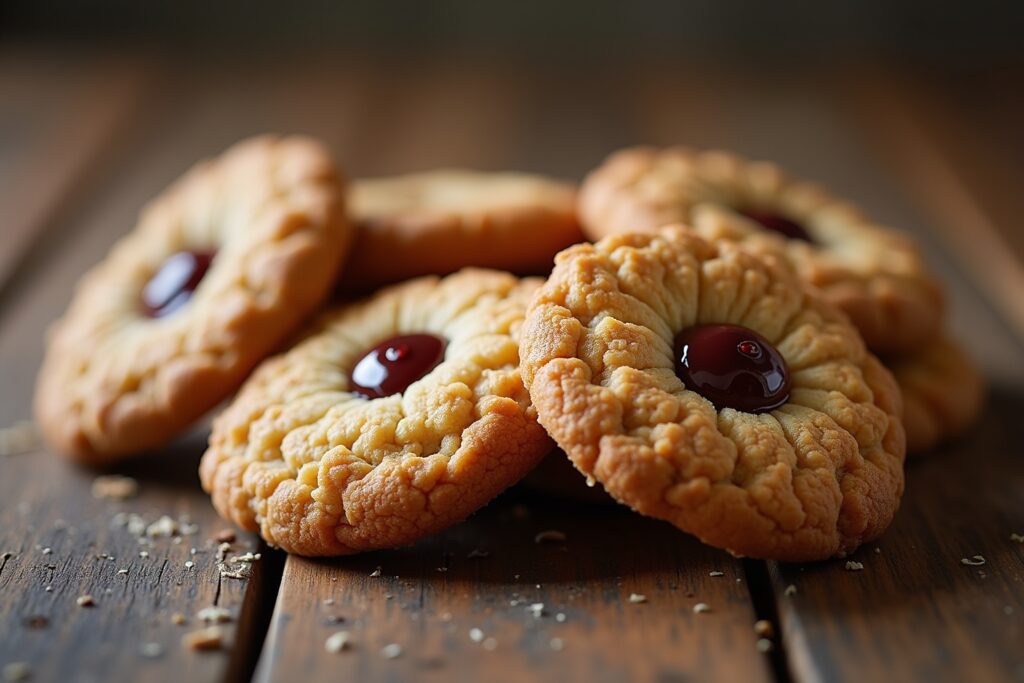
You crave that perfect bite, the one that transports you to a state of pure bliss with every crumb. Crafting irresistible cookie recipes is an art form, and mastering it means understanding the core elements that elevate simple ingredients into extraordinary treats.
These are the most popular Cookie recipes products
Keine Produkte gefunden.The Pillars of Irresistible Cookie Recipes
At the heart of every truly remarkable cookie lies a harmonious balance of texture, flavor, and aroma. These are not merely baked goods; they are experiences. For you to achieve this consistently, you must focus on the foundational components that contribute to that sought-after irresistible quality.
Texture: The Foundation of Every Great Cookie
Texture is paramount. A cookie can have incredible flavor, but if it’s too dry, too tough, or lacks that satisfying chew or crispness, its appeal diminishes significantly. Achieving the desired texture involves a deep understanding of ingredient ratios and preparation methods.
- Chewy Cookies: The secret to a chewy cookie often lies in a higher ratio of brown sugar to granulated sugar. Brown sugar, with its molasses content, adds moisture and contributes to a softer, chewier crumb. Using bread flour, which has a higher protein content, can also develop more gluten, leading to a desirable chewiness. Resting the cookie dough in the refrigerator for at least 24 hours allows the flour to hydrate fully and the flavors to meld, resulting in a more intense chew.
- Crispy Cookies: For cookies that snap and crackle, a higher proportion of granulated sugar is key. Granulated sugar caramelizes more readily, promoting crispness. Using an all-purpose flour is standard, and avoiding overmixing once the flour is incorporated helps prevent gluten development, which can lead to toughness. Baking at a slightly lower temperature for a longer duration can also encourage even crisping.
- Cakey Cookies: A cakey cookie is often achieved by using more flour relative to fat and sugar. Incorporating a leavening agent like baking soda, which reacts with acidic ingredients to create lift, is crucial. An extra egg yolk can also contribute to a richer, more tender, and cake-like texture.
- Shortbread-Style Cookies: These cookies are characterized by their rich, crumbly, and melt-in-your-mouth texture. A very high fat content, typically butter, is essential. The method involves creaming the butter and sugar until light and fluffy, then incorporating flour with minimal mixing. The lack of leavening agents and minimal gluten development contribute to the signature sandy texture.
Flavor: The Soul of the Cookie
Beyond texture, the flavor profile is what truly makes a cookie unforgettable. This involves selecting high-quality ingredients and understanding how different flavor components interact and enhance each other.
- Vanilla: Pure vanilla extract is a fundamental flavor enhancer. Using high-quality vanilla, such as Madagascar Bourbon vanilla, can impart a more complex and nuanced flavor than imitation vanilla. Vanilla bean paste offers visible flecks and an even more intense aroma.
- Chocolate: The type and quality of chocolate used are critical. Dark chocolate offers a rich, slightly bitter counterpoint to sweetness, while milk chocolate provides a creamier, sweeter profile. Using a mix of chocolate chips and chopped chocolate bars can provide varied textures and melting points. Consider Dutch-processed cocoa powder for a darker color and smoother, less acidic chocolate flavor.
- Spices: Cinnamon, nutmeg, ginger, and cloves are classic cookie spices that evoke warmth and comfort. The freshness of your spices significantly impacts their potency. Toasting whole spices before grinding can unlock their full aromatic potential.
- Citrus Zest: Lemon, lime, or orange zest can add a bright, refreshing note that cuts through richness and adds complexity. Ensure you only zest the colored part of the peel, avoiding the bitter white pith.
- Nuts and Other Add-ins: Toasted nuts like walnuts, pecans, or almonds add crunch and depth of flavor. Dried fruits, toffees, or caramels can introduce chewy textures and bursts of sweetness.
Aroma: The First Impression
The scent of freshly baked cookies is universally appealing. This aroma is a combination of the ingredients themselves and the chemical reactions that occur during baking. Ensuring your ingredients are fresh and embracing aromatics like vanilla and spices will contribute significantly to the overall sensory experience.
Essential Ingredients for Irresistible Cookie Recipes
Understanding the role of each ingredient is crucial for achieving consistent, delicious results. Minor adjustments can have a profound impact on the final cookie.
| Ingredient | Primary Function | Impact on Texture | Impact on Flavor | Tips for Best Results |
|---|---|---|---|---|
| Butter | Fat, moisture, flavor, structure | Tenderness, richness, crispness (depending on temperature and creaming) | Rich, creamy flavor | Use unsalted butter to control salt content. Ensure it’s at the correct temperature (softened, chilled, or melted) as per the recipe. |
| Sugar (Granulated & Brown) | Sweetness, browning, moisture retention, tenderness | Granulated: Crispness. Brown: Chewiness, moisture. | Sweetness, caramel notes (from brown sugar) | Measure accurately. Different ratios create vastly different cookies. |
| Eggs | Binding, leavening, richness, moisture | Structure, chewiness (yolks), tenderness (whites) | Richness | Use large eggs. Room temperature eggs incorporate better. |
| Flour (All-Purpose, Bread, Cake) | Structure, gluten development | All-Purpose: Versatile. Bread: Chewy. Cake: Tender. | Neutral, slight nutty notes | Measure by weight for accuracy. Don’t overmix once added. |
| Leavening Agents (Baking Soda, Baking Powder) | Lift, rise, texture | Creates air pockets for lighter, cakier, or chewier textures. | Slight metallic taste if used in excess. | Ensure they are fresh. Baking soda requires an acidic ingredient to activate. Baking powder is double-acting. |
| Salt | Flavor enhancer, balances sweetness | Can affect gluten development in large quantities. | Brightens other flavors, adds depth. | Use fine sea salt or kosher salt for even distribution. |
| Vanilla Extract | Aromatic, flavor enhancer | Minimal impact. | Adds warmth and complexity. | Use pure vanilla extract. |
Mastering Cookie Dough: Techniques for Perfection
The preparation of your cookie dough is a critical stage that significantly influences the final outcome. Every step, from creaming butter and sugar to chilling the dough, plays a vital role.
The Creaming Method
This is a cornerstone technique for many cookie recipes, particularly for softer, chewier cookies. It involves beating softened butter with sugar until the mixture is light in color and fluffy in texture. This process incorporates air, which contributes to the cookie’s lift and texture. The sugar crystals cut into the butter, creating tiny pockets that trap air.
- Butter Temperature: The butter should be softened, not melted. This means it should yield to gentle pressure but not be greasy.
- Sugar Ratio: A higher ratio of sugar to butter, especially brown sugar, promotes chewiness and moisture.
- Beating Time: Cream for at least 3-5 minutes, or until visibly lighter and fluffier. This ensures maximum aeration.
The Reverse Creaming Method
This method, often used for cakey cookies or shortbread, involves combining the dry ingredients (flour, sugar, leavening agents, salt) first, then cutting in the softened butter until the mixture resembles coarse crumbs. Wet ingredients are then added. This method coats the flour particles with fat, inhibiting gluten development and resulting in a tender, delicate texture.
- Fat Coating: This process creates a barrier around the flour, limiting gluten formation.
- Tender Crumb: Ideal for cookies where a fine, tender crumb is desired.
Chilling the Dough
This is an often-overlooked but crucial step that yields significant improvements in texture and flavor. Chilling allows the flour to hydrate more completely, leading to a chewier cookie. It also solidifies the fat, which prevents excessive spreading during baking, resulting in thicker, chewier cookies. Furthermore, chilling allows the flavors to meld and deepen.
- Minimum Chill Time: At least 30 minutes, but 24-48 hours is often recommended for optimal results.
- Benefits: Reduced spreading, enhanced chewiness, deeper flavor development, and improved texture.
Baking Techniques for Irresistible Cookies
The oven is where the magic truly happens, but precise baking techniques ensure your cookies reach their full potential.
- Oven Temperature: Accurate oven temperature is critical. Use an oven thermometer to ensure your oven is calibrated correctly. Too hot, and cookies will brown too quickly and may be undercooked inside. Too cool, and they will spread excessively and lack golden-brown crispness.
- Baking Sheets: Use heavy-gauge, light-colored aluminum baking sheets. Dark sheets can cause the bottoms of cookies to brown too quickly. Line sheets with parchment paper or silicone baking mats to prevent sticking and ensure even baking.
- Spacing: Leave adequate space between cookies on the baking sheet to allow for even heat circulation and prevent them from merging.
- Baking Time: Baking times are approximate. Look for visual cues: edges should be set and lightly golden, while the center may still appear slightly soft. Cookies will continue to cook and firm up as they cool on the baking sheet.
- Rotating: Rotate baking sheets halfway through baking to ensure even browning, especially if your oven has hot spots.
Elevating Classic Cookie Recipes
Once you’ve mastered the fundamentals, you can start experimenting and elevating classic cookie recipes. This involves thoughtful additions and slight modifications.
The Ultimate Chocolate Chip Cookie
This is the quintessential cookie. To elevate it, consider using a combination of dark and milk chocolate chips, adding a touch of flaky sea salt on top just before baking, and ensuring your dough is properly chilled for at least 24 hours.
Decadent Double Chocolate Cookies
For intense chocolate flavor, use a combination of high-quality Dutch-processed cocoa powder and melted dark chocolate in your dough. Add chocolate chunks or chips for textural variation.
Spiced Snickerdoodles
The signature cinnamon-sugar coating is key. Ensure your cinnamon is fresh and consider adding a pinch of nutmeg or cardamom to the dough for extra warmth.
Nutty Delights: Pecan Sandies and Walnut Chocolate Chip
Toasting your nuts before adding them to the dough intensifies their flavor and adds a delightful crunch. Chop them coarsely for better texture.
Troubleshooting Common Cookie Problems
Even experienced bakers encounter issues. Understanding common problems and their solutions can save your batches and improve your future results.
- Cookies Spreading Too Much: This is often due to the butter being too soft or melted, too much sugar, or not chilling the dough sufficiently. Ensure your butter is properly softened, and chill the dough for at least 30 minutes.
- Cookies Too Dry and Crumbly: This can be caused by overbaking, too much flour, or not enough fat or liquid. Measure flour accurately by weight if possible. Avoid overbaking; remove cookies when the edges are set but the centers are still slightly soft.
- Cookies Too Tough: Overmixing the dough after adding flour develops gluten, leading to toughness. Mix just until combined.
- Cookies Not Browning Evenly: This can be due to uneven oven temperature or baking sheets. Rotate the baking sheets halfway through baking and consider using an oven thermometer.
These are the latest Cookie recipes products with the best ratings.
Keine Produkte gefunden.FAQ – Frequently Asked Questions about Irresistible Cookie Recipes
Why do my cookies always spread too much?
Excessive spreading is commonly caused by butter that is too soft or melted, an incorrect ratio of ingredients (often too much sugar or not enough flour), or insufficient chilling of the cookie dough. Ensure your butter is softened to room temperature, not melted. Chilling the dough for at least 30 minutes, and ideally longer, allows the fats to solidify, which prevents them from melting too quickly in the oven and causing the cookies to spread excessively.
How can I make my cookies chewier?
To achieve chewier cookies, use a higher ratio of brown sugar to granulated sugar, as the molasses in brown sugar adds moisture. Using bread flour, which has a higher protein content, can also contribute to chewiness due to increased gluten development. Chilling the dough for an extended period (24-48 hours) is also highly beneficial, as it allows the flour to hydrate more fully and the flavors to meld, resulting in a more satisfying chewy texture.
What is the best type of flour for cookies?
The best type of flour depends on the desired cookie texture. All-purpose flour is versatile and works well for most standard cookie recipes. For chewier cookies, bread flour is recommended due to its higher gluten content. For very tender, cake-like cookies, cake flour, with its lower protein content, is a good choice. Measuring flour by weight rather than volume provides the most accuracy.
How important is resting cookie dough in the refrigerator?
Resting cookie dough in the refrigerator is extremely important for achieving optimal results. It allows the flour to fully hydrate, leading to a better texture and more intense flavor. Chilling also solidifies the fats, which prevents the cookies from spreading too thin in the oven, resulting in thicker, chewier cookies. For many recipes, a minimum of 30 minutes is recommended, but 24 to 48 hours can make a significant difference.
Can I substitute margarine for butter in cookie recipes?
While you can substitute margarine for butter, it is generally not recommended if you are aiming for the best flavor and texture. Butter contains milk solids and fats that contribute uniquely to the flavor and structure of cookies. Margarine often has a higher water content and may contain emulsifiers that can alter the cookie’s texture and spread. If you must substitute, opt for stick margarine (not tub margarine) and be aware that the results may vary.
Why are my cookies sometimes hard instead of soft?
Cookies can become hard due to overbaking, overmixing the dough after adding flour (which develops too much gluten), or using too much flour. Always err on the side of underbaking slightly, as cookies will continue to firm up as they cool. Ensure you are mixing the dough just until the dry ingredients are incorporated. Accurate flour measurement, preferably by weight, is also key.


