
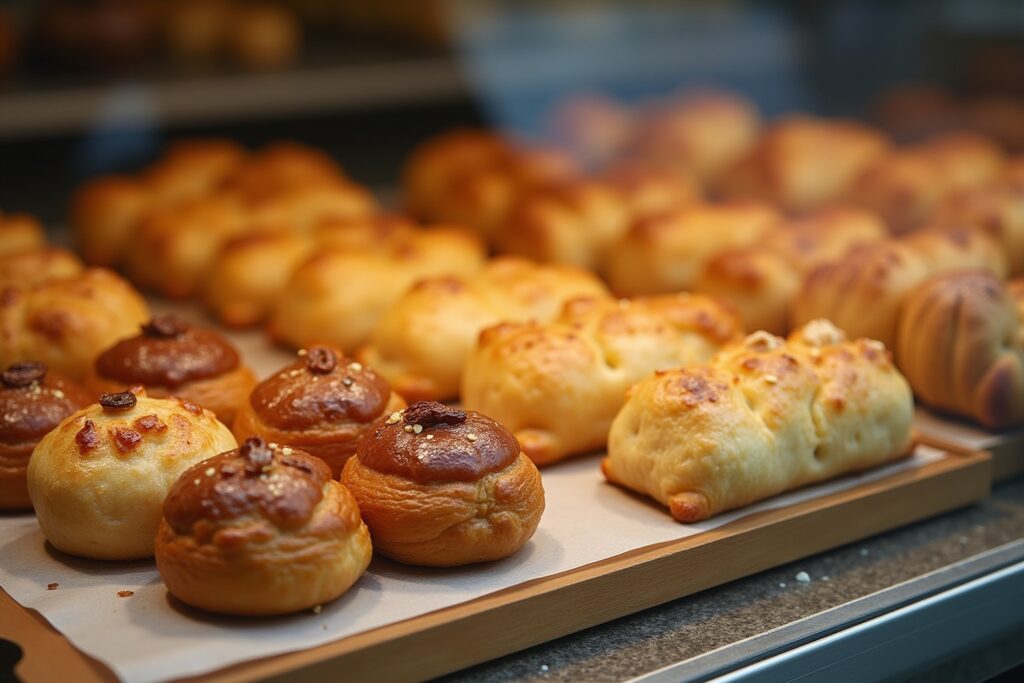
Unlock the versatility of puff pastry to create impressive dishes for any palate, from quick weeknight meals to elegant desserts. This guide empowers you to master flaky, golden creations that will delight your guests and simplify your cooking.
These are the most popular Puff Pastry Book products
Keine Produkte gefunden.The Magic of Puff Pastry: Understanding its Appeal
Puff pastry is a marvel of culinary engineering, a laminated dough consisting of alternating layers of dough and butter. When baked, the water within the butter turns to steam, creating countless thin layers that expand and separate, resulting in its signature airy, crisp texture. This characteristic makes it incredibly versatile, capable of transforming simple ingredients into sophisticated treats.
Its appeal lies not only in its delightful texture but also in its adaptability. Whether you’re a novice baker or an experienced chef, puff pastry offers a shortcut to professional-looking results. It requires minimal effort for maximum impact, making it a favorite for busy home cooks seeking to elevate their meals without spending hours in the kitchen.
Sweet Puff Pastry Delights: A Symphony of Flavors
The delicate, crisp nature of puff pastry lends itself beautifully to a wide array of sweet creations. From classic fruit tarts to decadent chocolate swirls, these recipes are sure to satisfy any sweet craving.
- Fruit Tarts and Galettes: Imagine warm, caramelized apples or berries nestled within a golden, buttery crust. Puff pastry is ideal for creating free-form galettes, where the dough is simply folded over the fruit, or for lining tart pans for more structured presentations. A sprinkle of sugar and a touch of cinnamon can elevate these to gourmet status.
- Cream Puffs and Eclairs: While traditionally made with choux pastry, puff pastry can be cleverly adapted for lighter, airier versions of these classics. Small rounds or rectangles baked until golden can be filled with whipped cream, pastry cream, or even ice cream for an indulgent treat.
- Chocolate Swirls and Pinwheels: For the chocolate lover, puff pastry offers a quick route to bliss. Simply spread a layer of chocolate spread, chopped chocolate, or even Nutella onto a sheet of puff pastry, roll it up tightly, slice, and bake. The result is a deliciously gooey and crisp chocolate pastry.
- Turnovers and Hand Pies: Small, individual pockets of joy filled with sweetened fruit, jam, or even a mixture of cream cheese and fruit are perfect for breakfast, snacks, or dessert. The inherent flakiness of puff pastry ensures a satisfying crunch with every bite.
- Dessert Pizzas: A creative twist on a beloved classic, a puff pastry base can be topped with sweet ingredients like mascarpone cheese, fresh fruits, a drizzle of honey, or chocolate sauce after baking for a unique dessert experience.
Savory Puff Pastry Creations: From Appetizers to Entrees
Puff pastry isn’t just for sweets; its savory applications are equally impressive and diverse. It can elevate simple ingredients into elegant appetizers, hearty main courses, and satisfying side dishes.
- Cheese Straws and Savory Palmiers: Infuse puff pastry with grated cheese, herbs, or spices, then slice and bake for addictive cheese straws or elegant palmiers. These are perfect for parties and gatherings.
- Mini Quiches and Tarts: Using small muffin tins or tart molds, puff pastry forms a light and flaky base for individual quiches or savory tarts filled with vegetables, cheese, and perhaps some bacon or ham.
- Sausage Rolls: A British classic, sausage meat seasoned and wrapped in puff pastry then baked until golden brown is a universally loved comfort food. You can customize the filling with different herbs and spices to suit your preference.
- Vegetable and Cheese Bundles: Roast vegetables like asparagus, mushrooms, or leeks, toss them with cheese and herbs, then encase them in puff pastry parcels for a delicious vegetarian main or side dish.
- Chicken Pot Pies: A small, individual chicken pot pie topped with a golden puff pastry crust offers a delightful and satisfying meal. The flaky pastry beautifully complements the creamy filling.
- Salmon and Spinach En Croûte: Elevate a simple salmon fillet by encasing it in puff pastry with a filling of spinach, cream cheese, and dill for an impressive centerpiece dish.
- Mushroom Vol-au-vents: Delicate puff pastry cases, known as vol-au-vents, are ideal for filling with creamy mushroom ragouts or other savory mixtures, creating elegant hors d’oeuvres.
Mastering Puff Pastry Techniques for Perfect Results
While store-bought puff pastry is incredibly convenient and produces excellent results, understanding a few key techniques can further enhance your creations.
- Thawing: Always thaw puff pastry according to package directions, usually in the refrigerator. This ensures it remains cold and pliable, preventing it from becoming sticky or tearing.
- Handling: Work with cold puff pastry. If it becomes too warm and sticky, return it to the refrigerator for a few minutes. Use a sharp knife or pizza cutter for clean cuts, which helps the pastry to rise evenly.
- Egg Wash: An egg wash (beaten egg mixed with a tablespoon of water or milk) brushed onto the surface of puff pastry before baking gives it a beautiful golden sheen and helps it brown evenly.
- Ventilation: For dishes with moist fillings, such as pies or tarts, making a few slits in the top crust allows steam to escape, preventing a soggy bottom and ensuring the pastry cooks through.
- Baking Temperature: Puff pastry typically bakes best at a moderately high temperature (around 400°F or 200°C). This initial heat helps the steam production that creates the layers.
- Butter vs. Margarine: While many store-bought puff pastries use margarine, using butter in homemade versions contributes to a richer flavor and superior flakiness.
Puff Pastry Recipe Categories at a Glance
| Category | Description | Typical Preparation Time | Key Ingredients | Occasion Suitability |
|---|---|---|---|---|
| Sweet Delights | Desserts and sweet treats featuring fruits, chocolate, creams, and custards. | 15-45 minutes (plus baking) | Fruits, berries, chocolate, nuts, sugar, cream, jam | Dessert, Brunch, Afternoon Tea, Celebrations |
| Savory Appetizers | Bite-sized hors d’oeuvres and snacks perfect for parties and gatherings. | 10-30 minutes (plus baking) | Cheese, herbs, cured meats, vegetables, dips | Parties, Gatherings, Pre-dinner Snacks |
| Hearty Mains | Substantial dishes that can serve as a main course, often featuring meats, poultry, or vegetables. | 20-50 minutes (plus baking) | Sausage, chicken, beef, salmon, mushrooms, root vegetables | Family Dinners, Casual Entertaining |
| Quick & Easy Bites | Simple recipes that require minimal ingredients and preparation for a fast culinary win. | 5-20 minutes (plus baking) | Cheese, pesto, jam, pre-made sauces | Snack Time, Impromptu Guests, Weeknight Meals |
Tips for Customizing Your Puff Pastry Recipes
The beauty of puff pastry lies in its adaptability. Don’t be afraid to experiment and make these recipes your own.
- Spice It Up: Add a pinch of cayenne pepper or red pepper flakes to savory fillings for a touch of heat, or a hint of cardamom or nutmeg to sweet fillings for warmth and depth.
- Herb Garden: Fresh herbs like rosemary, thyme, chives, and parsley can be incorporated into both sweet and savory doughs or fillings.
- Cheese Selection: Experiment with different cheeses – Gruyère for nutty depth, goat cheese for tanginess, or Parmesan for a salty kick.
- Vegetable Variations: Swap out vegetables based on seasonality or preference. Bell peppers, spinach, leeks, and artichoke hearts all work wonderfully.
- Glazes and Toppings: Beyond egg wash, consider a drizzle of honey, a sprinkle of sesame seeds, poppy seeds, or coarse salt for added texture and flavor.
Troubleshooting Common Puff Pastry Issues
Even with the best intentions, sometimes puff pastry can present challenges. Here are solutions to common problems:
- Soggy Bottom: Ensure your oven is preheated adequately. For very wet fillings, consider blind-baking the pastry base slightly before adding the filling. Venting the top crust is also crucial.
- Not Rising: This can be due to the pastry being too warm, the oven temperature being too low, or the pastry being overworked. Ensure your ingredients (especially butter) are cold if making from scratch, and handle the dough minimally.
- Tearing: If the pastry is tearing, it’s likely too cold and brittle or too warm and sticky. Let it sit at room temperature for a few minutes if too cold, or refrigerate it if too warm. Gentle handling is key.
- Uneven Browning: An even egg wash and consistent oven temperature usually solve this. Rotating your baking sheet halfway through the baking time can also help.
When to Use Store-Bought vs. Homemade Puff Pastry
Both store-bought and homemade puff pastry have their advantages.
Store-bought puff pastry is a lifesaver for busy individuals. It’s readily available, comes pre-rolled or in blocks, and consistently delivers flaky results. It saves significant time and effort, making sophisticated dishes achievable on short notice.
Homemade puff pastry offers a rewarding culinary challenge and allows for greater control over ingredients, particularly the type and quality of butter used. The flavor and texture can be superior, especially with high-quality butter. However, it is time-consuming and requires patience and practice.
For most home cooks, a good quality store-bought puff pastry is perfectly adequate and allows you to focus on the creative filling and assembly of your dishes. If you have the time and desire to perfect a classic technique, then embarking on homemade puff pastry can be a deeply satisfying endeavor.
The Art of Layering: Understanding Lamination
The fundamental technique behind puff pastry is lamination. This process involves repeatedly folding and rolling dough interspersed with butter. The goal is to create dozens, sometimes hundreds, of paper-thin layers of dough separated by equally thin layers of butter.
When exposed to high heat in the oven, the water content in the butter turns to steam. This steam gets trapped between the dough layers, forcing them apart and causing the pastry to rise dramatically. The dry dough layers then bake, becoming crisp and golden. The more precisely the layers are formed and maintained (by keeping the dough and butter cold), the more spectacular the final rise and flakiness.
Conclusion: Elevate Your Cooking with Puff Pastry
Puff pastry is a culinary chameleon, capable of transforming the ordinary into the extraordinary. Whether you’re crafting a sweet finale or a savory starter, its inherent elegance and delightful texture are sure to impress. With the right techniques and a touch of creativity, you can confidently explore the vast possibilities of puff pastry and bring a touch of gourmet magic to your table.
These are the latest Puff Pastry Book products with the best ratings.
Keine Produkte gefunden.FAQ – Frequently Asked Questions about Puff Pastry Recipes for Every Taste
What is the best way to thaw puff pastry?
The most effective way to thaw puff pastry is to place it in the refrigerator overnight. If you need to thaw it more quickly, you can leave it at room temperature for about 20-30 minutes, but be careful not to let it get too warm or soft, as this can make it difficult to work with and affect its rise.
Can I freeze puff pastry?
Yes, you can freeze puff pastry. If you’ve made it from scratch, ensure it’s well-wrapped in plastic wrap and then in foil or an airtight container. Store-bought puff pastry can also be frozen in its original packaging or re-wrapped. Thaw it in the refrigerator before use.
How do I prevent my puff pastry from becoming soggy?
To prevent a soggy bottom, ensure your oven is fully preheated to the correct temperature, which is usually around 400°F (200°C). For very moist fillings, blind-baking the pastry case for a few minutes before adding the filling, or making strategic vents in the top crust to allow steam to escape, can also help. Using a baking sheet or pizza stone can also help distribute heat evenly.
What is the difference between puff pastry and phyllo dough?
While both are thin, layered pastries, puff pastry is made with butter and is laminated to create a light, airy, and flaky texture when baked. Phyllo dough, on the other hand, is made with flour, water, and a little oil or butter and relies on multiple layers being brushed with melted butter or oil during assembly to achieve crispness. Puff pastry rises significantly on its own due to steam, whereas phyllo layers are crisp due to the oil/butter brushed between them.
How long does puff pastry last in the refrigerator?
Once thawed, store-bought puff pastry typically lasts for 2-3 days in the refrigerator. It’s best to check the “use by” date on the packaging. If you’ve made homemade puff pastry, it’s generally recommended to use it within 2 days for optimal texture and flavor, although it can be frozen for longer storage.
Can I reuse puff pastry scraps?
Yes, you can often reuse puff pastry scraps. If they are still cold, you can gently press them together and re-roll them, or cut them into smaller shapes for mini appetizers or garnishes. However, avoid overworking the dough, as this can toughen the pastry. If the scraps have become too warm or sticky, it’s best to discard them.
What are some simple puff pastry recipes for beginners?
For beginners, simple recipes like cheese straws (puff pastry brushed with egg wash, sprinkled with cheese, and cut into strips), chocolate twists (puff pastry spread with chocolate, rolled, sliced, and baked), or simple fruit tarts (puff pastry lined in a tart tin, filled with fruit and sugar, and baked) are excellent starting points. Using store-bought pastry makes these incredibly straightforward.


