
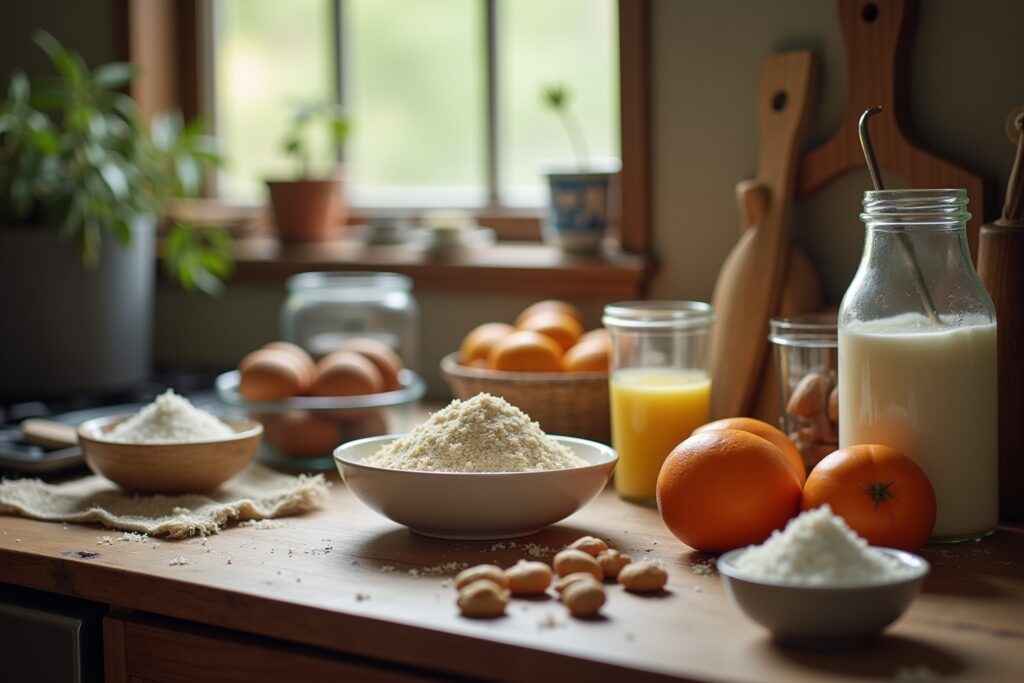
Mastering the art of baking hinges on your understanding and skillful application of fundamental ingredients. Knowing precisely what each component contributes to your creations ensures consistent, delicious results every time.
These are the most popular Baking Ingredients products
Keine Produkte gefunden.The Cornerstones of Successful Baking: Essential Ingredients and Their Roles
Transforming simple flour, fat, and sugar into delectable cakes, cookies, and breads is a science as much as an art. Each ingredient plays a specific, often multifaceted, role in the final texture, flavor, and structure of your baked goods. Understanding these roles empowers you to troubleshoot issues, adapt recipes, and truly innovate in your own kitchen.
Flour: The Structural Backbone
Flour is the primary structural component in most baked goods, providing the framework that holds everything together. The type of flour you choose significantly impacts the final product’s texture. Gluten, a protein found in wheat flour, develops when hydrated and agitated, creating an elastic network that traps gases produced during leavening, resulting in a tender crumb. For delicate pastries and cakes, lower-protein flours like cake flour or pastry flour are ideal, yielding a tenderer crumb. For chewier cookies and crusty breads, all-purpose flour or bread flour, with higher protein content, is preferred.
Sugar: More Than Just Sweetness
Sugar’s role extends far beyond simply sweetening your baked goods. It tenderizes by interfering with gluten development and protein coagulation, leading to a softer texture. Sugar also contributes to browning through caramelization and the Maillard reaction, enhancing visual appeal and flavor complexity. Furthermore, it helps retain moisture, keeping your baked goods fresh for longer. Different types of sugar, such as granulated, brown, or powdered sugar, offer varying levels of moisture, flavor, and impact on texture. Brown sugar, for instance, adds a distinct caramel note and contributes to a chewier cookie due to its molasses content.
Fats: For Tenderness and Flavor
Fats, including butter, oil, and shortening, are crucial for tenderness, richness, and flavor in baking. They coat flour particles, inhibiting gluten formation and resulting in a more delicate texture. Fats also contribute to moisture, preventing baked goods from becoming dry. Butter provides a rich, distinct flavor and aids in leavening through the creaming method. Vegetable oils, like canola or sunflower oil, create very moist and tender baked goods, though they don’t contribute the same depth of flavor as butter. Shortening is a solid fat that excels at creating flaky pastries and tender cookies, though it lacks the flavor of butter.
Eggs: The Multi-Tasking Marvel
Eggs are incredibly versatile in baking, contributing to structure, richness, leavening, and binding. The proteins in egg whites coagulate when heated, providing structure and helping to set the baked good. The fat in egg yolks adds richness, flavor, and tenderness, and also acts as an emulsifier, helping to combine ingredients that might otherwise separate. Beaten eggs can also incorporate air, contributing to leavening. The number of eggs and whether you use whole eggs, yolks, or whites will significantly influence the final outcome.
Leavening Agents: The Power of Lift
Leavening agents are essential for creating light and airy baked goods. They produce gases, primarily carbon dioxide, which expand when heated, causing the dough or batter to rise. There are several types of leavening agents:
- Baking Soda (Sodium Bicarbonate): This is an alkaline ingredient that requires an acidic component (like buttermilk, yogurt, lemon juice, or brown sugar) to activate and produce carbon dioxide. It reacts quickly, so it’s often used in recipes that are baked immediately.
- Baking Powder: This is a complete leavening agent containing both an acid and a base, along with a stabilizer. Double-acting baking powder releases gas in two stages: once when it comes into contact with liquid, and again when heated in the oven. This provides a more sustained lift.
- Yeast: A living organism, yeast ferments sugars in dough, producing carbon dioxide and alcohol. This process, known as proofing, is fundamental to bread making and contributes to the characteristic flavor and chewy texture of yeast-leavened products.
Liquids: Hydration and Activation
Liquids, such as milk, water, or buttermilk, are vital for hydrating the flour, enabling gluten development, and activating leavening agents. They also contribute to the overall moisture content and texture of the final product. Milk adds richness, flavor, and helps with browning due to its sugar and fat content. Water is neutral and is commonly used in bread making. Buttermilk, with its acidity, reacts with baking soda to create a tender crumb and a slight tanginess.
Salt: A Flavor Enhancer and Dough Strengthener
Often overlooked, salt is a critical ingredient in baking. It enhances the natural flavors of other ingredients, balancing sweetness and adding depth. In yeast-leavened doughs, salt controls yeast activity, preventing it from fermenting too rapidly, and also strengthens the gluten structure, leading to a better rise and texture.
Vanilla Extract: The Aroma of Warmth
Vanilla extract is a classic flavoring agent that adds a warm, aromatic depth to a vast array of baked goods. Its complex flavor profile complements both sweet and savory notes, enhancing the overall taste experience without overpowering other ingredients. Pure vanilla extract, made from vanilla beans, offers a more nuanced and desirable flavor than artificial alternatives.
Chocolate: The Indulgent Element
Whether in the form of cocoa powder, chocolate chips, or melted chocolate, this ingredient is a beloved addition for its rich flavor and texture it imparts. Cocoa powder, derived from roasted and ground cacao beans, provides a deep chocolate flavor and aids in the browning process. Chocolate chips and bars contribute pockets of melted chocolate and enhance the overall richness and indulgence of a baked good.
Nuts: Texture and Flavor Boosters
Nuts like almonds, walnuts, pecans, and hazelnuts add delightful crunch, texture, and a rich, often nutty flavor to baked goods. They can be incorporated whole, chopped, or ground into a meal. Toasting nuts before adding them to recipes can intensify their flavor and aroma, further enhancing the final product.
Spices: The Aromatic Enhancers
Spices such as cinnamon, nutmeg, ginger, cloves, and cardamom are indispensable for creating warm, complex, and inviting flavor profiles. They are particularly prevalent in seasonal baking, evoking comfort and festivity. The specific spice blend can dramatically alter the character of a recipe, from the comforting warmth of cinnamon in apple pie to the pungent kick of ginger in gingerbread.
Citrus Zest and Juice: Brightness and Zest
The zest and juice of citrus fruits like lemons, oranges, and limes add a vibrant, refreshing brightness to baked goods. Zest, the outer colored peel, contains aromatic oils that provide intense flavor without excess acidity. Juice contributes moisture and acidity, which can interact with leavening agents and tenderize the crumb. They are perfect for cutting through richness and adding a lively counterpoint to sweet flavors.
Cream Cheese: Tangy Richness
Cream cheese brings a unique tangy richness and creamy texture to both fillings and batters. It’s a star in cheesecakes and frostings, but also adds moisture and a delightful counterpoint to sweetness in cakes and pastries. Its emulsifying properties can also contribute to a smoother texture.
Cornstarch: The Silent Thickener
Cornstarch is a fine powder derived from corn that acts as an effective thickener for fruit fillings, custards, and sauces within baked goods. When heated with liquid, its starch granules swell and absorb moisture, creating a smooth, thickened consistency without adding unwanted flavor. It’s also sometimes used in small amounts in cakes to create a more tender crumb.
Cream of Tartar: A Stabilizer and Acidifier
Cream of tartar, a byproduct of winemaking, is a versatile ingredient. It’s commonly used to stabilize whipped egg whites, creating a more voluminous and stable meringue. It also acts as a mild acidifier, enhancing the leavening action of baking soda and preventing sugar crystallization in icings and candies.
Molasses: Deep Flavor and Moisture
Molasses, a thick, dark syrup, is a byproduct of sugar refining. It imparts a distinctive deep, slightly bitter, and robust flavor, along with significant moisture. It’s a key ingredient in gingerbread, dark fruitcakes, and many types of brown bread, contributing to their characteristic color and chewy texture.
Buttermilk: Tenderizing and Tangy Magic
Buttermilk’s natural acidity is its superpower in baking. When combined with baking soda, it creates a powerful leavening reaction that results in exceptionally tender and moist cakes, scones, and biscuits. Its slight tanginess also adds a subtle complexity that balances sweetness.
A Summary of Essential Baking Ingredients
| Category | Key Role | Impact on Texture | Impact on Flavor | Common Applications |
|---|---|---|---|---|
| Flour | Structure, framework | Chewy, tender, crisp | Neutral (varies by type) | Cakes, cookies, breads, pastries |
| Sugar | Sweetness, tenderness, browning, moisture retention | Soft, tender, crisp (depending on type and quantity) | Sweet, caramel notes | All baked goods |
| Fats (Butter, Oil, Shortening) | Tenderness, richness, moisture, flavor (butter) | Moist, tender, flaky (shortening) | Rich, buttery, neutral (oil) | Cakes, cookies, pies, pastries |
| Eggs | Structure, binding, richness, leavening | Firm, moist, airy | Rich, eggy | Cakes, cookies, custards, meringues |
| Leavening Agents (Baking Soda, Baking Powder, Yeast) | Lift, aeration | Light, airy, voluminous | Generally neutral (yeast can add complex notes) | Cakes, cookies, breads, muffins |
| Liquids (Milk, Water, Buttermilk) | Hydration, gluten development, leavening activation | Moist, tender | Adds richness (milk), neutral (water), tangy (buttermilk) | All baked goods |
| Salt | Flavor enhancement, dough strengthening | Improved texture | Balances sweetness, enhances other flavors | All baked goods |
| Vanilla Extract | Aroma, flavor enhancement | Generally neutral | Warm, aromatic, sweet | Cakes, cookies, custards, frostings |
| Chocolate | Flavor, richness, texture | Chewy, dense, rich | Intense chocolate | Brownies, cookies, cakes, muffins |
| Nuts | Texture, flavor | Crunchy, firm | Nutty, rich | Cookies, cakes, muffins, breads |
| Spices | Aroma, flavor | Generally neutral | Warm, complex, pungent | Gingerbread, cookies, cakes, pies |
| Citrus Zest/Juice | Flavor, brightness, moisture | Tender crumb (acid) | Bright, zesty, tart | Cakes, cookies, pies, glazes |
| Cream Cheese | Tangy richness, creaminess, moisture | Creamy, dense | Tangy, rich | Cheesecakes, frostings, cakes |
| Cornstarch | Thickening | Smooth, gelled | Neutral | Fruit fillings, custards, sauces |
| Cream of Tartar | Stabilizer, acidifier | Stable meringues, tender crumb | Slightly tart (in large quantities) | Meringues, icings, some cakes |
| Molasses | Flavor, color, moisture | Chewy, dense | Deep, robust, slightly bitter | Gingerbread, dark cakes, brown bread |
| Buttermilk | Tenderizing, leavening activation | Extremely tender, moist | Tangy, slightly acidic | Cakes, biscuits, scones, pancakes |
These are the latest Baking Ingredients products with the best ratings.
Keine Produkte gefunden.FAQ – Frequently Asked Questions about 17 Baking Ingredients for Success
Why is the type of flour so important in baking?
The type of flour dictates the gluten content. Higher gluten flours, like bread flour, create a stronger network, ideal for chewy breads. Lower gluten flours, like cake flour, result in a more tender and delicate crumb, perfect for cakes. Using the wrong flour can lead to tough or crumbly baked goods.
Can I substitute one type of sugar for another?
Yes, but with caution. Granulated sugar provides sweetness and crispness. Brown sugar adds moisture and a caramel flavor due to its molasses content, leading to chewier cookies. Powdered sugar is superfine and dissolves easily, making it ideal for smooth icings. Substituting can alter texture, sweetness, and browning.
What happens if I use too much or too little leavening agent?
Too much baking soda or baking powder can cause your baked goods to rise too quickly and then collapse, resulting in a coarse texture and potentially a bitter or metallic taste. Too little will lead to a dense, flat product that doesn’t rise properly.
Is it necessary to use salt in baking, even if the recipe doesn’t call for much?
Absolutely. Salt is a crucial flavor enhancer that balances sweetness and brings out the best in other ingredients. In yeast breads, it also plays a vital role in controlling yeast activity and strengthening the gluten structure, leading to a better overall texture and rise.
How do eggs affect the texture of my baked goods?
Eggs are multi-talented. The proteins in eggs provide structure as they coagulate during baking, helping to set the product. The fat in egg yolks adds richness and tenderness, while beaten eggs can incorporate air for leavening, making baked goods lighter and fluffier.
Why is buttermilk so good for cakes and biscuits?
Buttermilk’s acidity reacts with baking soda to create a very effective leavening reaction, resulting in an exceptionally tender and moist crumb. This tanginess also adds a pleasant depth of flavor that complements sweetness.
Can I omit fats like butter or oil from a recipe?
While some very specific recipes might allow for it, generally, fats are essential for tenderness, moisture, and flavor in baking. They coat flour particles, inhibiting gluten development, which results in a softer texture. Omitting fat will likely lead to a dry, tough, and flavorless product.


