
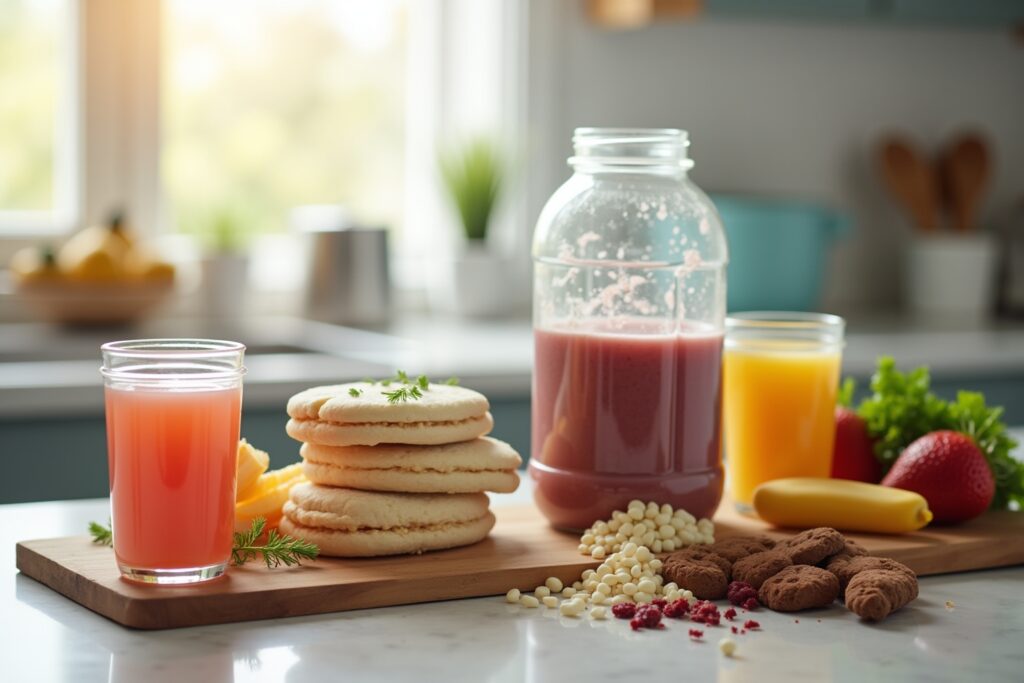
Are you looking for delicious and straightforward ways to incorporate more protein into your diet using protein powder? Discover 14 healthy recipes designed to be both nutritious and satisfying, perfect for fueling your active lifestyle or simply enhancing your daily intake.
These are the most popular Protein Powder products
Keine Produkte gefunden.The Versatility of Protein Powder in Your Kitchen
Protein powder is more than just a post-workout supplement; it’s a versatile ingredient that can elevate a wide array of dishes. From breakfast to desserts, understanding how to effectively use protein powder can unlock a world of healthy eating possibilities. This guide will walk you through 14 innovative recipes that showcase the best of what protein powder has to offer, ensuring you meet your nutritional goals without sacrificing flavor or enjoyment.
Breakfast Boosters: Energize Your Mornings
1. Classic Protein Smoothie
This is your go-to for a quick and effective protein boost. Blend one scoop of your favorite protein powder (whey, casein, or plant-based) with 1 cup of unsweetened almond milk, half a banana for creaminess and natural sweetness, and a handful of spinach for added nutrients. For an extra antioxidant punch, add a quarter cup of mixed berries. Blend until smooth and enjoy immediately.
2. Protein-Packed Oatmeal
Elevate your morning oats by stirring in half a scoop of protein powder after cooking. Cook 1/2 cup of rolled oats with 1 cup of water or milk. Once cooked to your liking, remove from heat and mix in the protein powder until fully incorporated. Top with fresh fruit, nuts, or seeds for added texture and nutrients.
3. High-Protein Pancakes
Transform your breakfast staple. Whisk together 1/2 cup of oat flour (or blended rolled oats), one scoop of protein powder, one egg, 1/2 cup of milk (dairy or non-dairy), and a teaspoon of baking powder. Cook on a lightly greased griddle until golden brown on both sides. Serve with sugar-free syrup or fresh fruit.
4. Overnight Protein Oats Jar
Prepare this the night before for a grab-and-go breakfast. In a jar, combine 1/2 cup rolled oats, one scoop of protein powder, 1 cup of milk, and a tablespoon of chia seeds. Stir well, cover, and refrigerate overnight. In the morning, top with your favorite fruits and nuts.
Lunch & Snack Solutions: Sustained Energy
5. Protein-Rich Energy Balls
These no-bake bites are perfect for combating midday slumps. Mix 1 cup of rolled oats, 1/2 cup of nut butter (almond or peanut), 1/4 cup of honey or maple syrup, one scoop of protein powder, and a tablespoon of chia seeds or flaxseeds. Roll into small balls and refrigerate for at least 30 minutes to firm up. Store in an airtight container.
6. Creamy Protein Pudding
A guilt-free dessert or a substantial snack. Blend 1/2 cup of unsweetened almond milk, one scoop of chocolate or vanilla protein powder, 1 tablespoon of cocoa powder (if using vanilla protein), and 1/4 cup of Greek yogurt or silken tofu until smooth and thick. Chill for at least 15 minutes before serving. You can also add a touch of sweetener if needed.
7. Savory Protein Muffins
Not all protein recipes need to be sweet. Whisk together 1 cup of whole wheat flour, one scoop of unflavored protein powder, 1 teaspoon of baking powder, salt, and pepper. In a separate bowl, combine 1/2 cup of milk, 1 egg, 1/4 cup of melted unsalted butter or coconut oil, and desired savory additions like shredded cheese, chopped vegetables (bell peppers, onions), or lean cooked meat. Combine wet and dry ingredients and bake in muffin tins until golden brown.
Dinner Enhancements: Lean and Satisfying Meals
8. Protein-Fortified Pasta Sauce
Boost the protein content of your favorite pasta sauce. Simply stir one scoop of unflavored or tomato-flavored protein powder into your simmering marinara sauce during the last 10 minutes of cooking. This adds a protein punch without significantly altering the taste or texture of the sauce.
9. High-Protein Quinoa Salad Bowl
Build a complete meal by adding protein powder to your salads. Prepare your favorite quinoa salad with chopped vegetables, beans, and a light vinaigrette. After cooking and cooling the quinoa, gently stir in half a scoop of unflavored protein powder before adding the other ingredients. This integrates the protein seamlessly into the dish.
10. Protein-Infused Chicken Marinade
Enhance the tenderness and protein content of chicken. Whisk together 1/4 cup of plain yogurt, one scoop of unflavored protein powder, a tablespoon of lemon juice, garlic powder, and your preferred herbs and spices. Coat chicken breasts or thighs in the marinade and let sit for at least 30 minutes before grilling, baking, or pan-frying.
Dessert Delights: Sweetness with a Healthy Twist
11. Protein Brownie Bites
Indulge your sweet tooth with these healthier brownies. Combine 1/2 cup of mashed banana or unsweetened applesauce, 1/4 cup of cocoa powder, one scoop of chocolate protein powder, 1/4 cup of almond flour, 1 tablespoon of honey or maple syrup, and a teaspoon of vanilla extract. Mix until a thick batter forms. Fold in sugar-free chocolate chips if desired. Bake in small muffin liners at 350°F (175°C) for 15-20 minutes.
12. No-Bake Protein Cheesecake Bites
A delightful treat that’s surprisingly simple. Mix 1 cup of softened cream cheese (or dairy-free alternative), 1/2 scoop of vanilla protein powder, 1 tablespoon of sweetener, and 1/2 teaspoon of vanilla extract until smooth. Press the mixture into mini muffin liners or small molds. Refrigerate until firm. Top with a drizzle of sugar-free chocolate sauce or fresh berries.
13. Protein Ice Cream Base
Create a healthier, protein-rich frozen treat. Blend 1 cup of unsweetened almond milk, one scoop of your preferred protein powder, 1/4 cup of Greek yogurt for creaminess, and a natural sweetener to taste. Pour the mixture into an ice cream maker and churn according to the manufacturer’s instructions. Alternatively, freeze in a shallow container, stirring vigorously every 30-60 minutes until frozen.
14. Berry Protein Sorbet
A refreshing and light dessert. Blend 2 cups of frozen mixed berries, 1/2 cup of unsweetened almond milk, and one scoop of vanilla or berry-flavored protein powder until smooth and sorbet-like. If it’s too thick, add a tablespoon of almond milk at a time. Serve immediately for a light and fruity treat.
A Closer Look at Protein Powder Usage
When incorporating protein powder into your recipes, consider the type of protein and its flavor profile. Whey protein is highly soluble and often used in smoothies and baked goods. Casein protein is slower digesting and can add thickness to puddings and overnight oats. Plant-based proteins like pea, rice, or soy offer excellent alternatives for those with dietary restrictions and come in various flavors that can complement your dishes.
For savory recipes, unflavored protein powder is often the most versatile choice, allowing the natural flavors of your ingredients to shine. If you opt for a flavored powder, ensure it complements the overall taste of the dish. Be mindful of the texture; some protein powders can make baked goods denser, so you might need to adjust other ingredients like liquids or leavening agents.
Sweeteners can be adjusted based on your preferences and the sweetness of the protein powder itself. Natural sweeteners like honey, maple syrup, or stevia can be used in moderation. Remember that many protein powders already contain sweeteners, so taste as you go.
Nutritional Benefits and Considerations
Protein is a fundamental macronutrient essential for muscle repair and growth, satiety, and overall bodily function. Utilizing protein powder in these recipes can help you meet your daily protein requirements, which vary based on activity level, age, and health goals. For active individuals, protein intake can range from 1.2 to 2.2 grams per kilogram of body weight.
Incorporating protein into meals and snacks can also aid in weight management by promoting fullness, which can reduce overall calorie intake. It plays a crucial role in preserving lean muscle mass, especially during periods of calorie restriction.
When choosing a protein powder, look for options with minimal added sugars and artificial ingredients. Reading the nutrition label is key to understanding the protein content per serving, as well as any added carbohydrates, fats, or micronutrients.
| Recipe Category | Primary Benefit | Key Ingredients | Preparation Ease | Typical Use Case |
|---|---|---|---|---|
| Breakfast Boosters | Morning energy and satiety | Oats, fruit, milk, protein powder | Quick to Very Quick (5-15 mins) | Starting the day, pre- or post-morning workout |
| Lunch & Snack Solutions | Sustained energy and appetite control | Nuts, seeds, fruits, vegetables, protein powder | Quick to Moderate (5-20 mins, plus chilling) | Midday meals, pre- or post-afternoon workout, travel snacks |
| Dinner Enhancements | Increased protein content in main meals | Savory ingredients, sauces, marinades, protein powder | Moderate (integrated into existing cooking) | Adding lean protein to balanced dinners |
| Dessert Delights | Healthier sweet treats | Fruit, cocoa, dairy/non-dairy alternatives, protein powder | Quick to Moderate (10-30 mins, plus chilling/freezing) | Guilt-free indulgence, post-dinner treat |
Tips for Successful Protein Powder Integration
Always ensure your protein powder is fully dissolved or incorporated to avoid a chalky texture. For smoothies, a high-powered blender is your best friend. When baking, start with a smaller amount of liquid and add more as needed, as protein powder can absorb moisture.
Experiment with different protein powder flavors to discover new taste combinations. Vanilla and chocolate are classics, but berry, unflavored, or even coffee-flavored powders can open up exciting culinary avenues. For savory applications, unflavored is generally safest, but you can also try subtle herb-infused or even a hint of unflavored marine collagen for a protein boost in broth-based soups.
Consider the texture of your chosen protein powder. Some are finer than others, which can affect how they blend or bake. If you find a particular powder results in a dry baked good, try adding a bit more moisture or a healthy fat like avocado or nut butter.
These are the latest Protein Powder products with the best ratings.
Keine Produkte gefunden.FAQ – Frequently Asked Questions about 14 Healthy Protein Powder Recipes
Can I use any type of protein powder in these recipes?
While many recipes are adaptable, the type of protein powder can affect the outcome. Whey and plant-based proteins are generally well-suited for smoothies and baked goods due to their solubility. Casein can add thickness. For savory dishes, unflavored protein powder is typically recommended to avoid interfering with the natural flavors.
Will using protein powder make my food taste chalky?
This is a common concern, but it can usually be avoided by ensuring the protein powder is fully incorporated. Using a blender for smoothies and puddings, or whisking thoroughly in batters, helps create a smooth consistency. Sometimes, a slightly different brand or type of protein powder may yield better results.
Are these recipes suitable for vegetarians and vegans?
Many of the recipes can be easily adapted. For vegetarian options, simply use dairy-based protein powders like whey or casein. For vegan recipes, opt for plant-based protein powders (pea, soy, rice, hemp) and use non-dairy milk and yogurt alternatives.
How much protein powder should I use per recipe?
The recipes typically suggest half to one full scoop (around 20-30 grams of protein) per serving or recipe batch. It’s important not to overdo it, as excessive protein can alter texture and may not be necessary for your daily intake goals. Always check the serving size and protein content on your specific protein powder container.
Can I prepare these recipes in advance?
Yes, many of these recipes are excellent for meal prepping. Overnight oats, energy balls, and pudding can be made a few days ahead and stored in the refrigerator. Smoothies are best consumed immediately after preparation, but you can pre-portion ingredients in bags for quick blending. Baked goods can be stored in airtight containers.
Are these recipes good for weight loss?
These recipes can support weight loss efforts due to their high protein content, which promotes satiety and helps manage appetite. By replacing less nutritious snacks or meals with these protein-rich options, you can contribute to a calorie deficit while ensuring your body receives essential nutrients. However, weight loss is multifactorial and depends on overall dietary intake and activity levels.
What are the best protein powders for baking?
Whey protein isolates and concentrates are popular for baking as they blend well and have a neutral flavor. Plant-based proteins like pea or rice protein can also work, but their texture and flavor might be more pronounced. Unflavored options are usually safest for baking to avoid overpowering other ingredients.


