
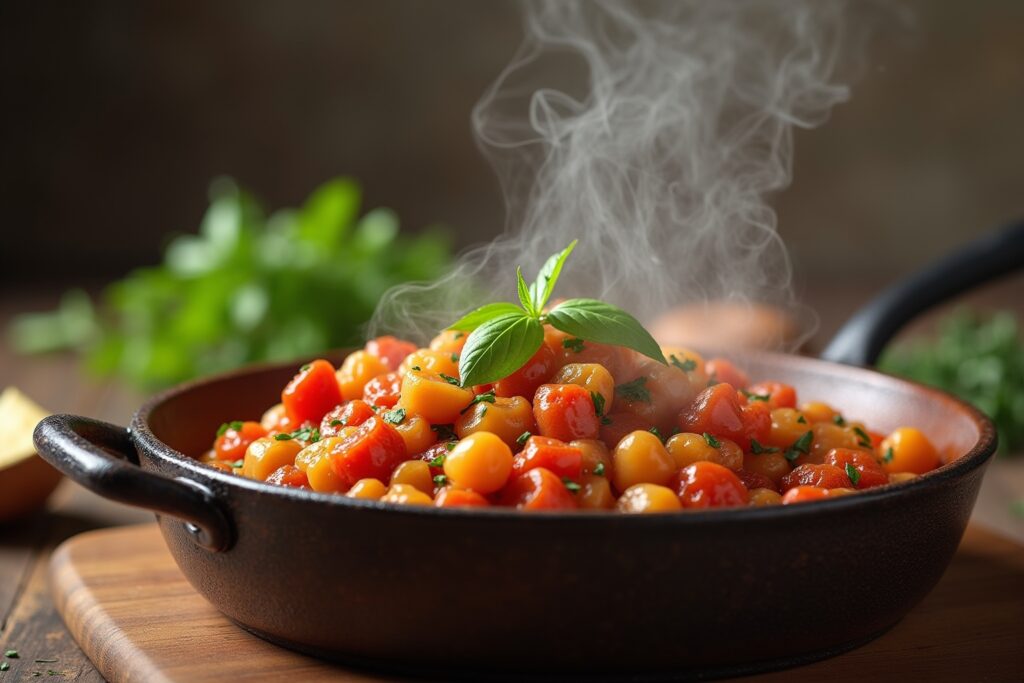
Unlock the secrets to effortless, nutritious meals with our curated collection of 17 healthy crockpot recipes. These dishes are designed to simplify your weeknights, reduce your time in the kitchen, and deliver exceptional flavor without compromising your well-being.
These are the most popular Crockpot Recipes products
Keine Produkte gefunden.Why Embrace Healthy Crockpot Cooking?
The slow cooker, or crockpot, is a culinary powerhouse that transforms simple ingredients into tender, flavorful dishes with minimal effort. Embracing healthy crockpot recipes means you can consistently prepare nutritious meals, even on your busiest days. The beauty of crockpot cooking lies in its ability to meld flavors over extended periods, resulting in dishes that are both deeply satisfying and remarkably easy to prepare. You’ll find that these recipes are perfect for fueling your active lifestyle, supporting weight management goals, or simply enjoying wholesome food with loved ones.
The Pillars of Healthy Crockpot Recipes
When we talk about healthy crockpot recipes, we’re focusing on several key principles that ensure your meals are both delicious and beneficial for your health. These recipes prioritize lean proteins, an abundance of vegetables, whole grains, and healthy fats, while limiting excessive sodium, unhealthy fats, and refined sugars. The slow cooking process itself is a healthier cooking method as it often requires less added fat and allows for the natural flavors of ingredients to shine through.
Lean Protein Powerhouses
Incorporating lean proteins is crucial for satiety and muscle health. Our selected recipes feature ingredients like chicken breast, turkey, lean beef cuts, fish, and plant-based proteins such as lentils and beans. These provide essential amino acids without a heavy burden of saturated fat. The slow cooking method tenderizes even tougher cuts of meat, making them incredibly enjoyable.
Vegetable Variety for Nutrient Density
A cornerstone of any healthy diet is a wide array of vegetables. Crockpot recipes are ideal for incorporating a significant volume of vegetables, as they soften and meld beautifully into the overall dish. Expect to see recipes packed with nutrient-dense options like leafy greens (spinach, kale), cruciferous vegetables (broccoli, cauliflower), root vegetables (carrots, sweet potatoes), and aromatic vegetables (onions, garlic, bell peppers).
Wholesome Grains and Legumes
To round out your meals and provide sustained energy, healthy crockpot recipes often include whole grains and legumes. Think brown rice, quinoa, lentils, and various types of beans. These ingredients are rich in fiber, which aids digestion, promotes fullness, and helps regulate blood sugar levels. They also contribute essential vitamins and minerals.
Flavor Without the Guilt
Achieving incredible flavor in healthy crockpot recipes relies on smart seasoning and the natural compounds within your ingredients. Fresh herbs, aromatic spices, vinegars, citrus juices, and low-sodium broths are your best friends. The long, slow cooking process allows these elements to deeply infuse the food, creating complex and satisfying taste profiles without the need for excessive salt or unhealthy fats.
17 Healthy Crockpot Recipes to Inspire You
Here is a selection of 17 healthy crockpot recipes that exemplify these principles, offering a range of flavors and meal types to suit your needs.
- Slow Cooker Lemon Herb Roasted Chicken with Root Vegetables: A classic that’s perfect for Sunday dinner or meal prep. Tender chicken infused with lemon and herbs, surrounded by carrots, potatoes, and parsnips.
- Healthy Turkey Chili: Packed with lean ground turkey, kidney beans, black beans, diced tomatoes, and a medley of spices. This is a comforting and protein-rich meal.
- Crockpot Lentil Soup: A hearty and fiber-filled vegetarian option. Lentils, carrots, celery, onions, and vegetable broth create a satisfying and nutrient-dense soup.
- Slow Cooker Salsa Verde Chicken: Simply chicken breasts cooked in zesty salsa verde. Shred it for tacos, bowls, or salads.
- Vegetable and Chickpea Curry: A flavorful vegan curry with coconut milk, mixed vegetables (like cauliflower, peas, and bell peppers), and chickpeas. Serve over brown rice.
- Lean Beef Stew: Tender chunks of lean beef slow-cooked with potatoes, carrots, celery, and a rich, savory broth.
- Greek Lemon Chicken and Potatoes: Chicken thighs or breasts seasoned with oregano, lemon, garlic, and cooked alongside potatoes until fork-tender.
- Crockpot Black Bean Soup: A simple yet flavorful vegetarian soup made with black beans, onions, garlic, and cumin. Top with fresh cilantro and a squeeze of lime.
- Sweet Potato and Black Bean Chili: A vegetarian twist on chili, featuring the sweetness of sweet potatoes and the heartiness of black beans, corn, and spices.
- Slow Cooker Pulled Pork (Lean Cut): Use a lean cut of pork shoulder and cook it until tender, then shred and serve on whole-wheat buns or over greens with a vinegar-based BBQ sauce.
- Chicken Fajita Bowls: Sliced chicken breast, bell peppers, and onions cooked with fajita seasoning. Serve over quinoa or brown rice with your favorite toppings.
- Moroccan Chickpea and Vegetable Tagine: A fragrant and warming dish with chickpeas, sweet potatoes, zucchini, tomatoes, and aromatic spices like cumin, coriander, and cinnamon.
- Broccoli Cheddar Chicken and Rice Casserole (Healthy Version): A lighter take on a comfort food favorite, using lean chicken, plenty of broccoli, brown rice, and a reduced-fat cheese sauce.
- Salmon with Dill and Lemon: While fish cooks quickly, some slow cooker recipes are designed for delicate flavors. Salmon fillets cooked with dill and lemon for a light and healthy meal.
- Turkey Meatball Soup: Lean turkey meatballs simmered in a flavorful vegetable broth with carrots, celery, and peas.
- Shredded Chicken for Meal Prep: A foundational recipe for many dishes. Simply cook chicken breasts or thighs with a little liquid, then shred for use in salads, sandwiches, or wraps throughout the week.
- Lentil Shepherd’s Pie with Sweet Potato Topping: A hearty lentil and vegetable filling topped with a creamy mashed sweet potato crust.
Crockpot Recipe Categories Overview
| Meal Type | Primary Protein | Key Vegetables | Flavor Profile | Dietary Considerations |
|---|---|---|---|---|
| Hearty Mains | Chicken, Turkey, Lean Beef | Root vegetables, Broccoli, Bell Peppers | Savory, Herbaceous, Spicy | High Protein, Moderate Carb |
| Vegetarian & Vegan Delights | Lentils, Chickpeas, Beans | Mixed Greens, Squash, Tomatoes | Earthy, Aromatic, Spiced | High Fiber, Plant-Based, Gluten-Free Options |
| Quick & Versatile Prep | Chicken, Pork | Onions, Peppers | Zesty, Tangy, Mild | Meal Prep Friendly, Adaptable |
Tips for Maximizing Health Benefits in Your Crockpot
To truly harness the health potential of your crockpot, consider these practical tips. Always choose lean cuts of meat and trim visible fat. Don’t shy away from a wide variety of colorful vegetables; the more, the better for nutrient diversity. Opt for low-sodium broths and sauces, and enhance flavor with fresh herbs, spices, garlic, and onions rather than excessive salt. When serving, pair your crockpot creations with whole grains like brown rice, quinoa, or whole-wheat bread for added fiber and sustained energy.
Selecting the Right Crockpot Size
The size of your crockpot is important for successful cooking. For small households or side dishes, a 2-3 quart model might suffice. For families or meal prepping, a 5-7 quart crockpot is generally ideal. Ensure your ingredients fill at least half to two-thirds of the crockpot for optimal and even cooking. An underfilled crockpot can lead to overcooking, while an overfilled one might not cook through properly.
Prepping Ingredients for the Crockpot
Proper preparation is key to a smooth crockpot experience. Wash and chop all vegetables uniformly to ensure even cooking. If using tougher cuts of meat, you might consider searing them on the stovetop first to enhance flavor and texture, though this is often optional for many recipes. For dishes that involve both meat and vegetables, place denser, slower-cooking vegetables like root vegetables at the bottom of the crockpot, closer to the heat source, and lighter vegetables like leafy greens towards the top.
Understanding Crockpot Cooking Times
Crockpots typically offer “Low” and “High” settings. “Low” usually takes 6-8 hours, while “High” takes 3-4 hours. The exact cooking time can vary depending on your specific crockpot model and the ingredients used. It’s always best to check for doneness with a thermometer or by testing the tenderness of the meat and vegetables towards the end of the suggested cooking period.
Incorporating Fresh Herbs and Finishing Touches
While many ingredients in crockpot recipes cook low and slow, some elements benefit from being added towards the end or as a garnish. Fresh herbs like cilantro, parsley, or basil can lose their vibrancy if cooked for too long. Stir them in during the last 15-30 minutes of cooking or sprinkle them on top just before serving for a burst of freshness. A squeeze of lemon or lime juice can also brighten up the flavors of a rich dish.
These are the latest Crockpot Recipes products with the best ratings.
Keine Produkte gefunden.FAQ – Frequently Asked Questions about 17 Healthy Crockpot Recipes
Can I make these recipes ahead of time?
Yes, absolutely. Many of these healthy crockpot recipes are excellent for meal prepping. You can cook them, let them cool completely, and then store them in airtight containers in the refrigerator for up to 3-4 days. They can also be frozen for longer storage. Reheat gently on the stovetop, in the microwave, or back in the crockpot on a warm setting.
Are these recipes suitable for a low-carb diet?
Some of these recipes can be adapted for a low-carb diet. Focus on recipes that are naturally lower in carbohydrates, such as those emphasizing lean proteins and non-starchy vegetables. You can often substitute high-carbohydrate ingredients like rice or potatoes with lower-carb alternatives like cauliflower rice or zucchini noodles. Always check the specific ingredient list for each recipe.
How can I reduce the sodium content in crockpot recipes?
To reduce sodium, opt for low-sodium broths, tomatoes, and canned beans. Rinse canned beans thoroughly before adding them to the crockpot. Rely on herbs, spices, garlic, onions, lemon juice, and vinegars for flavor instead of salt. Taste and adjust seasoning cautiously at the end of the cooking process.
What are the best lean protein sources for crockpot meals?
Excellent lean protein sources for crockpot meals include boneless, skinless chicken breast, turkey breast, lean ground turkey, lean cuts of beef like sirloin or round, and fish like salmon or cod (though fish cooks very quickly and requires specific recipes). Plant-based proteins like lentils, chickpeas, and black beans are also fantastic options.
Can I freeze ingredients in the crockpot before cooking?
Yes, many crockpot recipes lend themselves well to freezer prep. You can assemble all the ingredients (except liquids that can dilute frozen flavors or creamy elements that might separate) in a freezer-safe bag or container and freeze it. When ready to cook, transfer the frozen contents directly into the crockpot and add the required liquids. You may need to add an extra hour or two to the cooking time when starting from frozen.
How do I thicken crockpot sauces and stews?
If your crockpot sauce or stew is too thin, you have several options. You can create a slurry by mixing cornstarch or arrowroot powder with a little cold water and stirring it into the simmering liquid during the last 30 minutes of cooking. Alternatively, you can mash some of the cooked vegetables (like potatoes or beans) against the side of the crockpot to naturally thicken the mixture, or stir in a tablespoon or two of whole wheat flour or a roux.


