
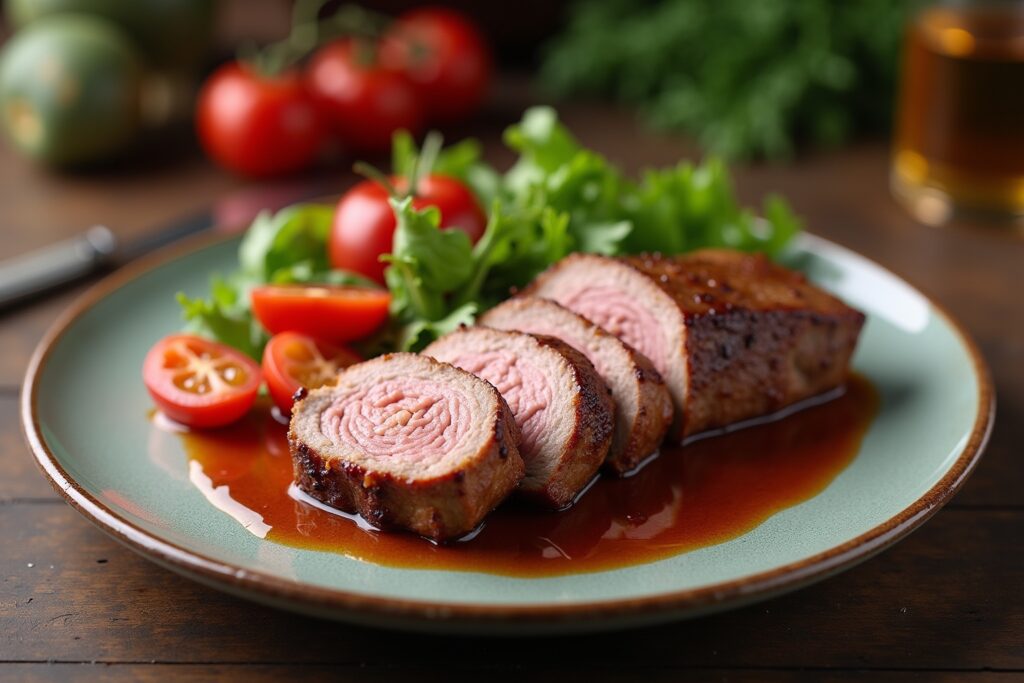
Mastering the art of cooking pork tenderloin offers a pathway to preparing elegant yet surprisingly simple meals. You’re looking for versatile and delicious ways to transform this lean cut of pork into culinary delights that impress guests and satisfy your own palate.
These are the most popular Pork Tenderloin products
Keine Produkte gefunden.The Appeal of Pork Tenderloin
Pork tenderloin, also known as pork fillet, is a prized cut due to its exceptional leanness and tender texture. It cooks quickly, making it ideal for weeknight dinners and special occasions alike. Its mild flavor profile acts as a perfect canvas for a vast array of marinades, rubs, and sauces, allowing for endless culinary creativity.
Unlike tougher cuts, pork tenderloin requires minimal cooking time to achieve optimal tenderness. Overcooking is the primary pitfall to avoid, as it can lead to a dry and less enjoyable result. Understanding the internal temperature and cooking methods is key to unlocking its full potential.
14 Delicious Pork Tenderloin Recipes to Elevate Your Cooking
Here, you will discover a curated selection of 14 enticing pork tenderloin recipes, designed to cater to diverse tastes and cooking styles. Each recipe emphasizes flavor, simplicity, and the inherent qualities of this superb cut of meat.
1. Classic Roasted Pork Tenderloin with Herbs
This is the quintessential preparation, celebrating the natural flavor of the pork. A simple marinade of olive oil, garlic, rosemary, thyme, and black pepper, followed by a moderate oven roast, yields a tender and aromatic centerpiece. The key is to achieve a beautiful sear on the outside while keeping the inside juicy and slightly pink.
2. Balsamic Glazed Pork Tenderloin
The tangy sweetness of balsamic vinegar, often combined with a touch of honey or brown sugar and garlic, creates a luscious glaze that caramelizes beautifully on the pork tenderloin. This recipe is perfect for a slightly more sophisticated flavor profile.
3. Garlic Herb Butter Pork Tenderloin
Infused with generous amounts of garlic and a blend of fresh herbs like parsley, chives, and dill, this recipe involves slathering the tenderloin with a compound butter before roasting. The butter melts during cooking, basting the pork and infusing it with rich, savory notes.
4. Dijon Mustard Crusted Pork Tenderloin
A zesty coating of Dijon mustard, perhaps mixed with breadcrumbs and herbs, forms a delightful crust that adds both flavor and texture. The mustard’s tanginess complements the pork perfectly, offering a sharp contrast to its inherent sweetness.
5. Lemon Herb Pork Tenderloin
The bright, refreshing acidity of lemon juice, combined with fragrant herbs like parsley, dill, and oregano, makes for a light and flavorful dish. This is an excellent choice for warmer weather or when you desire a less heavy meal.
6. Apple Cider Braised Pork Tenderloin
Braising pork tenderloin in apple cider, often with aromatics like onions, apples, and cinnamon, results in incredibly tender and moist meat infused with a subtly sweet and fruity flavor. This method is forgiving and yields consistently delicious results.
7. Miso Glazed Pork Tenderloin
For an umami-rich experience, a marinade or glaze made with miso paste, soy sauce, mirin, and ginger is exceptional. The salty, savory depth of miso pairs remarkably well with pork, creating a truly unique and satisfying dish.
8. Spicy Cajun Pork Tenderloin
Embrace the bold flavors of Cajun cuisine with a rub of paprika, cayenne pepper, garlic powder, onion powder, and other regional spices. This recipe delivers a delightful kick and a complex flavor profile that stands out.
9. Honey Garlic Pork Tenderloin
A classic combination that never fails. The sweetness of honey balances perfectly with the savory notes of garlic, creating a sticky, flavorful glaze that coats the tenderloin beautifully. This is a crowd-pleasing favorite for a reason.
10. Mushroom and Cream Sauce Pork Tenderloin
Elevate your pork tenderloin with a luxurious sauce. Sautéed mushrooms, garlic, and shallots form the base, finished with a rich cream or half-and-half for a decadent sauce that pairs exquisitely with the tender meat.
11. Rosemary and Garlic Pork Tenderloin with Roasted Root Vegetables
This is a complete meal in one pan. Toss pork tenderloin seasoned with rosemary and garlic alongside your favorite root vegetables like potatoes, carrots, and parsnips in olive oil and seasonings. Roast everything together for a hearty and flavorful dinner.
12. Pan-Seared Pork Tenderloin with Pan Sauce
Achieve a perfect sear by pan-searing the tenderloin, then deglaze the pan with broth, wine, or citrus juice to create a quick and flavorful pan sauce. This method is fast and produces restaurant-quality results.
13. Prosciutto-Wrapped Pork Tenderloin
Wrapping the pork tenderloin in thin slices of prosciutto before roasting adds a salty, savory dimension and helps to keep the meat moist. The prosciutto crisps up beautifully, offering a delightful textural contrast.
14. Thai Peanut Pork Tenderloin
A flavorful fusion option, this recipe features a marinade or sauce made with peanut butter, soy sauce, lime juice, chili garlic sauce, and ginger. The result is a subtly sweet, savory, and slightly spicy dish that’s incredibly addictive.
Understanding Pork Tenderloin Preparation
Regardless of the specific recipe you choose, certain fundamental preparation steps will ensure success. Always trim any excess silver skin (a thin, shiny membrane) from the tenderloin, as it can become tough when cooked. You can do this by inserting the tip of a sharp knife under the silver skin and gently pulling it away, using the knife to help release it.
Marinating is often a key step, as it infuses flavor and can also help tenderize the meat. Aim for at least 30 minutes for simple marinades, and up to several hours for more complex ones. When cooking, it’s crucial to avoid overcooking. Pork tenderloin is best enjoyed when cooked to an internal temperature of 145°F (63°C) for medium-rare, followed by a 3-5 minute rest under foil. This ensures the juiciest and most tender result. Using a meat thermometer is highly recommended.
Pairing Suggestions
Pork tenderloin is incredibly versatile when it comes to side dishes. For lighter fare, consider serving it with a fresh green salad, steamed asparagus, or roasted broccoli. For a more substantial meal, roasted potatoes, creamy mashed potatoes, or a wild rice pilaf are excellent choices. Many of the glaze and sauce-based recipes also pair beautifully with simple grains like quinoa or couscous to soak up the delicious liquid.
A Look at Cooking Methods
The beauty of pork tenderloin lies in its adaptability to various cooking methods:
- Roasting: This is a classic and straightforward approach, perfect for achieving an even cook and beautiful exterior.
- Pan-Searing: Ideal for quick cooking and developing a flavorful crust, often followed by finishing in the oven or creating a pan sauce.
- Grilling: Offers a wonderful smoky flavor and is excellent for marinated tenderloins.
- Braising: A slower, moist-heat method that renders the pork exceptionally tender.
Key Flavor Profiles and Ingredients
When developing or choosing a pork tenderloin recipe, consider these common and effective flavor pairings:
- Herbs: Rosemary, thyme, sage, parsley, dill, oregano.
- Aromatics: Garlic, onions, shallots, ginger.
- Acids: Lemon juice, lime juice, balsamic vinegar, apple cider vinegar.
- Sweeteners: Honey, maple syrup, brown sugar, agave nectar.
- Savory Elements: Soy sauce, Worcestershire sauce, Dijon mustard, miso paste.
- Spices: Black pepper, paprika, cayenne pepper, chili flakes.
Nutritional Value of Pork Tenderloin
Pork tenderloin is renowned for being a very lean cut of pork. It is an excellent source of high-quality protein, essential B vitamins (such as niacin, B6, and B12), and minerals like zinc and selenium. Its low fat content makes it a healthy choice for those looking to incorporate red meat into their diet while managing calorie and fat intake.
When you compare pork tenderloin to other common protein sources, its leanness is particularly noteworthy. For example, it often has a comparable or even lower fat content than skinless chicken breast, making it a competitive option for health-conscious individuals.
Summary of Pork Tenderloin Recipe Categories
| Category | Key Flavor Profile | Typical Cooking Method | Preparation Complexity | Best For |
|---|---|---|---|---|
| Classic & Herbaceous | Garlic, rosemary, thyme, lemon | Roasting, Pan-Searing | Simple | Weeknight meals, foundational dishes |
| Sweet & Tangy Glazes | Balsamic, honey, maple, fruit juices | Roasting, Grilling | Moderate | Impressing guests, balanced flavors |
| Savory & Umami-Rich | Miso, soy sauce, mushrooms, Dijon | Roasting, Pan-Searing, Braising | Moderate to Complex | Adventurous palates, deep flavor |
| Spicy & Bold | Cajun spices, chili, ginger | Grilling, Pan-Searing | Moderate | Those who enjoy heat, vibrant dishes |
| Creamy & Indulgent | Cream, butter, rich sauces | Pan-Searing, Roasting | Moderate | Special occasions, comfort food |
These are the latest Pork Tenderloin products with the best ratings.
Keine Produkte gefunden.FAQ – Frequently Asked Questions about 14 Delicious Pork Tenderloin Recipes
What is the best internal temperature for pork tenderloin?
The ideal internal temperature for pork tenderloin is 145°F (63°C) for medium-rare, followed by a rest period of 3-5 minutes. This ensures a juicy and tender result. Using a meat thermometer is the most accurate way to check for doneness.
How do I prevent pork tenderloin from becoming dry?
The key to preventing dryness is to avoid overcooking. Always use a meat thermometer to monitor the internal temperature. Marinating the pork before cooking also helps to add moisture and flavor. Furthermore, allowing the cooked tenderloin to rest for a few minutes before slicing allows the juices to redistribute throughout the meat.
Can I freeze cooked pork tenderloin?
Yes, cooked pork tenderloin freezes well. Ensure it is cooled completely before wrapping it tightly in plastic wrap and then aluminum foil or placing it in an airtight container. It can typically be stored in the freezer for 2-3 months. Thaw in the refrigerator before reheating.
What is silver skin and how do I remove it?
Silver skin is a thin, tough membrane found on some cuts of meat, including pork tenderloin. It can become chewy and unpleasant when cooked. To remove it, slide the tip of a sharp knife under the silver skin at one end and gently pull it away while using the knife to help guide and separate it from the meat. Trim away any pieces you can find.
Are pork tenderloin recipes generally healthy?
Yes, pork tenderloin recipes can be very healthy. Pork tenderloin itself is a lean cut of meat, rich in protein and essential nutrients. The healthiness of the overall dish depends on the preparation methods and ingredients used in the accompanying marinades, sauces, and side dishes. Opting for grilling, roasting, or pan-searing with minimal added fats, and pairing with plenty of vegetables, will result in a nutritious meal.
How long does it take to cook a pork tenderloin?
The cooking time for pork tenderloin varies depending on its thickness and the cooking method used. However, as a general guideline, a 1-pound pork tenderloin typically takes about 20-25 minutes to roast in a 400°F (200°C) oven. Pan-seared tenderloins will cook even faster, often around 10-15 minutes total.
What are some good vegetarian side dishes to serve with pork tenderloin?
Excellent vegetarian side dishes include roasted Brussels sprouts with balsamic glaze, garlic herb roasted asparagus, a vibrant quinoa salad with roasted vegetables, creamy polenta, or a hearty lentil and mushroom stew. For something lighter, a fresh mixed greens salad with a vinaigrette is always a good choice.


