
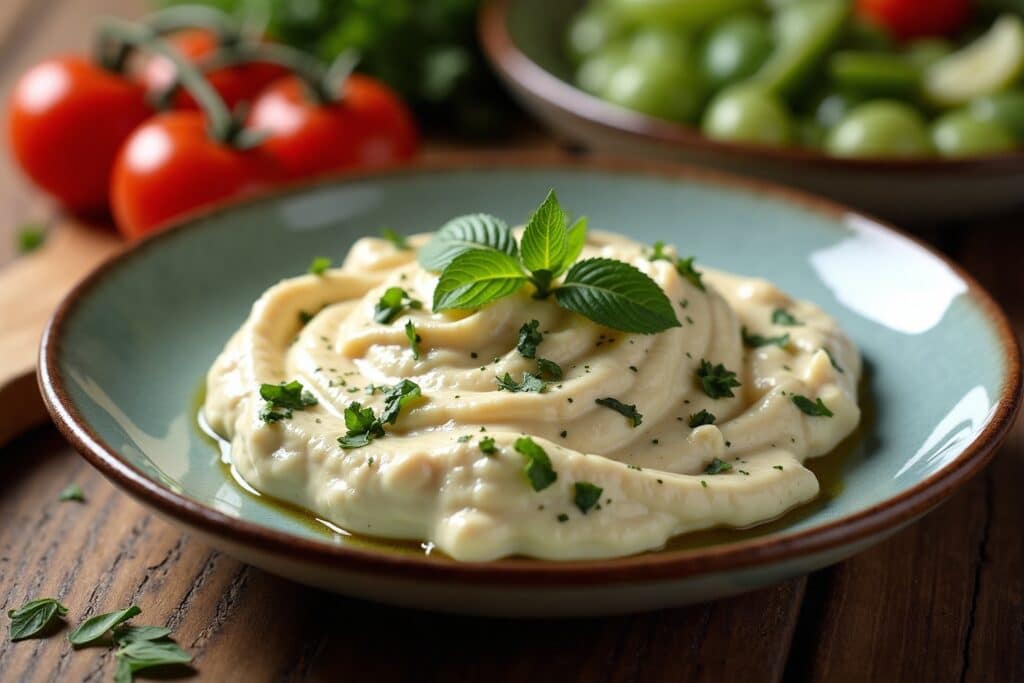
Unlock the vibrant flavors of the Mediterranean with these 14 delicious Tzatziki recipes, your essential guide to crafting this iconic Greek yogurt dip. Whether you’re a seasoned home cook or just beginning your culinary journey, mastering Tzatziki opens up a world of refreshing dips, sauces, and accompaniments.
These are the most popular Tzatziki Recipes products
Keine Produkte gefunden.The Essence of Perfect Tzatziki
At its core, Tzatziki is a simple yet profoundly satisfying blend of thick Greek yogurt, crisp cucumber, pungent garlic, fresh dill, a touch of lemon juice, and olive oil. The magic lies in the balance of these ingredients, creating a cooling, tangy, and aromatic condiment that elevates everything it touches. Achieving the perfect Tzatziki means understanding the role of each component:
- Greek Yogurt: Opt for full-fat, strained Greek yogurt. Its thickness prevents a watery dip and provides a creamy, luxurious base. Avoid low-fat or regular yogurt, which can lead to a thin, less flavorful result.
- Cucumber: English cucumbers are ideal due to their thin skin and fewer seeds, minimizing the need for peeling and seeding. Grating the cucumber and thoroughly squeezing out excess moisture is crucial to prevent a watery Tzatziki.
- Garlic: Freshly minced garlic is key. Start with a small amount and adjust to your taste; raw garlic can be potent. Some recipes suggest mincing or even pureeing the garlic for a smoother integration.
- Dill: Fresh dill offers a bright, herbaceous flavor that is quintessential to authentic Tzatziki. Finely chopped dill fronds are essential.
- Lemon Juice: Freshly squeezed lemon juice adds a necessary tang and brightness, balancing the richness of the yogurt and the pungency of the garlic.
- Olive Oil: A good quality extra virgin olive oil emulsifies with the yogurt, adding a smooth mouthfeel and a subtle fruity note.
- Salt: Essential for drawing out moisture from the cucumber and enhancing all the other flavors.
14 Delicious Tzatziki Variations to Explore
While the classic recipe is a staple, the versatility of Tzatziki allows for endless creative interpretations. Here are 14 delightful variations that cater to different palates and occasions:
1. Classic Greek Tzatziki
The timeless recipe. Grated cucumber, thick Greek yogurt, minced garlic, fresh dill, lemon juice, olive oil, and salt. Perfect for gyros, falafel, and grilled meats.
2. Spicy Harissa Tzatziki
For those who crave a kick. Stir in a tablespoon or two of harissa paste into your classic Tzatziki. The smoky heat of the chili paste complements the coolness of the yogurt beautifully.
3. Minty & Cucumber Tzatziki
A refreshing twist. Replace half the dill with finely chopped fresh mint. This variation is wonderfully invigorating, ideal for summer gatherings and light salads.
4. Roasted Garlic & Rosemary Tzatziki
Elevate the garlic flavor by using roasted garlic cloves. Roasting mellows the garlic’s intensity, imparting a sweet, nutty depth. Add a sprig of finely chopped fresh rosemary for an earthy aroma.
5. Avocado & Lime Tzatziki
A creamy, dairy-free-friendly option (if using a dairy-free yogurt). Blend in half a ripe avocado until smooth. Swap lemon juice for fresh lime juice for a brighter, more citrusy profile.
6. Beetroot Tzatziki
Visually stunning and subtly sweet. Add finely grated cooked beetroot to your classic recipe. This imparts a vibrant pink hue and a gentle sweetness that pairs well with feta cheese.
7. Smoked Paprika & Garlic Tzatziki
A smoky depth with a hint of sweetness. Incorporate smoked paprika for a rich, earthy flavor. This variation is fantastic with grilled vegetables and pork.
8. Dill Pickle Tzatziki
A playful and tangy variation. Finely chop dill pickles and add them to your base recipe. The brine from the pickles adds an extra layer of savory complexity.
9. Feta & Dill Tzatziki
Crumble in some creamy feta cheese for an extra salty, briny punch. This combination is a match made in heaven, especially with grilled halloumi or lamb skewers.
10. Zesty Lemon & Caper Tzatziki
Amp up the brightness with extra lemon zest and a tablespoon of chopped capers. The briny bursts from the capers offer a delightful counterpoint to the creamy yogurt.
11. Cucumber & Mint Raita-Inspired Tzatziki
Drawing inspiration from Indian cuisine, this version uses a blend of cucumber and mint, often with a pinch of cumin. It’s a lighter, more fragrant take.
12. Kalamata Olive & Oregano Tzatziki
For a taste of the Aegean islands, finely chop Kalamata olives and add them along with dried oregano. The salty olives and aromatic oregano create a robust flavor profile.
13. Walnut & Honey Tzatziki
A surprising but delicious combination. Finely chop toasted walnuts and a drizzle of honey into your Tzatziki. This adds a delightful crunch and a touch of sweetness, excellent with cheese boards.
14. Vegan Coconut Tzatziki
A fantastic vegan alternative. Use a thick, unsweetened coconut yogurt as your base. Combine with grated cucumber, garlic, dill, lemon juice, and a touch of nutritional yeast for a cheesy umami flavor.
Tzatziki Recipe Categories
| Category | Key Ingredients | Flavor Profile | Best Pairings |
|---|---|---|---|
| Classic & Traditional | Greek Yogurt, Cucumber, Garlic, Dill, Lemon, Olive Oil | Cool, Tangy, Herbal | Gyros, Souvlaki, Grilled Meats, Pita Bread |
| Spicy & Bold | Harissa, Chili Flakes, Smoked Paprika, Jalapeños | Fiery, Smoky, Pungent | Tacos, Grilled Chicken, Burgers, Roasted Vegetables |
| Herbaceous & Fresh | Mint, Basil, Cilantro, Parsley, Lemon Zest | Bright, Aromatic, Invigorating | Salads, Fish Dishes, Spring Rolls, Dips |
| Rich & Creamy | Avocado, Feta Cheese, Toasted Nuts, Roasted Garlic | Luxurious, Savory, Nutty | Cheese Platters, Dips for Crackers, Lamb Dishes |
| Sweet & Earthy | Beetroot, Honey, Roasted Red Peppers | Subtly Sweet, Earthy, Vibrant | Vegetarian Mezze, Sandwiches, Wraps |
Tips for Preparing Perfect Tzatziki
Making exceptional Tzatziki is an art, but with a few key techniques, you can ensure consistently delicious results:
- Squeeze, Squeeze, Squeeze: This cannot be overstated. After grating your cucumber, wrap it in a clean kitchen towel or cheesecloth and wring out as much liquid as possible. This is the single most important step to prevent a watery dip.
- Salt the Cucumber: Some chefs recommend salting the grated cucumber and letting it sit for 10-15 minutes before squeezing. This draws out even more moisture.
- Mince Garlic Finely: For the smoothest integration, mince your garlic very finely or even make a paste by crushing it with a pinch of salt.
- Let it Chill: Tzatziki flavors meld and deepen over time. Allowing it to chill in the refrigerator for at least 30 minutes (or even a few hours) before serving significantly improves its taste.
- Taste and Adjust: Always taste your Tzatziki before serving. Adjust the salt, lemon juice, or garlic according to your preference.
- Fresh is Best: While dried dill can be used in a pinch, fresh dill provides a superior flavor.
Serving Suggestions for Your Tzatziki Creations
Tzatziki is incredibly versatile and can be used in a myriad of ways beyond just a simple dip:
- As a Dip: Serve with pita bread, vegetable sticks (carrots, celery, bell peppers), crackers, or pita chips.
- With Grilled Meats: It’s the perfect accompaniment to lamb chops, chicken skewers, pork tenderloin, and burgers.
- In Sandwiches and Wraps: Spread it on gyros, shawarma, falafel wraps, or chicken salad sandwiches for added moisture and flavor.
- As a Salad Dressing: Thin it out with a little extra olive oil or water for a light and zesty salad dressing, particularly good on Greek salads.
- With Seafood: A dollop of Tzatziki is fantastic with grilled fish, shrimp, or calamari.
- Alongside Roasted Vegetables: Drizzle it over roasted potatoes, zucchini, eggplant, or cauliflower.
Troubleshooting Common Tzatziki Problems
Even experienced cooks can run into issues. Here’s how to fix common Tzatziki mishaps:
- Too Watery: This usually means the cucumber wasn’t squeezed enough. In a pinch, you can try draining it further or stir in a little more thick Greek yogurt or even a spoonful of cream cheese to thicken it.
- Too Garlicky: If the garlic is overpowering, stir in more yogurt and a touch more lemon juice. A pinch of sugar can also help balance intense garlic flavor.
- Too Bland: Increase the salt, lemon juice, or garlic. Fresh herbs like dill and mint can also boost flavor.
- Not Tangy Enough: Add more fresh lemon juice.
These are the latest Tzatziki Recipes products with the best ratings.
Keine Produkte gefunden.FAQ – Frequently Asked Questions about 14 Delicious Tzatziki Recipes
What is the best type of yogurt to use for Tzatziki?
For the creamiest and most authentic Tzatziki, you should use thick, full-fat Greek yogurt. Its strained nature provides a dense texture that prevents a watery dip and offers a rich, tangy base.
How do I prevent my Tzatziki from being watery?
The key to avoiding watery Tzatziki is to thoroughly squeeze the moisture out of the grated cucumber. After grating, place the cucumber in a clean kitchen towel or cheesecloth and wring out as much liquid as possible. Some even recommend salting the grated cucumber first to draw out more liquid.
Can I make Tzatziki ahead of time?
Yes, Tzatziki can be made ahead of time. In fact, it’s often recommended to let it chill in the refrigerator for at least 30 minutes to a few hours before serving. This allows the flavors to meld together, resulting in a more delicious and cohesive dip.
How long does homemade Tzatziki last in the refrigerator?
When stored properly in an airtight container in the refrigerator, homemade Tzatziki typically lasts for about 3 to 5 days. Always check for any signs of spoilage before consuming.
Can I substitute dill with other herbs?
While dill is traditional and provides a distinct flavor, you can experiment with other fresh herbs. Mint is a popular substitute or addition, offering a refreshing twist. Other herbs like parsley, chives, or even a small amount of basil can also be incorporated, though they will alter the classic flavor profile.
Is it possible to make a vegan Tzatziki?
Absolutely. You can create a delicious vegan Tzatziki by using a thick, unsweetened plant-based yogurt as your base. Coconut yogurt is a popular choice for its creamy texture, but cashew or soy yogurts can also work. Ensure it’s a plain, unsweetened variety.
What’s the difference between Tzatziki and Raita?
While both are yogurt-based dips, Tzatziki is traditionally Greek and typically features cucumber, garlic, dill, lemon juice, and olive oil. Raita, originating from the Indian subcontinent, can vary widely but often includes spices like cumin or coriander, and can incorporate other vegetables or fruits like boondi (fried gram flour balls) or pineapple, with mint being a common herb.


