
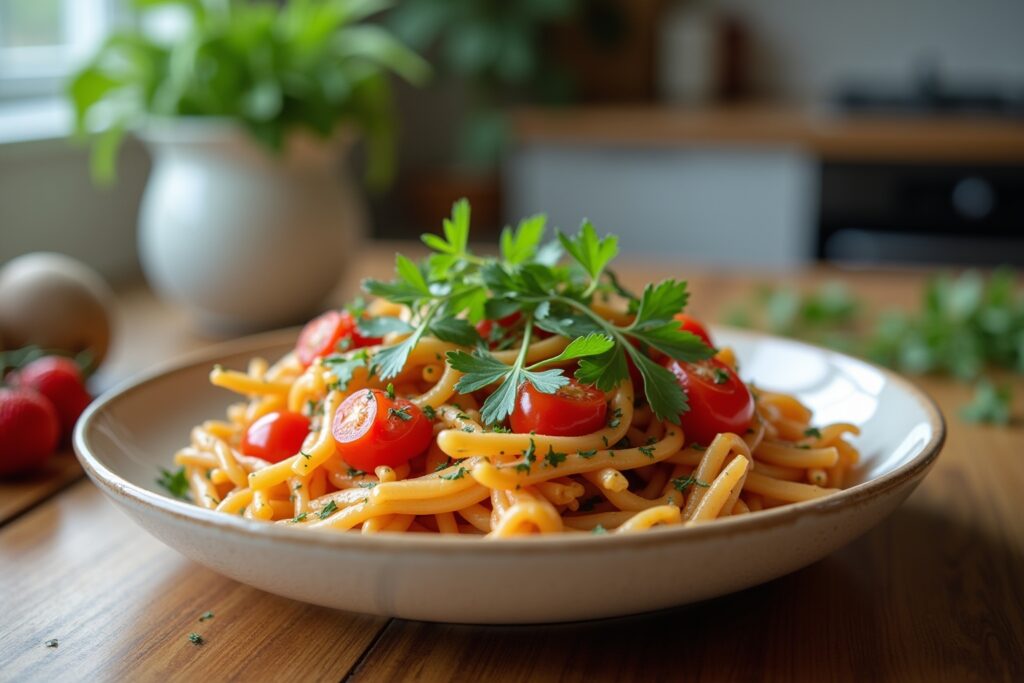
Are you struggling to find delicious and satisfying meals that align with a low FODMAP diet? Navigating dietary restrictions can feel overwhelming, especially when you crave flavorful food that doesn’t trigger digestive discomfort. This guide provides you with essential information and a curated selection of delectable low FODMAP recipes, empowering you to enjoy every meal without worry.
These are the most popular Low FODMAP cookbook products
Keine Produkte gefunden.Understanding the Low FODMAP Diet
The low FODMAP diet is a therapeutic eating plan designed to alleviate symptoms associated with Irritable Bowel Syndrome (IBS) and other functional gastrointestinal disorders. FODMAP stands for Fermentable Oligosaccharides, Disaccharides, Monosaccharides, and Polyols. These are short-chain carbohydrates that are poorly absorbed in the small intestine and can ferment in the large intestine, leading to gas, bloating, pain, and altered bowel habits in sensitive individuals.
It’s crucial to understand that the low FODMAP diet is not a lifelong elimination diet. It typically involves three phases: an elimination phase, a reintroduction phase, and a personalization phase. The goal is to identify specific FODMAPs that trigger your symptoms and establish a sustainable, personalized diet that minimizes discomfort while maximizing nutrient intake and enjoyment.
What are FODMAPs?
- Oligosaccharides: These include fructans and galactans, found in foods like wheat, rye, onions, garlic, and legumes.
- Disaccharides: Lactose, found in milk and dairy products, is the primary disaccharide of concern.
- Monosaccharides: Fructose, in excess of glucose, is a common culprit, found in honey, apples, and high-fructose corn syrup.
- Polyols: Sugar alcohols like sorbitol and mannitol, found in some fruits (like apples and pears) and artificial sweeteners.
The Importance of Expert Guidance
While embarking on a low FODMAP diet, consulting with a registered dietitian or a healthcare professional experienced in gastrointestinal health is highly recommended. They can guide you through the phases, help you accurately identify trigger foods, and ensure you maintain a balanced and nutritious diet, preventing potential nutrient deficiencies.
Key Principles for Delicious Low FODMAP Cooking
Creating flavorful low FODMAP meals revolves around smart ingredient choices and creative cooking techniques. The key is to replace high FODMAP ingredients with low FODMAP alternatives and to focus on fresh, whole foods.
Savory Flavor Boosters
- Garlic-Infused Oil: A staple for low FODMAP cooking, this allows you to enjoy the flavor of garlic without the fermentable compounds. Simply simmer whole garlic cloves in oil over low heat, then strain out the cloves.
- Onion Flavors: While fresh onions and garlic are high FODMAP, you can use the green parts of spring onions (scallions) and leeks for a mild oniony flavor.
- Herbs and Spices: Fresh and dried herbs like basil, parsley, cilantro, rosemary, thyme, and spices like ginger, turmeric, cumin, and paprika are excellent for adding depth and complexity to your dishes.
- Low FODMAP Broths: Use homemade or commercially available low FODMAP broths as a base for soups, stews, and sauces.
- Umami Rich Ingredients: Tamari (gluten-free soy sauce), fish sauce, and nutritional yeast can add a savory umami punch.
Sweeteners and Fruits
- Low FODMAP Sweeteners: Maple syrup, rice malt syrup, and small amounts of granulated sugar are generally well-tolerated.
- Low FODMAP Fruits: Berries (strawberries, blueberries, raspberries), bananas (ripe), oranges, grapes, cantaloupe, and kiwi are usually safe choices.
- High FODMAP Fruits to Avoid (or limit): Apples, pears, mangoes, watermelon, and dried fruits are typically high in fructose or polyols.
Grains and Starches
- Gluten-Free Grains: Rice, quinoa, oats (certified gluten-free), and corn are generally low FODMAP.
- Low FODMAP Breads and Pastas: Look for products made with rice flour, corn flour, or gluten-free blends.
Dairy and Alternatives
- Lactose-Free Dairy: Lactose-free milk, yogurt, and cheese are excellent substitutes.
- Plant-Based Milks: Almond milk, rice milk, and coconut milk (canned, light) are typically low FODMAP. Be mindful of added ingredients in some plant-based milks.
A Culinary Exploration: Leckere Low FODMAP Recipes Categories
To help you explore the possibilities, here’s a breakdown of recipe categories with low FODMAP considerations:
| Category | Low FODMAP Focus & Key Ingredients | Example Dishes |
|---|---|---|
| Breakfasts | Gluten-free oats, lactose-free yogurt, low FODMAP fruits, eggs, seeds (chia, flax). Avoiding high-FODMAP fruits like apples and high-lactose dairy. | Overnight Oats with Berries and Maple Syrup, Scrambled Eggs with Spinach and GF Toast, Smoothie with Banana, Spinach, and Almond Milk. |
| Soups & Salads | Low FODMAP vegetables (carrots, zucchini, bell peppers, spinach, kale), lean proteins, infused oils, herbs, vinaigrettes with compliant oils and vinegars. Avoiding onions, garlic, and high-FODMAP vegetables like cauliflower and broccoli in large quantities. | Chicken Noodle Soup (no onion/garlic), Quinoa Salad with Cucumber, Bell Peppers, and Lemon-Herb Dressing, Creamy Tomato Soup (using lactose-free cream or coconut milk). |
| Main Courses (Poultry, Meat, Fish) | Lean proteins, low FODMAP vegetables, herbs, spices, compliant sauces and marinades. Focusing on simple preparations. | Lemon Herb Roasted Chicken with Roasted Root Vegetables (carrots, parsnips), Pan-Seared Salmon with Quinoa and Steamed Green Beans, Beef Stir-fry with Rice Noodles and Bok Choy (using tamari and ginger). |
| Vegetarian & Vegan Mains | Tofu (firm), tempeh, lentils (small portions, well-cooked), quinoa, low FODMAP vegetables, herbs, spices. Careful selection of plant-based proteins. | Lentil Shepherd’s Pie with Sweet Potato Topping, Tofu Scramble with Turmeric and Spinach, Vegetable Curry with Coconut Milk and Rice. |
| Sides & Appetizers | Roasted low FODMAP vegetables, rice crackers, dips made with compliant ingredients. | Roasted Sweet Potato Fries with Rosemary, Cucumber Bites with Dill Cream Cheese (lactose-free), Rice Cakes with Avocado and Sea Salt. |
Creative Approaches to Low FODMAP Flavor
Don’t let dietary restrictions stifle your culinary creativity. The low FODMAP diet encourages a deeper appreciation for fresh ingredients and simple, elegant flavor combinations.
Mastering Vegetable Preparation
Many vegetables are naturally low in FODMAPs. When preparing them, consider roasting, grilling, or steaming to bring out their natural sweetness and enhance their texture. Roasting vegetables like carrots, parsnips, sweet potatoes, bell peppers, and zucchini caramelizes their sugars, creating a rich flavor profile. Steaming ensures they retain their nutrients and subtle taste.
The Art of Seasoning
Herbs and spices are your best friends. Don’t be afraid to experiment with different combinations. A pinch of smoked paprika can add depth to roasted vegetables, while fresh ginger and cilantro can elevate an Asian-inspired dish. Consider making your own spice blends to control ingredients and avoid hidden high-FODMAP components.
Sauces and Dressings Without the Fuss
Many common sauces and dressings are loaded with high-FODMAP ingredients like onion and garlic powder. Creating your own is straightforward. For salad dressings, a simple vinaigrette made with olive oil, vinegar (red wine, apple cider), lemon juice, salt, and pepper is a safe and delicious option. Herbs like dill, chives (green parts only), and parsley can add further flavor. For richer sauces, consider using lactose-free cream, coconut milk, or blending soaked cashews (in moderation) for a creamy texture. Always check ingredient labels of store-bought sauces.
Tips for Success on Your Low FODMAP Culinary Journey
Embarking on a low FODMAP diet can be a rewarding experience when approached with the right mindset and practical strategies.
- Read Labels Diligently: This is paramount. Hidden FODMAPs can be present in many processed foods, condiments, and even spice blends. Look out for ingredients like onion powder, garlic powder, high-fructose corn syrup, inulin, and certain artificial sweeteners.
- Batch Cooking: Prepare larger quantities of low FODMAP staples like quinoa, rice, roasted vegetables, and cooked lean proteins. This saves time during the week and ensures you always have compliant options readily available for quick meals.
- Meal Planning: Planning your meals in advance can prevent last-minute stress and impulse choices that might lead to consuming high-FODMAP foods.
- Portion Control: Even low-FODMAP foods can cause symptoms in very large quantities for some individuals. Pay attention to recommended serving sizes for foods that are considered low FODMAP.
- Experiment and Adapt: Don’t be afraid to adapt your favorite recipes to be low FODMAP. Substitute ingredients, adjust seasonings, and discover new flavor combinations.
- Listen to Your Body: The reintroduction phase is crucial for identifying your personal triggers and tolerances. Keep a food and symptom diary to track your progress and make informed decisions about your diet moving forward.
These are the latest Low FODMAP cookbook products with the best ratings.
Keine Produkte gefunden.FAQ – Frequently Asked Questions about Leckere Low FODMAP Recipes
What are the most common high-FODMAP ingredients to avoid?
The most common high-FODMAP ingredients to be mindful of include onions, garlic, wheat, rye, lactose (in dairy), honey, high-fructose corn syrup, apples, pears, and certain sugar alcohols like sorbitol and mannitol. These are often found in a wide range of everyday foods.
Can I still eat out at restaurants on a low FODMAP diet?
Eating out can be challenging but is not impossible. It requires careful planning and communication. Inform your server about your dietary needs, ask about ingredients, and choose simpler dishes that are less likely to contain hidden high-FODMAP components. Many restaurants are becoming more accommodating to dietary restrictions.
Are all fruits and vegetables high in FODMAPs?
No, many fruits and vegetables are naturally low in FODMAPs and can be enjoyed freely. Examples include strawberries, blueberries, bananas, oranges, grapes, carrots, zucchini, bell peppers, spinach, kale, and potatoes. It’s the specific types and quantities that matter.
What is the best way to replace garlic and onion flavor in low FODMAP cooking?
The best replacements include garlic-infused oil (where the FODMAPs are not oil-soluble and remain in the garlic cloves), the green tops of spring onions and leeks, chives, and asafoetida powder (used sparingly, as it has a strong flavor). Herbs and spices also play a significant role in adding savory depth.
Is the low FODMAP diet a cure for IBS?
The low FODMAP diet is a management strategy, not a cure, for IBS. It helps to identify and reduce symptoms by limiting the intake of fermentable carbohydrates that trigger digestive distress in sensitive individuals. It is typically used in conjunction with other management techniques and should be supervised by a healthcare professional.
How long does the low FODMAP diet typically last?
The low FODMAP diet usually involves three phases: elimination (2-6 weeks), reintroduction (6-8 weeks), and personalization. The elimination phase is temporary, and the goal of the reintroduction phase is to gradually reintroduce FODMAPs to identify personal tolerances and create a long-term, sustainable eating plan.
Can I still enjoy pasta and bread on a low FODMAP diet?
Yes, you can still enjoy pasta and bread by choosing low-FODMAP alternatives. Opt for products made from rice flour, corn flour, quinoa, or gluten-free blends. Always check ingredient lists to ensure there are no high-FODMAP additives.


