
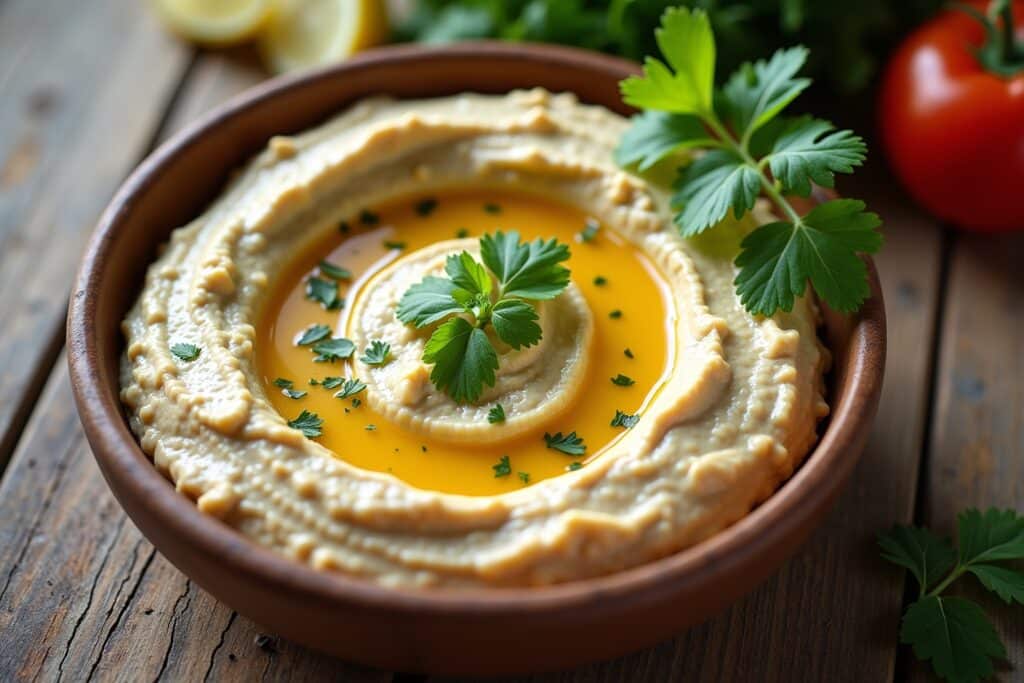
Unlock the incredible versatility of hummus beyond the basic chickpea dip. You’re looking for simple, delicious ways to elevate your appetizer game, create healthy snacks, or add a flavorful punch to your meals. This guide presents fifteen straightforward hummus recipes, each designed to be easy to prepare and bursting with unique tastes.
These are the most popular Hummus recipes products
Keine Produkte gefunden.The Foundation of Flavor: Understanding Hummus Basics
At its core, hummus is a creamy, savory dip or spread made primarily from cooked chickpeas, tahini (sesame paste), lemon juice, and garlic. The magic of hummus lies in its adaptability. By simply altering a few key ingredients or adding complementary flavors, you can transform this humble dish into an extraordinary culinary experience. Mastering the basic technique allows you to experiment endlessly.
Essential Hummus Ingredients and Their Roles
- Chickpeas (Garbanzo Beans): The hearty base, providing texture and protein. Canned chickpeas are convenient, but cooked dried chickpeas offer a superior texture and flavor. Ensure they are thoroughly cooked and soft for the creamiest result.
- Tahini: This sesame seed paste is crucial for the authentic hummus flavor and smooth consistency. High-quality tahini makes a noticeable difference. Stir it well before using, as the oil tends to separate.
- Lemon Juice: Freshly squeezed lemon juice adds brightness and acidity, cutting through the richness of the tahini and chickpeas. Adjust the amount to your preference for tartness.
- Garlic: Raw garlic provides a pungent bite. You can roast or boil it for a milder, sweeter flavor. Start with a small amount and add more to taste.
- Olive Oil: Extra virgin olive oil is often blended into the hummus for richness and a silky texture, and it’s also used for drizzling on top as a garnish.
- Salt: Essential for enhancing all the other flavors.
- Water (or Aquafaba): Used to achieve the desired consistency. Ice-cold water can help create an exceptionally smooth and airy hummus. Aquafaba, the liquid from a can of chickpeas, can also be used for an extra creamy texture.
15 Simple Hummus Recipes to Inspire Your Kitchen
Here are fifteen creative and easy-to-make hummus recipes that go beyond the ordinary. Each recipe offers a distinct flavor profile, perfect for various occasions and palates.
1. Classic Garlic Hummus
The quintessential hummus. Perfect for beginners. Blend chickpeas, tahini, lemon juice, garlic, olive oil, and salt until smooth and creamy. Garnish with a drizzle of olive oil and a sprinkle of paprika.
2. Roasted Red Pepper Hummus
Sweet and smoky. Add roasted red peppers (jarred or homemade) to your classic hummus base. The peppers impart a vibrant color and a delightful sweetness.
3. Spicy Jalapeño Hummus
For those who like a kick. Blend in a seeded jalapeño pepper (or more, to taste) into the classic hummus. You can also add a pinch of cayenne pepper for extra heat.
4. Sun-Dried Tomato Hummus
Rich and intense. Incorporate oil-packed sun-dried tomatoes into the blender. Their concentrated flavor adds a wonderful depth and chewiness.
5. Beetroot Hummus
Visually stunning and earthy. Add a small cooked or roasted beetroot to your hummus mixture. It lends a beautiful magenta hue and a subtle, sweet earthiness.
6. Avocado Hummus
Luxuriously creamy and decadent. Blend in half an avocado into your classic hummus. This adds healthy fats and an incredibly smooth, rich texture.
7. Pesto Hummus
A fusion of Mediterranean flavors. Stir in a few tablespoons of your favorite basil pesto into the classic hummus. It’s incredibly fragrant and delicious.
8. Edamame Hummus
A lighter, greener alternative. Use shelled edamame (steamed or blanched) instead of or in addition to chickpeas. It offers a fresh, slightly sweet taste and a vibrant green color.
9. Caramelized Onion Hummus
Sweet and savory complexity. Slowly caramelize onions until deeply golden and sweet, then blend them into your hummus. The sweet, savory notes are irresistible.
10. Lemon Herb Hummus
Bright and refreshing. Add a generous amount of fresh chopped herbs like parsley, cilantro, or dill, along with extra lemon zest, to your classic hummus. Perfect for spring and summer.
11. Black Bean Hummus
A hearty, smoky twist. Substitute black beans for chickpeas. Add a pinch of smoked paprika and a dash of cumin for a Southwestern flair.
12. Garlic Dill Pickle Hummus
Tangy and briny. Blend in a chopped dill pickle and a tablespoon of pickle brine into your classic hummus. It’s surprisingly addictive and pairs wonderfully with crudités.
13. Muhammara (Roasted Red Pepper and Walnut Dip)
While not strictly hummus, it shares a similar base. This Levantine dip features roasted red peppers, walnuts, breadcrumbs, and pomegranate molasses. Blend until coarsely or finely textured as desired.
14. Olive Hummus
Salty and savory. Blend in pitted Kalamata or green olives. The briny olives add a distinct Mediterranean character.
15. Sweet Potato Hummus
A touch of sweetness. Use cooked and mashed sweet potato alongside or instead of chickpeas. It offers a subtle sweetness and a beautiful orange color. A pinch of cinnamon can enhance its warmth.
Quick Hummus Preparation Guide
Preparing hummus at home is incredibly fast, especially when using canned chickpeas. Here’s a general method:
- Drain and Rinse: If using canned chickpeas, drain them and rinse thoroughly. Some prefer to remove the skins from the chickpeas for an extra-smooth texture, but this is optional.
- Combine Ingredients: In a food processor or high-powered blender, combine the chickpeas, tahini, lemon juice, minced garlic, salt, and your chosen flavor additions (e.g., roasted peppers, herbs, spices).
- Process Until Smooth: Blend the mixture, scraping down the sides as needed.
- Achieve Consistency: Gradually add ice-cold water, a tablespoon at a time, while the processor is running, until you reach your desired creamy consistency. For some recipes, a drizzle of olive oil can be added here.
- Taste and Adjust: Taste the hummus and adjust seasonings as needed. Add more salt, lemon juice, or garlic to suit your preference.
- Serve: Transfer the hummus to a serving bowl. Garnish with a drizzle of olive oil, a sprinkle of paprika, sumac, or your favorite herbs.
Hummus Versatility: Beyond the Dip
Hummus is far more than just an appetizer. Its smooth texture and savory flavor make it an incredibly versatile ingredient in various culinary applications.
Serving Suggestions
- Dipping: Serve with fresh vegetables (carrots, cucumbers, bell peppers, celery), pita bread, crackers, or tortilla chips.
- Spreads: Use as a spread on sandwiches, wraps, and paninis. It’s a fantastic alternative to mayonnaise or other heavier spreads.
- Sauces: Thin out hummus with a little water or lemon juice to create a delicious dressing for salads or a sauce for roasted vegetables or grilled meats.
- Toppings: Dollop hummus onto baked potatoes, buddha bowls, or grain bowls for added flavor and creaminess.
- Marinades: The tahini and lemon juice in hummus can act as a tenderizing agent in marinades for chicken, fish, or tofu.
Nutritional Profile of Hummus
Hummus is a nutrient-dense food, offering a good balance of macronutrients and micronutrients. Its primary components, chickpeas and tahini, contribute significantly to its health benefits.
| Nutrient Category | Typical Contribution (per 2 tbsp serving of classic hummus) | Key Benefits |
|---|---|---|
| Calories | ~50-70 kcal | Provides energy. |
| Protein | ~2-3 g | Essential for muscle repair and satiety. |
| Healthy Fats | ~3-5 g (from tahini and olive oil) | Supports hormone production and nutrient absorption. |
| Fiber | ~2-3 g | Aids digestion, promotes fullness, and helps regulate blood sugar. |
| Vitamins | Good source of Folate (B9), Vitamin K, Vitamin C. | Supports cell growth, blood clotting, and immune function. |
| Minerals | Rich in Iron, Magnesium, Phosphorus, Potassium, Zinc. | Essential for energy production, bone health, nerve function, and fluid balance. |
Storing Your Hummus Creations
Proper storage ensures your homemade hummus remains fresh and delicious. Refrigerate your hummus in an airtight container. It typically stays fresh for 3 to 5 days. For longer storage, you can freeze hummus in freezer-safe containers, though the texture may change slightly upon thawing. Thaw in the refrigerator and stir well before serving.
Troubleshooting Common Hummus Issues
Even with simple recipes, you might encounter minor issues. Here’s how to fix them:
- Too Thick: Gradually add more ice-cold water or lemon juice, one tablespoon at a time, while blending until the desired consistency is reached.
- Too Thin: If it’s too runny, you can try adding a few more chickpeas or a tablespoon of tahini. A small amount of cooked rice or a bit of cornstarch slurry (cooked briefly) can also help thicken it.
- Too Garlicky: If the garlic is overpowering, you can add more tahini and lemon juice to balance the flavor. For future batches, consider roasting the garlic first to mellow its intensity.
- Not Creamy Enough: Ensure your chickpeas are thoroughly cooked and soft. Using an ice-cold liquid for blending and processing for a longer duration can also improve creaminess. Removing chickpea skins is another step for ultimate smoothness.
These are the latest Hummus recipes products with the best ratings.
Keine Produkte gefunden.FAQ – Frequently Asked Questions about 15 Simple Hummus Recipes
Can I make hummus without tahini?
While tahini is traditional and provides a unique flavor and texture, you can make hummus without it. Alternatives include using sunflower seed butter, cashew butter, or even a little extra olive oil and lemon juice for richness. However, the flavor profile will be different from classic hummus.
How can I make my hummus smoother?
To achieve an exceptionally smooth hummus, start with very soft, well-cooked chickpeas. Processing them for a longer time in a high-powered food processor or blender is key. Using ice-cold water and adding it gradually while blending can also help emulsify the mixture for a silkier texture. For ultimate smoothness, consider removing the skins from your chickpeas before blending.
How long does homemade hummus last?
Homemade hummus, when stored properly in an airtight container in the refrigerator, typically lasts for 3 to 5 days. The exact shelf life can vary depending on the freshness of the ingredients used and the cleanliness of your preparation.
Can I use dried chickpeas instead of canned ones?
Yes, using dried chickpeas is highly recommended for the best texture and flavor. Soak them overnight and then boil them until very tender. This process yields a superior hummus compared to canned chickpeas, which can sometimes have a metallic taste or less desirable texture.
What are the best vegetables for dipping in hummus?
A wide variety of vegetables are excellent for dipping! Popular choices include carrot sticks, cucumber slices, bell pepper strips (red, yellow, orange), celery sticks, broccoli florets, cauliflower florets, snap peas, radishes, and cherry tomatoes. Any crunchy, fresh vegetable that you enjoy will pair well with hummus.
Can I make hummus ahead of time for a party?
Absolutely. Hummus is an excellent make-ahead option for parties and gatherings. You can prepare it 1 to 2 days in advance and store it in an airtight container in the refrigerator. When ready to serve, bring it to room temperature for about 30 minutes and give it a good stir. You can then add your garnishes just before serving for a fresh appearance.


