
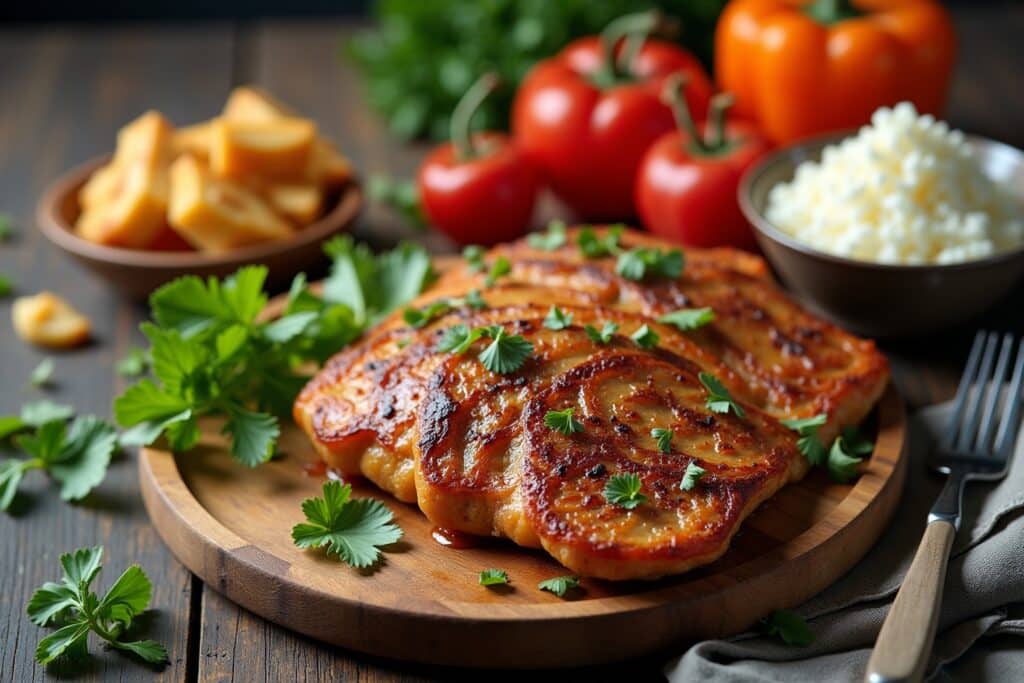
Seeking quick and delicious ketogenic meals to simplify your low-carb journey? Mastering the ketogenic diet doesn’t have to mean hours in the kitchen; you can achieve your health goals with flavorful, easy-to-prepare recipes that satisfy your cravings. Discover 14 simple keto recipes designed for busy individuals who want to embrace a high-fat, low-carbohydrate lifestyle without sacrificing taste or convenience.
These are the most popular Keto Recipes products
Keine Produkte gefunden.The Core Principles of Easy Keto Meal Preparation
The ketogenic diet focuses on drastically reducing carbohydrate intake and replacing it with fat, shifting your body into a state of ketosis where it burns fat for energy. For busy individuals, the key to sustainable keto eating lies in efficient meal planning and preparation. This means identifying recipes that require minimal ingredients, quick cooking times, and can often be made in advance. The goal is to create a repertoire of go-to dishes that are both nutritionally sound and enjoyable, making adherence to the diet effortless.
14 Easy Keto Diet Recipes to Simplify Your Week
Here, you’ll find a curated selection of 14 easy keto recipes that cover breakfast, lunch, and dinner, ensuring you have delicious options for every meal. These recipes prioritize whole, unprocessed ingredients and are designed to be accessible even for novice cooks. By incorporating these dishes into your routine, you’ll experience the benefits of keto without the culinary stress.
1. Creamy Garlic Butter Chicken
This one-pan wonder is a weeknight savior. Tender chicken breasts or thighs are pan-seared and then simmered in a rich, creamy garlic butter sauce. It’s typically served with a side of steamed broccoli or cauliflower rice for a complete low-carb meal. The richness comes from heavy cream and butter, making it incredibly satisfying.
2. Speedy Salmon with Asparagus
Salmon is a keto staple due to its high omega-3 fatty acid content and protein. This recipe involves baking salmon fillets alongside asparagus spears, often seasoned with lemon, garlic, and olive oil. It’s incredibly quick to prepare and requires minimal cleanup.
3. Avocado and Egg Bake
A perfect keto breakfast or light lunch, this recipe involves cracking an egg into the hollow of an avocado half and baking until the egg is cooked to your liking. You can add cheese, bacon bits, or a sprinkle of chili flakes for extra flavor.
4. Ground Beef Stir-Fry with Low-Carb Vegetables
Utilize ground beef for a fast and versatile meal. Sauté ground beef with your favorite low-carb vegetables like bell peppers, onions, zucchini, and mushrooms. Season with soy sauce (or tamari for a gluten-free option), ginger, and garlic. Serve as is or over cauliflower rice.
5. Zucchini Noodles with Pesto and Shrimp
Swap traditional pasta for spiralized zucchini noodles (zoodles). Toss them with pre-made or homemade pesto and quickly sautéed shrimp. This dish is incredibly light, refreshing, and packed with flavor. Ensure your pesto is made with quality ingredients and no added sugars.
6. Keto Chicken Salad Lettuce Wraps
A fantastic make-ahead option. Cooked chicken breast is shredded and mixed with mayonnaise, celery, onion, and seasonings. Serve scoops of this creamy chicken salad in crisp lettuce cups. You can customize it with chopped pickles, avocado, or hard-boiled eggs.
7. Baked Pork Chops with Creamy Mushroom Sauce
Pork chops are an excellent source of protein and fat on the keto diet. Baking them ensures they stay moist. A simple pan sauce made with mushrooms, garlic, and heavy cream elevates this dish from everyday to exceptional. It’s a hearty and fulfilling meal.
8. Cauliflower Crust Pizza
While the crust takes a little more effort, a cauliflower crust pizza is a game-changer for keto dieters craving pizza. The crust is made from riced cauliflower, egg, and cheese, baked until golden. Top with your favorite keto-friendly pizza toppings like pepperoni, mushrooms, olives, and low-sugar marinara sauce.
9. Sirloin Steak with Garlic Butter
A perfectly cooked sirloin steak is a keto dream. Season generously with salt and pepper, then pan-sear or grill to your desired doneness. Top with a dollop of compound garlic butter (butter mixed with minced garlic, parsley, and a pinch of salt) for an extra burst of flavor. Pair with a simple green salad.
10. Sheet Pan Sausage and Peppers
This incredibly simple sheet pan meal involves roasting Italian sausage (choose a low-carb variety), bell peppers, and onions with olive oil and seasonings. It’s a hands-off dinner that delivers maximum flavor with minimal effort and cleanup.
11. Creamy Tomato Soup (Keto-Friendly)
Many store-bought tomato soups are loaded with sugar. This keto version uses canned tomatoes, heavy cream, chicken broth, and seasonings like basil and oregano. Blending it creates a smooth, velvety texture. Serve with a side of keto crackers or a grilled cheese made with low-carb bread.
12. Spinach and Feta Stuffed Chicken Breast
Butterfly chicken breasts and stuff them with a mixture of spinach, crumbled feta cheese, garlic, and a touch of cream cheese. Bake until the chicken is cooked through and the filling is bubbly. This is an elegant yet easy dish perfect for any occasion.
13. Bacon-Wrapped Asparagus
A simple yet incredibly satisfying side dish or appetizer. Wrap asparagus spears with strips of bacon and bake until the bacon is crispy and the asparagus is tender-crisp. A touch of maple extract can be added to the bacon before wrapping for a sweet and savory twist, but use sparingly to maintain keto macros.
14. Keto Chili
A hearty and comforting keto chili recipe typically uses ground beef, diced tomatoes, onions, bell peppers, and chili seasonings. To keep it low-carb, omit beans or use a small amount of black soybeans, which are lower in net carbs than other legumes. Simmering allows the flavors to meld beautifully.
Key Ingredients for Easy Keto Cooking
Building a pantry stocked with keto-friendly staples will make preparing these easy recipes even more streamlined. Consider these essential ingredients:
- Healthy Fats: Olive oil, coconut oil, avocado oil, butter, ghee, heavy cream, full-fat coconut milk.
- Protein Sources: Chicken (thighs and breasts), beef, pork, salmon, shrimp, eggs, bacon.
- Low-Carb Vegetables: Broccoli, cauliflower, spinach, kale, zucchini, bell peppers, mushrooms, asparagus, green beans, avocado.
- Flavor Enhancers: Garlic, onions, herbs (fresh and dried), spices, salt, pepper, lemon juice, apple cider vinegar, sugar-free hot sauce.
- Keto-Friendly Dairy: Cheese (cheddar, mozzarella, feta, cream cheese), sour cream.
- Nuts and Seeds: Almonds, walnuts, chia seeds, flaxseeds (in moderation).
Structuring Your Keto Meal Plan for Success
Implementing these recipes into a weekly plan can significantly reduce decision fatigue and ensure you stay on track. Consider batch cooking certain components like shredded chicken or hard-boiled eggs on the weekend. Portioning out meals and snacks can also help with adherence and prevent impulsive, high-carb choices. The versatility of these recipes allows for easy substitutions based on your preferences and what’s available.
Nutritional Breakdown and Macronutrient Considerations
The ketogenic diet is characterized by a macronutrient ratio typically around 70-75% fat, 20-25% protein, and 5-10% carbohydrates. When following these easy keto recipes, pay attention to the net carb count of each ingredient. Net carbs are calculated by subtracting fiber from total carbohydrates. Many vegetables, while healthy, do contain carbohydrates, so monitoring portion sizes is crucial. For example, while onions are used for flavor, they are higher in carbs than leafy greens, so use them judiciously. Similarly, some dairy products can contain small amounts of lactose, a sugar, so full-fat, lower-lactose options are generally preferred. Always adjust portion sizes to meet your individual macro targets, which may vary based on your activity level, metabolism, and specific keto goals.
Making Keto Sustainable with Variety
One of the biggest challenges in any diet is boredom. The beauty of these 14 easy keto recipes is their adaptability. Don’t be afraid to experiment with different spices and herbs to put your own spin on them. For instance, the garlic butter chicken can be infused with lemon zest and thyme for a Mediterranean twist, or with a pinch of chili powder for a bit of heat. The ground beef stir-fry is a perfect canvas for various Asian-inspired flavors like ginger, sesame oil, and a touch of keto-friendly sweetener. By rotating these recipes and making small, flavorful adjustments, you can ensure your keto journey remains exciting and enjoyable.
Tips for Busy Keto Dieters
Time is a precious commodity, and these tips can help you integrate keto meals seamlessly into a busy schedule:
- Meal Prep Sundays: Dedicate a few hours on the weekend to wash and chop vegetables, cook proteins, and prepare sauces.
- Utilize Your Freezer: Many keto meals can be frozen in individual portions for quick defrosting and reheating.
- Invest in Kitchen Gadgets: A slow cooker, instant pot, or air fryer can significantly reduce cooking time and effort.
- Keep it Simple: Don’t overcomplicate recipes. Focus on fresh, whole ingredients and straightforward cooking methods.
- Smart Shopping: Stock up on non-perishable keto staples and plan your grocery lists to avoid last-minute trips.
Keto-Friendly Baking Essentials
For those who enjoy baking or need keto-friendly alternatives to traditional baked goods, having the right ingredients is key. Almond flour and coconut flour are the cornerstones of keto baking, providing a low-carb base for everything from cookies to bread. Sugar substitutes like erythritol, stevia, or monk fruit are essential for sweetening without the carb load. Xanthan gum acts as a binder, mimicking the properties of gluten in traditional flours. With these staples, you can create satisfying keto treats that complement your savory meals.
Navigating Dining Out on Keto
Even with easy recipes at home, you’ll inevitably encounter situations where you need to eat out. Most restaurants can accommodate keto diners. Opt for grilled or roasted meats and fish, and ask for vegetables like steamed broccoli or a side salad (with oil and vinegar dressing) instead of starchy sides like potatoes or rice. Salads can be excellent keto options, but be mindful of sugary dressings and toppings like croutons or candied nuts. Clearly communicate your dietary needs to your server; most establishments are happy to make accommodations.
Hydration and Electrolytes on Keto
As your body adapts to burning fat for fuel, it can shed water and electrolytes. Staying well-hydrated is paramount. Drink plenty of water throughout the day. Furthermore, paying attention to electrolyte intake is crucial to prevent the “keto flu,” a common set of side effects during the initial adaptation phase. Sodium, potassium, and magnesium are key electrolytes. You can increase your intake through keto-friendly foods like avocados (potassium and magnesium), spinach (magnesium), and salting your food adequately (sodium). Some people also find electrolyte supplements helpful, but always consult with a healthcare professional before starting any new supplement regimen.
Understanding Net Carbs for Keto Success
The concept of “net carbs” is fundamental to adhering to a ketogenic diet. Net carbs represent the carbohydrates in a food that your body can digest and convert into glucose, impacting your blood sugar and insulin levels. They are calculated by taking the total carbohydrate count and subtracting the amount of dietary fiber. Fiber, a type of carbohydrate, passes through the digestive system largely undigested and therefore does not significantly affect blood sugar. For example, if a serving of spinach has 7 grams of total carbohydrates and 3 grams of fiber, its net carb count is 4 grams. Most keto diets aim for a net carb intake of 20-50 grams per day, depending on individual tolerance and goals. By focusing on net carbs, you can enjoy a wider variety of vegetables and other healthy foods while staying within your dietary parameters.
The Importance of Healthy Fats in the Keto Diet
Fats are not the enemy on a ketogenic diet; they are the primary energy source. The emphasis is on healthy, unsaturated fats and moderate amounts of saturated fats from quality sources. These fats help you feel full and satisfied, reducing cravings and supporting satiety. Examples include monounsaturated fats found in olive oil, avocados, and nuts, and polyunsaturated fats like omega-3 fatty acids from fatty fish such as salmon. Saturated fats from sources like coconut oil and grass-fed butter are also included in moderation. Prioritizing these healthy fat sources ensures your body receives the energy it needs to function optimally while supporting overall health markers.
Troubleshooting Common Keto Challenges
Even with easy recipes, you might encounter challenges. If you’re not losing weight, re-evaluate your carb intake and portion sizes, as hidden carbs can be a culprit. If you experience fatigue or headaches, consider your electrolyte balance and ensure adequate hydration. If cravings become overwhelming, focus on incorporating more healthy fats and protein into your meals, or explore keto-friendly sweet treats in moderation. Persistence and listening to your body are key to overcoming these hurdles.
The Role of Protein on the Keto Diet
While fat is the primary energy source, protein plays a vital role in maintaining muscle mass, supporting hormone production, and contributing to satiety. On a ketogenic diet, protein intake is typically moderate, aiming for about 20-25% of daily calories. Consuming too much protein can lead to gluconeogenesis, a process where the body converts excess protein into glucose, potentially hindering ketosis. Therefore, focusing on adequate protein intake from sources like lean meats, poultry, fish, and eggs, rather than excessive amounts, is important for optimizing keto results.
These are the latest Keto Recipes products with the best ratings.
Keine Produkte gefunden.FAQ – Frequently Asked Questions About 14 Easy Keto Diet Recipes
What are net carbs and why are they important for keto?
Net carbs are the total carbohydrates in a food minus its fiber content. They are crucial for the ketogenic diet because only net carbs significantly impact blood sugar levels and thus the body’s ability to enter or maintain ketosis. The goal is to keep net carb intake low, typically between 20-50 grams per day.
Can I prepare these keto recipes in advance?
Absolutely. Many of these recipes are excellent for meal prepping. For example, the chicken salad, chili, and ground beef stir-fry can be made in larger batches and stored in the refrigerator for several days, or frozen for longer storage. Cooking proteins like chicken breasts or ground beef ahead of time also streamlines weeknight cooking.
Are there any common pitfalls to avoid when making keto meals?
A common pitfall is not accurately tracking carb counts, as many ingredients contain hidden sugars or starches. Another is neglecting to consume enough healthy fats, which can lead to feelings of deprivation and make it harder to stick to the diet. Ensuring adequate electrolyte intake is also vital to prevent the keto flu. Finally, relying too heavily on processed keto products can hinder progress and be less satisfying than whole foods.
What are the best vegetables to include in easy keto recipes?
Leafy greens like spinach, kale, and romaine lettuce are excellent low-carb options. Cruciferous vegetables such as broccoli, cauliflower, Brussels sprouts, and cabbage are also highly recommended due to their fiber content and nutrient density. Other good choices include asparagus, zucchini, bell peppers (in moderation), mushrooms, and green beans. Avocado is also a fantastic keto vegetable, providing healthy fats and fiber.
How can I make these recipes more flavorful without adding carbs?
Flavor can be enhanced through the strategic use of herbs, spices, garlic, onions, and healthy fats. Fresh herbs like basil, cilantro, and parsley add vibrant taste. Spices like cumin, paprika, chili powder, and curry powder can transform a dish. Garlic and onion provide a savory base. Using good quality olive oil, butter, or coconut oil to cook and finish dishes also adds richness and depth of flavor. Don’t underestimate the power of salt and pepper to bring out the natural flavors of your ingredients.
Is it difficult to get enough protein on a keto diet?
It is generally not difficult to get enough protein on a keto diet, as many protein sources are also rich in fats, which are encouraged. The key is moderation to avoid converting excess protein into glucose. Focusing on sources like fatty cuts of meat, fish, eggs, and poultry, along with moderate portions of cheese, will help you meet your protein needs while staying within your carbohydrate goals.
What if I don’t like certain ingredients in these recipes?
The beauty of cooking from scratch with easy recipes is the ability to customize them to your liking. If you dislike a particular vegetable, substitute it with another keto-friendly option. For example, if you’re not a fan of broccoli, try cauliflower or green beans. Similarly, if you prefer a different type of protein, feel free to swap chicken for pork or fish in many recipes, ensuring the cooking methods remain appropriate. Experimentation is encouraged!


