
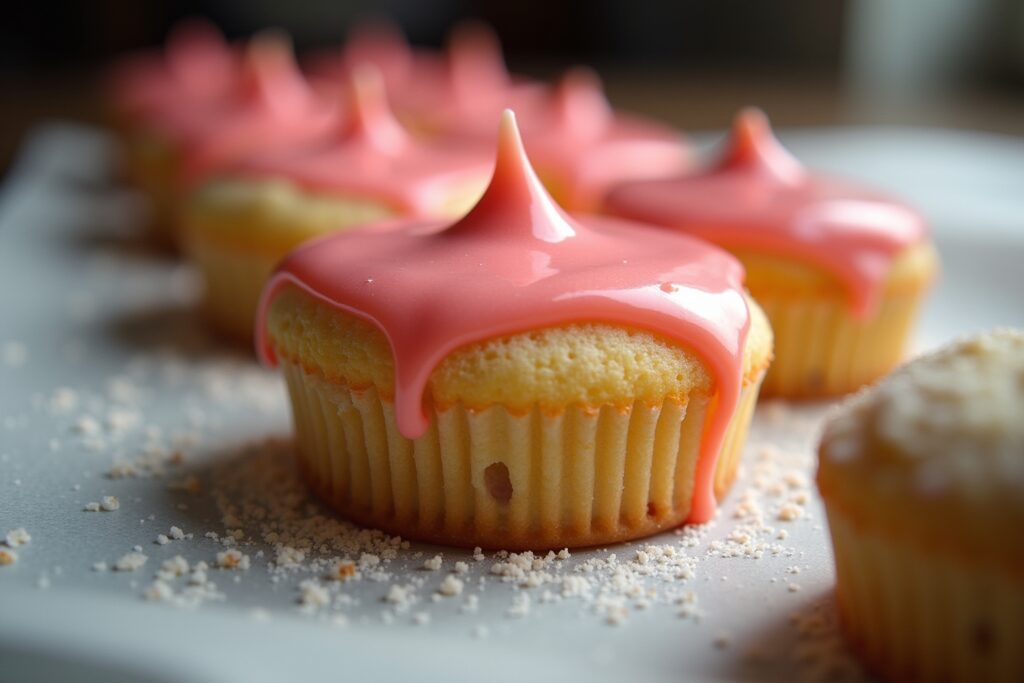
Elevate your baked creations from ordinary to extraordinary with a masterful understanding of icing recipes. Whether you’re a seasoned baker aiming for show-stopping desserts or a beginner looking to add a touch of sweetness and flair, mastering the art of icing is your key to unlocking a world of culinary possibilities.
These are the most popular Icing book products
Keine Produkte gefunden.The Art and Science of Icing: Transforming Cakes and Cookies
Icing, also known as frosting, is far more than just a sweet topping; it’s a crucial element that enhances both the visual appeal and the flavor profile of your baked goods. The right icing can transform a simple cake into a centerpiece, a batch of cookies into delicate works of art, or even a plain cupcake into a delightful indulgence. Understanding the diverse world of icings—from the classic buttercream to sophisticated ganaches and airy meringues—empowers you to choose the perfect complement for any dessert.
Why Mastering Icing Techniques Matters
Your skill in preparing and applying icing directly impacts the final presentation and taste. A well-executed icing not only looks professional but also contributes a desirable texture and sweetness that balances the cake or cookie itself. Incorrect consistency can lead to runny messes or dry, crumbly finishes, while the right technique ensures a smooth, even coat or intricate decorative patterns. Furthermore, exploring different icing flavors and types allows for endless customization, catering to diverse palates and occasions. It’s about creating an experience, not just a dessert.
Essential Icing Types and Their Applications
The vast spectrum of icing recipes offers a unique character to every baked good. Each type brings its own texture, flavor intensity, and application suitability.
-
Buttercream Frosting: The quintessential icing, known for its rich, creamy texture and versatility. It forms the foundation for countless cake decorations and is a favorite for its straightforward preparation and delightful sweetness.
- American Buttercream: Typically made with butter, powdered sugar, and a liquid (like milk or cream), it’s sweet and easy to whip up. Ideal for swirls, rosettes, and general frosting.
- Swiss Meringue Buttercream: This involves heating egg whites and sugar over a double boiler before whipping them into a meringue and then incorporating butter. It results in a silky, stable, and less sweet icing, perfect for delicate piping and smooth finishes.
- Italian Meringue Buttercream: Similar to Swiss, but uses a hot sugar syrup poured into whipped egg whites. It’s known for its exceptionally smooth texture and stability, making it excellent for warm climates and intricate designs.
- Cream Cheese Frosting: A tangy and rich alternative to buttercream, often paired with spice cakes, red velvet, and carrot cakes. The cream cheese provides a distinctive flavor profile that cuts through sweetness beautifully.
-
Ganache: A luxurious blend of chocolate and heavy cream. Its consistency can be manipulated by adjusting the ratio of chocolate to cream, making it suitable for glazes, fillings, and even truffles.
- Dark Chocolate Ganache: Rich and intense, perfect for mirror glazes or a decadent filling.
- Milk Chocolate Ganache: Sweeter and creamier, great for frosting cupcakes or as a topping for brownies.
- White Chocolate Ganache: Offers a milder, sweeter flavor and a beautiful pale color, ideal for delicate decorations.
- Royal Icing: A hard-setting icing made from egg whites (or meringue powder) and powdered sugar. It dries to a smooth, brittle finish, making it the go-to choice for intricate cookie decorating, piping fine details, and creating edible structures.
- Fondant: A pliable sugar paste that creates a perfectly smooth, matte finish on cakes. While often bought pre-made, it can be homemade. It’s ideal for fondant-covered cakes and creating sculpted decorations.
- Glazes: Thinner than frostings, glazes are typically made with powdered sugar and a liquid (like milk, lemon juice, or water) and are poured over baked goods to create a shiny, delicate coating.
Key Ingredients and Their Roles in Icing
The magic of a perfect icing lies in the quality and interaction of its core ingredients. Understanding their functions is crucial for achieving the desired texture, flavor, and stability.
Understanding Ingredient Interactions
Each component plays a vital role. For instance, the fat content in butter or cream contributes to richness and mouthfeel, while sugar provides sweetness and structure. Eggs, whether whole, whites, or yolks, can add richness, act as binders, or create airy textures through whipping. The choice of liquid—milk, cream, water, or fruit juice—influences consistency and flavor. Leavening agents, though less common in traditional icings, can be used in specific recipes for added lightness. Acidic ingredients like lemon juice or cream cheese not only add flavor but also affect the emulsification and stability of the icing.
Common Ingredients and Their Impact:
Here’s a breakdown of frequently used ingredients and what they bring to your icing:
| Ingredient | Primary Function | Impact on Texture/Flavor | Best For |
|---|---|---|---|
| Butter | Fat source, flavor, structure | Creamy, rich, provides stability | Buttercreams, frosting |
| Powdered Sugar (Confectioners’ Sugar) | Sweetness, structure, texture | Smooth, fine texture; sweetens and thickens | Most icings, glazes, royal icing |
| Heavy Cream | Fat source, liquid, richness | Creamy, smooth; can be whipped for volume | Ganache, whipped cream frosting, sometimes buttercreams |
| Eggs (Whites/Yolks) | Emulsification, binding, aeration | Whites: lightness, stability (meringues). Yolks: richness. | Meringue-based buttercreams, royal icing, ganache |
| Cream Cheese | Tang, richness, moisture | Tangy, dense, moist texture | Cream cheese frosting |
| Chocolate | Flavor, color, texture | Rich chocolate flavor, can thicken when cooled | Ganache, chocolate buttercreams |
| Corn Syrup/Glucose Syrup | Prevents crystallization, adds gloss and pliability | Smooth, shiny finish; softer texture | Fondant, some glazes, modeling chocolate |
| Vanilla Extract | Flavor enhancer | Adds warmth and depth to sweetness | Almost all icings |
| Lemon Juice/Zest | Acidity, flavor | Brightens flavors, cuts sweetness; can affect stability | Glazes, cream cheese frosting, specific buttercreams |
Tips for Achieving Perfect Icing Consistency
The texture of your icing is paramount to its success. Too stiff, and it’s difficult to spread; too thin, and it slides off. Achieving the right consistency requires attention to detail and sometimes a bit of troubleshooting.
Troubleshooting Common Consistency Issues
Don’t be discouraged by an icing that isn’t quite right. Most consistency problems are easily fixed:
- Too Thick: Gradually add more liquid, a teaspoon at a time, beating well after each addition, until the desired consistency is reached. Be cautious not to add too much at once.
- Too Thin: Gradually add more of the thickening agent. For buttercreams, this is usually powdered sugar. For ganache, you might need to gently warm and stir in more chocolate or chill it further. For meringue-based icings, more meringue or stabilizer might be needed.
- Separated Icing (Greasy or Watery): This often happens with buttercreams. Gently re-emulsify by warming the bowl slightly over a double boiler or placing it in the refrigerator for a short time, then beating again. For a separated meringue-based buttercream, it may need to be re-whipped vigorously.
- Grainy Texture: This usually indicates undissolved sugar. Continue beating the icing, especially if it’s a meringue-based one that has cooled, or try sifting in a little more powdered sugar to absorb excess moisture.
Decorative Techniques for Stunning Visuals
Once you have the perfect icing consistency, the fun of decoration begins. From simple elegance to elaborate artistry, techniques abound to make your baked goods unforgettable.
Exploring Various Decorative Methods
- Piping: Using piping bags and various tips allows for precise application of lines, dots, swirls, borders, rosettes, and lettering. Different tips create vastly different effects, from delicate lace patterns to bold floral designs.
- Spreading and Smoothing: For a clean, modern look, an offset spatula is your best friend. Achieve a mirror-smooth finish by gently spreading the icing and then using a bench scraper or the spatula to smooth the sides and top.
- Dripping and Drizzling: A controlled drip effect, often achieved with ganache or a thin glaze, adds a dramatic and contemporary flair to cakes.
- Creating Textures: Use the back of a spoon, a fork, or specialized texture combs to create patterns and depth on the surface of your icing.
- Edible Flowers and Sprinkles: Simple yet effective, these additions can instantly elevate a cake or cookies, adding color and a touch of whimsy.
- Fondant Sculpting: For three-dimensional elements, fondant can be sculpted, cut, and shaped into figures, flowers, or intricate patterns.
Flavor Pairings: Complementing Your Base
The ideal icing doesn’t just look good; it tastes harmonious with the baked item it adorns. Thoughtful flavor pairings can elevate the entire dessert experience.
Strategic Flavor Combinations
Consider the inherent flavors of your cake, cupcakes, or cookies. A rich chocolate cake might benefit from a bright, tangy cream cheese frosting or a sophisticated dark chocolate ganache. A delicate vanilla bean cake could be enhanced by a light raspberry buttercream or a subtle lemon glaze. Spice cakes often call for the richness of cream cheese frosting, while red velvet is almost incomplete without it. Don’t be afraid to experiment with extracts, zests, spices, and even savory elements like a pinch of salt to balance sweetness.
Icing Recipes: Süße Ideen für die Backkunst. – A Summary Overview
Here’s a quick look at the diverse landscape of icing recipes and their typical characteristics:
| Icing Category | Key Ingredients | Texture Profile | Flavor Notes | Primary Use Cases |
|---|---|---|---|---|
| Buttercream (Classic American) | Butter, Powdered Sugar, Milk/Cream | Creamy, fluffy, smooth | Sweet, buttery | General cake frosting, piping, swirls |
| Meringue Buttercream (Swiss/Italian) | Egg Whites, Sugar, Butter | Silky, smooth, stable | Less sweet, delicate, rich | Piping, smooth finishes, cupcakes |
| Cream Cheese Frosting | Cream Cheese, Butter, Powdered Sugar | Dense, creamy, slightly tangy | Tangy, rich, sweet | Red velvet, carrot cake, spice cake |
| Ganache | Chocolate, Heavy Cream | Glossy, smooth (glaze); firm (when cooled) | Intense chocolate flavor | Mirror glazes, fillings, frosting |
| Royal Icing | Egg Whites/Meringue Powder, Powdered Sugar | Hard-setting, smooth, brittle | Very sweet, neutral | Cookie decorating, fine piping, edible structures |
| Fondant | Sugar, Water, Gelatin/Glycerin | Smooth, matte, pliable | Very sweet, neutral | Covering cakes, sculpted decorations |
These are the latest Icing book products with the best ratings.
Keine Produkte gefunden.FAQ – Frequently Asked Questions about Icing Recipes: Süße Ideen für die Backkunst.
Can I make buttercream icing ahead of time?
Yes, most buttercreams can be made ahead of time. American and meringue-based buttercreams can be stored in an airtight container in the refrigerator for up to a week. Before using, let it come to room temperature and re-whip it until smooth and creamy. If it seems too stiff, add a tablespoon of milk or cream at a time until it reaches the desired consistency.
What is the best icing for decorating cookies?
Royal icing is generally considered the best icing for decorating cookies because it dries hard and smooth, allowing for intricate designs, lettering, and flooding. Fondant can also be used for a very smooth finish, but it doesn’t hold fine details as well as royal icing.
How do I prevent my ganache from being too hard or too soft?
The key to ganache consistency is the ratio of chocolate to cream. For a pourable glaze, use a higher cream-to-chocolate ratio (e.g., 1:1 by weight for dark chocolate). For a firmer ganache that can be whipped into a frosting, use more chocolate than cream (e.g., 2:1 or 3:1 for dark chocolate). Allowing the ganache to cool to the correct temperature is also crucial; for whipping, it should be at room temperature and slightly thickened.
Is it safe to use raw eggs in buttercream icing?
Traditional American buttercream often uses raw egg yolks for richness, and some recipes may use raw egg whites. However, there is a risk of salmonella contamination. To mitigate this risk, you can use pasteurized eggs or opt for meringue-based buttercreams (like Swiss or Italian meringue) which involve cooking the egg whites with sugar, making them safe to consume.
How can I make my icing taste better?
Enhance your icing flavor by using high-quality ingredients. Incorporate pure vanilla extract, almond extract, or other flavorings like citrus zest, coffee, or liqueur. A pinch of salt can surprisingly balance sweetness and enhance other flavors. For chocolate icings, using good quality chocolate makes a significant difference. You can also experiment with infusions, like steeping coffee beans or herbs in your cream before using it.
What is the difference between icing and frosting?
The terms “icing” and “frosting” are often used interchangeably, but there’s a subtle distinction. Icing is typically thinner, glossier, and meant to be drizzled or poured, often setting to a harder finish (like glazes or royal icing). Frosting is generally thicker, fluffier, and creamier, designed for spreading and piping (like buttercream or cream cheese frosting). However, many recipes blur these lines, and the context often dictates the preferred term.
How do I store leftover iced cakes or cookies?
Store unfrosted or fondant-covered cakes at room temperature in an airtight container for a few days. Cakes with buttercream or cream cheese frosting are best stored in the refrigerator in an airtight container to prevent spoilage and drying out. Allow them to come to room temperature for about 30 minutes before serving for optimal flavor and texture. Cookies decorated with royal icing can generally be stored at room temperature in an airtight container for up to two weeks.


