
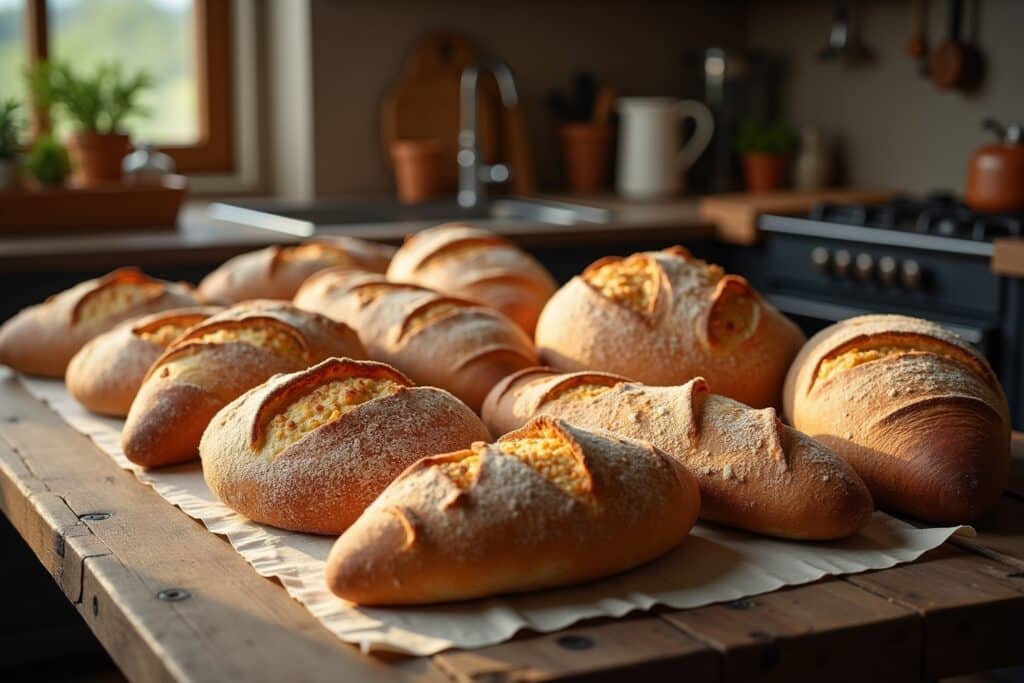
Unlocking the secrets to consistently delicious homemade bread is a rewarding culinary journey that elevates your kitchen to a baker’s haven. You’re seeking to master a variety of doughs and techniques, moving beyond basic loaves to explore the rich tapestry of artisanal baking.
These are the most popular Bread recipes products
Keine Produkte gefunden.Mastering the Art of 14 Amazing Bread Recipes
Embarking on a bread-making adventure can seem daunting, but with a curated selection of recipes and a clear understanding of fundamental principles, you can achieve remarkable results. This guide delves into 14 incredible bread recipes, designed to expand your baking repertoire and impress even the most discerning palate. From the comforting simplicity of a no-knead artisan loaf to the complex flavors of a sourdough boule, each recipe offers a unique experience and learning opportunity. We will explore the nuances of fermentation, hydration levels, and the crucial role of high-quality ingredients, empowering you to bake with confidence and creativity. Prepare to transform your kitchen into a fragrant sanctuary with these exceptional bread creations.
Foundational Techniques for Baking Success
Before diving into specific recipes, understanding core bread-making techniques is paramount. These foundational skills will serve you well across all your baking endeavors, ensuring consistent quality and flavor.
- Understanding Flour: The type of flour you use significantly impacts the texture and structure of your bread. All-purpose flour is versatile, but bread flour, with its higher protein content, develops stronger gluten, leading to a chewier crumb. Whole wheat flour adds fiber and a nutty flavor, while specialty flours like rye or spelt offer unique characteristics.
- The Magic of Yeast: Yeast is a living organism responsible for leavening your bread. Active dry yeast needs to be activated in warm water, while instant yeast can be mixed directly with dry ingredients. Understanding the fermentation process – how yeast consumes sugars and produces carbon dioxide – is key to achieving a good rise.
- Kneading: Kneading develops gluten, the protein network that gives bread its structure and chewiness. Whether by hand or using a stand mixer, the goal is to work the dough until it’s smooth, elastic, and passes the windowpane test (where a small piece of dough can be stretched thin enough to see light through it without tearing).
- Proofing (Fermentation): This is the crucial rising period where yeast does its work. The dough expands, developing flavor and a lighter texture. Proper proofing temperature and time are critical; too short and your bread will be dense, too long and it can overproof, leading to a collapsed loaf.
- Shaping: How you shape your dough before the final bake affects the crust and crumb. Common shapes include boules (round), batards (oval), baguettes, and loaves for pans. Gentle handling is important to retain the air bubbles developed during proofing.
- Baking: Oven temperature, steam, and baking time are all vital for a perfectly baked loaf. A hot oven with initial steam helps the crust develop beautifully and allows the loaf to achieve maximum oven spring (the rapid rise that occurs in the first minutes of baking).
14 Amazing Bread Recipes to Inspire Your Baking
Here, we present a selection of 14 exceptional bread recipes that cater to a range of skill levels and flavor preferences. Each offers a unique taste of the bread-making world.
1. No-Knead Artisan Bread
This is the quintessential beginner’s loaf, renowned for its incredibly crisp crust and airy interior with minimal effort. The long, slow fermentation does the work for you.
2. Classic Sourdough Boule
Mastering sourdough requires patience and a nurtured starter, but the resulting tangy, chewy loaf is unparalleled. This recipe focuses on achieving that perfect, crackly crust and open crumb.
3. Whole Wheat Sandwich Bread
A healthier alternative to store-bought, this recipe yields a soft, moist whole wheat loaf perfect for everyday sandwiches. It balances the heartiness of whole wheat with a tender crumb.
4. Focaccia with Rosemary and Sea Salt
This Italian flatbread is a delightful canvas for simple, robust flavors. Its dimpled surface, infused with olive oil, rosemary, and flaky sea salt, bakes into a pillowy, slightly chewy delight.
5. Ciabatta Rolls
Known for its distinctive airy structure and open crumb, ciabatta requires a wet dough and gentle handling. These rolls are fantastic for sandwiches or dipping in olive oil.
6. Brioche
Rich with butter and eggs, brioche is a tender, slightly sweet bread that is incredibly versatile. It can be enjoyed on its own, as French toast, or used in dessert applications.
7. Baguettes
Achieving the perfect crusty exterior and light, airy interior of a classic baguette is a baker’s triumph. This recipe guides you through the shaping and baking techniques to replicate this French staple.
8. Rye Bread (Light or Dark)
Rye flour lends a distinct earthy flavor and denser texture to bread. This recipe allows for variations, from a lighter rye to a darker, more robust loaf, often incorporating caraway seeds.
9. Challah
This beautiful braided bread, traditionally made for Shabbat, is rich with eggs and oil, resulting in a soft, slightly sweet, and golden loaf with a wonderful texture.
10. Multigrain Bread
Packed with nutrients and texture, multigrain bread incorporates a variety of seeds and grains like oats, flaxseeds, sunflower seeds, and millet, creating a hearty and flavorful loaf.
11. Olive Bread
Studded with Kalamata or green olives and often infused with herbs like rosemary or thyme, this bread offers a savory, Mediterranean-inspired flavor profile that pairs wonderfully with cheese and dips.
12. Potato Bread
The addition of mashed potatoes to the dough creates an incredibly soft, moist, and tender crumb. This bread has a subtle sweetness and is a comforting staple.
13. Sweet Potato Swirl Bread
A visually appealing and delicious bread, this recipe involves a yeasted dough swirled with a spiced sweet potato filling, offering a touch of sweetness and warmth.
14. Irish Soda Bread
This quick bread relies on baking soda as its leavening agent, making it incredibly fast and easy to prepare. Traditionally made with buttermilk, it has a slightly crumbly texture and a distinct tangy flavor.
Key Ingredients and Their Roles
The quality and type of ingredients you choose can significantly impact the outcome of your bread. Understanding their function allows for informed substitutions and adjustments.
| Ingredient | Primary Role | Impact on Bread |
|---|---|---|
| Flour | Structure, Gluten Development | Determines texture, chewiness, and crumb. Bread flour is high in protein for strong gluten; all-purpose is versatile; whole wheat adds fiber and flavor. |
| Yeast (Active Dry, Instant, Sourdough Starter) | Leavening, Flavor | Causes dough to rise by producing carbon dioxide. Sourdough starter also imparts a characteristic tangy flavor due to wild yeast and bacteria. |
| Water/Liquid | Hydration, Gluten Activation | Essential for gluten development and activating yeast. Hydration level affects dough consistency and final crumb structure. |
| Salt | Flavor, Dough Control | Enhances flavor, controls yeast activity, and strengthens gluten structure. |
| Sugar/Sweeteners | Yeast Food, Flavor, Browning | Provides food for yeast to speed up fermentation. Adds sweetness and aids in crust browning. |
| Fat (Butter, Oil) | Tenderness, Moisture, Flavor | Shortens gluten strands, resulting in a softer crumb. Adds richness, moisture, and flavor. |
| Eggs | Richness, Color, Structure | Add richness, color, and contribute to a tender, cake-like crumb, especially in enriched doughs like brioche and challah. |
Troubleshooting Common Baking Issues
Even experienced bakers encounter challenges. Here are solutions to common bread-making problems:
- Dense Loaf: Often caused by insufficient proofing, inactive yeast, too much salt, or over-mixing. Ensure your yeast is fresh, your proofing environment is warm enough, and you’re not over-handling the dough.
- Flat Loaf: This can result from overproofing (the gluten structure collapses), not enough gluten development, or too much liquid. Be mindful of proofing times and ensure you’ve kneaded sufficiently.
- Tough Crust: This might be due to underbaking, or insufficient steam during the initial baking phase. Ensure your oven is hot and consider using a Dutch oven or steam pan.
- Gummy Interior: Usually indicates the bread was cut too soon after baking or was underbaked. Allow bread to cool completely on a wire rack before slicing.
- Poor Oven Spring: This can be due to a weak starter, insufficient proofing, or a cold oven. Ensure your dough has had adequate time to rise and that your oven is fully preheated.
Tips for Achieving the Perfect Crust
The crust is often the most celebrated part of a homemade loaf. Here’s how to achieve that ideal crunch:
- High Initial Heat: Start baking in a very hot oven (often 450-500°F or 230-260°C).
- Steam is Key: The initial blast of steam keeps the crust moist, allowing the bread to expand fully (oven spring) before the crust sets. You can achieve this by:
- Baking in a preheated Dutch oven.
- Placing a pan of hot water on the oven rack below your bread for the first 15-20 minutes of baking.
- Spritzing the oven walls with water (use caution with this method).
- Proper Cooling: Once baked, remove the bread from the oven and place it on a wire rack. This allows air to circulate, preventing the bottom crust from becoming soggy.
- Scoring the Dough: Making shallow cuts on the dough surface before baking (scoring) allows for controlled expansion and creates beautiful patterns.
These are the latest Bread recipes products with the best ratings.
Keine Produkte gefunden.These are the latest Bread recipes products with the best ratings.
Keine Produkte gefunden.FAQ – Frequently Asked Questions About 14 Amazing Bread Recipes
What is the most important factor for successful bread making?
The most crucial factors for successful bread making are understanding your ingredients, particularly the flour and yeast, and mastering the techniques of fermentation and proofing. Paying close attention to temperature, hydration, and timing will lead to consistently excellent results.
Can I use a bread machine for these recipes?
While some recipes, like the whole wheat sandwich bread, can be adapted for a bread machine, many of the artisanal loaves (sourdough, focaccia, baguettes) are best made by hand or with a stand mixer to allow for specific shaping and proofing techniques that are essential for their characteristic texture and crust.
How do I store homemade bread?
Homemade bread is best stored at room temperature in a bread box or a loosely tied paper bag to maintain its crust. Avoid plastic bags, which can make the crust soft and chewy. For longer storage, slice the bread and freeze it in an airtight container or freezer bag.
What is a sourdough starter and how do I maintain it?
A sourdough starter is a live culture of wild yeast and beneficial bacteria. It’s created by mixing flour and water and allowing it to ferment over several days. Maintenance involves regular “feedings” with fresh flour and water to keep the culture active and healthy. This process is essential for the unique flavor and leavening of sourdough bread.
Is it possible to make bread without yeast?
Yes, it is possible to make bread without yeast by using chemical leaveners like baking soda or baking powder. This results in quick breads, such as Irish Soda Bread or muffins, which are leavened rapidly without the need for fermentation time.
How can I tell if my bread is fully baked?
You can tell if bread is fully baked by checking its internal temperature with an instant-read thermometer; most loaves are done when they reach 190-210°F (88-99°C). Alternatively, when tapped on the bottom, a fully baked loaf will sound hollow.


