
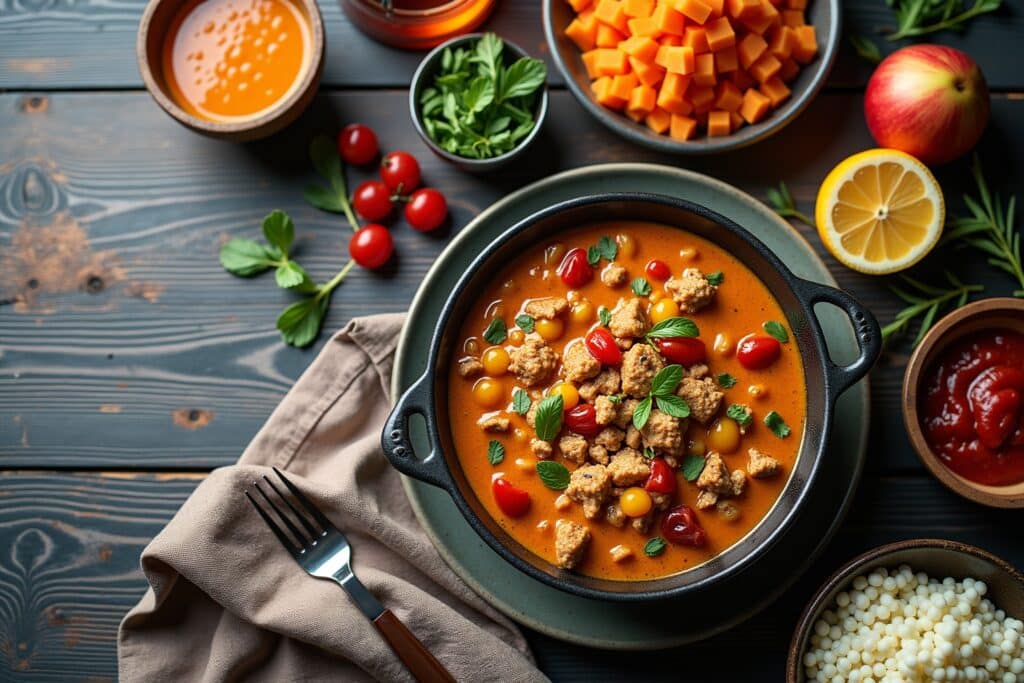
You’re seeking effective ways to combat inflammation through your diet, and discovering delicious recipes is key to making this lifestyle change sustainable. This guide presents 17 anti-inflammatory diet recipes, carefully selected to offer variety, flavor, and potent health benefits, empowering you to take control of your well-being.
These are the most popular Inflammatory Recipes products
Keine Produkte gefunden.Understanding the Anti-Inflammatory Diet
Inflammation is your body’s natural response to injury or infection, but chronic inflammation is linked to numerous serious health issues, including heart disease, diabetes, arthritis, and certain cancers. An anti-inflammatory diet focuses on whole, unprocessed foods rich in antioxidants, healthy fats, and essential nutrients while minimizing processed foods, refined sugars, and unhealthy fats that can promote inflammation.
By incorporating these types of foods, you can help your body fight off the harmful effects of chronic inflammation. This approach isn’t about strict restrictions but rather about making conscious, nourishing choices that support your body’s healing and protective mechanisms. You’ll find that an anti-inflammatory diet is not only beneficial for your health but also incredibly satisfying and flavorful.
The Pillars of an Anti-Inflammatory Diet
Before diving into the recipes, it’s helpful to understand the core components of an anti-inflammatory eating pattern. These are the building blocks that make each recipe effective:
- Fruits and Vegetables: Particularly berries, leafy greens (spinach, kale), broccoli, tomatoes, and citrus fruits. These are packed with antioxidants, vitamins, and minerals.
- Healthy Fats: Found in fatty fish (salmon, mackerel), avocados, nuts (walnuts, almonds), seeds (chia, flax), and olive oil. These fats, especially omega-3 fatty acids, have powerful anti-inflammatory properties.
- Whole Grains: Oats, quinoa, brown rice, and barley provide fiber and complex carbohydrates that help stabilize blood sugar and reduce inflammation.
- Lean Proteins: Fish, poultry, beans, and legumes offer essential amino acids without the inflammatory compounds often found in red and processed meats.
- Herbs and Spices: Turmeric, ginger, garlic, cinnamon, and rosemary are potent anti-inflammatory agents that add flavor and health benefits to your meals.
Key Anti-Inflammatory Ingredients to Embrace
When planning your meals, focus on integrating these powerhouse ingredients:
- Turmeric: Contains curcumin, a compound with potent anti-inflammatory and antioxidant effects.
- Ginger: Known for its ability to reduce inflammation and nausea.
- Fatty Fish (Salmon, Mackerel, Sardines): Rich in omega-3 fatty acids EPA and DHA.
- Berries (Blueberries, Strawberries, Raspberries): High in anthocyanins, antioxidants that fight inflammation.
- Leafy Greens (Spinach, Kale): Loaded with vitamins, minerals, and antioxidants.
- Olive Oil (Extra Virgin): Contains oleocanthal, which has anti-inflammatory properties similar to ibuprofen.
- Nuts and Seeds: Provide healthy fats, fiber, and antioxidants.
- Tomatoes: A good source of lycopene, an antioxidant.
- Broccoli: Contains sulforaphane, which has anti-inflammatory effects.
- Garlic: Possesses sulfur compounds that may help reduce inflammation.
17 Anti-Inflammatory Diet Recipes to Energize Your Plate
Here are 17 diverse and delicious recipes designed to help you embrace an anti-inflammatory lifestyle. You’ll find options for breakfast, lunch, dinner, and even snacks, making it easy to incorporate these benefits into your daily routine.
1. Salmon with Roasted Asparagus and Lemon
This simple yet elegant dish is a nutritional powerhouse. Salmon provides omega-3s, while asparagus offers vitamins and fiber. Roasting brings out the natural sweetness of the vegetables.
2. Quinoa Salad with Black Beans, Corn, and Avocado
A vibrant and filling salad that’s perfect for meal prep. Quinoa is a complete protein, black beans add fiber and antioxidants, and avocado contributes healthy monounsaturated fats.
3. Turmeric Ginger Lentil Soup
A comforting and warming soup that harnesses the potent anti-inflammatory benefits of turmeric and ginger. Lentils are an excellent source of plant-based protein and fiber.
4. Berry Spinach Smoothie
Start your day with a burst of antioxidants. This smoothie combines the anti-inflammatory power of berries with the nutrient density of spinach, made creamy with almond milk and a touch of chia seeds.
5. Baked Chicken with Broccoli and Sweet Potatoes
A balanced and satisfying meal. Chicken offers lean protein, broccoli is rich in sulforaphane, and sweet potatoes provide beta-carotene and fiber.
6. Mediterranean Chickpea Salad
This refreshing salad is packed with flavor and anti-inflammatory ingredients like chickpeas, cucumber, tomatoes, olives, and a lemon-herb vinaigrette.
7. Garlic Herb Roasted Chicken Breast
Simple to prepare and versatile. Marinate chicken breasts in olive oil, garlic, and herbs like rosemary and thyme for a flavorful, anti-inflammatory protein source.
8. Shrimp and Vegetable Stir-fry with Brown Rice
A quick and healthy weeknight meal. Load up on colorful vegetables like bell peppers, broccoli, and snap peas, and pair with lean shrimp and nutrient-dense brown rice.
9. Avocado Toast with Smoked Salmon and Capers
Elevate your breakfast or lunch. Whole-grain toast provides fiber, mashed avocado offers healthy fats, and smoked salmon adds omega-3s.
10. Green Goddess Salad with Grilled Chicken or Tofu
A vibrant salad featuring a creamy, herb-packed dressing made with avocado, Greek yogurt (or a plant-based alternative), and fresh herbs. Top with your protein of choice.
11. Baked Salmon with Asparagus and Cherry Tomatoes
Similar to recipe #1, this variation uses cherry tomatoes, which burst with flavor when roasted, complementing the salmon and asparagus beautifully.
12. Lentil Shepherd’s Pie with Sweet Potato Topping
A comforting vegetarian twist on a classic. A savory lentil filling is topped with a fluffy, nutrient-rich sweet potato mash.
13. Coconut Curry with Vegetables and Chickpeas
A flavorful and aromatic dish that utilizes the anti-inflammatory properties of turmeric and ginger, enhanced by coconut milk and a medley of vegetables.
14. Oatmeal with Berries, Nuts, and Seeds
A classic anti-inflammatory breakfast. Opt for steel-cut or rolled oats, and top with antioxidant-rich berries, crunchy walnuts or almonds, and omega-3-rich chia or flax seeds.
15. Grilled Mackerel with Lemon and Herbs
Mackerel is an excellent source of omega-3s, and grilling with lemon and fresh herbs enhances its flavor and health benefits.
16. Stuffed Bell Peppers with Quinoa and Vegetables
Bell peppers are rich in Vitamin C and antioxidants. Stuff them with a mixture of quinoa, black beans, corn, and your favorite anti-inflammatory vegetables for a complete meal.
17. Creamy Tomato Basil Soup with Whole Grain Bread
A comforting and classic pairing. This soup, made with nutrient-rich tomatoes and fresh basil, is best served with a slice of hearty whole-grain bread for dipping.
Recipe Categories for Easy Navigation
To help you quickly find what you’re looking for, here’s a breakdown of the recipes by their primary benefits and meal type:
| Category | Primary Anti-Inflammatory Benefit | Meal Type | Key Ingredients |
|---|---|---|---|
| Fish-Based Mains | Omega-3 Fatty Acids | Dinner | Salmon, Mackerel, Herbs, Lemon |
| Hearty Salads & Bowls | Antioxidants, Fiber, Healthy Fats | Lunch/Dinner | Quinoa, Beans, Avocado, Vegetables |
| Comforting Soups & Stews | Anti-inflammatory Spices, Fiber | Lunch/Dinner | Lentils, Turmeric, Ginger, Vegetables |
| Quick & Easy Meals | Lean Protein, Vitamins, Minerals | Lunch/Dinner | Chicken, Shrimp, Broccoli, Bell Peppers |
| Breakfast & Light Options | Antioxidants, Healthy Fats, Fiber | Breakfast/Snack | Berries, Oats, Avocado, Seeds |
Making the Anti-Inflammatory Diet a Lifestyle
Adopting an anti-inflammatory diet is more about consistent, mindful choices than temporary restriction. Focus on building meals around whole foods, experimenting with new flavors from herbs and spices, and listening to your body.
You’ll find that incorporating these recipes not only supports your health goals but also enhances your enjoyment of food. The vibrant colors, fresh ingredients, and satisfying textures of anti-inflammatory meals can transform your relationship with eating.
These are the latest Inflammatory Recipes products with the best ratings.
Keine Produkte gefunden.FAQ – Frequently Asked Questions About 17 Anti Inflammatory Diet Recipes
What are the main benefits of following an anti-inflammatory diet?
Following an anti-inflammatory diet can help reduce chronic inflammation in your body, which is linked to a lower risk of numerous chronic diseases such as heart disease, type 2 diabetes, arthritis, and certain cancers. It can also help improve energy levels, support a healthy immune system, and promote overall well-being.
How quickly can I expect to see results from an anti-inflammatory diet?
The timeline for experiencing benefits can vary greatly from person to person, depending on their current health status and the degree of inflammation. Some individuals may notice improvements in energy levels and reductions in minor aches and pains within a few weeks of consistent adherence. More significant health improvements related to chronic conditions may take several months of dedicated dietary changes.
Are there any foods I should strictly avoid on an anti-inflammatory diet?
Yes, it’s recommended to minimize or avoid foods that are known to promote inflammation. These typically include processed foods, refined sugars, sugary drinks, fried foods, excessive amounts of red and processed meats, and refined grains (like white bread and pasta). Limiting alcohol intake is also beneficial.
Can I adapt these recipes for specific dietary needs, such as vegetarian or gluten-free?
Absolutely. Many of these recipes are inherently adaptable. For vegetarian or vegan options, you can often substitute plant-based proteins like tofu, tempeh, or more legumes for meat or fish. For gluten-free needs, ensure you use certified gluten-free grains like quinoa or rice, and check the labels of any packaged ingredients.
How can I make an anti-inflammatory diet more affordable?
Focus on seasonal produce, which is often less expensive. Buying staples like beans, lentils, and whole grains in bulk can also save money. Frozen fruits and vegetables are a great budget-friendly alternative to fresh, and they retain most of their nutrients. Planning your meals and cooking at home more often will also help reduce food costs compared to eating out.
Is it possible to overdo it with anti-inflammatory foods?
While these foods are beneficial, moderation is still key. Excessive consumption of any food group, even healthy ones, can lead to an imbalance. The goal is a balanced diet rich in variety. For instance, while healthy fats are good, they are still calorie-dense, so portion control is important. Focus on whole, unprocessed foods as the foundation of your diet.


