
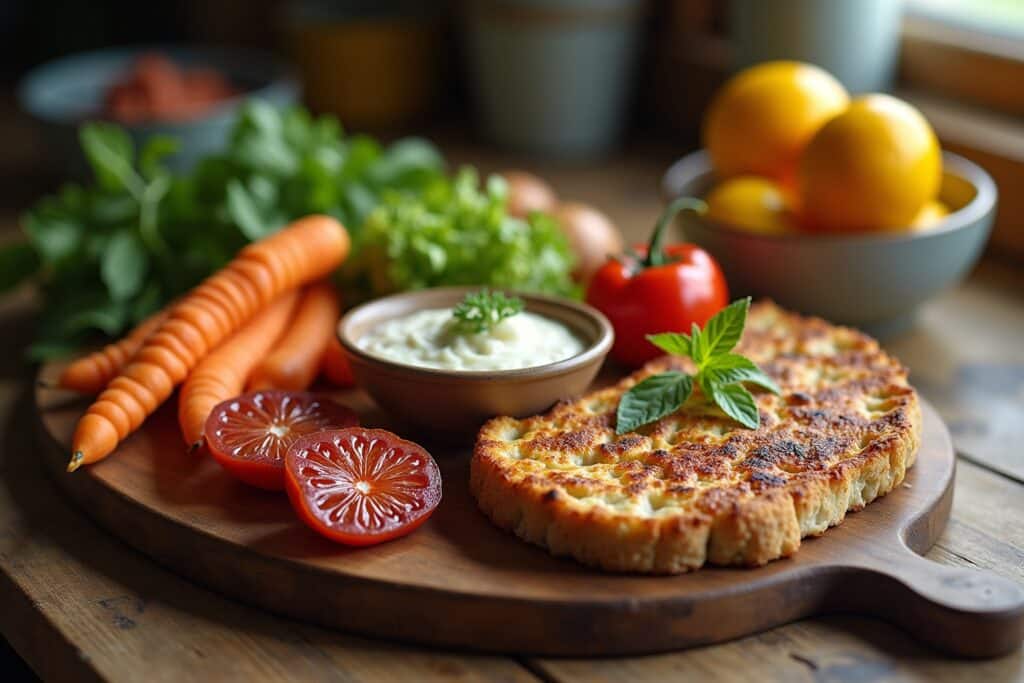
Navigating the world of delicious, gluten-free meals can feel overwhelming, but you’re seeking practical, flavorful recipes that simplify your dining experience. This guide unlocks 17 carefully selected gluten-free recipes designed to satisfy your palate and make meal preparation enjoyable, ensuring you can create satisfying dishes without compromising on taste or dietary needs.
These are the most popular Gluten Free Cookbook products
Keine Produkte gefunden.Mastering Gluten-Free Cooking for Every Occasion
Embracing a gluten-free lifestyle doesn’t mean sacrificing the joy of diverse and satisfying meals. The culinary landscape for gluten-free eaters has expanded dramatically, offering a wealth of ingredients and techniques that cater to a variety of tastes and dietary requirements. Whether you’re managing celiac disease, gluten sensitivity, or simply choosing a gluten-free path for health reasons, you can consistently produce restaurant-quality dishes in your own kitchen. The key lies in understanding ingredient substitutions, mastering flavor profiles, and selecting recipes that are inherently delicious and naturally gluten-free or easily adaptable.
This collection of 17 Gluten Free Recipes for Delicious Meals focuses on versatility, flavor, and ease of preparation. You’ll find options suitable for quick weeknight dinners, impressive weekend brunches, comforting side dishes, and even delightful desserts. Each recipe is chosen to showcase the vibrant possibilities of gluten-free cuisine, proving that dietary restrictions can be an opportunity for culinary creativity rather than a limitation.
Quick & Easy Weeknight Gluten-Free Dinners
Weeknights demand efficiency without compromising on nutrition or flavor. These recipes are designed for busy schedules, utilizing readily available ingredients and straightforward cooking methods.
- Lemon Herb Roasted Chicken with Root Vegetables: A classic one-pan meal where tender chicken breasts or thighs are roasted alongside an assortment of seasonal root vegetables like carrots, potatoes, and parsnips, all tossed in olive oil, lemon juice, and fresh herbs such as rosemary and thyme. The inherent flavor of the chicken and vegetables, enhanced by the citrus and herbs, creates a deeply satisfying and naturally gluten-free dish.
- Sheet Pan Salmon with Asparagus and Cherry Tomatoes: Another excellent one-pan wonder, this recipe features flaky salmon fillets baked with vibrant asparagus spears and sweet cherry tomatoes. A simple dressing of olive oil, garlic, lemon zest, and a pinch of red pepper flakes elevates the natural flavors of the seafood and vegetables.
- Spicy Black Bean Burgers on Gluten-Free Buns: Homemade black bean burgers are surprisingly simple to make and incredibly flavorful. Combining mashed black beans with gluten-free breadcrumbs (or rolled oats), finely chopped onions, bell peppers, spices like cumin and chili powder, and a binder like flax egg, these patties can be pan-fried or baked. Serve them on your favorite gluten-free buns with your preferred toppings.
- Chicken and Broccoli Stir-Fry with Coconut Aminos: A quick and healthy stir-fry that swaps traditional soy sauce for gluten-free coconut aminos. Cubes of chicken breast or thigh are stir-fried with fresh broccoli florets, bell peppers, and a savory sauce made from coconut aminos, ginger, garlic, and a touch of honey or maple syrup. Serve over steamed rice or quinoa for a complete meal.
- Shrimp Scampi with Zucchini Noodles: A light yet indulgent dish that replaces traditional pasta with spiralized zucchini noodles. Plump shrimp are sautéed with garlic, white wine (optional), lemon juice, and butter or olive oil, then tossed with the zucchini noodles until just tender. Fresh parsley adds a burst of color and freshness.
Hearty and Comforting Gluten-Free Meals
When you crave warmth and satisfaction, these recipes deliver robust flavors and comforting textures, all while remaining strictly gluten-free.
- Shepherd’s Pie with Sweet Potato Topping: A beloved classic reimagined. The savory filling typically made with ground lamb or beef, mixed vegetables (peas, carrots, corn), and a rich gravy is topped not with traditional mashed potatoes, but with a creamy, slightly sweet mashed sweet potato topping. This variation adds a delightful sweetness and extra nutrients.
- Creamy Tomato Soup with Grilled Cheese (Gluten-Free): Elevate your comfort food experience. A rich, creamy tomato soup made from scratch using ripe tomatoes, vegetable broth, garlic, and a touch of heavy cream or coconut milk is the perfect accompaniment to a perfectly grilled cheese sandwich made with your favorite gluten-free bread and cheese.
- Beef Stew with Root Vegetables: A slow-cooked, deeply flavorful stew packed with tender chunks of beef, hearty root vegetables like potatoes, carrots, and parsnips, and a rich, savory broth flavored with herbs and sometimes a splash of red wine. This is a perfect make-ahead meal that tastes even better the next day.
- Chicken Pot Pie with Gluten-Free Biscuit Topping: A comforting casserole featuring tender pieces of chicken and a medley of vegetables (peas, carrots, potatoes, celery) in a creamy, savory sauce, all baked under a golden-brown, flaky gluten-free biscuit topping.
Flavorful Gluten-Free Lunches and Light Bites
These recipes are perfect for satisfying lunches, light dinners, or even as impressive appetizers.
- Quinoa Salad with Black Beans, Corn, and Avocado: A vibrant and filling salad that’s packed with protein and healthy fats. Fluffy quinoa serves as the base, tossed with black beans, sweet corn kernels, diced avocado, red onion, cilantro, and a zesty lime dressing.
- Tuna Salad Stuffed Avocados: A simple yet elegant way to enjoy tuna salad. Creamy tuna salad, made with mayonnaise or Greek yogurt, celery, and seasonings, is scooped into halved avocados, creating a beautiful and nutritious meal that requires no cooking.
- Caprese Skewers with Balsamic Glaze: Fresh mozzarella balls, cherry tomatoes, and basil leaves threaded onto skewers, drizzled with a sweet and tangy balsamic glaze. These are incredibly easy to assemble and always a crowd-pleaser for gatherings or a light snack.
- Baked Sweet Potato Fries with Chipotle Aioli: Crispy on the outside and tender on the inside, baked sweet potato fries are a healthier alternative to traditional fried potatoes. Seasoned with paprika, garlic powder, and salt, they are best served with a smoky and slightly spicy chipotle aioli made from mayonnaise and chipotle peppers in adobo sauce.
Sweet Indulgences: Gluten-Free Desserts
You don’t have to miss out on dessert when you’re eating gluten-free. These sweet treats are sure to satisfy your cravings.
- Flourless Chocolate Cake: A rich, decadent, and intensely chocolatey cake that relies on eggs, sugar, and good quality chocolate for its structure and flavor. It has a dense, fudgy texture that is incredibly satisfying.
- Gluten-Free Apple Crumble: Warm, tender baked apples seasoned with cinnamon and nutmeg, topped with a sweet and crunchy crumble made from gluten-free flour blend, oats (certified gluten-free), butter, and sugar. Serve warm with a scoop of vanilla ice cream.
- Berry Chia Seed Pudding: A healthy and refreshing dessert or breakfast option. Chia seeds are soaked in milk (dairy or non-dairy like almond or coconut milk) until they form a pudding-like consistency, then layered with fresh or frozen berries for a burst of flavor and antioxidants.
Gluten-Free Meal Planning and Ingredient Swaps
Successful gluten-free cooking hinges on smart ingredient choices and a bit of planning. When recipes call for ingredients that contain gluten, look for certified gluten-free alternatives. This includes breads, pastas, oats, crackers, and baked goods. Many brands now offer excellent gluten-free versions made from rice flour, almond flour, coconut flour, tapioca starch, and potato starch. For thickening sauces and gravies, cornstarch, arrowroot powder, or tapioca starch are excellent gluten-free options. When baking, experiment with different gluten-free flour blends to find your preferred texture and flavor profiles.
Embracing a gluten-free diet doesn’t mean you have to laboriously re-create every traditionally gluten-containing dish. Many cuisines naturally feature a wealth of gluten-free recipes. Think about dishes based on rice, corn, potatoes, beans, and lean proteins. Exploring recipes from various cultural backgrounds can open up a new world of delicious and naturally gluten-free possibilities.
Key Gluten-Free Ingredients and Their Roles
Understanding the role of various gluten-free flours and starches is crucial for successful baking and cooking. Here’s a quick overview:
- Almond Flour: Adds moisture, richness, and a slightly nutty flavor. Great for cakes, cookies, and pie crusts.
- Coconut Flour: Highly absorbent, requires more liquid. Offers a subtly sweet, tropical flavor. Ideal for baked goods and pancakes.
- Rice Flour (White and Brown): A staple in many gluten-free blends, providing structure. Brown rice flour adds a slightly nuttier flavor and more fiber.
- Tapioca Starch/Flour: Used for thickening sauces and gravies, and adds chewiness to baked goods.
- Potato Starch: Another excellent thickener and contributes to a lighter texture in baked goods.
- Oats: Certified gluten-free oats can be used in crumbles, cookies, and as a binder.
Nutritional Considerations in Gluten-Free Diets
While a gluten-free diet can be very healthy, it’s important to ensure you’re getting a balanced intake of nutrients. Many processed gluten-free products can be lower in fiber and certain B vitamins compared to their gluten-containing counterparts. Therefore, prioritizing whole, unprocessed foods like fruits, vegetables, lean proteins, and healthy fats is essential. Incorporating a variety of gluten-free grains like quinoa, buckwheat, and millet can also boost fiber and nutrient intake.
Tips for Successfully Adapting Recipes to Be Gluten-Free
When adapting a recipe, consider the binding properties of gluten. In many gluten-free recipes, eggs, psyllium husk, or flax eggs are used to provide structure and moisture. For thickening, instead of wheat flour, opt for cornstarch, tapioca starch, or arrowroot powder. Always ensure your ingredients, especially oats and processed items, are certified gluten-free to avoid cross-contamination.
These are the latest Gluten Free Cookbook products with the best ratings.
Keine Produkte gefunden.FAQ – Frequently Asked Questions about 17 Gluten Free Recipes for Delicious Meals
What is the most important factor when selecting gluten-free ingredients?
The most important factor is ensuring that all ingredients are certified gluten-free. This is especially critical for processed foods, grains like oats, and anything that may have been manufactured in facilities where gluten is present, to prevent cross-contamination which is vital for individuals with celiac disease or severe gluten sensitivities.
How can I ensure my gluten-free baked goods have a good texture?
Achieving a desirable texture in gluten-free baking often involves using a blend of different gluten-free flours and starches, as no single gluten-free flour can perfectly replicate the properties of wheat flour. Xanthan gum or psyllium husk are also commonly used to provide elasticity and structure that gluten normally imparts, helping to prevent baked goods from being too crumbly or dense.
Are there any common pitfalls to avoid when cooking gluten-free?
A common pitfall is unintentional cross-contamination. This can occur through shared utensils, cutting boards, toasters, or cooking surfaces. It is also important to be mindful of hidden gluten in sauces, marinades, and processed foods. Reading ingredient labels carefully is paramount.
Can I make these recipes vegan and gluten-free?
Many of these recipes can be adapted to be both vegan and gluten-free with simple substitutions. For example, dairy milk can be replaced with plant-based alternatives like almond or coconut milk, butter can be substituted with vegan butter or coconut oil, and eggs can be replaced with flax eggs or commercial egg replacers. Animal proteins would need to be replaced with plant-based protein sources such as tofu, tempeh, or legumes.
How can I store leftover gluten-free meals?
Leftover gluten-free meals can generally be stored in airtight containers in the refrigerator for 3-4 days. For longer storage, many dishes freeze well, such as stews, soups, and baked casseroles. Ensure that any gluten-free baked goods are stored properly to maintain their texture; some may benefit from being stored at room temperature in an airtight container.
What are the best gluten-free grains to incorporate into my diet?
Beyond rice and corn, excellent gluten-free grains include quinoa, buckwheat, millet, amaranth, and sorghum. These offer a variety of nutrients, including fiber, protein, and essential minerals. They can be used in salads, as side dishes, or incorporated into baked goods and breakfast bowls.
| Recipe Category | Key Features | Typical Preparation Time | Dietary Considerations |
|---|---|---|---|
| Weeknight Dinners | Quick, easy, minimal cleanup | 20-40 minutes | Gluten-Free, often dairy-free adaptable |
| Comforting Meals | Hearty, rich flavors, satisfying | 45 minutes – 2+ hours (includes simmering/baking) | Gluten-Free, often adaptable for dairy-free |
| Light Bites & Lunches | Fresh, vibrant, portable, nutritious | 10-30 minutes | Gluten-Free, often low-carb, high-protein options |
| Desserts | Sweet, indulgent, satisfying cravings | 20-60 minutes (plus chilling/baking time) | Gluten-Free, often adaptable for dairy-free and vegan |


