
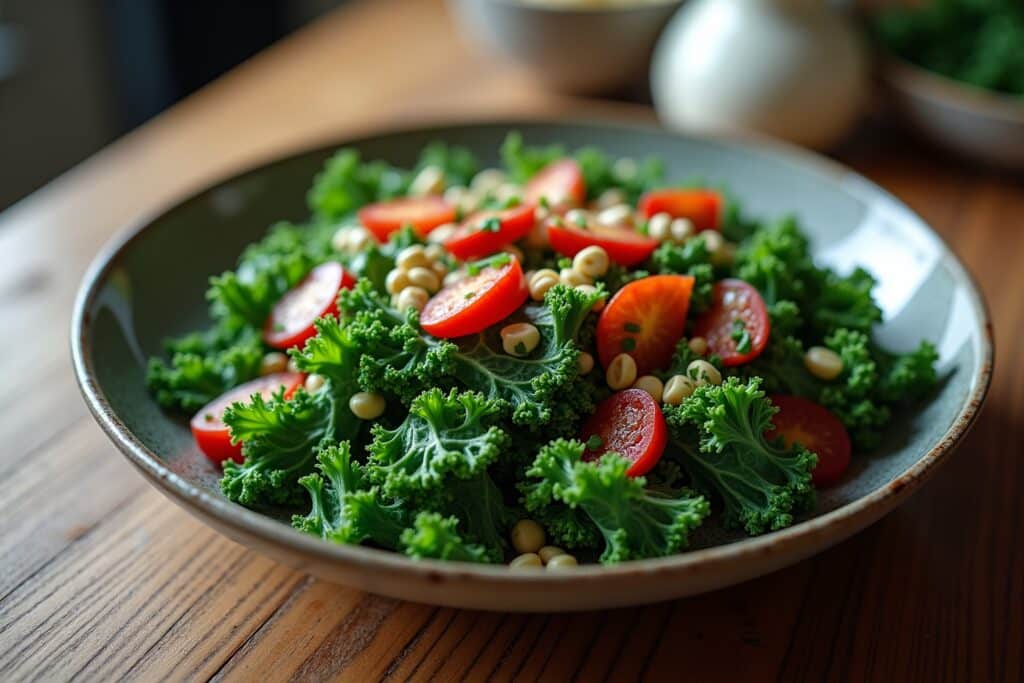
Unlock the vibrant potential of kale with a curated collection of recipes designed to appeal to every palate, transforming this nutritious powerhouse into culinary delights. You’re seeking ways to incorporate this leafy green into your diet, whether you’re a seasoned kale enthusiast or a curious beginner looking for accessible and delicious preparations.
These are the most popular Kale Cookbook products
Keine Produkte gefunden.The Versatility of Kale: Beyond the Bitter Leaf
Kale, a member of the cabbage family, boasts an impressive nutrient profile, packed with vitamins A, C, and K, as well as essential minerals and antioxidants. Historically, it was a staple in many cuisines, often associated with hearty, rustic dishes. However, modern culinary approaches have elevated kale’s status, demonstrating its adaptability to a wide range of flavors and cooking methods. Its slightly bitter, earthy notes can be beautifully balanced with acidity, sweetness, and umami, making it a surprisingly versatile ingredient.
The key to enjoying kale lies in understanding its different varieties and how to best prepare them. Curly kale, for instance, with its frilly leaves, is robust and holds up well to cooking, making it ideal for sautés and chips. Lacinato kale, also known as dinosaur or Tuscan kale, features flatter, darker leaves and possesses a slightly sweeter, more tender texture, excelling in soups, stews, and even raw preparations after massaging. Red Russian kale, with its flat, serrated leaves and vibrant purple stems, offers a delicate flavor profile and is wonderful in salads and quick sautés.
Kale Recipes for Every Taste: A Culinary Spectrum
Exploring the world of kale recipes reveals a remarkable diversity, catering to different preferences and dietary needs. From vibrant salads to comforting casseroles, there’s a kale dish waiting to become your new favorite.
1. The Fresh & Vibrant: Raw Kale Salads
Raw kale might seem intimidating, but with the right preparation, it transforms into a delightfully crisp and satisfying salad base. The trick is to “massage” the kale. Remove the tough stems, tear the leaves into bite-sized pieces, and then gently rub them with your fingers for 1-2 minutes. This process breaks down the tough fibers, softening the leaves and mellowing the bitterness. Toss with a zesty lemon-tahini dressing, add some toasted nuts or seeds for crunch, and perhaps some dried cranberries or pomegranate seeds for a touch of sweetness.
- Key Ingredients: Fresh kale (Lacinato or Red Russian recommended), olive oil, lemon juice, tahini, garlic, salt, pepper.
- Flavor Profile: Bright, zesty, slightly nutty, with a refreshing crunch.
- Dietary Adaptations: Vegan, gluten-free.
2. The Comforting & Hearty: Kale Soups and Stews
Kale shines in slow-cooked dishes, where its robust nature allows it to tenderize beautifully. A classic Tuscan White Bean and Kale Soup is a prime example. The creamy beans and savory broth complement kale’s earthiness perfectly. For a heartier option, consider a beef and kale stew, where the kale absorbs the rich flavors of the meat and vegetables. Adding kale towards the end of cooking ensures it retains some of its texture.
- Key Ingredients: Kale, white beans, vegetable broth, onion, garlic, herbs (rosemary, thyme), olive oil. For stews: beef, root vegetables, red wine.
- Flavor Profile: Rich, savory, deeply comforting, herbaceous.
- Dietary Adaptations: Vegan, vegetarian, gluten-free options.
3. The Crispy & Addictive: Kale Chips
Kale chips are a healthy and surprisingly addictive alternative to potato chips. The process is simple: toss kale leaves with a light coating of olive oil and your favorite seasonings, then bake until crisp. Be mindful not to overcrowd the baking sheet, as this will steam the kale rather than crisp it. Experiment with different spice blends, from smoky paprika to spicy chili powder, or even a sprinkle of nutritional yeast for a cheesy flavor.
- Key Ingredients: Kale, olive oil, salt, pepper, desired seasonings.
- Flavor Profile: Salty, savory, slightly smoky or spicy, with an incredibly satisfying crispness.
- Dietary Adaptations: Vegan, gluten-free, low-carb.
4. The Flavor-Infused: Sautéed and Creamed Kale
Quickly sautéing kale with garlic and a splash of lemon juice is a simple yet elegant side dish. For a richer experience, try creamed kale. Sauté the kale with onions and garlic, then add a touch of heavy cream, crème fraîche, or even a plant-based alternative, along with a pinch of nutmeg. This preparation turns kale into a decadent side that pairs beautifully with roasted meats or hearty grains.
- Key Ingredients: Kale, garlic, olive oil, onion, cream (dairy or plant-based), nutmeg.
- Flavor Profile: Garlicky, savory, rich, creamy, with a hint of warmth from nutmeg.
- Dietary Adaptations: Vegetarian, gluten-free. Vegan adaptations possible with plant-based cream.
5. The Unexpected & Bold: Kale Smoothies and Juices
For those looking to boost their nutrient intake effortlessly, kale smoothies and juices are a fantastic option. While kale has a strong flavor, it can be masked by sweeter fruits and other ingredients. Pair it with pineapple, mango, banana, or apple for a naturally sweet blend. Adding ginger or a squeeze of lime can also cut through any bitterness. Remember to use destemmed kale for a smoother texture in your blended drinks.
- Key Ingredients: Kale, fruit (berries, banana, pineapple), liquid base (water, almond milk, coconut water), optional boosters (ginger, chia seeds, protein powder).
- Flavor Profile: Varies greatly depending on added ingredients, but typically fruity and refreshing with a subtle green undertone.
- Dietary Adaptations: Vegan, gluten-free, customizable for specific dietary needs.
Mastering Kale Preparation Techniques
Successfully incorporating kale into your diet hinges on a few fundamental preparation techniques that enhance its texture and flavor, mitigating its inherent bitterness. Understanding these methods will empower you to confidently experiment with various recipes.
Washing and Stems
Always thoroughly wash kale under cold running water. For most recipes, especially raw preparations and sautés, it’s best to remove the tough, fibrous central stem. You can do this by holding the stem with one hand and stripping the leaves away with the other, or by folding the leaf in half and cutting along the stem. For soups and stews, you can leave the stems in as they will soften significantly during cooking.
Massaging for Raw Salads
As mentioned, massaging raw kale is crucial for softening its texture and making it more palatable. After removing stems and tearing leaves, place them in a bowl and drizzle with a small amount of olive oil or dressing. Gently rub the leaves between your hands for 1-3 minutes. You’ll notice the leaves become visibly darker, softer, and less rigid.
Cooking Methods
- Sautéing: This is a quick and effective method. Heat olive oil in a pan over medium-high heat. Add minced garlic, and then the kale. Stir-fry for 3-5 minutes until wilted and tender-crisp. Finish with a squeeze of lemon or a splash of broth.
- Steaming: Place kale in a steamer basket over boiling water. Cover and steam for 5-7 minutes, or until tender. This method retains nutrients well.
- Baking: Primarily used for kale chips. Toss with oil and seasonings, spread in a single layer on a baking sheet, and bake at a moderate temperature (around 300°F/150°C) until crisp.
- Simmering: Ideal for soups and stews. Kale can be added during the last 15-30 minutes of cooking, depending on the desired tenderness.
Nutritional Benefits and Culinary Synergy
Kale’s nutritional density is unparalleled. It’s an excellent source of Vitamin K, essential for blood clotting and bone health. Vitamin C contributes to immune function and collagen production, while Vitamin A supports vision and skin health. Its high fiber content aids digestion and promotes satiety. Furthermore, kale is rich in antioxidants like beta-carotene and flavonoids, which help combat oxidative stress in the body.
The synergy of kale with other ingredients is key to creating balanced and flavorful dishes. The acidity of lemon or lime juice brightens kale’s earthy notes. Garlic and onions provide a foundational savory element. Creamy ingredients, whether dairy or plant-based, can temper its slight bitterness. Spicy elements, like chili flakes or ginger, can add an exciting contrast. The texture of toasted nuts, seeds, or crispy croutons provides a delightful counterpoint to kale’s inherent chewiness.
Kale Recipes: A Quick Reference Guide
To help you navigate the diverse world of kale preparations, here’s a summary of popular recipe categories and their characteristics:
| Recipe Category | Primary Flavor Profile | Texture | Best For | Preparation Time |
|---|---|---|---|---|
| Raw Kale Salads | Bright, Zesty, Fresh | Crisp, Tender (after massaging) | Light lunches, side dishes, detoxifying meals | 10-15 minutes (including massaging) |
| Soups & Stews | Hearty, Savory, Comforting | Tender, Velvety | Warm meals, hearty dinners, cold weather dishes | 30 minutes to several hours |
| Kale Chips | Salty, Savory, Flavorful (customizable) | Crispy, Crunchy | Healthy snacks, appetizer | 15-20 minutes |
| Sautéed & Creamed Kale | Garlicky, Rich, Savory | Tender, Creamy | Elegant side dishes, complements roasted meats | 10-15 minutes |
| Smoothies & Juices | Fruity, Refreshing (hidden kale flavor) | Smooth, Silky | Nutrient boosts, breakfast drinks, post-workout recovery | 5-10 minutes |
These are the latest Kale Cookbook products with the best ratings.
Keine Produkte gefunden.FAQ – Frequently Asked Questions about The Best Kale Recipes for Every Taste
What is the best type of kale for salads?
For raw salads, Lacinato (dinosaur) kale and Red Russian kale are generally preferred. They have thinner, more tender leaves that soften better when massaged compared to the thicker, curlier varieties. Curly kale can be used, but requires more thorough massaging to become palatable raw.
How can I make kale less bitter?
Several methods can reduce kale’s bitterness. First, choose younger, more tender leaves. Second, always remove the tough stems, as they contribute significantly to bitterness. Third, massaging raw kale with oil and acid (like lemon juice) helps break down compounds that cause bitterness. Finally, cooking kale, especially in soups, stews, or sautés with aromatics like garlic and onion, also mellows its flavor.
Are kale chips healthy?
Yes, kale chips are a very healthy snack. They are significantly lower in fat and calories than traditional potato chips, while being packed with vitamins, minerals, and fiber. The primary ingredients are kale and a small amount of healthy fat (like olive oil), making them a nutrient-dense alternative.
Can I freeze kale for later use?
Yes, kale freezes well, especially for use in cooked dishes like soups, stews, or smoothies. Wash and destem the kale, then blanch it for about 30 seconds in boiling water, followed by an immediate ice bath to stop the cooking process. Pat it thoroughly dry and store it in airtight containers or freezer bags. This blanching step helps preserve its color and texture.
What are some good flavor combinations for kale?
Kale pairs wonderfully with a variety of flavors. Classic pairings include garlic, lemon, olive oil, and chili flakes. For richer dishes, consider combinations with cream, nutmeg, and Parmesan cheese. In salads, think about fruits like apples, pears, or cranberries, and nuts like walnuts or pecans. Savory ingredients like bacon, sausage, or white beans also complement kale beautifully.
How long does it take to cook kale?
Cooking time for kale varies significantly by method and desired tenderness. Sautéing typically takes 3-7 minutes. Steaming usually requires 5-10 minutes. For soups and stews, kale can be added in the last 15-30 minutes of simmering. Kale chips bake for about 10-20 minutes.


