
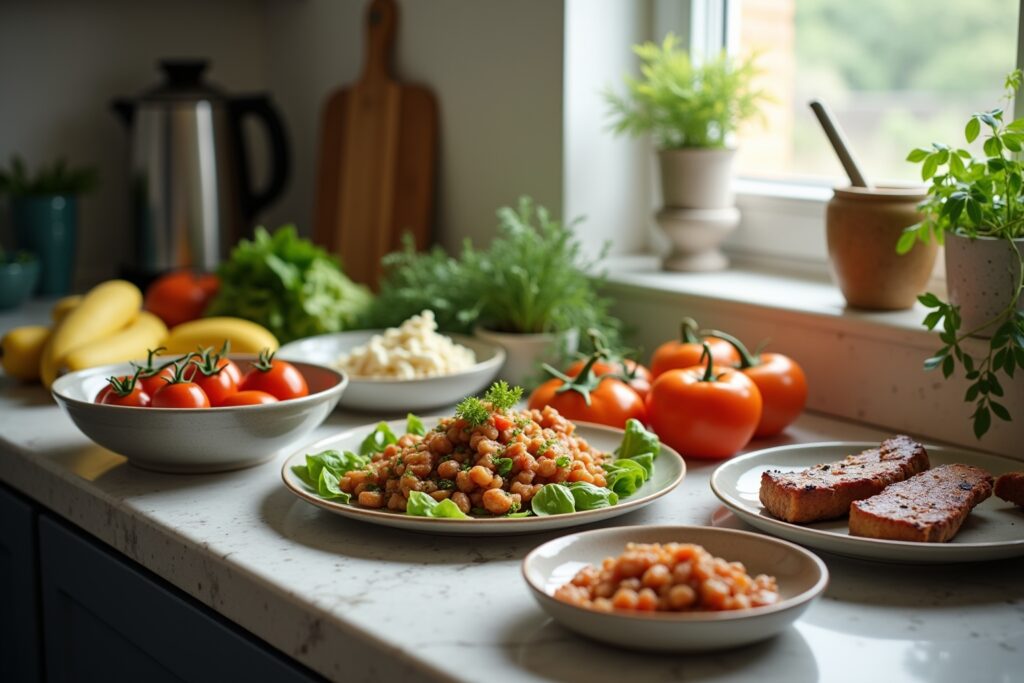
Navigating dietary changes to improve gut health can feel overwhelming, especially when you’re dealing with digestive sensitivities. If you’re seeking delicious and satisfying meals that minimize FODMAPs, you’ve come to the right place. This guide focuses on 17 carefully curated recipes designed to support a healthy gut microbiome while delighting your taste buds.
These are the most popular Low Fodmap Recipes products
Keine Produkte gefunden.Understanding Low FODMAP and Gut Health
FODMAPs (Fermentable Oligosaccharides, Disaccharides, Monosaccharides, and Polyols) are short-chain carbohydrates that can be poorly absorbed in the small intestine. For individuals with Irritable Bowel Syndrome (IBS) and other digestive disorders, these compounds can ferment in the gut, leading to symptoms like bloating, gas, abdominal pain, and altered bowel habits. A low FODMAP diet aims to reduce these fermentable carbohydrates, thereby alleviating digestive discomfort and promoting gut healing. It’s important to note that a low FODMAP diet is typically an elimination and reintroduction phase, best undertaken with guidance from a healthcare professional or a registered dietitian. The goal is not permanent restriction, but rather identifying trigger foods and establishing a sustainable, gut-friendly eating pattern. By focusing on ingredients naturally low in FODMAPs, you can create nourishing meals that are both beneficial for your digestive system and enjoyable to eat.
Key Principles for Gut-Friendly Low FODMAP Cooking
Creating a successful low FODMAP meal plan involves understanding ingredient choices and preparation methods. The focus is on whole, unprocessed foods that are naturally low in fermentable carbohydrates. This includes a wide variety of fruits, vegetables, proteins, and grains. Avoiding high-FODMAP ingredients such as certain dairy products, wheat, rye, onions, garlic, and some fruits and sweeteners is crucial during the elimination phase. When cooking, simplicity often yields the best results, allowing the natural flavors of the ingredients to shine. Utilizing herbs, spices (excluding garlic and onion powder), and low-FODMAP flavor enhancers like ginger, chives, and lemon zest can add depth and complexity without triggering digestive distress. It’s also beneficial to understand portion sizes, as even low-FODMAP foods can cause symptoms in larger quantities. Hydration is paramount, so incorporating plenty of water throughout the day is essential for optimal gut function.
Your Guide to 17 Delicious Low FODMAP Recipes for Gut Health
This collection is designed to offer variety and ease of preparation, ensuring that a gut-friendly diet doesn’t mean sacrificing flavor or enjoyment. Each recipe has been chosen for its ingredient profile and potential to support a healthy digestive system.
1. Lemon Herb Roasted Chicken with Root Vegetables
A simple yet flavorful one-pan meal. Chicken breast or thighs seasoned with lemon zest, dried herbs like rosemary and thyme, salt, and pepper. Roasted alongside carrots, parsnips, and potatoes (ensure potatoes are a suitable portion size). This dish is rich in protein and provides fiber from the root vegetables.
2. Salmon with Dill and Asparagus
Oven-baked salmon seasoned with fresh dill, lemon juice, salt, and pepper. Served with steamed or roasted asparagus spears. Salmon is an excellent source of omega-3 fatty acids, known for their anti-inflammatory properties. Asparagus, in moderate portions, is generally well-tolerated.
3. Quinoa Salad with Cucumber, Mint, and Feta
Cooked quinoa tossed with diced cucumber, fresh mint leaves, chopped chives, Kalamata olives (check for low-FODMAP ingredients in brine), and a lemon-olive oil vinaigrette. Crumbled feta cheese can be added if dairy is tolerated or substituted with a lactose-free alternative. Quinoa is a complete protein and a good source of fiber.
4. Spinach and Ricotta Stuffed Zucchini Boats
Hollowed-out zucchini halves filled with a mixture of cooked spinach, ricotta cheese (lactose-free), a touch of nutmeg, salt, and pepper. Baked until tender. This is a light yet satisfying vegetarian option.
5. Beef and Vegetable Stir-Fry with Tamari
Thinly sliced lean beef stir-fried with low-FODMAP vegetables such as bell peppers (various colors), broccoli florets (stems removed), and snap peas. Use tamari (gluten-free soy sauce) or coconut aminos as the base for the sauce, seasoned with grated ginger and a hint of maple syrup. Serve with white rice or quinoa.
6. Chicken and Vegetable Skewers
Cubes of chicken breast marinated in a blend of olive oil, lemon juice, oregano, and paprika. Threaded onto skewers with chunks of zucchini, bell peppers, and cherry tomatoes. Grilled or baked until cooked through.
7. Lentil Soup with Carrots and Parsnips
A hearty and nourishing soup made with green or brown lentils, diced carrots, parsnips, vegetable broth (ensure it’s low-FODMAP), and herbs like bay leaf and thyme. Lentils provide plant-based protein and fiber. Simmer until lentils are tender.
8. Baked Cod with Lemon and Parsley
Cod fillets seasoned with lemon slices, fresh parsley, salt, and pepper, then baked until flaky. A very simple yet elegant dish that highlights the natural flavor of the fish.
9. Turkey Meatloaf with Oats and Zucchini
Ground turkey mixed with rolled oats (as a binder instead of breadcrumbs), grated zucchini, dried herbs, salt, and pepper. Baked until golden brown and cooked through. Serve with a side of steamed green beans.
10. Shrimp Scampi with Gluten-Free Pasta
Shrimp sautéed with garlic-infused olive oil (garlic infused oil is low FODMAP as the fructans do not leach into the oil), white wine (optional), lemon juice, and fresh parsley. Tossed with gluten-free pasta. This is a flavorful and quick meal.
11. Chicken Salad Lettuce Wraps
Cooked shredded chicken breast mixed with mayonnaise (ensure it’s low FODMAP), chopped celery, fresh dill, a squeeze of lemon juice, salt, and pepper. Served in crisp lettuce cups. A refreshing and light lunch option.
12. Grilled Steak with Chimichurri Sauce
Your favorite cut of steak, grilled to perfection. Serve with a homemade chimichurri sauce made from finely chopped parsley, cilantro, garlic-infused olive oil, red wine vinegar, and a pinch of red pepper flakes. The robust flavors complement the steak beautifully.
13. Baked Sweet Potato Fries with Smoked Paprika
Sweet potatoes cut into fries, tossed with olive oil, smoked paprika, salt, and pepper. Baked until crispy and tender. Sweet potatoes are generally well-tolerated and provide essential vitamins.
14. Tuna Patties with Dill and Lemon
Canned tuna (drained), mixed with gluten-free breadcrumbs or oats, chopped fresh dill, lemon zest, an egg (as a binder), salt, and pepper. Pan-fried or baked until golden. Serve with a side salad.
15. Pork Tenderloin with Rosemary and Orange Glaze
Pork tenderloin roasted with fresh rosemary sprigs. A simple glaze can be made with orange juice, a touch of maple syrup, and a pinch of salt. This creates a wonderfully aromatic and flavorful dish.
16. Chickpea and Vegetable Curry (using approved ingredients)
While chickpeas are high in FODMAPs in larger quantities, they can be tolerated in small, measured portions as part of a curry. This recipe would use coconut milk, a base of ginger and turmeric, low-FODMAP vegetables like bell peppers and spinach, and a controlled portion of chickpeas. Serve with white rice.
17. Oatmeal with Berries and Chia Seeds
Rolled oats cooked with water or lactose-free milk. Topped with a serving of low-FODMAP berries such as blueberries, strawberries, or raspberries, and a sprinkle of chia seeds for added fiber and omega-3s. Sweeten with a small amount of maple syrup if desired.
Nutritional Considerations for a Low FODMAP Diet
When adhering to a low FODMAP diet, it’s crucial to ensure adequate intake of essential nutrients. While restricting certain foods, you must actively seek out nutrient-dense alternatives. For example, calcium can be obtained from lactose-free dairy products, fortified plant-based milks (like almond or rice milk, checking for added high-FODMAP ingredients), and leafy green vegetables such as spinach and kale. Iron can be found in lean red meats, poultry, fish, and fortified cereals. Fiber intake is also vital for gut health, and while high-FODMAP sources are limited, you can still obtain it from low-FODMAP fruits like bananas (unripe), oranges, and kiwi, as well as from vegetables like carrots, zucchini, and potatoes, and whole grains like quinoa and gluten-free oats. Always prioritize whole, unprocessed foods to maximize nutrient absorption and minimize exposure to hidden FODMAPs.
Recipes Overview
| Recipe Category | Key Low FODMAP Ingredients | Nutritional Highlights | Preparation Method |
|---|---|---|---|
| Poultry & Fish Mains | Chicken breast/thighs, salmon, cod, turkey, shrimp | Lean protein, Omega-3 fatty acids, Vitamins B and D | Roasting, baking, grilling, stir-frying |
| Vegetarian & Grains | Quinoa, gluten-free pasta, oats, spinach, zucchini, carrots, parsnips, bell peppers | Fiber, complex carbohydrates, plant-based protein, vitamins and minerals | Salads, stuffed vegetables, soups, stir-fries, baked dishes |
| Red Meat & Flavor Enhancers | Lean beef, steak, pork tenderloin, garlic-infused olive oil, ginger, herbs | Iron, protein, B vitamins | Grilling, roasting, stir-frying |
| Sides & Light Meals | Sweet potatoes, lettuce, cucumber, mint, dill | Vitamins A and C, fiber, hydration | Baking, fresh preparation, light assembly |
Navigating Reintroduction and Long-Term Gut Health
The low FODMAP diet is typically a temporary measure designed to identify trigger foods. Once your digestive symptoms have improved, the next crucial step is the reintroduction phase. This involves systematically reintroducing specific FODMAP groups in increasing portion sizes to determine your individual tolerance levels. This process should ideally be guided by a registered dietitian or healthcare professional to ensure it’s done correctly and safely. The ultimate goal is to expand your diet as much as possible while maintaining symptom control, incorporating a wider variety of foods that nourish your gut microbiome. Long-term gut health is supported by a diverse diet rich in fiber from well-tolerated sources, adequate hydration, stress management, and regular physical activity. Understanding your personal triggers allows for a more flexible and sustainable approach to eating for optimal digestive well-being.
These are the latest Low Fodmap Recipes products with the best ratings.
Keine Produkte gefunden.FAQ – Frequently Asked Questions About 17 Low Fodmap Recipes for Gut Health
What is the primary goal of a low FODMAP diet for gut health?
The primary goal of a low FODMAP diet for gut health is to reduce the intake of short-chain carbohydrates that are poorly absorbed and can ferment in the gut, leading to digestive symptoms like bloating, gas, and pain. By identifying and reducing these trigger foods, the diet aims to alleviate discomfort and promote a healthier digestive system, often for individuals with Irritable Bowel Syndrome (IBS).
Are all vegetables high in FODMAPs?
No, not all vegetables are high in FODMAPs. Many vegetables are naturally low in FODMAPs and can be enjoyed on a low FODMAP diet, including carrots, zucchini, bell peppers (in moderation), spinach, kale, potatoes, and parsnips. It’s important to be aware of portion sizes, as even low-FODMAP vegetables can cause symptoms if consumed in excessive amounts.
Can I use garlic and onion in my low FODMAP cooking?
Traditional garlic and onion are high in FODMAPs and should generally be avoided during the elimination phase of the low FODMAP diet. However, garlic-infused olive oil is considered low FODMAP because the fructans, which are water-soluble, do not leach into the oil. You can also use the green parts of spring onions (scallions) and chives as a flavor substitute.
How long should I follow a low FODMAP diet?
The low FODMAP diet is typically divided into three phases: elimination, reintroduction, and personalization. The elimination phase usually lasts for 2-6 weeks, followed by a structured reintroduction phase. The goal is not to stay on a restrictive diet long-term but to identify your specific trigger foods and create a sustainable, personalized eating plan that supports gut health while allowing for maximum dietary variety.
What are some good low FODMAP protein sources?
Excellent low FODMAP protein sources include plain meats such as chicken, turkey, beef, pork, and lamb. Fish and seafood are also good options. For plant-based proteins, well-tolerated options include tofu (firm), tempeh, and a controlled portion of quinoa. Eggs are also a valuable protein source.
Is it safe to try these recipes if I don’t have digestive issues?
Yes, many of these recipes feature healthy ingredients that are beneficial for overall well-being, even if you don’t have specific digestive issues. They focus on whole foods, lean proteins, and a variety of vegetables, which contribute to a balanced and nutritious diet. However, if you have any underlying health conditions, it’s always advisable to consult with a healthcare professional before making significant dietary changes.
What does “low FODMAP serving” mean?
“Low FODMAP serving” refers to the quantity of a particular food that is generally considered safe for individuals following a low FODMAP diet without triggering symptoms. Even foods labeled as low FODMAP can cause issues if consumed in very large portions, as FODMAPs can accumulate. Reliable resources and dietitians provide specific serving size recommendations for various foods.


