
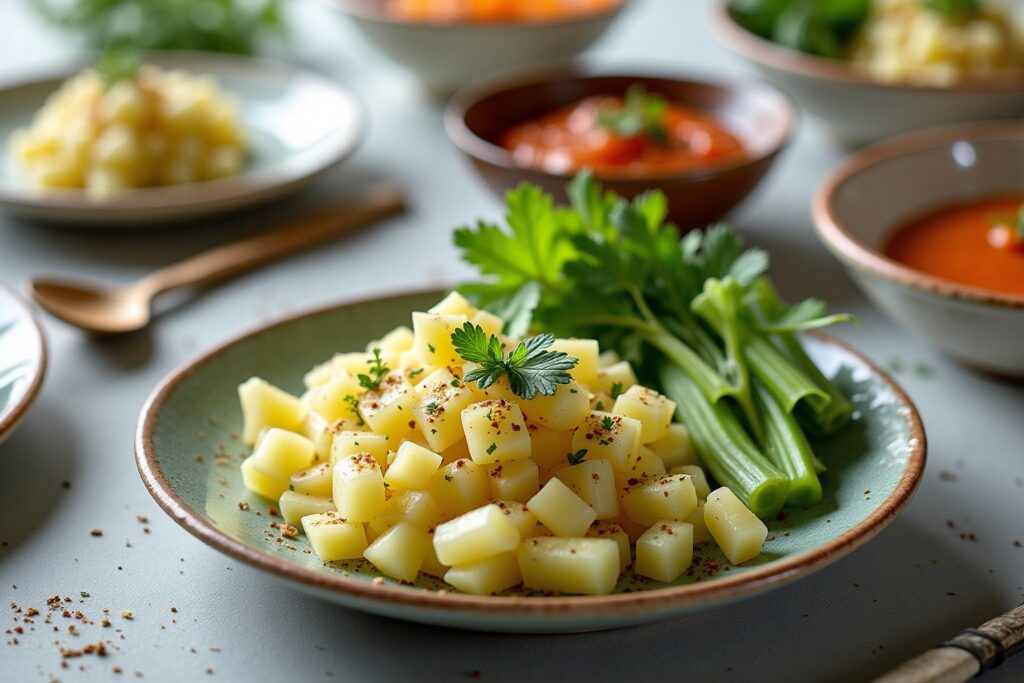
Are you tired of the same old celery sticks with dip, or the occasional addition to a mirepoix? You’re about to discover a world of culinary possibilities that elevate this humble vegetable. This guide presents 12 unique celery recipes designed to surprise and delight your palate, transforming how you think about celery.
These are the most popular Celery recipes products
Keine Produkte gefunden.Beyond the Stalk: Unlocking Celery’s Culinary Potential
Celery, often relegated to a supporting role, possesses a subtle yet distinct flavor profile and a satisfying crunch that can be the star of many dishes. Its versatility extends from raw preparations to slow-cooked stews, offering a spectrum of textures and tastes. Embracing these unique recipes will introduce you to innovative ways to incorporate celery into your diet, boosting both flavor and nutritional value.
12 Unique Celery Recipes to Inspire Your Kitchen
1. Creamy Celery and Leek Soup
Forget watery vegetable broths; this soup is a celebration of creamy, comforting flavors. The mild sweetness of leeks perfectly complements the earthy notes of celery, creating a sophisticated starter. Sautéed leeks and chopped celery form the base, simmered in vegetable or chicken broth until tender. A touch of heavy cream or coconut milk, blended until silken, elevates this soup to luxurious status. Garnish with fresh chives or a swirl of olive oil for an elegant finish.
2. Celery and Apple Slaw with Walnut Vinaigrette
This is no ordinary slaw. The crispness of finely shredded celery is balanced by the tart sweetness of crisp apples. A vibrant dressing made with olive oil, apple cider vinegar, Dijon mustard, and toasted walnuts provides a nutty depth. This slaw is a fantastic accompaniment to grilled meats, sandwiches, or as a refreshing side dish on its own. The textural contrast is paramount here, offering a delightful crunch with every bite.
3. Braised Celery with Parmesan and Lemon Zest
Braising transforms celery from crisp to tender, infusing it with rich flavors. Thick-cut celery stalks are braised in a mixture of chicken broth, white wine, and herbs like thyme and rosemary. Towards the end of cooking, grated Parmesan cheese melts into the sauce, creating a savory coating. A final flourish of fresh lemon zest cuts through the richness, adding brightness. This dish works beautifully as a side to roasted chicken or pork.
4. Celery Root and Potato Gratin
Celery root, also known as celeriac, offers an earthier, nuttier flavor than its stalk counterpart and boasts a denser texture. When paired with potatoes and baked in a creamy, cheesy sauce, it creates an irresistible gratin. Thinly sliced celery root and potatoes are layered with Gruyère or cheddar cheese and a rich béchamel sauce, then baked until golden and bubbly. This is a hearty and comforting dish perfect for a chilly evening.
5. Mediterranean Celery Salad with Feta and Olives
Bring a taste of the Mediterranean to your table with this vibrant salad. Thinly sliced celery is tossed with Kalamata olives, crumbled feta cheese, cherry tomatoes, and a lemon-herb vinaigrette. Fresh parsley and mint add herbaceous notes, while a hint of red onion provides a gentle bite. This salad is refreshing, flavorful, and packed with healthy ingredients, making it ideal for a light lunch or as a side dish.
6. Celery Seed Crusted Salmon
Celery seeds, with their pungent, slightly bitter flavor, are an underutilized spice. Here, they form a flavorful crust for salmon fillets. Mix celery seeds with panko breadcrumbs, garlic powder, and a touch of salt and pepper. Press the mixture onto the top of salmon fillets before baking or pan-searing. The seeds toast beautifully, providing a unique texture and aroma that pairs wonderfully with the rich, flaky fish.
7. Spicy Peanut Noodles with Celery
This dish offers a delightful balance of sweet, savory, and spicy flavors, with celery providing a crucial textural element. Cooked noodles are tossed in a creamy, spicy peanut sauce, enriched with soy sauce, sesame oil, rice vinegar, and chili paste. Julienne celery adds a refreshing crunch and subtle vegetal notes that cut through the richness of the peanut sauce. Top with chopped peanuts, cilantro, and a squeeze of lime for an explosion of flavor.
8. Celery and White Bean Purée
A surprisingly elegant and satisfying dish, this purée showcases celery’s ability to blend into a smooth, creamy texture. Cooked celery is blended with cannellini beans, garlic, olive oil, and vegetable broth until velvety smooth. Season generously with salt, pepper, and a hint of nutmeg. Serve as a sophisticated appetizer with crusty bread or as a flavorful side dish. The natural creaminess of the beans and celery creates a wonderfully smooth consistency.
9. Celery and Blue Cheese Stuffed Mushrooms
Large mushroom caps become edible vessels for a bold and flavorful filling. Finely chopped celery is sautéed with garlic and shallots until tender, then mixed with crumbled blue cheese, breadcrumbs, and a binder like cream cheese or an egg. This mixture is spooned into mushroom caps and baked until the mushrooms are tender and the filling is golden and bubbly. The sharp tang of blue cheese is beautifully complemented by the earthy mushrooms and the subtle crunch of celery.
10. Celery and Pear Tartlets with Goat Cheese
These savory tartlets offer a sophisticated blend of sweet, savory, and tangy flavors. Thinly sliced celery and pears are gently sautéed before being arranged in pre-made tart shells with dollops of creamy goat cheese. A drizzle of honey or balsamic glaze before baking adds a final touch of sweetness and acidity. They are perfect as appetizers for gatherings or as a light lunch with a side salad.
11. Celery and Chickpea Fritters
These delightful fritters are a fantastic way to use up any leftover celery. Finely chopped celery is combined with mashed chickpeas, flour, herbs, and spices. The mixture is then formed into small patties and pan-fried until golden brown and crispy. Serve them with a yogurt-based dipping sauce or a squeeze of lemon. They offer a satisfying crunch and a burst of fresh flavor.
12. Celery Leaf Pesto
Don’t discard those beautiful celery leaves! They pack a concentrated, herbaceous flavor that is perfect for pesto. Blend celery leaves with toasted pine nuts or walnuts, garlic, Parmesan cheese, olive oil, and a squeeze of lemon juice until a vibrant green paste forms. This pesto can be used on pasta, spread on sandwiches, or dolloped onto roasted vegetables. It’s a zero-waste approach that yields a truly unique and flavorful condiment.
Understanding Celery’s Nutritional Powerhouse
Celery is more than just a crunchy base; it’s a nutritional asset. It’s exceptionally low in calories, making it an ideal food for weight management. Rich in water content, it contributes to hydration. Furthermore, celery provides essential vitamins such as Vitamin K, Vitamin C, and Vitamin A, as well as minerals like potassium and folate. Its fiber content aids digestion, and it contains beneficial antioxidants and phytonutrients, which contribute to overall well-being and may help combat inflammation. Incorporating these diverse recipes ensures you’re reaping these health benefits in delicious ways.
Recipe Categories at a Glance
| Category | Key Ingredients | Flavor Profile | Texture | Best For |
|---|---|---|---|---|
| Soups & Starters | Celery, Leeks, Cream/Coconut Milk, Herbs | Creamy, Savory, Mildly Sweet | Silken, Velvety | Appetizers, Light Meals |
| Salads & Slaws | Celery, Apples, Walnuts, Feta, Olives | Fresh, Tangy, Nutty, Vibrant | Crisp, Crunchy | Side Dishes, Light Lunches |
| Hearty & Savory Sides | Celery Root, Potatoes, Cheese, Cream | Earthy, Cheesy, Rich, Comforting | Tender, Creamy | Main Course Companions |
| Innovative Main Dish Components | Celery Seeds, Salmon, Noodles, Chickpeas | Pungent, Spicy, Savory, Umami | Textural Contrast, Crusted | Unique Entrees, Appetizer Bites |
| Herbaceous & Zesty Preparations | Celery Leaves, Pears, Goat Cheese, Lemon | Herbaceous, Sweet, Tangy, Zesty | Delicate, Juicy | Light Appetizers, Elegant Sides |
Tips for Maximizing Celery’s Flavor and Texture
To truly excel with celery in your cooking, consider a few key techniques. For raw preparations like slaws and salads, ensure your celery is thinly sliced or julienned for optimal crispness and easy eating. When braising or cooking celery until tender, allow it enough time to soften without becoming mushy; a gentle simmer is often preferred. For dishes like purées or soups, don’t shy away from blending until completely smooth to achieve a luxurious mouthfeel. Remember to wash celery thoroughly, and for recipes where the leaves are used, ensure they are fresh and vibrant for the best flavor. Don’t underestimate the power of proper seasoning; celery benefits from salt, pepper, and complementary herbs and spices.
These are the latest Celery recipes products with the best ratings.
Keine Produkte gefunden.FAQ – Frequently Asked Questions about 12 Unique Celery Recipes to Try
Can I substitute celery root in recipes that call for celery stalks?
While both are members of the celery family, celery root and celery stalks have distinct textures and flavor profiles. Celery root is denser and has an earthier, nuttier taste, making it more suitable for dishes like gratins or mashes where its texture can be fully utilized. Celery stalks, on the other hand, offer a refreshing crispness ideal for salads, slaws, or when a more fibrous element is desired. You can substitute in some cooked dishes, but the outcome will be different.
Are celery leaves really edible and do they taste good?
Absolutely! Celery leaves are not only edible but can be quite flavorful. They possess a more concentrated, herbaceous, and slightly peppery taste compared to the stalks. They are fantastic when used fresh in salads, as a garnish, or, as in one of the recipes, blended into a vibrant pesto. Ensure they are washed thoroughly before use.
How can I make celery less stringy?
The stringiness of celery is most noticeable when eaten raw. For recipes where a smoother texture is desired, such as in soups or purées, the strings are largely unnoticeable once blended. If you’re preparing celery for a salad or slaw and want to minimize strings, try peeling the outer layer of the stalk with a vegetable peeler before slicing or chopping. Cutting the celery against the grain can also help reduce the perception of stringiness.
What is the best way to store celery to keep it crisp?
To maintain celery’s crispness, wrap the whole stalks tightly in aluminum foil and store them in the crisper drawer of your refrigerator. This method allows the ethylene gas produced by the celery to escape, preventing it from becoming soggy. Avoid storing it in plastic bags, as this can trap moisture and accelerate wilting.
Can I freeze celery for later use?
Yes, you can freeze celery, but it’s best suited for cooked applications afterward, as freezing will significantly alter its texture, making it softer and less crisp. Blanching the celery for a few minutes before freezing helps preserve its color and flavor. Chop the blanched celery and store it in airtight containers or freezer bags.
Are there any specific types of celery that are better for certain recipes?
Most standard green celery varieties work well across a range of recipes. However, some varieties, like Pascal or Golden Self-Blanching, are commonly used for their robust flavor and texture in cooking. For eating raw, you might prefer varieties known for their tenderness. When using celery root (celeriac), it’s a specific varietal known for its bulbous root.


