
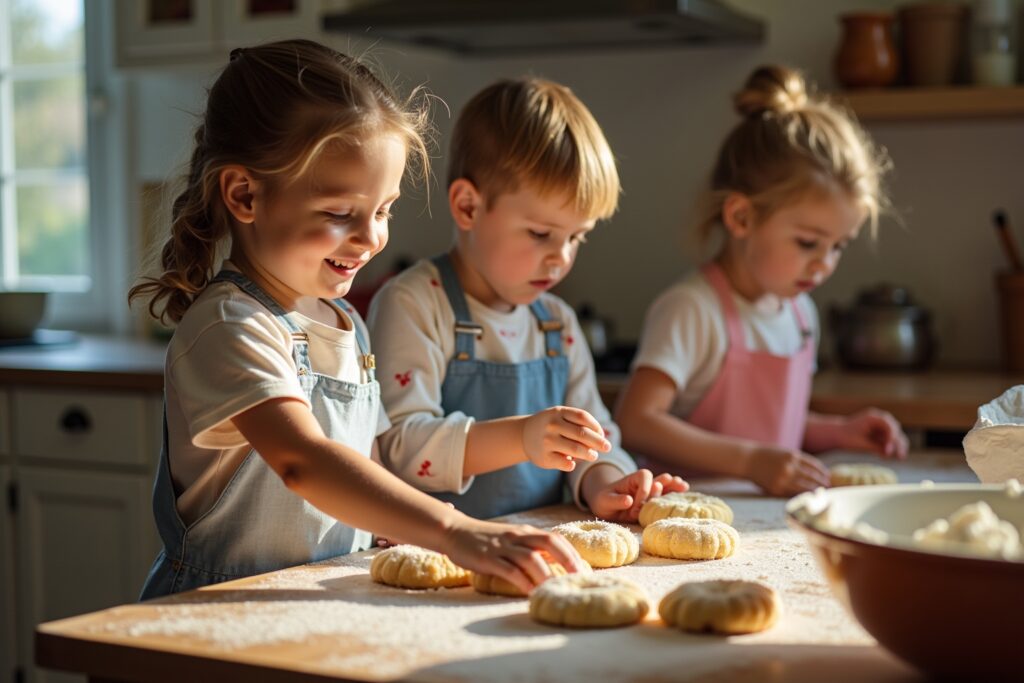
Seeking engaging and delicious baking projects to share with children? Discover 14 straightforward recipes perfect for little hands and growing appetites, designed to foster culinary skills and create lasting memories.
These are the most popular Kids Baking Kits products
Keine Produkte gefunden.The Magic of Baking with Kids: Essential Benefits
Baking with children offers a wealth of developmental advantages, extending far beyond the kitchen. It’s a hands-on activity that nurtures fine motor skills as they measure, stir, and decorate. Following recipes enhances reading comprehension and mathematical understanding through fractions and measurements. Moreover, the process instills patience, encourages problem-solving when things don’t go exactly as planned, and builds a strong sense of accomplishment. The shared experience also strengthens family bonds, providing a valuable opportunity for communication and teamwork.
Selecting the Right Recipes for Young Bakers
When choosing recipes for children, prioritize simplicity, minimal ingredients, and clear, step-by-step instructions. Recipes that involve no-bake elements or require minimal oven time are excellent starting points. Look for those where children can actively participate in multiple stages, from mixing dry ingredients to shaping dough or applying frostings. Safety is paramount, so recipes that minimize the use of sharp knives or hot appliances under direct supervision are ideal. The reward of a delicious, homemade treat at the end provides powerful motivation.
14 Simple Kids Baking Recipes to Delight
1. No-Bake Energy Bites
These protein-packed delights are incredibly simple to assemble. Combine rolled oats, peanut butter (or any nut/seed butter), honey (or maple syrup), and your child’s favorite mix-ins like chocolate chips, dried cranberries, or shredded coconut. Roll into small balls and chill until firm. They’re a healthy and fun snack that requires no oven time.
2. Easy Chocolate Chip Cookies
A classic for a reason! Most simple recipes involve creaming butter and sugar, adding eggs and vanilla, then incorporating flour, baking soda, and chocolate chips. Let your child help measure ingredients, stir the batter, and place spoonfuls onto a baking sheet. The aroma of freshly baked cookies is irresistible.
3. Funfetti Cupcakes
Transforming a basic vanilla cupcake batter by adding colorful sprinkles makes for an instant celebration. Kids can help stir the sprinkles into the batter and, most importantly, go wild decorating the cooled cupcakes with frosting and more sprinkles. The vibrant colors are always a hit.
4. Peanut Butter Blossoms
These cookies are a delightful twist on a classic. A simple peanut butter cookie dough is rolled into balls and then pressed with a chocolate kiss once they come out of the oven, creating a beautiful, melted top. Children can help roll the dough and press the kisses.
5. Simple Sugar Cookies
Sugar cookies offer a fantastic canvas for creativity. The dough is easy to handle and perfect for cutting into various shapes with cookie cutters. Once baked and cooled, the real fun begins with decorating using royal icing, sprinkles, and edible markers.
6. Banana Bread Muffins
An excellent way to use ripe bananas, banana bread muffins are moist and flavorful. Kids can help mash the bananas, measure ingredients, and stir the batter. The muffin format is also perfect for portion control and easy handling.
7. Mini Pizzas on English Muffins
While technically not a “sweet” bake, this is a fantastic savory baking activity. Split English muffins, spread with pizza sauce, sprinkle with cheese, and add favorite toppings. Bake until golden and bubbly. Children love customizing their own mini pizzas.
8. Fruit Pizzas on Sugar Cookie Crusts
Combine the joy of sugar cookies with fresh fruit. Bake a large sugar cookie or individual cookie crusts. Once cooled, spread with cream cheese frosting (or a simple whipped cream) and let kids arrange colorful fruit slices to create beautiful edible art.
9. Pretzel Rods with Chocolate Drizzle
Another no-bake wonder! Melt chocolate chips (milk, dark, or white) and let children dip pretzel rods into the chocolate, then decorate with sprinkles, crushed candies, or chopped nuts before the chocolate sets. They are satisfyingly crunchy and sweet.
10. Oatmeal Raisin Cookies
Similar to chocolate chip cookies, oatmeal raisin cookies are a wholesome and flavorful option. The addition of oats provides a delightful chewy texture. Kids can help measure the oats and raisins and stir them into the dough.
11. Easy Scones
Scones can be surprisingly simple to make. A basic scone recipe often involves combining flour, sugar, baking powder, butter, and milk. Children can help mix the dry ingredients, cut in the butter, and lightly knead the dough before shaping and baking. Serve with jam and cream.
12. Lemon Bar Bites
A sweet and tart treat. A simple shortbread crust is topped with a tangy lemon filling. Kids can help press the crust mixture into the pan and then carefully pour the filling. Once cooled and cut, they offer a refreshing burst of flavor.
13. Apple Crumble Bars
Layers of tender apples baked between a buttery crumble topping. Children can help chop the apples (with supervision), mix the crumble topping ingredients, and sprinkle it over the apples. It’s a comforting dessert that’s not overly complicated.
14. Rice Krispie Treats
A timeless favorite that is incredibly easy to make. Melt marshmallows and butter, then stir in Rice Krispies cereal. Kids can help with the stirring and pressing the mixture into a greased pan. Adding sprinkles or mini chocolate chips is a fun variation.
Baking Equipment Essentials for Kids
Equipping your kitchen with child-friendly tools can make baking more enjoyable and safer. Consider investing in colorful, durable mixing bowls, child-sized whisks and spatulas, and soft-grip measuring cups and spoons. A rolling pin with adjustable thickness guides can be helpful for sugar cookies. For decorating, consider piping bags with beginner-friendly tips and edible markers. Always ensure supervision when using any electrical appliances or the oven.
Tips for a Successful Baking Session with Children
Preparation is key to a smooth baking experience. Read the recipe through completely before starting and gather all your ingredients and equipment. Measure out ingredients in advance (mise en place) to minimize interruptions and potential for errors. Embrace the mess; baking with kids is rarely pristine. Focus on the process and the fun rather than perfection. Encourage independence by letting them perform tasks they are capable of, offering gentle guidance when needed. Celebrate their efforts and the delicious results!
Culinary Skills Development Through Baking
Baking provides a practical platform for teaching fundamental culinary skills. Children learn about the importance of precise measurements, the science behind how ingredients interact (e.g., leavening agents, gluten development), and the techniques of mixing, kneading, and folding. They develop an understanding of different textures and flavors, which can lead to a more adventurous palate. The satisfaction of creating something delicious from scratch fosters a sense of pride and can spark a lifelong interest in cooking and food preparation.
Safety First in the Kitchen
Supervision is paramount when baking with children. Educate them about kitchen safety, including the safe use of knives (for older children with guidance), avoiding hot surfaces, and proper handwashing. Ensure they understand how to operate kitchen appliances safely. When using the oven, always have an adult operate the door and handle hot baking sheets. Discuss potential allergens before starting, especially when baking for others. A safe environment ensures that the joy of baking is not overshadowed by accidents.
Troubleshooting Common Baking Challenges with Kids
Even with simple recipes, challenges can arise. If cookies spread too much, the dough might be too warm; chilling it can help. If muffins are dry, over-mixing or over-baking are common culprits. For sticky dough, a lightly floured surface and hands usually solve the problem. Encourage children to observe the textures and colors during the baking process, helping them understand visual cues for doneness. Frame any mistakes as learning opportunities rather than failures, reinforcing that experimentation is part of baking.
Beyond the Recipe: Creative Decoration and Presentation
Once the baking is done, the creative expression truly shines. Provide a variety of decorating options. Frosting in different colors, sprinkles, edible glitter, fruit, and small candies can transform simple baked goods into works of art. Encourage children to design their own patterns or themes. Discuss how presentation can enhance the enjoyment of food. Even simple garnishes can make a big difference in how appealing a treat looks.
The Nutritional Value of Homemade Treats
While many baked goods are treats, homemade versions offer an advantage: control over ingredients. You can opt for whole wheat flour, reduce sugar content, use natural sweeteners, and incorporate fruits and vegetables. This allows you to create more wholesome versions of popular desserts. Even when indulging, knowing what goes into your child’s food provides peace of mind. Discussing the role of different ingredients in moderation can also be a valuable learning moment.
Baking as a Sensory Experience
Baking engages multiple senses, making it a rich learning experience for children. They can feel the textures of different ingredients – the grittiness of flour, the smoothness of butter, the stickiness of dough. They can smell the aromas of vanilla, cinnamon, and baking cookies. They hear the sizzle in the pan or the whir of a mixer. And, of course, they taste the final delicious product. This multi-sensory engagement enhances memory and understanding.
Incorporating Seasonal Flavors and Themes
Baking offers a wonderful opportunity to connect with the seasons. Use fall fruits like apples and pears for crumbles, berries in the summer for fruit pizzas, or pumpkin spice for autumn muffins. Holiday themes can also inspire creativity, with heart-shaped cookies for Valentine’s Day or festive shapes for Christmas. This adds an extra layer of engagement and learning about seasonal produce and traditions.
Baking for Special Occasions and Sharing
Baking for birthdays, holidays, or even just a special weekend treat can be incredibly rewarding. Children often feel immense pride in creating something to share with family and friends. This fosters generosity and the joy of giving. Discussing the planning involved for a special bake – who will it be for, what occasion – adds another dimension to the activity.
These are the latest Kids Baking Kits products with the best ratings.
Keine Produkte gefunden.FAQ – Frequently Asked Questions about 14 Simple Kids Baking Recipes
What age is appropriate for kids to start baking?
Children as young as toddlers can participate in very simple tasks like stirring pre-measured ingredients or decorating pre-baked cookies with adult supervision. With age and increasing dexterity, they can gradually take on more complex roles, typically starting around ages 3-5 for basic mixing and 6-8 for more independent following of simple recipes. Always tailor the tasks to the child’s individual abilities and provide constant supervision.
How can I make baking with kids less messy?
While some mess is inevitable and part of the fun, you can minimize it. Cover your work surfaces with newspaper or a washable mat. Use larger mixing bowls to prevent spills. Let children help clean as they go, wiping down surfaces or washing bowls. Aprons or old t-shirts can protect their clothing. Pre-measuring ingredients can also reduce the chances of spills during the mixing process.
What are the most important safety rules for kids in the kitchen?
Key safety rules include always washing hands thoroughly before and during baking, never touching hot ovens or baking dishes without adult supervision, using knives only with direct adult guidance, and being aware of appliance cords to prevent tripping. Teach children to ask for help if they are unsure about any step. Ensure they understand the importance of staying focused while in the kitchen.
How can I encourage picky eaters to try what they bake?
Involve them heavily in the baking process; children are often more willing to try something they have helped create. Focus on flavors they generally enjoy and gradually introduce new elements. For example, if they like chocolate chip cookies, try adding a few berries to the batter. Presenting the food in a fun, appealing way through decoration can also help. Reinforce that they don’t have to finish everything, but trying a small bite is encouraged.
What is the best way to store homemade baked goods?
Storage depends on the item. Most cookies and muffins can be stored in an airtight container at room temperature for 2-3 days. Cakes and cupcakes with frosting are often best stored at room temperature if unfrosted, or in the refrigerator if frosted with dairy-based icings. Bars and brownies can typically be kept at room temperature in an airtight container. For longer storage, freezing is an excellent option for many baked goods.
Can I adapt these recipes for dietary restrictions, like gluten-free or dairy-free?
Absolutely. Many simple baking recipes can be adapted. For gluten-free options, you can often substitute a good quality gluten-free all-purpose flour blend for wheat flour. For dairy-free, use plant-based milk (like almond or oat milk) and dairy-free butter substitutes or oil. Always check the specific ingredients of your chosen substitutes to ensure they align with your dietary needs and will perform well in the recipe.


