
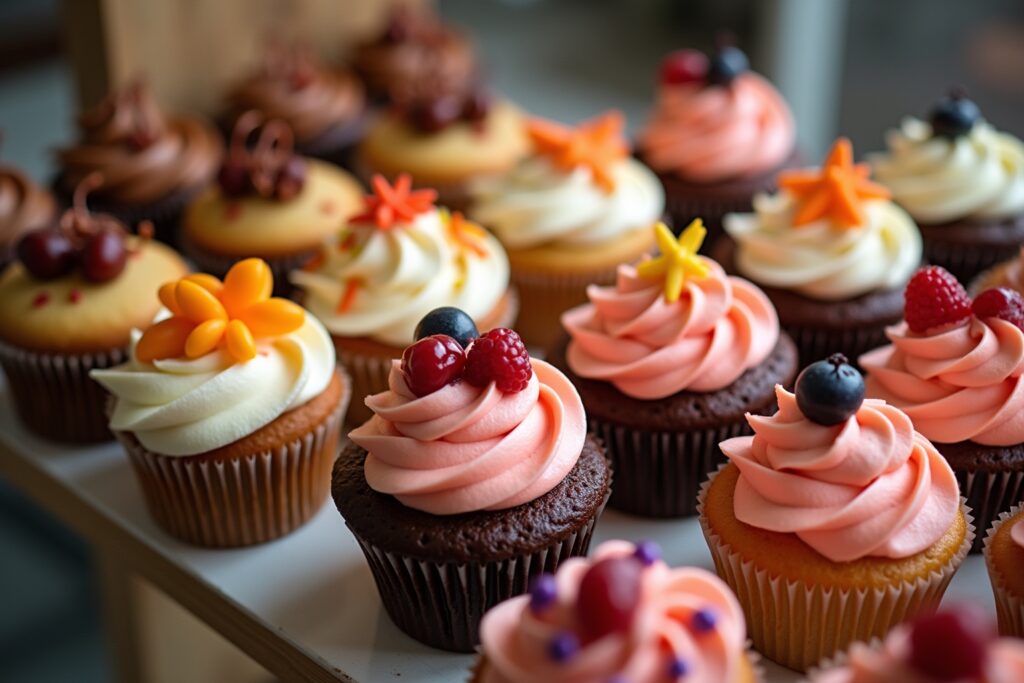
Unlocking the secrets to baking 16 delicious cupcake recipes that will impress your friends and family is now within your reach. Whether you’re a novice baker seeking simple yet satisfying treats or an experienced enthusiast looking to expand your repertoire, this guide provides the essential information you need to create perfect cupcakes every time.
These are the most popular Cupcake recipes products
Keine Produkte gefunden.Mastering the Art of Cupcake Creation
The journey to baking exquisite cupcakes begins with understanding the fundamental principles that differentiate a good cupcake from a truly outstanding one. This involves not just following a recipe, but also grasping the science and art behind each step. From ingredient selection to baking techniques, every detail plays a crucial role in the final outcome. You’ll discover how precise measurements, the right mixing methods, and careful temperature control can elevate your baking from ordinary to extraordinary.
The Foundation: Essential Ingredients and Their Roles
Every successful cupcake recipe relies on a harmonious blend of core ingredients, each serving a specific purpose:
- Flour: The structural backbone of your cupcake. All-purpose flour is common, but cake flour, with its lower protein content, yields a more tender crumb. Understanding gluten development is key; overmixing can lead to tough cupcakes.
- Sugar: Provides sweetness, moisture, and tenderness. It also aids in browning through caramelization. Different types of sugar (granulated, brown, powdered) offer unique textural and flavor contributions.
- Fat: Butter, oil, or shortening contribute to moistness, richness, and a tender texture. Butter offers superior flavor, while oil often results in a moister crumb.
- Eggs: Act as binders, provide structure, contribute to richness, and help with leavening. The yolk adds fat and emulsifiers, while the egg white adds protein for structure.
- Leavening Agents: Baking soda and baking powder are crucial for creating a light and airy texture. Baking soda requires an acidic ingredient to activate, while baking powder contains both an acid and a base.
- Liquid: Milk, buttermilk, or even water, provides moisture and helps to activate the gluten and leavening agents. Buttermilk, with its acidity, can also contribute to tenderness.
- Flavorings: Vanilla extract is a classic, but don’t shy away from other extracts, spices, zest, or even coffee to enhance the flavor profile.
Baking Techniques for Perfect Results
Beyond the ingredients, the methods you employ are equally important:
- Creaming: The process of beating butter and sugar together until light and fluffy. This incorporates air, which aids in leavening and creates a tender texture.
- Folding: Gently incorporating ingredients like whipped egg whites or flour into a batter to preserve airiness. This is typically done with a spatula using an over-and-under motion.
- Room Temperature Ingredients: Ensuring ingredients like butter, eggs, and milk are at room temperature helps them emulsify better, leading to a smoother batter and a more consistent bake.
- Don’t Overmix: Overmixing flour develops gluten, resulting in tough cupcakes. Mix just until the ingredients are combined.
- Accurate Oven Temperature: An oven thermometer is invaluable. Ovens can be notoriously inaccurate, and the correct temperature is critical for proper baking.
- Proper Pan Preparation: Greasing and flouring your cupcake liners or pan ensures easy removal and prevents sticking.
Exploring 16 Delicious Cupcake Recipes
This curated selection showcases a variety of flavors and styles to cater to every palate and occasion. Each recipe has been chosen for its delightful taste, satisfying texture, and relative ease of preparation. You’ll find options ranging from classic comfort to sophisticated indulgence.
1. Classic Vanilla Bean Cupcakes
The quintessential cupcake. A moist, tender vanilla cake crowned with a creamy vanilla buttercream frosting. Perfect for any celebration.
2. Rich Chocolate Fudge Cupcakes
For the serious chocolate lover. These cupcakes boast an intensely deep chocolate flavor and a fudgy, decadent texture, often paired with a silky chocolate ganache.
3. Zesty Lemon Raspberry Cupcakes
A bright and refreshing combination. The tangy lemon cake is beautifully complemented by the sweet burst of fresh raspberries, often finished with a lemon cream cheese frosting.
4. Decadent Red Velvet Cupcakes
Known for their vibrant red hue and subtle cocoa flavor, these are traditionally paired with a tangy cream cheese frosting, creating a perfect balance of sweet and tart.
5. Moist Carrot Cake Cupcakes
Packed with warm spices, shredded carrots, and often nuts or raisins, these cupcakes offer a wholesome yet indulgent treat. Cream cheese frosting is the classic accompaniment.
6. Salted Caramel Delight Cupcakes
A sophisticated flavor profile. The sweet cake is enhanced by swirls of homemade or store-bought salted caramel, often topped with a caramel buttercream.
7. Strawberry Swirl Cupcakes
Featuring a delicate strawberry flavor infused into the cake batter, these cupcakes are often swirled with a strawberry puree and topped with a light strawberry frosting.
8. Peanut Butter Cup Overload
A dream for peanut butter enthusiasts. These cupcakes often contain peanut butter in the batter and are topped with a peanut butter frosting and sometimes mini peanut butter cups.
9. Spiced Apple Cider Cupcakes
Embrace autumnal flavors with these moist cupcakes made with apple cider and warm spices like cinnamon and nutmeg. A caramel or cream cheese frosting complements them well.
10. Coconut Dream Cupcakes
Transport yourself to a tropical paradise with these light and airy coconut cupcakes, often filled with coconut cream and topped with shredded coconut or a coconut buttercream.
11. Earl Grey Lavender Cupcakes
A unique and elegant choice. The subtle floral notes of lavender pair beautifully with the bergamot essence of Earl Grey tea, creating a sophisticated flavor experience.
12. Mocha Java Cupcakes
For coffee and chocolate aficionados. These cupcakes combine the rich flavors of coffee and chocolate, often topped with a coffee-infused buttercream.
13. Blueberry Crumble Cupcakes
Juicy blueberries are baked into a tender cake, and the whole creation is topped with a sweet, buttery crumble topping, reminiscent of your favorite fruit pie.
14. Funfetti Birthday Cupcakes
A celebration in every bite. These cheerful cupcakes are loaded with colorful sprinkles, offering a festive and joyful experience, typically with a classic vanilla buttercream.
15. Chocolate Chip Cookie Dough Cupcakes
What’s better than cookie dough? Cupcakes that taste like it! These often feature edible cookie dough incorporated into the batter or as a topping.
16. Brown Butter Pecan Cupcakes
The nutty, caramelized flavor of brown butter combined with the crunch of toasted pecans creates a truly irresistible cupcake, often finished with a brown butter frosting.
Cupcake Variations and Customization
The beauty of cupcakes lies in their adaptability. Once you’ve mastered the basics, you can begin to experiment and personalize your creations. Consider these avenues for customization:
- Frosting Flavors: Beyond buttercream, explore cream cheese frostings, ganaches, whipped cream toppings, meringue frostings, and glazes.
- Fillings: A hidden surprise inside can elevate a cupcake. Think fruit compotes, pastry creams, chocolate ganache, caramel, or even small dollops of jam.
- Toppings and Decorations: Fresh fruit, chocolate shavings, sprinkles, chopped nuts, cookie crumbs, edible flowers, or intricate piping can transform a simple cupcake into a work of art.
- Dietary Adaptations: Many recipes can be adapted for gluten-free, dairy-free, or vegan diets by substituting ingredients.
Key Considerations for Success
Several factors contribute to consistently excellent cupcakes:
- Ingredient Quality: Using fresh, high-quality ingredients will make a noticeable difference in the final taste.
- Accurate Measurements: Baking is a science. Use measuring cups and spoons accurately, and consider using a kitchen scale for flour to ensure precision.
- Oven Performance: As mentioned, know your oven. An oven thermometer is a worthwhile investment for any baker.
- Cooling Time: Allow cupcakes to cool in the pan for a few minutes before transferring them to a wire rack to cool completely. Frosting warm cupcakes will lead to a melted mess.
Cupcake Flavor Pairing Suggestions
The right frosting and cupcake combination can create magic:
| Cupcake Flavor | Suggested Frosting | Complementary Additions |
|---|---|---|
| Classic Vanilla Bean | Vanilla Buttercream or Cream Cheese Frosting | Sprinkles, Chocolate Shavings |
| Rich Chocolate Fudge | Chocolate Ganache or Chocolate Buttercream | Raspberry Coulis, Chocolate Curls |
| Zesty Lemon Raspberry | Lemon Cream Cheese Frosting or Raspberry Buttercream | Fresh Raspberries, Lemon Zest |
| Decadent Red Velvet | Cream Cheese Frosting | Pecan Halves, White Chocolate Drizzle |
| Moist Carrot Cake | Cream Cheese Frosting | Chopped Walnuts, Candied Carrots |
| Salted Caramel Delight | Salted Caramel Buttercream | Caramel Drizzle, Sea Salt Flakes |
| Coconut Dream | Coconut Buttercream or Whipped Cream | Toasted Coconut Flakes, Macadamia Nuts |
| Mocha Java | Coffee Buttercream or Mocha Ganache | Chocolate-Covered Espresso Beans, Cocoa Powder Dusting |
Troubleshooting Common Cupcake Issues
Even experienced bakers encounter challenges. Here are solutions to common problems:
- Cupcakes are dry: This is often due to overbaking or inaccurate flour measurements. Ensure you’re using enough fat and liquid, and check for doneness early.
- Cupcakes sink in the middle: This can be caused by opening the oven door too early, too much leavening agent, or underbaking.
- Cupcakes are tough: Overmixing the batter, especially after adding flour, develops gluten and leads to a tough texture.
- Frosting is too thin: Gradually add more powdered sugar until the desired consistency is reached.
- Frosting is too thick: Add a teaspoon of liquid (milk, cream, or even water) at a time until it loosens up.
These are the latest Cupcake recipes products with the best ratings.
Keine Produkte gefunden.FAQ – Frequently Asked Questions about 16 Delicious Cupcake Recipes
Q1: What is the best way to store homemade cupcakes?
Store unfrosted cupcakes in an airtight container at room temperature for up to 3 days. Frosted cupcakes are best stored in an airtight container in the refrigerator, especially if they have cream cheese or dairy-based frosting. Bring them to room temperature before serving for optimal flavor and texture.
Q2: How can I ensure my cupcakes are evenly baked?
Ensure your oven is preheated properly and use an oven thermometer to verify the temperature. Avoid overcrowding the baking sheet, as this can lead to uneven airflow. Rotate the baking sheet halfway through the baking time if your oven has hot spots.
Q3: Can I make cupcakes ahead of time?
Yes, you can bake cupcakes a day or two in advance. Once completely cooled, store them unfrosted in an airtight container at room temperature. Frost them just before serving for the freshest taste and appearance.
Q4: What is the difference between baking soda and baking powder?
Baking soda is a base that requires an acidic ingredient (like buttermilk, yogurt, or lemon juice) to react and produce carbon dioxide gas, which makes the batter rise. Baking powder is a complete leavening agent containing both an acid and a base, activated by liquid and heat.
Q5: How do I achieve a smooth and creamy buttercream frosting?
Ensure your butter is softened but not melted. Cream the butter thoroughly until light and fluffy before gradually adding powdered sugar and liquid. Beat on medium-high speed for several minutes to incorporate air and create a smooth texture.
Q6: What are good flavor combinations for a crowd?
For a crowd, classic flavors like vanilla, chocolate, and red velvet are always safe bets. Offering a variety with a mix of sweet and slightly tart options, like lemon raspberry or carrot cake, ensures there’s something for everyone.
Q7: Can I freeze cupcakes?
Yes, cupcakes can be frozen. It’s best to freeze them unfrosted. Wrap them tightly in plastic wrap, then in a layer of aluminum foil, and place them in a freezer-safe container or bag. They can be stored for up to 2-3 months. Thaw them overnight at room temperature before frosting.


